
Culture
Festivals Calendar: What Recurs and What Is Confirmed
A clear guide to which Pakistani festivals fall on fixed dates, which follow the lunar calendar and which are annual fairs, with past confirmed dates marked separately from recurring tradition.
- Fixed, lunar and seasonal
- No future dates are guessed
- Lunar dates shift each year
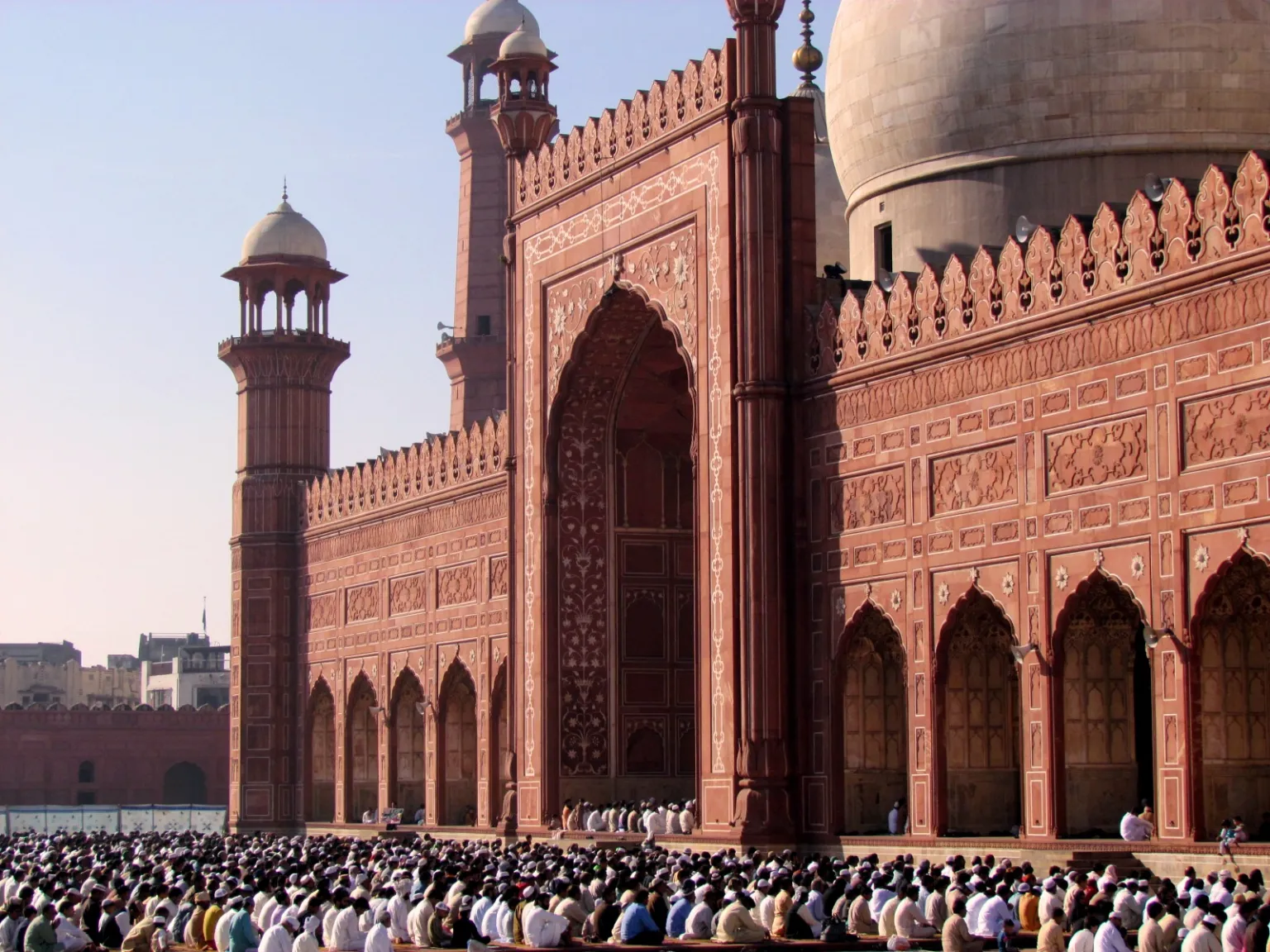
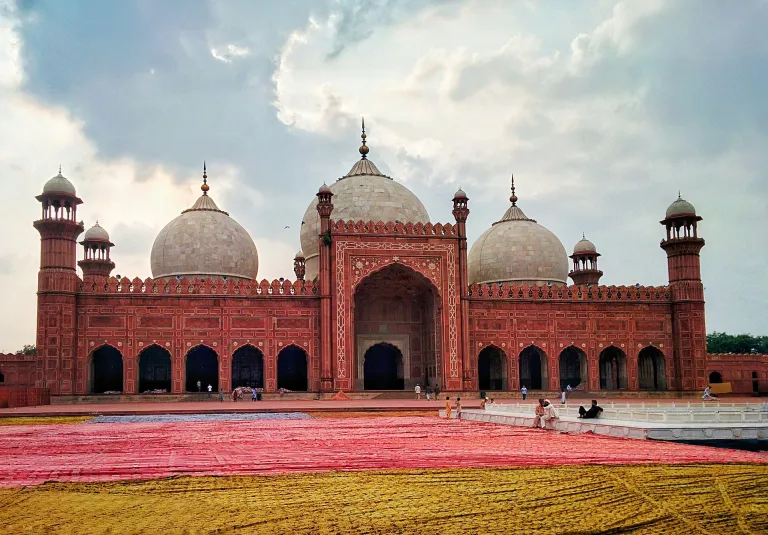
Eid prayers at the Badshahi Mosque, Lahore
How to Read This Calendar
Pakistan's festival year runs on three clocks, and confusing them is the most common mistake visitors make. Some days are fixed in the Gregorian calendar and the same every year. Some follow the Islamic lunar calendar, so they arrive about ten to eleven days earlier each solar year and are confirmed only after moon sighting. And a third group, the fairs, melas, urs anniversaries and seasonal gatherings of particular regions, are recurring traditions whose exact days are set by organisers, local councils or the lunar calendar year by year.
To keep this page honest, every entry carries one of two labels. Recurring tradition means the event happens regularly and usually falls in a described season; it is not a promise of a date. Confirmed dates means a past edition whose dates were reported by an official or reputable source, quoted as an example of the pattern. We deliberately give no dates for coming years unless an official body has announced them; check the Cabinet Division for national holidays and the relevant provincial or district authority for local events.
For the cultural and religious background of the major festivals, see Festivals of Pakistan; for the official holiday list, Public Holidays.
Fixed-Date National Days
Recurring tradition: same Gregorian date every year.
| Date | Day | Label |
|---|---|---|
| 5 February | Kashmir Solidarity Day | Recurring tradition |
| 23 March | Pakistan Day | Recurring tradition |
| 1 May | Labour Day | Recurring tradition |
| 28 May | Youm-e-Takbeer | Recurring tradition |
| 14 August | Independence Day | Recurring tradition |
| 9 November | Iqbal Day | Recurring tradition |
| 25 December | Quaid-e-Azam Day | Recurring tradition |
Source: Wikipedia, Public holidays in Pakistan. Kashmir is a disputed territory; the day expresses Pakistan's position. Whether a day is a closure for offices is set by the federal and provincial governments each year.
Independence Day, 14 August
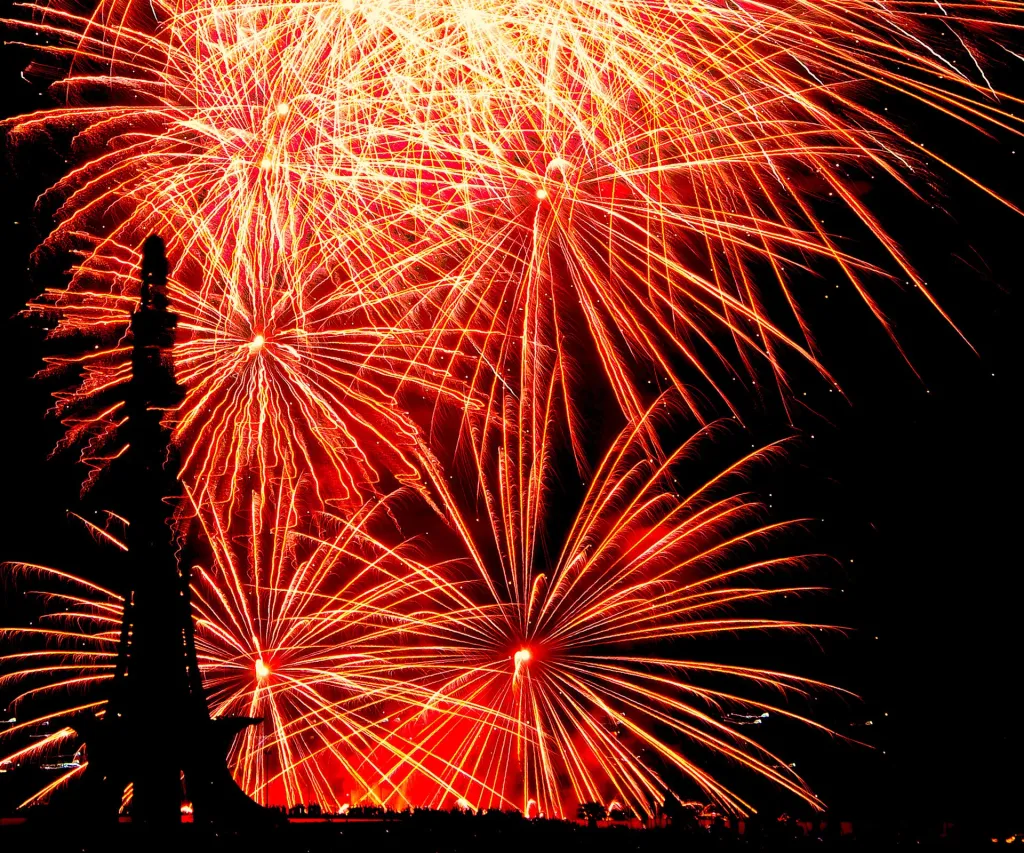
Independence Day commemorates independence from British rule in 1947. According to Wikipedia, the main ceremony in Islamabad raises the flag at Parliament House and the Presidency, a 31-gun salute is fired in the capital and 21-gun salutes in provincial capitals. Fireworks, concerts and cultural events follow across the country, and the Minar-e-Pakistan in Lahore is illuminated on the eve of the holiday. People wear green and white, and the armed forces hold changing-of-the-guard ceremonies at monuments. Recurring tradition.
Lunar-Calendar Observances
Recurring tradition: the Hijri date is fixed, the Gregorian date moves.
| Observance | Hijri date | What to know | Label |
|---|---|---|---|
| Eid ul-Fitr | 1 Shawwal | End of Ramadan; prayers, charity, family visits. See our Eid guide. | Recurring tradition |
| Eid ul-Adha | 10 Dhu al-Hijjah | Sacrifice and sharing of meat. See our Eid ul-Adha guide. | Recurring tradition |
| Ashura and the Muharram observances | 9 and 10 Muharram | Mourning for Imam Hussain; processions and gatherings, solemn rather than festive | Recurring tradition |
| Eid Milad un-Nabi | 12 Rabi al-Awwal | Observance of the Prophet's birth | Recurring tradition |
| Ramadan | The ninth month | Fasting from dawn to sunset; hours shortened by notification | Recurring tradition |
Source: Wikipedia, Public holidays in Pakistan, for holiday dates in the Islamic calendar. Exact Gregorian dates depend on moon sighting and are announced shortly before each occasion.
Muharram and Ashura: A Note for Visitors
Ashura is a day of mourning. Aaj News reported in July 2024 that large processions were held in major cities, including routes from Nishtar Park in Karachi and from Mochi Gate in Lahore, with strict security, and that mobile services were suspended in sensitive areas of Karachi, Lahore and Quetta and across procession routes in Punjab. Roads may close and communications may be limited. Follow local authority guidance, dress modestly and quietly, and ask before photographing mourners. Confirmed (past edition): Ashura on Wednesday 17 July 2024.
Annual Regional Fairs and Festivals
Recurring traditions, with examples of past confirmed dates.
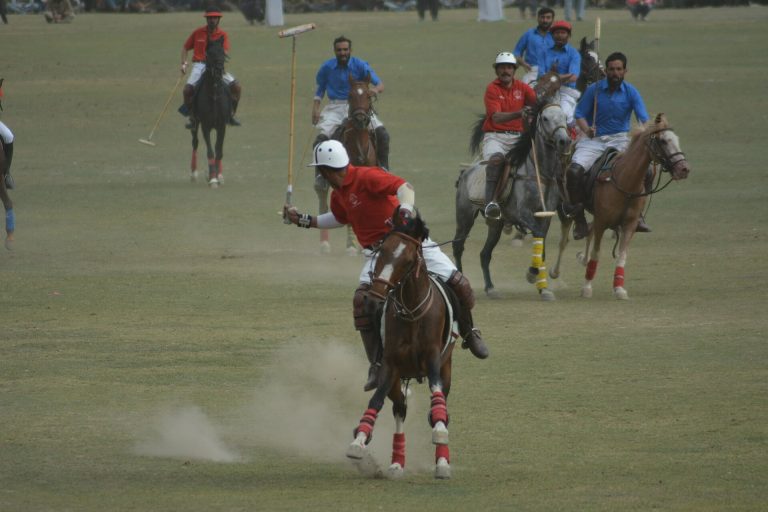 Shandur Polo FestivalA three-day freestyle polo festival between Chitral and Gilgit-Baltistan teams at about 3,700 m, on the calendar since 1982 (Arab News). It is held in early summer when the pass is open; dates are announced each year.
 Kalasha festivalsChilam Joshi is the spring festival, Uchau the autumn festival and Chaumos the main winter festival, held for about two weeks around the winter solstice. Confirmed: in 2024 Chilam Joshi began on 12 May in Birir, 13 May in Rumbur and 14 May in Bumburet, and opened with a milk offering (Dawn). Some rites are closed to outsiders.
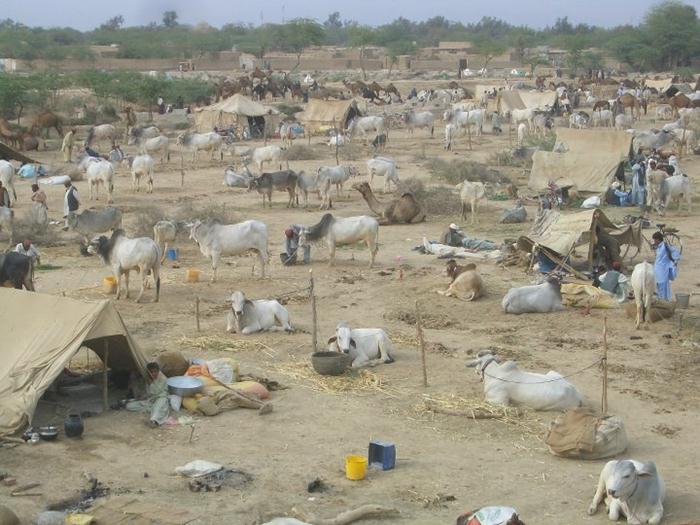 Sibi MelaFirst held in 1885 as a horse show, according to Wikipedia, it grew into a cultural and livestock fair with camel racing, tent pegging, handicrafts and folk dance. Confirmed: the 2025 Sibi Livestock and Camel Mela ran from 13 to 17 February (APP).
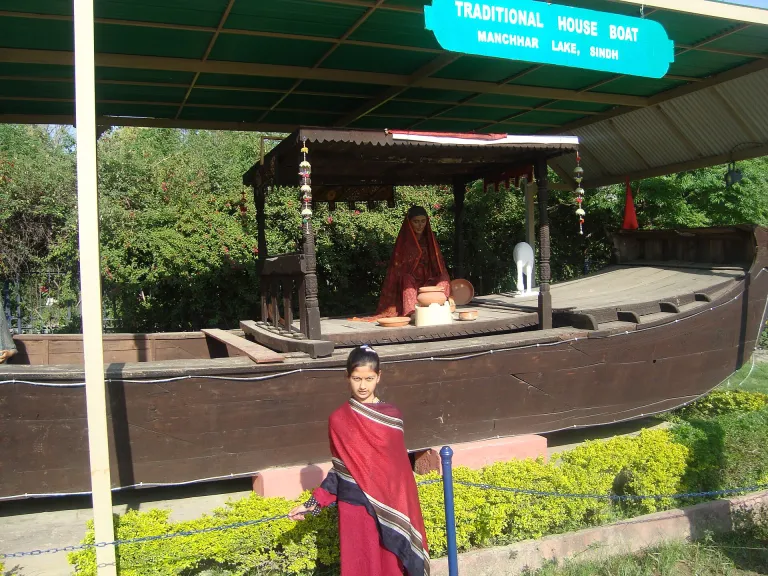 Lok MelaOrganised by Lok Virsa at its museum in Shakarparian, it brings pavilions for each province, live music and dance and craft demonstrations. Lok Virsa says it is usually held in spring or autumn and runs for about a week; it began in the 1980s.
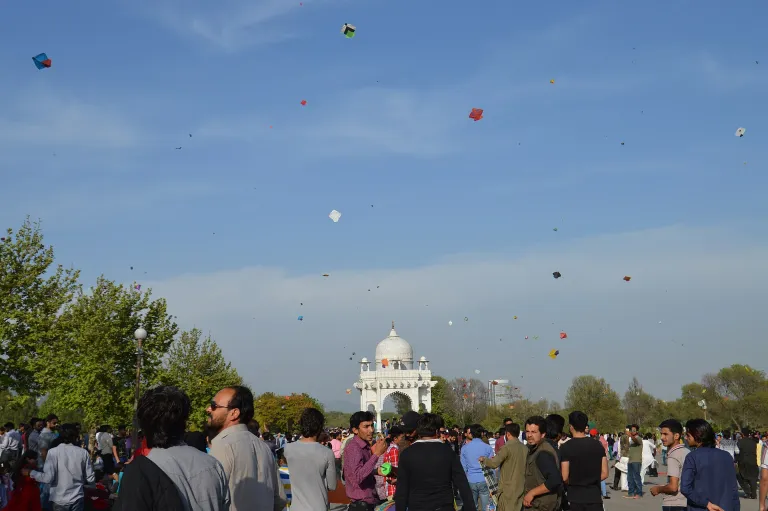 Jashn-e-Baharan, LahoreA spring festival organised by the Punjab government. Confirmed: the 2023 edition ran from 5 to 12 March (PITB). The Punjab government has also licensed Basant kite flying in Lahore on notified days only.
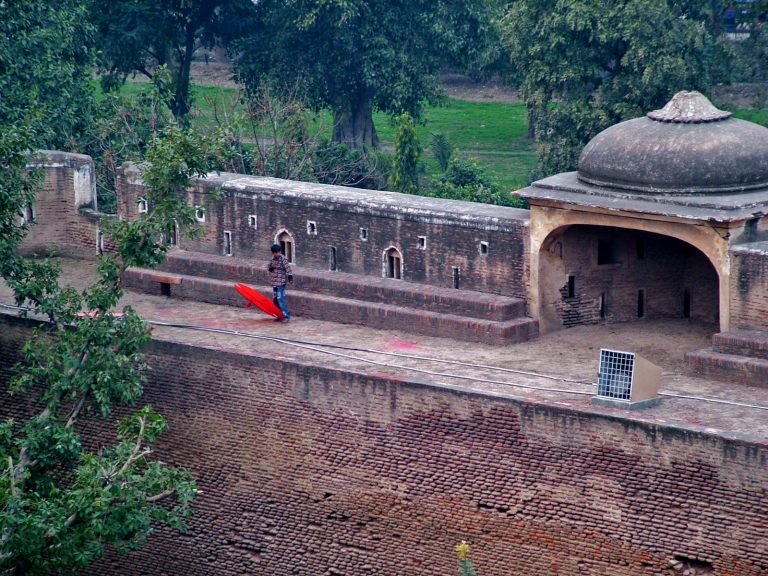 BasantThe kite festival was banned in 2007. Confirmed: on 29 December 2025 the Lahore deputy commissioner approved Basant for 6 to 8 February 2026 under the new regulation, with registered sellers, cotton string only and kite size limits (Dawn). Kite flying remains banned outside notified days.
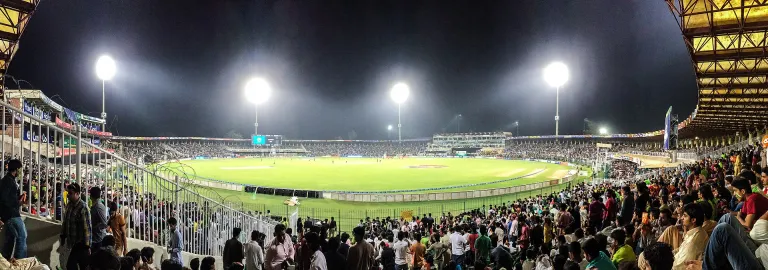 Horse and Cattle ShowA five-day event with livestock displays, cattle races, tent pegging, polo and military bands, which began as an army exhibition in the early 1950s and is usually held in the third week of November, according to Wikipedia's Festivals in Lahore.
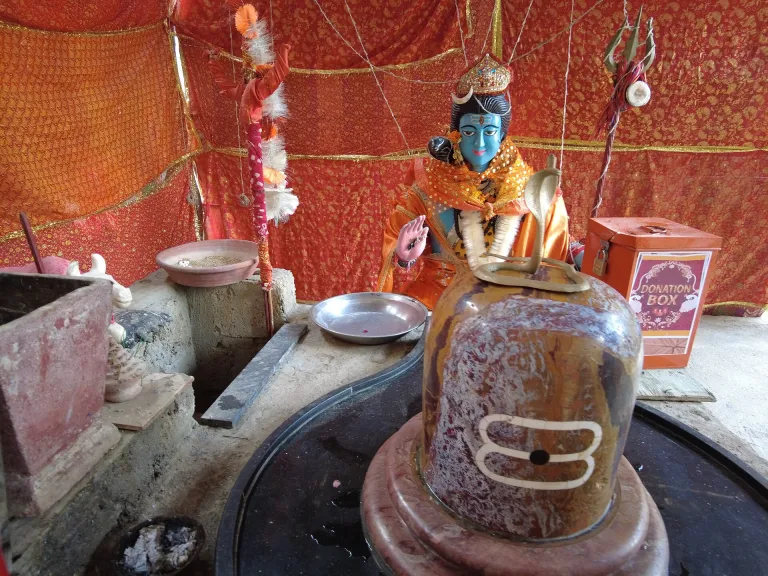 Hinglaj YatraA four-day Hindu pilgrimage held each April at the Hinglaj Mata cave temple, launched in its present form in 1988 (Arab News, 2019).
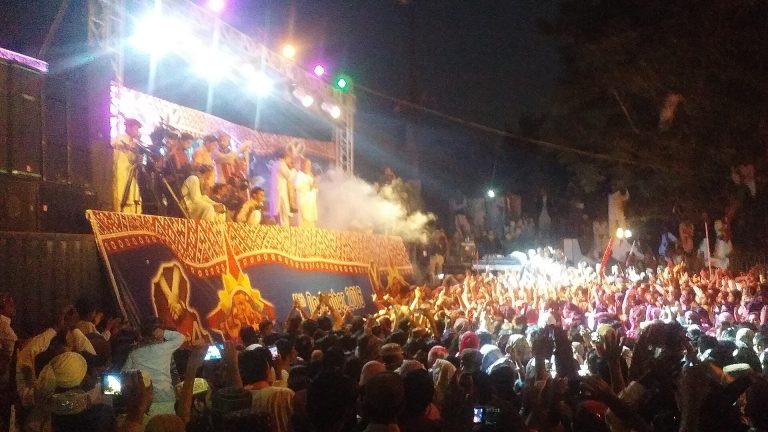 Sindhi Cultural DayCelebrated in December with ajrak and Sindhi caps, music and gatherings in Karachi, Hyderabad and across Sindh.
The Urs of Major Shrines
An urs marks the death anniversary of a Sufi saint, and each follows the Islamic lunar calendar, so it moves through the seasons. Recurring tradition for all of the following.
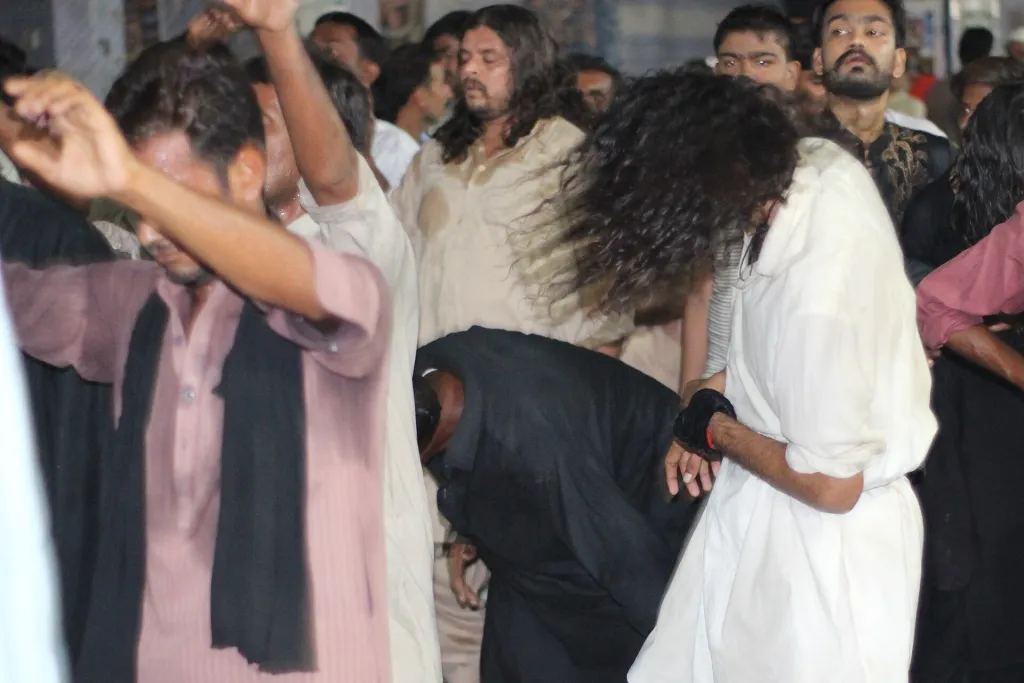
- Lal Shahbaz Qalandar, Sehwan. A three-day urs around the 18th of Shaban, with dhamal, a devotional dance, as dusk falls. Dawn reported in March 2023 that the event officially begins on a Saturday but starts on the Friday evening after Maghrib, and that it was suspended in 2020 and 2021 during the pandemic.
- Data Ganj Bakhsh, Lahore. A three-day urs. Dawn reported that the 975th annual urs began on 28 October 2018, confirming that dates shift through the year.
- Shah Hussain, Lahore. The three-day Mela Chiraghan at his shrine in Baghbanpura, once Punjab's largest festival (Wikipedia).
- Others include Baba Farid in Pakpattan, Shah Rukn-e-Alam in Multan and Bulleh Shah in Kasur; see Sufi shrines.
Large gatherings bring heavy security and sometimes road closures. Dress modestly, expect crowds, and check local guidance.
Planning Around the Calendar
Lunar dates
Confirm shortly before
Eid, Muharram and urs dates depend on moon sighting; official confirmation may come only the evening before.
Eid rush
Book early
Intercity transport fills quickly before Eid; plan around the holiday.
Mountain festivals
Snow and season
Roads to Shandur and the Kalash valleys depend on snow and weather; confirm access before travelling.
Large gatherings
Local guidance
Check current advisories and local authority guidance for processions, urs and festivals.
Photography
Ask first
Ask before photographing people, especially women, mourners and devotees, and follow community rules in the Kalash valleys.
Frequently Asked Questions
Which Pakistani festivals fall on the same date every year?
National days such as Pakistan Day (23 March), Independence Day (14 August), Iqbal Day (9 November) and Quaid-e-Azam Day (25 December) fall on fixed Gregorian dates. Religious occasions follow the lunar calendar and move.
Why can't you give the 2027 dates?
Lunar dates depend on moon sighting and seasonal events are set by organisers. We list only dates that an official source has already confirmed for past editions.
Is Basant held every year now?
Not automatically. Kite flying remains banned in Punjab unless authorities notify specific days; Lahore's 6 to 8 February 2026 Basant was approved by a district notification in December 2025.
Can visitors attend the Kalasha festivals?
Visitors are welcome at public festival days but not at every rite. Follow the community's guidance, ask before photographing, and book accommodation early because Chilam Joshi is a popular time.
What is an urs?
The death anniversary of a Sufi saint, marked with prayers, qawwali and communal meals. It follows the lunar calendar, so its season changes from year to year.
Keep Exploring
Related places and stories on DailyLife.pk
 Shandur PassPlan a Shandur Pass trip: the Shandur Polo Festival, Shandur Lake, routes from Chitral and Gilgit
 Kalash ValleysVisit the Kalash valleys respectfully: Bumburet, Rumbur and Birir, Chilam Joshi, Uchal and Chawmos festivals
 Festivals of PakistanA guide to Pakistan's festivals: the two Eids, Muharram, urs of Sufi saints, Shandur Polo
 Public Holidays in PakistanPakistan public holidays 2026: fixed national days plus Eid
 Eid-ul-Fitr and Chand Raat in PakistanEid-ul-Fitr in Pakistan: Ruet-e-Hilal moon sighting, Chand Raat bazaars, bangles and mehndi, Eid prayers, eidi
 Eid-ul-Adha and QurbaniEid-ul-Adha in Pakistan: qurbani customs and rules, cattle mandis, sharing the meat, Eid dishes
How we know this
- Type Historical & cultural research
- Sources 14 (1 official/academic)
- Reviewed October 2026
- Disputed points None
14 sources
- Public holidays in Pakistan, Wikipedia
- Independence Day (Pakistan), Wikipedia
- Basant in Lahore 2026, Dawn
- Ashura observed across Pakistan amid strict security, Aaj News
- Visitors flock to northern Pakistan for polo tournament at world's highest ground, Arab News Pakistan
- Chilam Joshi festival report (12-14 May 2024), Dawn
- Sibi Mela, Wikipedia
- Sardar Kohyar Domki inaugurates Sibi Mela 2025, APP
- Lok Virsa Mela: a celebration of Pakistan's cultural diversity, Lok Virsa
- Jashan-e-Baharan Spring Festival 2023, Punjab Information Technology Board
- Festivals in Lahore, Wikipedia
- Footprints: Qalandar's pull (Sehwan urs), Dawn
- Data Ganj Bakhsh's 975th annual urs begins in Lahore, Dawn
- Thousands of pilgrims throng Hinglaj for Pakistan's largest Hindu festival, Arab News Pakistan
Photo credits (12)
- Basant-01.jpg, Haseeb Ahmad Farooqi, CC BY-SA 4.0, via Wikimedia Commons
- Chilam Joshi Festival in Kalash Valley.jpg, Omer Imran, CC BY-SA 4.0, via Wikimedia Commons
- Spiritual Dance at the Tomb of Lal Shahbaz Qalandar called "Dhamal".jpg, Naeemcanon, CC BY-SA 4.0, via Wikimedia Commons
- The Badshahi in all its glory during the Eid Prayers.JPG, Bilalhassan88, CC BY-SA 3.0, via Wikimedia Commons
- Independence fireworks at Minar-e-Pakistan..jpg, Saad.scorpio001, CC BY-SA 4.0, via Wikimedia Commons
- Gaddafi Stadium at Night.jpg, Younisjunejo, CC BY-SA 4.0, via Wikimedia Commons
- Hinglaj Mata Nani Mandir.jpg, Mhtoori, CC BY-SA 4.0, via Wikimedia Commons
- Child flying kite at Shahi Qila - Flickr.jpg, Guilhem Vellut from Annecy, France, CC BY 2.0, via Wikimedia Commons
- (Lok Virsa Museum) Islamabad )By @ibneazhar (5).JPG, Ibnazhar, CC BY-SA 3.0, via Wikimedia Commons
- Shandur Polo festival 2016.jpg, Ijlalahmed, CC BY-SA 4.0, via Wikimedia Commons
- Sibi-mela.jpg, Awazsibi, CC BY-SA 4.0, via Wikimedia Commons
- Sindhi Cultural Day 2016.jpg, Jogi don, CC BY-SA 4.0, via Wikimedia Commons
