
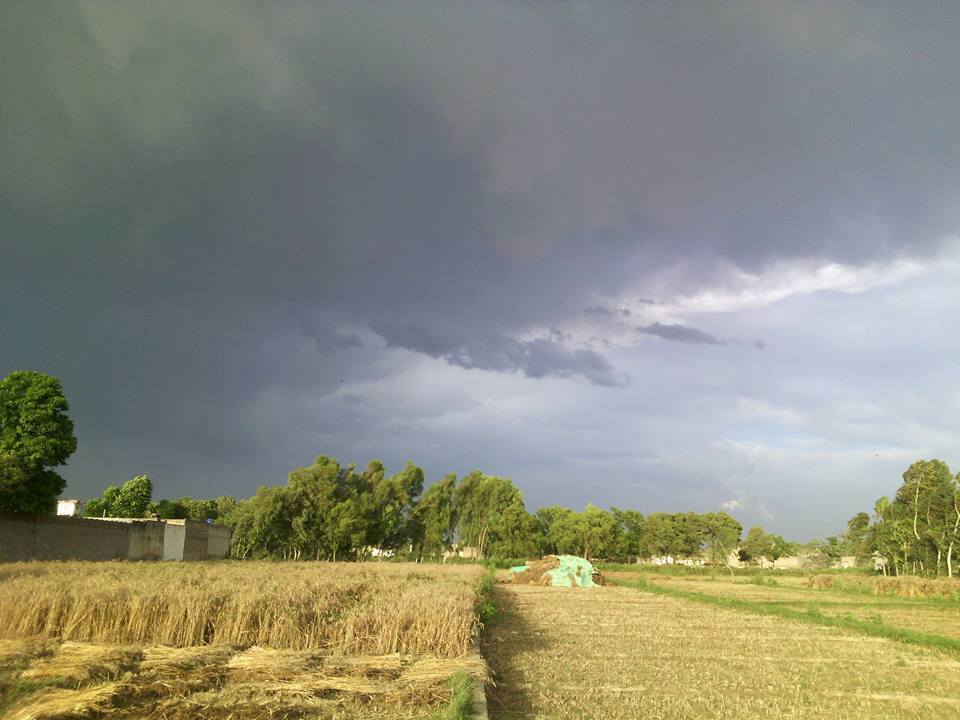
City guide
Shabqadar: Fort Town below the Mohmand Hills
A tehsil town of Charsadda District north of Peshawar, grown up around a 19th-century frontier fort and its busy bazaar.
- Charsadda District
- About 28 km north of Peshawar
- Fort of 1837
Charsadda District, Khyber Pakhtunkhwa
Shabqadar at a Glance
About Shabqadar
Shabqadar lies about 28 km north of Peshawar in Charsadda District, at the edge of the Peshawar plain where it meets the Mohmand hills. It is the headquarters of Shabqadar Tehsil, and the 2023 Census counted 102,340 people. The population is Pashto-speaking and mostly Muslim, with a small Christian community and a sizeable Afghan population.
The town grew around Shabqadar Fort, a mud-and-stone fort designed in 1837 by Tota Ram during Sikh rule in Peshawar. Under the British it became a key frontier post: tribesmen attacked it during the Frontier Revolt of 1897, the young Winston Churchill stayed here during his North-West Frontier service, and on 15 November 1916 a skirmish at Shabqadar saw British authorities use aircraft in regional warfare for the first time. Today the fort is used by the Frontier Constabulary for training.
Modern Shabqadar is a market and education centre for the surrounding villages, with a lively bazaar and degree colleges for men and women.
Places to Visit
 Shabqadar FortThe 1837 frontier fort that gave the town its importance. It is in active use by the Frontier Constabulary, so view it from outside and do not photograph without permission.
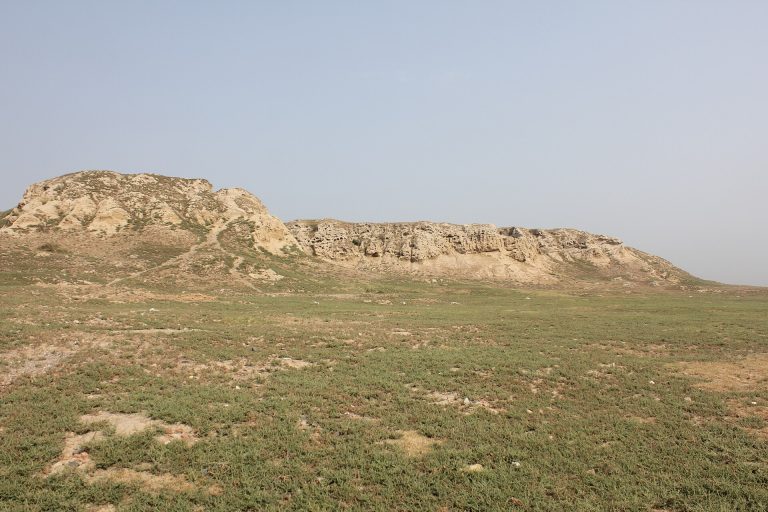 Charsadda and PushkalavatiIn nearby Charsadda, the great Bala Hisar mound marks ancient Pushkalavati, an early capital of Gandhara.
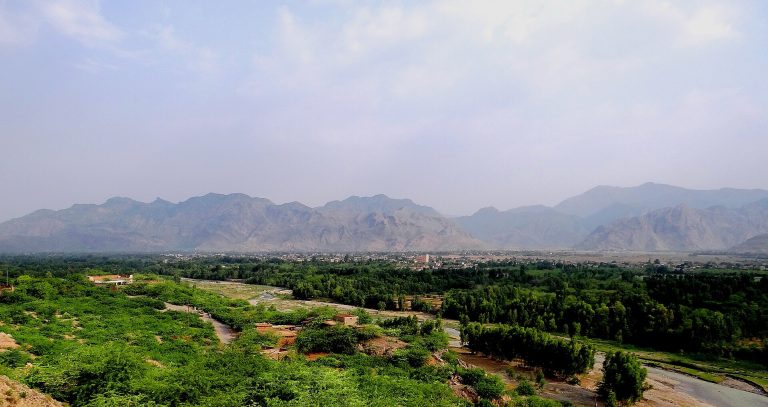
 The Peshawar valley riversThe Swat and Kabul rivers water the fertile farmland of Charsadda District around the town.
 PeshawarThe ancient frontier city, with Qissa Khwani Bazaar, Sethi House and the Peshawar Museum, is under an hour away.
A Short History
1837
Fort built
Shabqadar Fort is designed by Tota Ram under Sikh rule.
1849
British rule
The Peshawar valley passes to the British after the Anglo-Sikh wars.
1897
Frontier Revolt
Tribesmen attack the British-held fort.
15 Nov 1916
Air power
A skirmish at Shabqadar sees the first British use of aircraft in regional warfare.
2023
Census
Shabqadar counts 102,340 people.
Getting There & Around
Nearest airport
Peshawar
Bacha Khan International Airport in Peshawar is the nearest; check current flights.
By road
From Peshawar
Shabqadar is about 28 km north of Peshawar by road; Charsadda is close by.
By rail
Peshawar
Peshawar is the nearest major railway station.
Locally
Vans and rickshaws
Minibuses and rickshaws link Shabqadar with Charsadda and Peshawar.
Shabqadar is close to the former tribal areas. Check current advisories and local authority guidance before travelling beyond the town.
Explore Shabqadar by Category

Frequently Asked Questions
How far is Shabqadar from Peshawar?
About 28 km to the north.
Who built Shabqadar Fort?
It was designed in 1837 by Tota Ram during Sikh rule; the British later garrisoned it as a frontier post.
Can visitors enter Shabqadar Fort?
It is used by the Frontier Constabulary, so access is restricted; view it from outside.
What is the population of Shabqadar?
102,340 in the 2023 Census.
Keep Exploring
Related places and stories on DailyLife.pk
 Swat ValleyPlan a trip to Swat Valley: Kalam, Mahodand Lake, Malam Jabba
 TaxilaVisit Taxila: Dharmarajika stupa, Jaulian monastery, Sirkap and Taxila Museum.PeshawarPeshawar city guide: Qissa Khwani Bazaar, Mahabat Khan Mosque, Sethi House, Peshawar Museum, Pashtun food
 MardanMardan city guide: Takht-i-Bahi, Shahbazgarhi's Ashoka edicts, the Guides Memorial, local food
 KohatKohat city guide: the Kohat Pass and tunnel, Tanda Dam wetland, guava orchardsThe British Colonial EraBritish rule in Pakistan 1843–1947: conquest of Sindh and Punjab, the North-West Frontier, railways, canal colonies
How we know this
- Type Place guide
- Sources 5 (1 official/academic)
- Reviewed October 2026
- Disputed points None
5 sources
- 7th Population and Housing Census 2023 – results portal (archived), Pakistan Bureau of Statistics
- Shabqadar, Wikipedia (background; census figures cited from PBS)
- Shabqadar Fort: Even an earthquake couldn't free chained gates, The Express Tribune
- Facelift: Frontier Constabulary starts reconstruction of Shabqadar Fort, The Express Tribune
- Shabqadar lacks basic facilities for people, Dawn
Photo credits (6)
- Kabul River.jpg, Abdul Samad khan sherwani, CC BY-SA 4.0, via Wikimedia Commons
- Charsadda KP Pakistan.jpg, Sohail.awkum, CC BY-SA 3.0, via Wikimedia Commons
- Bala Hisar - Charsadda - Northern Mound.JPG, Muhammad Zahir, CC BY-SA 3.0, via Wikimedia Commons
- Lahore High Court Building.jpg, MariyamAftab, CC BY-SA 4.0, via Wikimedia Commons
- Indus River Skardu Pakistan.jpg, Akhtar Bashir Nigyaal, CC BY-SA 4.0, via Wikimedia Commons
- Sethial street - Sethi House Complex, Peshawar.jpg, Teseum, CC BY-SA 4.0, via Wikimedia Commons
