
City guide
Attock: Akbar's Fortress on the Indus
Once called Campbellpur, Attock guards the great Indus crossing between Punjab and Khyber Pakhtunkhwa, with a Mughal fort, historic bridges and the Kala Chitta hills nearby.
- North-west Punjab, east of the Indus
- Mughal fort of 1581–83
- Historic Indus crossing
- Best season: October–March
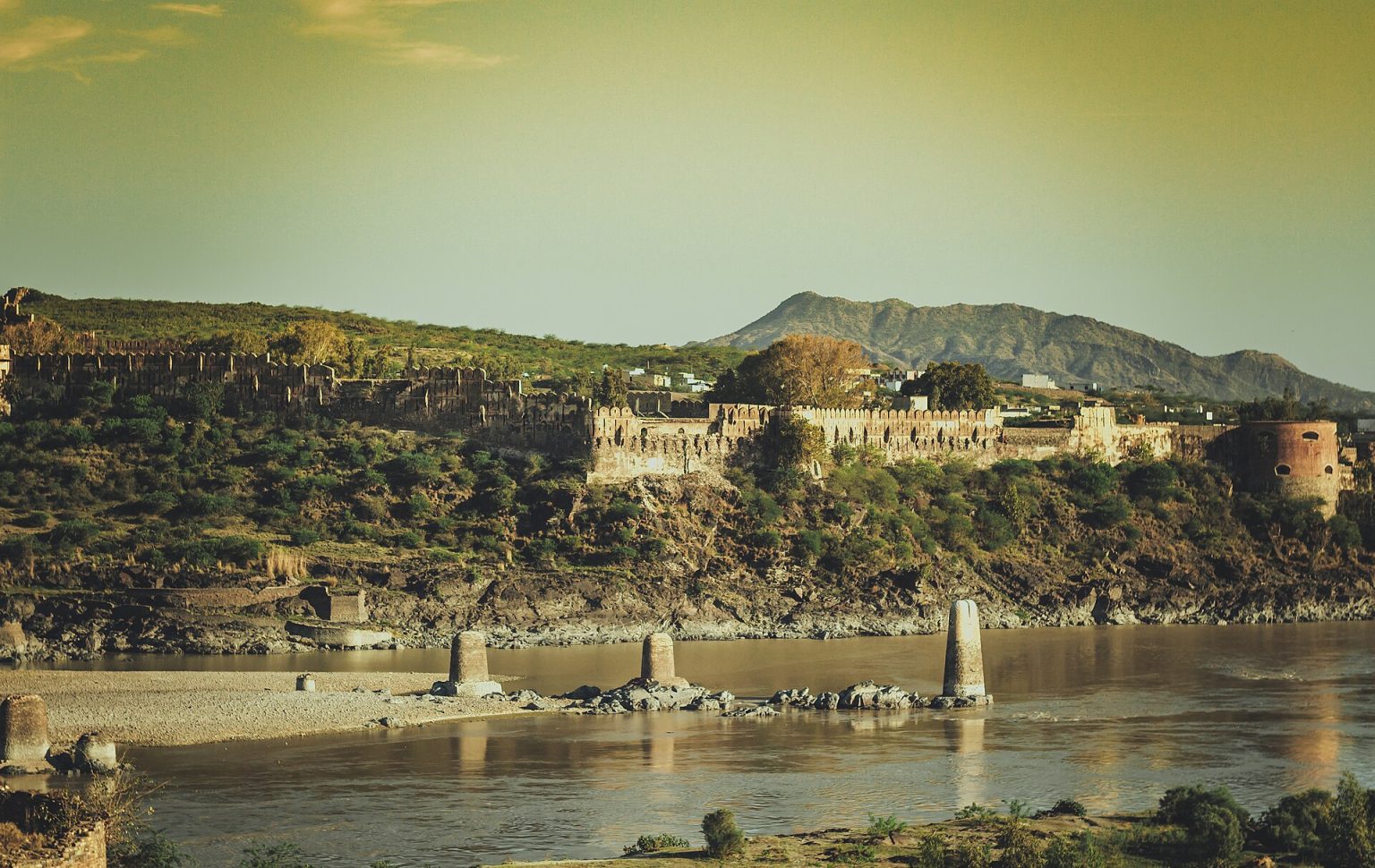
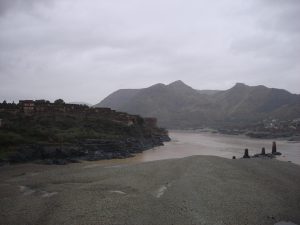
Attock Fort above the Indus, Attock Khurd
Attock at a Glance
About Attock
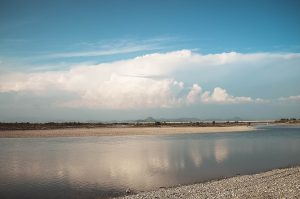
Attock sits on the Pothohar Plateau just east of the Indus, at the north-western corner of Punjab, about 80 km from Rawalpindi and 100 km from Peshawar. Two places share the name. The historic settlement of Attock Khurd, on the riverbank, grew up around the fort that the Mughal emperor Akbar built in 1581–83 to guard the Indus crossing. The modern district headquarters, nearby on the plateau, was laid out by the British in the early 20th century as Campbellpur, after Sir Colin Campbell, and took back the old name Attock in 1978.
The 2023 Census counted 176,544 people in Attock city (including Attock Cantonment) and 2,170,423 in Attock District, which covers 6,857 km² and stretches from the Kala Chitta hills to the Indus at Ghazi-Barotha. Hassan Abdal, Fateh Jang and Pindi Gheb are among its towns, and the Pakistan Aeronautical Complex at Kamra lies about 10 km from Attock city.
The district also has a place in Pakistan's industrial history: oil was first struck at Khaur in 1915, giving rise to the Attock Oil Company, a name still carried by Pakistani energy firms. Today Attock is a quiet, green town best visited for the views of the river, the fort walls and the drive along the Indus.
For four centuries, whoever held the crossing at Attock held the road to Kabul.
Things to See around Attock
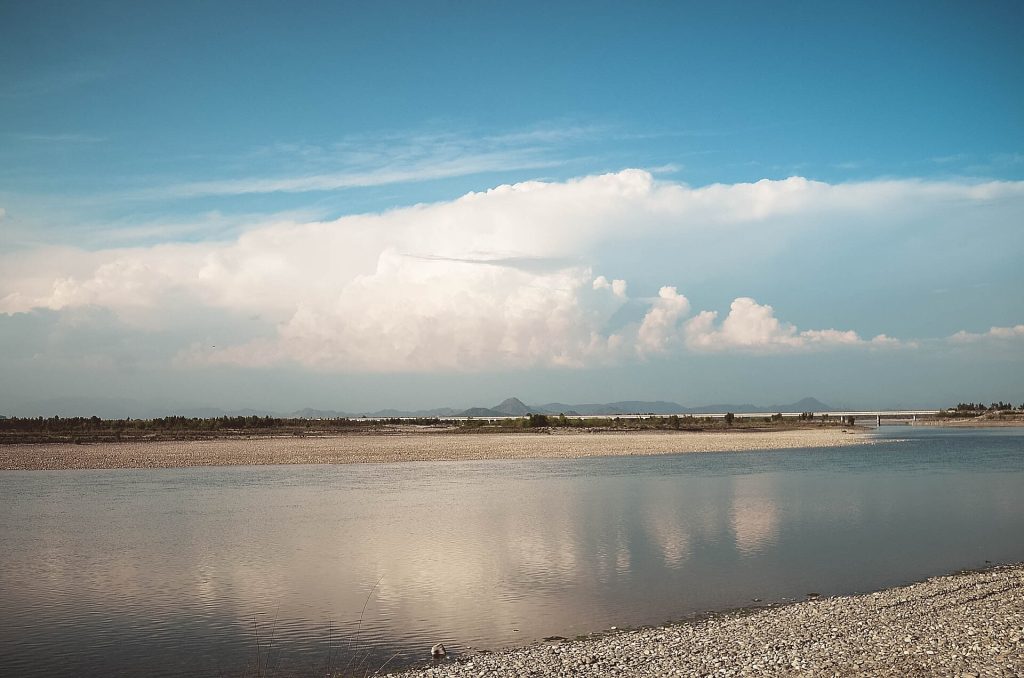
Mughal walls, a two-storey bridge and wild hills.
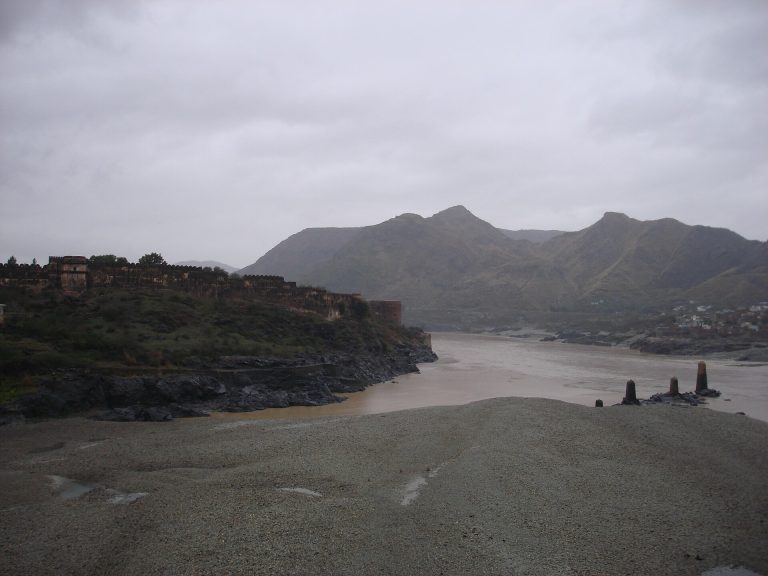 Attock FortBuilt in 1581–83 under the supervision of Khawaja Shamsuddin Khawafi to protect the Indus crossing. It has been held by the army's Special Services Group since 1956, so visitors can view its walls only from outside.
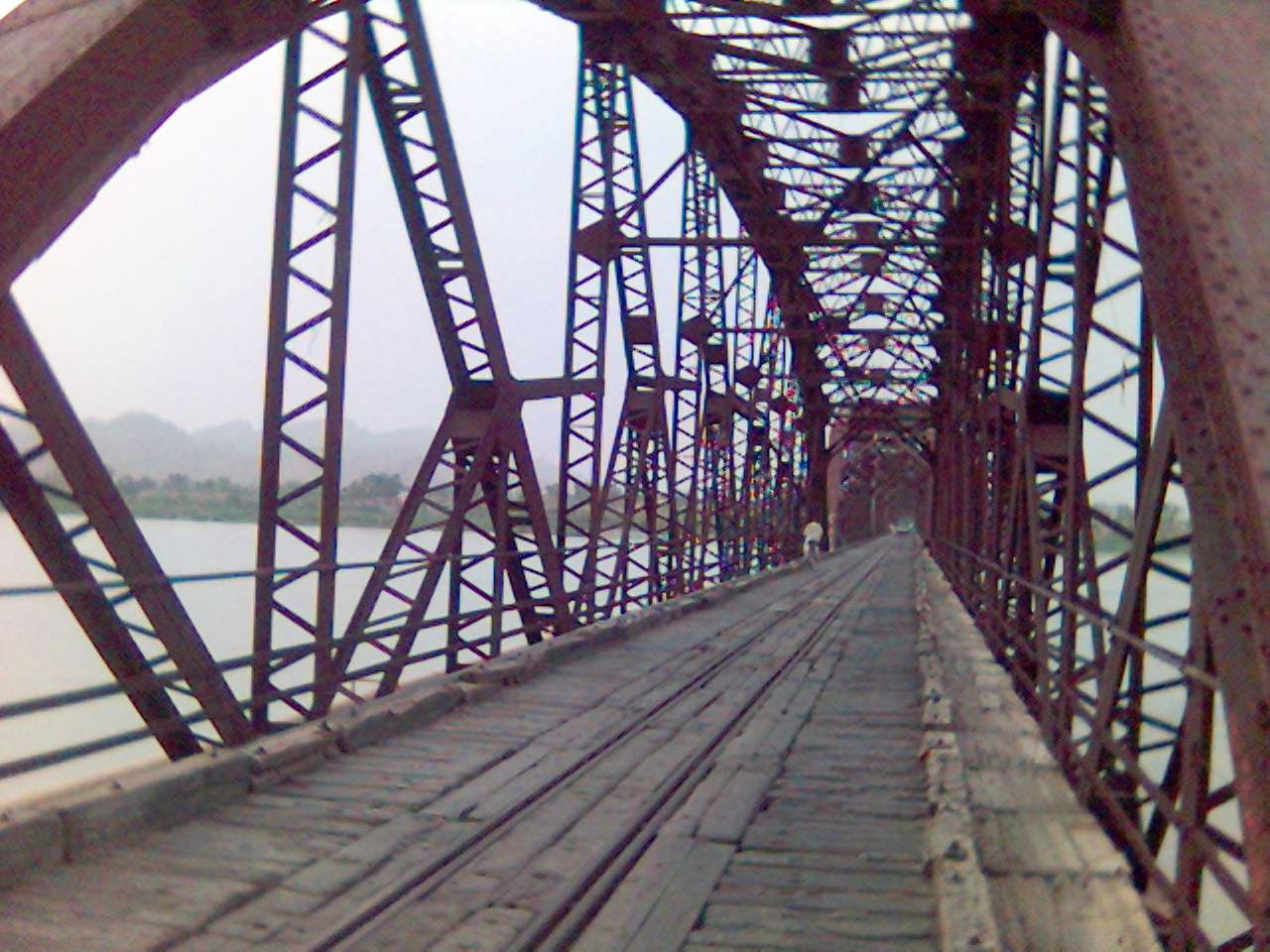
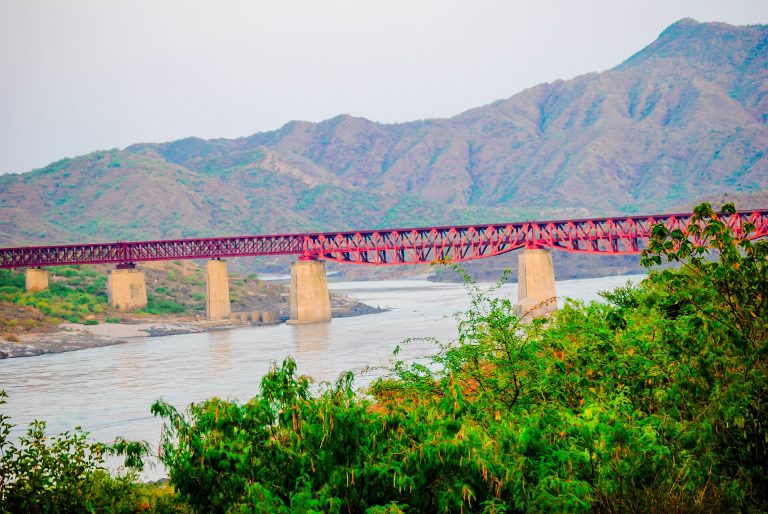 Old Attock BridgeA two-level bridge over the Indus between Attock Khurd and Khairabad, with rail on the upper deck and road below. Road traffic moved to a new bridge in 1979; trains still cross the old one.
 Kala Chitta National ParkEstablished in 2009 and covering 91,343 acres of the Kala Chitta Range, named from the Punjabi for 'black' and 'white', with scrub forest and wildlife.
 Hassan AbdalA historic town in the district with the Mughal-era tomb built by Akbar's minister Khawaja Shamsuddin, where two royal physicians were buried in 1597, and Gurdwara Panja Sahib, a major Sikh pilgrimage site.
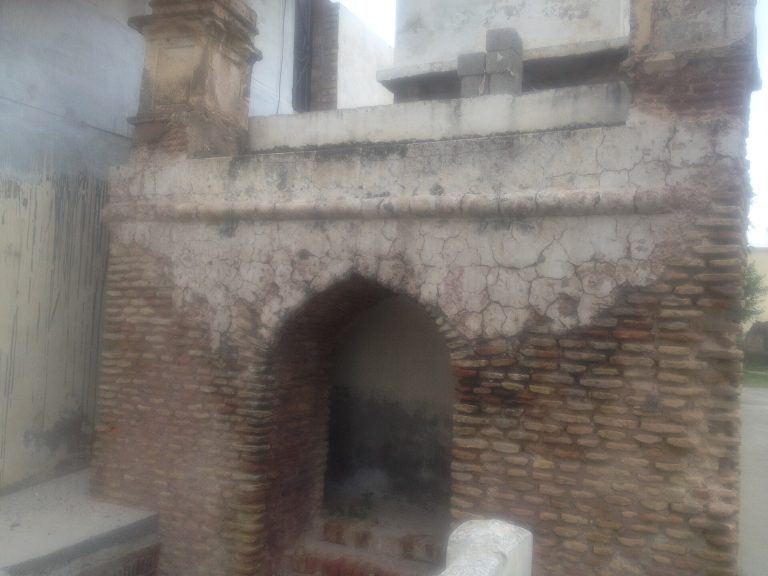 Hattian stepwellAn old baoli (stepwell) at Hattian, one of several water structures that once served travellers in the district.
Food
Where Punjab meets Pashtun cooking.
 Chapli kebabBeing so close to Khyber Pakhtunkhwa, the flat, spiced chapli kebab is as common here as Punjabi karahi.
 Karahi and tikkaRoadside restaurants on the Peshawar road and GT Road serve karahi, tikka and naan.
 Green tea and doodh pattiKahwa from the Pashtun side and milky Punjabi chai are both on offer.

A Short History of Attock
1581–1583
Akbar's fort
Akbar orders a fort on the Indus at Attock to secure the crossing; Khawaja Shamsuddin Khawafi supervises the work.
1597
Royal physicians buried
Two of Akbar's hakims are buried in the tomb complex Khawaja Shamsuddin had built at Hassan Abdal.
1849
British rule
The East India Company takes Attock after the Second Anglo-Sikh War.
1857–58
Campbellpur Cantonment
The British establish a cantonment on the plateau.
1908
Campbellpur town
Foundations are laid for the town named after Sir Colin Campbell, later the district headquarters.
1915
Oil at Khaur
The first oil well is drilled at Khaur, leading to the Attock Oil Company.
1956
Special forces
Attock Fort is handed to the army's Special Services Group, which still holds it.
1978
Attock again
Campbellpur is renamed Attock.
1979
New bridge
A new road bridge over the Indus opens; the old bridge continues to carry trains.
Getting There and Around
By road
N-5 and M-1
The GT Road (N-5) crosses the Indus at Attock Khurd, and the Islamabad–Peshawar Motorway (M-1) runs through the district.
By rail
Attock City Junction
Attock City Junction and Attock Khurd stations lie on the line towards Peshawar. Check current services with Pakistan Railways.
By air
Islamabad International
Islamabad International Airport is the nearest major airport.
Local travel
Car or rickshaw
Rickshaws serve the town; hire a car for Attock Khurd, Hassan Abdal and Kala Chitta.
Plan Your Visit
Best time to visit
October to March
Mild days and cool nights; the river is at its most scenic in clear winter light.
Weather
Hot summers
Summers on the plateau and in the Indus gorge are very hot.
Restricted areas
Fort and cantonment
Attock Fort and nearby military areas are off-limits; do not photograph installations and follow guards' instructions.
Where to stay
Attock or Islamabad
Attock has modest hotels; many visitors make a day trip from Islamabad or Rawalpindi.
Attock Through Time
Every dated moment our guides record about Attock, from its own history and from national events that touched it. Each entry links to its source page.
- May 1857 – 1858
The War of 1857 in Punjab, Sindh and the Frontier
The uprising of 1857 against the East India Company reached the lands that are now Pakistan through mutinies and disarmings in Peshawar, Mardan, Jhelum, Sialkot and Karachi, and through rural risings in the Ravi country around Gogera and in the hills near Murree. The Company…
- 18–19 May 1857
Unrest at Nowshera and Mardan
Officers report discontent in the 55th Bengal Native Infantry at Nowshera and Mardan; British troops are ordered to garrison Attock (Becher's report, 1858).
- 1883–1891
Bridges and frontier lines
The Attock Bridge spans the Indus (1883), the railway reaches Quetta (1887), the Lansdowne Bridge opens at Sukkur (1889) and the Khojak Tunnel is completed (1891).
- 1985
New district
Chakwal District is created from parts of Jhelum and Attock districts.
Do you remember Attock as it used to be? Share a memory or an old photo, our editors review every story before it appears.
Frequently Asked Questions
What is the population of Attock?
The 2023 Census counted 176,544 people in Attock city (including the cantonment) and 2,170,423 in Attock District.
Why was Attock called Campbellpur?
The modern town was founded by the British and named after Sir Colin Campbell. The government restored the historic name Attock in 1978.
Can I visit Attock Fort?
No. The fort has been a military base under the Special Services Group since 1956 and is closed to visitors, though its walls can be seen from the riverside and the bridges.
Who built Attock Fort?
It was built in 1581–83 on the orders of the Mughal emperor Akbar, under the supervision of his minister Khawaja Shamsuddin Khawafi.
Is Hassan Abdal in Attock District?
Yes. Hassan Abdal, home to Gurdwara Panja Sahib and a Mughal-era tomb complex, is one of the district's towns.
Keep Exploring
Related places and stories on DailyLife.pk
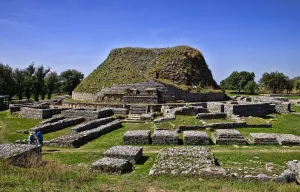
 TaxilaVisit Taxila: Dharmarajika stupa, Jaulian monastery, Sirkap and Taxila Museum.
 RawalpindiRawalpindi guide: Raja Bazaar, Saddar, the Army Museum, history from the Gakhars to 1959, food
 IslamabadIslamabad travel guide: Faisal Mosque, Pakistan Monument, Margalla Hills trails, Saidpur, markets, sectors, Metrobus
 PeshawarPeshawar city guide: Qissa Khwani Bazaar, Mahabat Khan Mosque, Sethi House, Peshawar Museum, Pashtun food
 ChakwalChakwal city guide: Kallar Kahar lake and Takht-e-Babri, Katas Raj Temples, Malot Fort, Salt Range lakes
 The Mughal EraThe Mughal Empire in Pakistan: Babur to Aurangzeb, Lahore Fort, Shalamar Gardens
How we know this
- Type Place guide
- Sources 6 (3 official/academic)
- Reviewed October 2026
- Disputed points None
6 sources
- Table 1: Area, population by sex, sex ratio, density, urban proportion: Punjab districts (Census 2023), Pakistan Bureau of Statistics
- Pakistan: Provinces and Major Cities: 2023 Census, City Population (Thomas Brinkhoff), from PBS data
- Important Places, District Attock, Government of the Punjab
- District Attock (Maqbara Attock), Government of the Punjab
- Attock Fort (overview used to locate primary sources), Wikipedia
- Attock (overview used to locate primary sources), Wikipedia
Photo credits (14)
- Attock Qila.jpg, Imkashi94, CC BY-SA 4.0, via Wikimedia Commons
- Attock Fort in 2007.JPG, Lord Mountbatten, Public domain, via Wikimedia Commons
- Indus River- Attock (49819614891).jpg, The MJ Productions, CC BY 2.0, via Wikimedia Commons
- Attock Train Brigde.jpg, Prince Waqar Jalbai, CC BY-SA 4.0, via Wikimedia Commons
- Attock Bridge.jpg, M.sohailtariq, CC BY-SA 3.0, via Wikimedia Commons
- Saidhan Baoly, Hattaian , Attock 4.jpg, Jbukhari, CC BY-SA 3.0, via Wikimedia Commons
- Chapli Kebab.jpg, Murcotipton, CC BY-SA 3.0, via Wikimedia Commons
- Chicken Karahi in Pakistan.jpg, Kskhh, CC BY-SA 4.0, via Wikimedia Commons
- Doodh Patti Chai.JPG, Miansari66, CC0, via Wikimedia Commons
- Lukpe Lao or popularly known as Snow Lake , is a glacial basin which located at the confluence of Biafo and Hispar glacier in Central Karakoram National Park.jpg, Vasiq Eqbal, CC BY-SA 4.0, via Wikimedia Commons
- Hazuri Bagh Baradari with Lahore Fort in the background.jpg, Drdolittle13, CC BY-SA 3.0, via Wikimedia Commons
- Dharmarajika stupa,Taxila.jpg, Sasha Isachenko, CC BY-SA 3.0, via Wikimedia Commons
- Sethial street - Sethi House Complex, Peshawar.jpg, Teseum, CC BY-SA 4.0, via Wikimedia Commons
- Faisal Mosque, Islamabad III.jpg, Fassifarooq, CC BY-SA 4.0, via Wikimedia Commons
