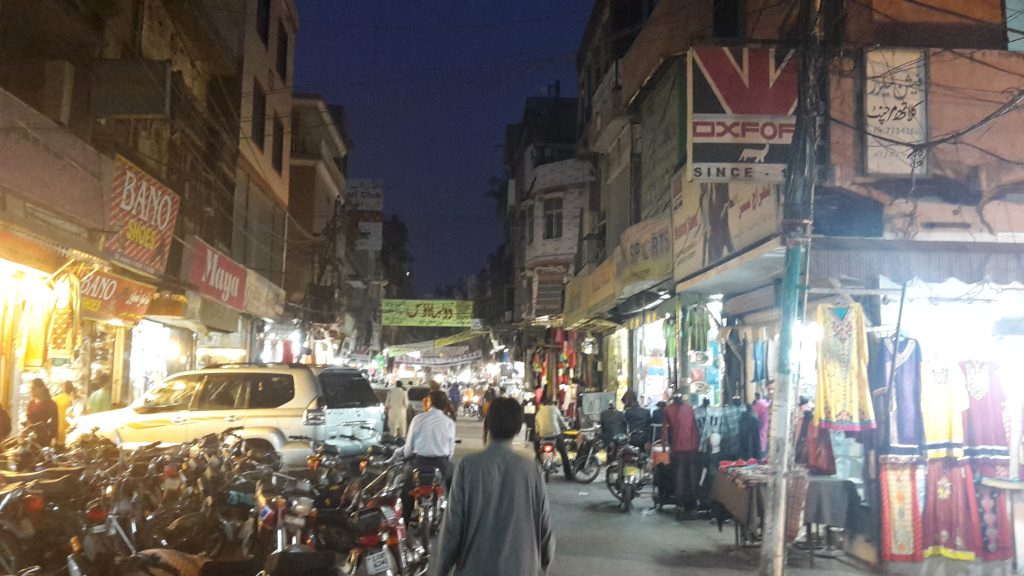
Anarkali Bazaar in Lahore

Culture & Style

Shopping for Pakistani Clothes: Lawn SeasonBrands, Markets and Tailoring

How lawn season works, where people actually buy, and how to avoid the usual mistakes with unstitched fabric.

Mid-February to mid-April launchesSeason
Lawn, a light cottonKey fabric
Anarkali (Lahore), Zainab Market (Karachi)Classic markets
Unstitched three-piece suitTypical purchase

The Quick Answer

Lawn is a fine, lightweight cotton cloth that Pakistani women wear through the hot months, usually as a three-piece suit made of a shirt, trousers and a dupatta. Brands release new printed collections every year, traditionally around February, and the buying frenzy runs until roughly mid-April. Most people buy the fabric unstitched and take it to a tailor, although stitched (ready-to-wear) lawn is now common too.

You can buy from brand stores and their websites, from lawn exhibitions, and from older bazaars such as the textile markets of Lahore and Karachi. If you only remember three things: check the fabric by touch before buying, confirm what is actually in the suit (shirt, trouser and dupatta lengths differ), and book your tailor early because the season is busy.

What Lawn Actually Is

Lawn is a plain-weave fabric that is fine, light and slightly crisp. Traditionally it is made from finely combed cotton, and the word originally referred to linen. It sits between voile and organza in feel: crisper than voile, softer than organza. Because it is breathable, it became the standard summer cloth in warm climates and grew popular in the subcontinent during British rule.

In Pakistan lawn is not a single product but a whole retail category. It can be printed, dyed or embroidered, and the quality depends on the thread count, the printing and the finishing. A good lawn feels smooth and soft after the first wash. A poor one feels thin, can be semi-transparent and wrinkles badly. One honest complaint that fashion writers have repeated for years is that some lawn is simply too sheer, so hold the cloth up to the light before you commit.

The traditional outfit lawn belongs to

The shalwar kameez is Pakistan's national dress. The shalwar is a pair of trousers that is wide at the waist and gathered at the ankle, the kameez is a long shirt with open side seams, and the dupatta is a long scarf, typically about two to two and a half metres long. Lawn suits follow this pattern, though the cut of modern shirts and trousers keeps changing. For regional dress traditions see our guide to traditional dress in Pakistan.

How Lawn Season Works

New lawn designs are typically released each February. Fashion writing in the national press describes the period from mid-February to mid-April as the time when lawn dominates Pakistani fashion. Brands launch collections in stages, sometimes online first, then in stores, then at exhibitions. A large manufacturer may announce a launch date on its own website and social media a few days earlier, so follow the brands you like if you want first pick.

The reason for the rush is simple: popular prints can sell out, and sometimes buyers pay more later on resale. Press commentary has also pointed out that a "sold out" message can be a real shortage or partly a marketing tactic, so do not panic-buy a print you only half like.

Before and after the main launch

Collections are often split into a few drops. Early drops tend to have the full range of colours and sizes of print. Later drops, and end-of-season sales, are where you find leftovers at lower prices. If you are flexible about colour, waiting can save money. If you have a specific design in mind for a wedding or event, buy early.

Lawn launches come just before the spring and summer events described in our guides to Pakistan Day on 23 March and Independence Day on 14 August, when many people buy new outfits. Eid shopping has its own rhythm, covered in our Eid ul Fitr and Chand Raat guide.

Brands You Will Hear About

Pakistani lawn is sold by textile mills, fashion houses and designer collaborations. The table below lists names that Pakistani press coverage has repeatedly associated with lawn. It is a starting point, not a ranking, and each brand changes its range every season.

BrandWhat it is known forWhere it usually sells
Gul AhmedA large textile manufacturer that describes itself as maker of "the original lawn" and has operated since 1953Own stores nationwide and its online shop
KhaadiBegan with ready-to-wear before moving into unstitched fabric; usually a moderate price rangeOwn stores and online
Al-KaramA mill brand whose lawn advertising the press has called playful and youthfulOwn stores and online
Sana SafinazA designer label seen as a premium name, which also works with millsOwn stores and online
Nishat LinenRetail brand with an annual printed lawn collection and its own campaignsOwn stores and online
Junaid JamshedRetail brand selling fabric and stitched wear, known for calligraphy-led advertisingOwn stores and online
Maria B.Started with ready-to-wear and later moved into unstitched fabricOwn stores and online

Unstitched or Stitched: Which to Buy

This is the first decision every buyer makes. Both are widely sold, and each suits a different kind of shopper.

Unstitched suit

You buy a pack of cloth, usually the shirt length, the trouser length and a dupatta, and take it to your tailor. This gives you control over fit, sleeves, neckline and length. Fashion writers have noted that unstitched fabric still carries the most prestige. The downside is time and the risk of a poor tailoring job.

Stitched (ready-to-wear)

You buy the finished shirt and trousers in standard sizes. It is faster and good for gifts or travel. The trade-off is that sizing varies between brands, and the choice of prints is usually narrower than the unstitched range. Always check each brand's size chart rather than assuming your usual size.

Pieces and cuts

Packs vary: some include only the shirt and trouser, others add a printed or plain dupatta, and some include embroidered neck or sleeve patches. Read the description and measure the lengths listed, because two suits at similar prices can contain very different amounts of cloth.

Where People Actually Shop

There are three main routes: brand outlets, exhibitions and traditional bazaars. Each works differently.

Brand stores and websites

Brand outlets have fixed prices, size charts and easy exchanges, and their sites let you compare prints. This is the least stressful option for first-time buyers, and the only realistic one if you live abroad.

Exhibitions

Lawn exhibitions, where many labels sell in one hall, are a long-running part of the season in big cities. Reporting has described them as crowded and often cash-only. Take cash in small notes, keep your bag secure, and do not accept "last piece" pressure.

Bazaars and markets

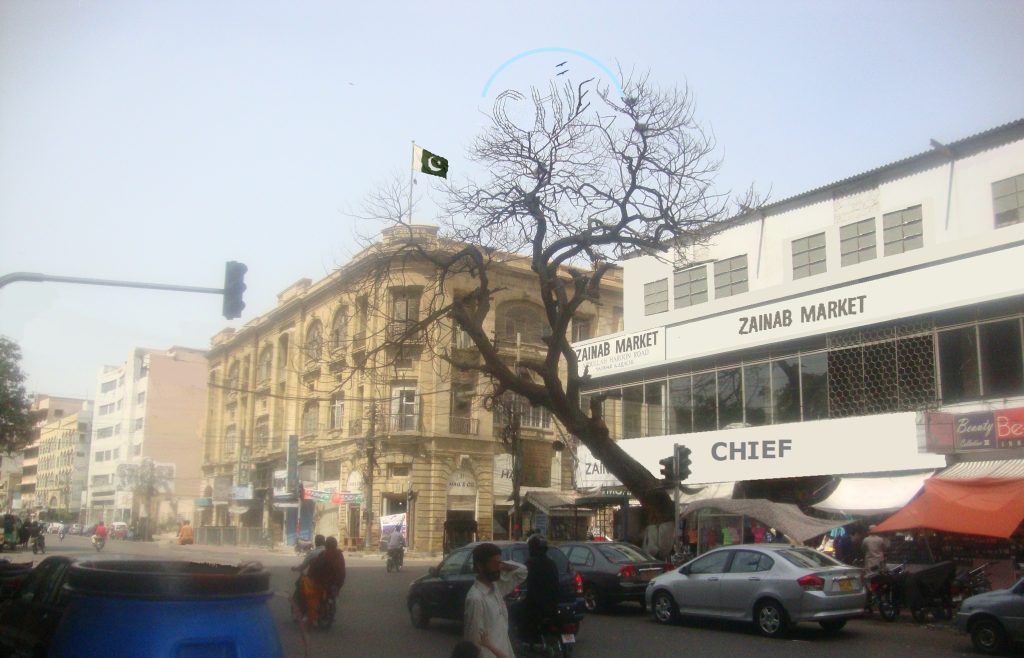
In Lahore, Anarkali Bazaar is among the oldest surviving markets in the subcontinent, with sellers of textiles, garments and jewellery. In Karachi, Zainab Market is a maze-like building from the British period selling clothing, jewellery and crafts. Bargaining is normal in traditional markets, and you will see more local and unbranded cloth there than in brand stores. See our city guides for Lahore and Karachi, and the wider shopping and souvenirs guide for visitors.

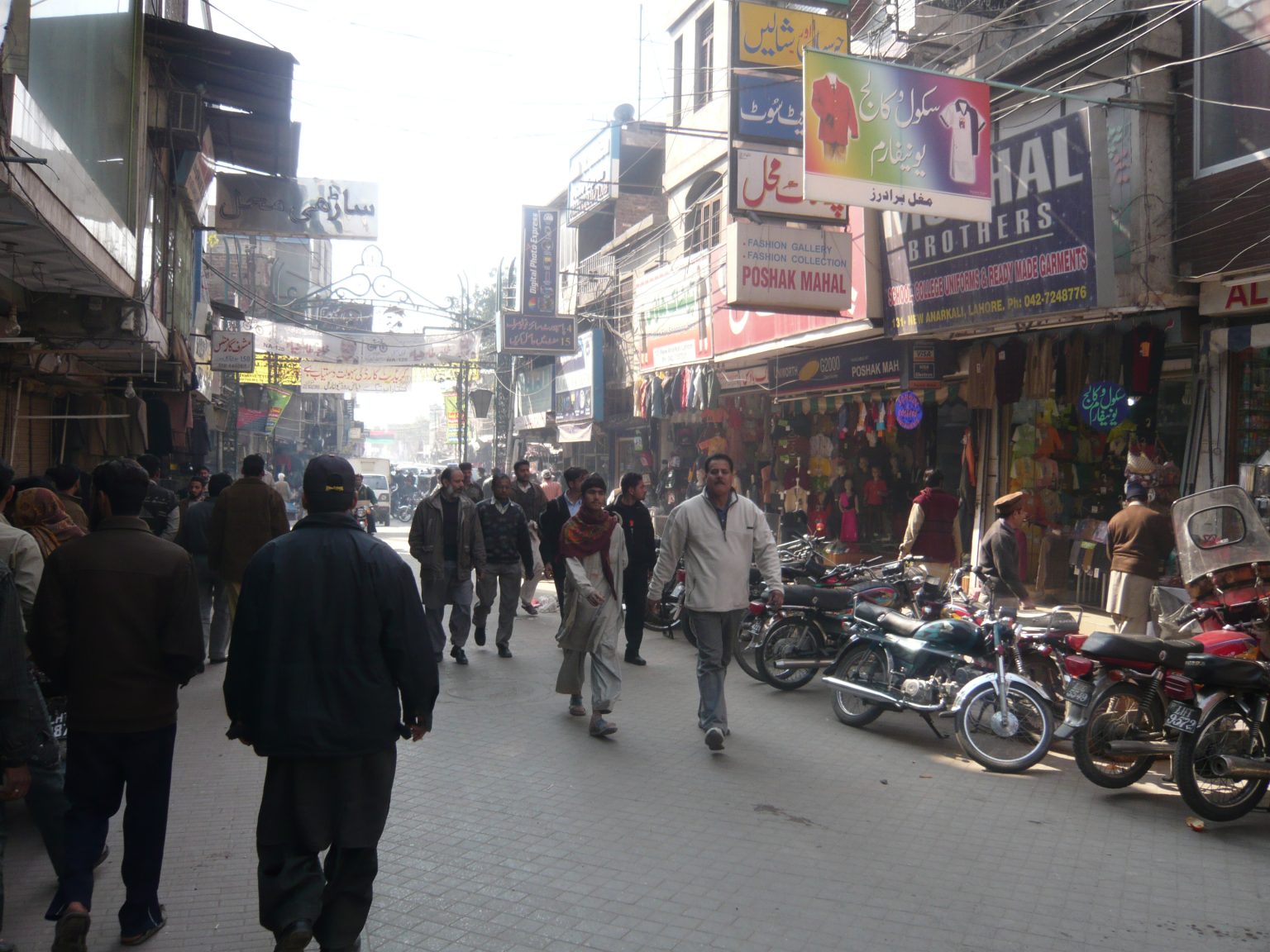
Inside Anarkali Bazaar, Lahore
A busy clothing bazaar in a Pakistani city.

How to Buy a Lawn Suit, Step by Step

  1. Set a budget first. Prices vary widely between a mill brand, a designer label and a bazaar seller, and they change every season. Check the current price on the brand's own site.
  2. Pick the occasion. Everyday office wear, a family function and a wedding call for different prints and levels of embroidery.
  3. Check what is in the pack. Confirm the lengths of the shirt, trouser and dupatta, and whether embroidery pieces are included.
  4. Judge the fabric. Rub it between your fingers, hold it to the light and check that the print is even. In a shop, ask to see an unfolded piece.
  5. Keep proof of purchase. Keep the receipt or order email in case of a defect.
  6. Plan your tailor. Book your tailor before you buy, because the busy weeks fill quickly.
  7. Wash a test piece if allowed. Many people wash the offcut or follow the care label to avoid colour running or shrinkage on the finished suit.

Many shops and brands now sell online and take card or wallet payments; see JazzCash vs Easypaisa and the Daraz seller guide for how online marketplaces work, and shopping and souvenirs for visitors.

Zainab Market in Karachi
Zainab Market in Karachi, a long-standing shopping area known for clothes and fabrics.

Working With a Tailor

Tailoring is where a good fabric is made or ruined. Ask friends or relatives for a recommendation, then look at work the tailor has already done on a similar fabric. Lawn is light and slippery, so it needs a tailor who is comfortable with it.

What to settle before you hand over the cloth

Agree the cut of the shirt, sleeve length, neckline, side slits and the style of trouser. Bring a photo of the design you want, or an old suit that fits well. Ask the tailor to measure the cloth in front of you, and to return any leftover fabric, which can be used for matching trims or a repair. Confirm the delivery date in advance, especially in the weeks before Eid, when most tailors are overloaded.

Fit and finishing

Ask for fitting before final stitching if the design is expensive. Check seams, hems, lining and the matching of prints at the front seam. Lawn wrinkles easily, so ask for a good press at delivery and follow the care label at home.

Copies, Fake Labels and Pressure Selling

Popular prints are often copied. Look-alike fabric may be sold in markets or on social media pages as the real brand. Check for the brand label or selvedge print, buy from the brand's own site or a verified stockist, and be cautious of pages that ask for payment before showing any physical shop or contact details.

Be careful with "exclusive" resale offers, too. If a print is sold out, an extra-high price from a private seller does not guarantee that the fabric is genuine.

Buying From Abroad and Shipping

Many brands run international online shops, and some have stores in the UK, the Gulf and North America. For overseas Pakistanis this is often the simplest way to buy, because prices, sizes and shipping are listed in one place. Compare the brand's international site with the Pakistan site, since the price and the range can differ.

Shipping time, delivery charges and customs duty depend on the destination country and the courier, so check the checkout page and your own country's customs rules before ordering. If you are visiting Pakistan, buying in person and carrying the suits home is the cheapest route, but airline baggage limits and customs rules apply. Pay by card on secure sites and keep screenshots of order confirmations. For payment options inside the country see banking and payments in Pakistan.

Winter and other fabrics

Lawn is a summer cloth. Brands also sell heavier winter ranges in thicker fabrics, usually launched in the autumn. If you are shopping in a different season, expect a very different range and a different tailoring approach.

Official Sources and Where to Get Help

Clothing shopping has no single regulator, but a few practical routes help if something goes wrong. Start with the brand's customer service on its website, quoting your order number. Keep chat or email evidence of what was promised. For online orders paid by card, your bank can advise on disputes for undelivered or wrongly described goods.

For background reading on the fabric and the dress tradition, see the sources listed below, and our own guides to textiles and clothing by region. Prices, collection dates and delivery rules change every season, so confirm them on the seller's official page before paying.

Checked October 2026. Brand ranges, prices and store lists change every season, so use each brand's own website for current details.

Frequently Asked Questions

When does lawn season start in Pakistan?

New lawn collections are typically released each February, and fashion coverage describes mid-February to mid-April as the peak buying period. Brands announce exact launch dates on their own sites.

What is the difference between lawn and cotton?

Lawn is a type of fine, lightweight cotton cloth with a smooth, slightly crisp feel. Other cottons can be heavier or coarser.

Should I buy unstitched or stitched lawn?

Unstitched gives you control over fit and design but needs a tailor and time. Stitched is faster, but check each brand's size chart as sizing differs.

Where can I buy lawn in Lahore and Karachi?

Options include brand outlets, seasonal exhibitions and traditional bazaars such as Anarkali Bazaar in Lahore and Zainab Market in Karachi.

How can I tell if lawn is good quality?

Hold it up to the light, feel it for smoothness and check that the print is even. Poor lawn can be too sheer and wrinkle heavily.

Can I buy Pakistani lawn from abroad?

Yes, many brands run international online shops. Delivery times, shipping charges and customs duty depend on your country, so check them at checkout.

Is bargaining normal when buying clothes?

In traditional bazaars bargaining is normal. Brand stores and brand websites usually have fixed prices.

How early should I book a tailor?

As early as you can, ideally before you buy the fabric. The weeks around the main lawn launches and before Eid are the busiest.

How we know this

  • Type Historical & cultural research
  • Sources 6
  • Reviewed October 2026
  • Disputed points None
6 sources
  1. https://en.wikipedia.org/wiki/Lawn_(fabric), Wikipedia (used to locate primary sources)
  2. https://en.wikipedia.org/wiki/Shalwar_kameez, Wikipedia (used to locate primary sources)
  3. https://en.wikipedia.org/wiki/Anarkali_Bazaar, Wikipedia (used to locate primary sources)
  4. https://en.wikipedia.org/wiki/Zainab_Market, Wikipedia (used to locate primary sources)
  5. https://www.dawn.com/news/1100945, Dawn
  6. https://aurora.dawn.com/news/1140922, Aurora, Dawn Media Group
Suggest a correction

Stay updated

Stay Connected with DailyLife.pk

Get new travel guides, recipes and stories from across Pakistan, no spam, unsubscribe any time.

Your Pakistan journey starts here

From majestic mountains to vibrant cities, rich cuisine to timeless traditions — discover the real Pakistan with DailyLife.pk.