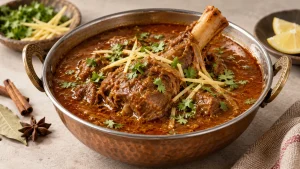
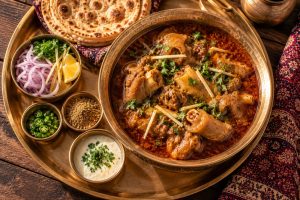
Mutton Paye
مٹن پائے
Covered stockpot low simmer
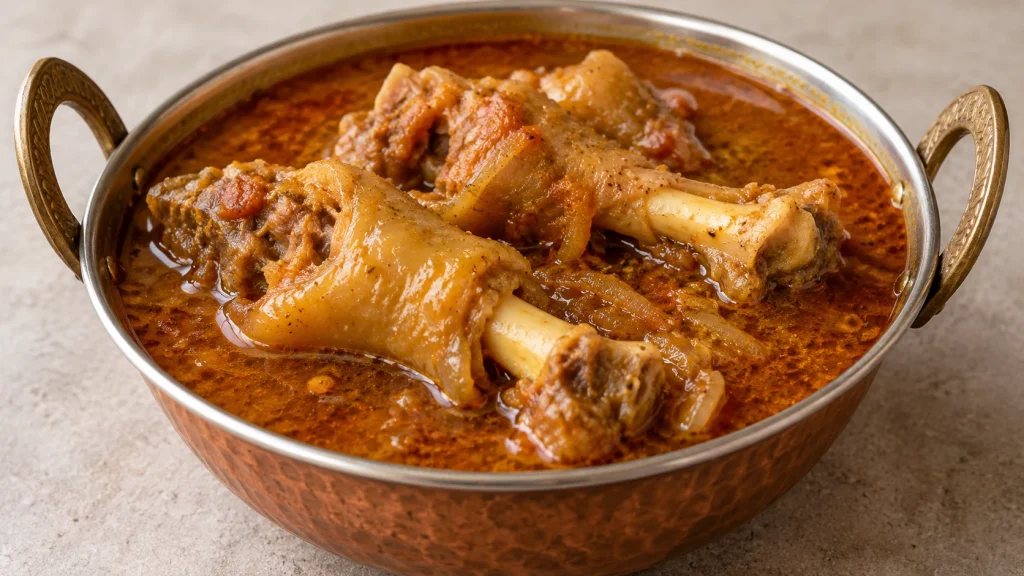
Pakistani goat- or sheep-trotter paye in a delicately spiced broth. This recipe uses goat trotters; sheep trotters vary in size, cooking time, fat and final yield.
One tablespoon = 15 ml; one teaspoon = 5 ml.
About Mutton Paye
Pakistani goat- or sheep-trotter paye in a delicately spiced broth. This recipe uses goat trotters; sheep trotters vary in size, cooking time, fat and final yield.
Personally cooked and tested by Zohair Fakhar for DailyLife.pk. Cooking times can vary with your stove, cookware and batch size; follow the texture and doneness cues in the method.
Make it work for your kitchen
Original quantities serve 6. Cooking times, pan size and frying-oil depth do not scale, cook in extra batches instead.
Before you start
Before you start
Weigh ingredients; obtain meat/trotters from a reputable butcher; keep chilled; separate raw meat tools from ready-to-eat garnishes. Prepare aromatic ingredients and an adequately sized pot.
Set up the equipment
Have the following tools ready before starting: Kitchen scale and measuring spoons; Large heavy-bottomed covered pot; Separate raw-meat utensils and cutting board; Food thermometer; Fine ladle and shallow storage containers.
Clean workspaceMeasure the ingredients
Measure the ingredient quantities for your selected servings before applying heat. Keep separately listed groups, such as dough, filling, sauce or garnish, in separate containers; keep any optional additions separate.
Use the ingredient list aboveCheck allergens and substitutions
Check ingredient labels and any substitutions against these notes: Milk if using ghee. Check packaged spices and all substitutions for allergens and cross-contact.
Before cooking
Step-by-step cooking method
1 Examine the cleaned goat trotters
Check professionally cleaned goat trotters, raw bone-in have been cleaned and singed by a butcher. Inspect cut surfaces for loose bone fragments and keep refrigerated until cooking.
2 Bring the trotters to a simmer
Combine professionally cleaned goat trotters, raw bone-in with water for simmering in a deep pot and bring to a full boil; skim impurities and lower to a gentle simmer.
3 Cook for tenderness
Keep trotters covered with liquid as needed; check tenderness and gelatin release instead of following the clock alone.
4 Brown onions and cook tomato
Heat 45 ml from neutral oil or ghee in a frying pan.
5 Brown onions and cook tomato (continued)
Cook thinly sliced onions until golden, about 12 minutes. Add ginger-garlic paste and fry 1 minute; add chopped tomatoes and cook until reduced, 8–10 minutes.
6 Toast spices briefly
Add ground fennel, black pepper, ground coriander, ground cumin, ground turmeric and red chilli powder to the masala; stir 30–45 seconds with a spoon of broth.
7 Unite the broth and masala
Add aromatic masala and salt to the pot. Simmer another 15–20 minutes, check for hard cartilage or stray bone fragments and adjust consistency.
8 Finish and portion carefully
Skim excessive floating fat; an optional 10 ml finishing oil is included in neutral oil or ghee.
Chef’s tips
- Start with professionally butchered, correctly cleaned meat and check for bone fragments.
- Keep a gentle simmer and adjust liquid by observation instead of overfilling.
- Skim or measure residual fat if nutrient estimates are needed.
Common mistakes & quick fixes
- Meat or connective tissue remains tough
- Continue a gentle covered simmer with sufficient liquid and check again.
- Gravy watery
- Uncover and reduce gradually; avoid aggressive boiling that dries meat.
- Too greasy
- Skim surface fat and record retained amounts; avoid assuming all measured oil is eaten.
Variations & serving ideas
Variation: Reduce red chilli without changing the food-safety method.
Variation: Serve with naan or rice separately; accompaniments are excluded from nutrition.
Variation: Different animals, bone cuts and household masalas require separate testing and cannot be silently substituted.
Perfect result check
| Check | Meat or trotter tissue is tender and safely cooked |
|---|---|
| Check | Gravy is savoury, cohesive and spoonable |
| Check | Inspect the trotters and serving broth for loose bone fragments before serving. |
Storage & reheating
| Cooling | Refrigerate promptly in shallow containers within 2 hours of cooking, or 1 hour above 32°C. | |
|---|---|---|
| Fridge | 3–4 days | Refrigerate at 4°C or below and use within 3–4 days; freeze longer storage portions. |
| Reheating | Reheat leftovers to 74°C (165°F); bring gravy to a rolling boil and stir thoroughly. |
Know when to change the heat
| Stage | Heat | What to look for |
|---|---|---|
| Examine the cleaned goat trotters | No heat | Use professionally cleaned and split trotters; inspect cut surfaces and keep raw utensils separate. |
| Bring the trotters to a simmer | High then low heat | Bring to a full boil, skim foam and reduce to a gentle simmer. |
| Cook for tenderness | Low heat | Keep enough liquid to prevent drying and continue until skin and connective tissue soften and release easily. |
| Brown onions and cook tomato | Medium heat | Onions should be golden, with tomato reduced to a pulpy coating if used. |
| Toast spices briefly | Low heat | Stir spices briefly over low heat, using a little broth to prevent scorching. |
| Unite the broth and masala | Low heat | Let masala and broth combine gently, then inspect for hard cartilage and loose bone fragments. |
| Finish and portion carefully | No heat | Skim excess surface fat, check hot consistency and portion carefully. |
Helpful answers before you cook
How do I know the trotters are tender enough?
The skin and connective tissue should soften and release easily rather than stay rubbery. The size and age of the animal affect the long simmer, so continue gently with enough liquid until tender. Inspect cut pieces and the serving broth carefully for loose bone fragments.
Why does the broth set when refrigerated?
Gelatin released during the long simmer can make the chilled broth set. Reheat while stirring and judge the consistency hot, adding a little water only if necessary. Heat leftovers throughout to 74°C/165°F before serving.
How will serving scaling work?
Ingredient weights may scale arithmetically, but pot capacity, oil depth, safe simmering time and liquid loss do not scale mechanically.