
Heritage trail
The Sikh Heritage Trail of Pakistan
From Guru Nanak's birthplace at Nankana Sahib to Kartarpur, Hasan Abdal and the Sikh-era monuments of Lahore: where the places of Sikh history stand, and how to visit them respectfully.
- Mostly Punjab
- Active places of worship
- Major gatherings in April and November
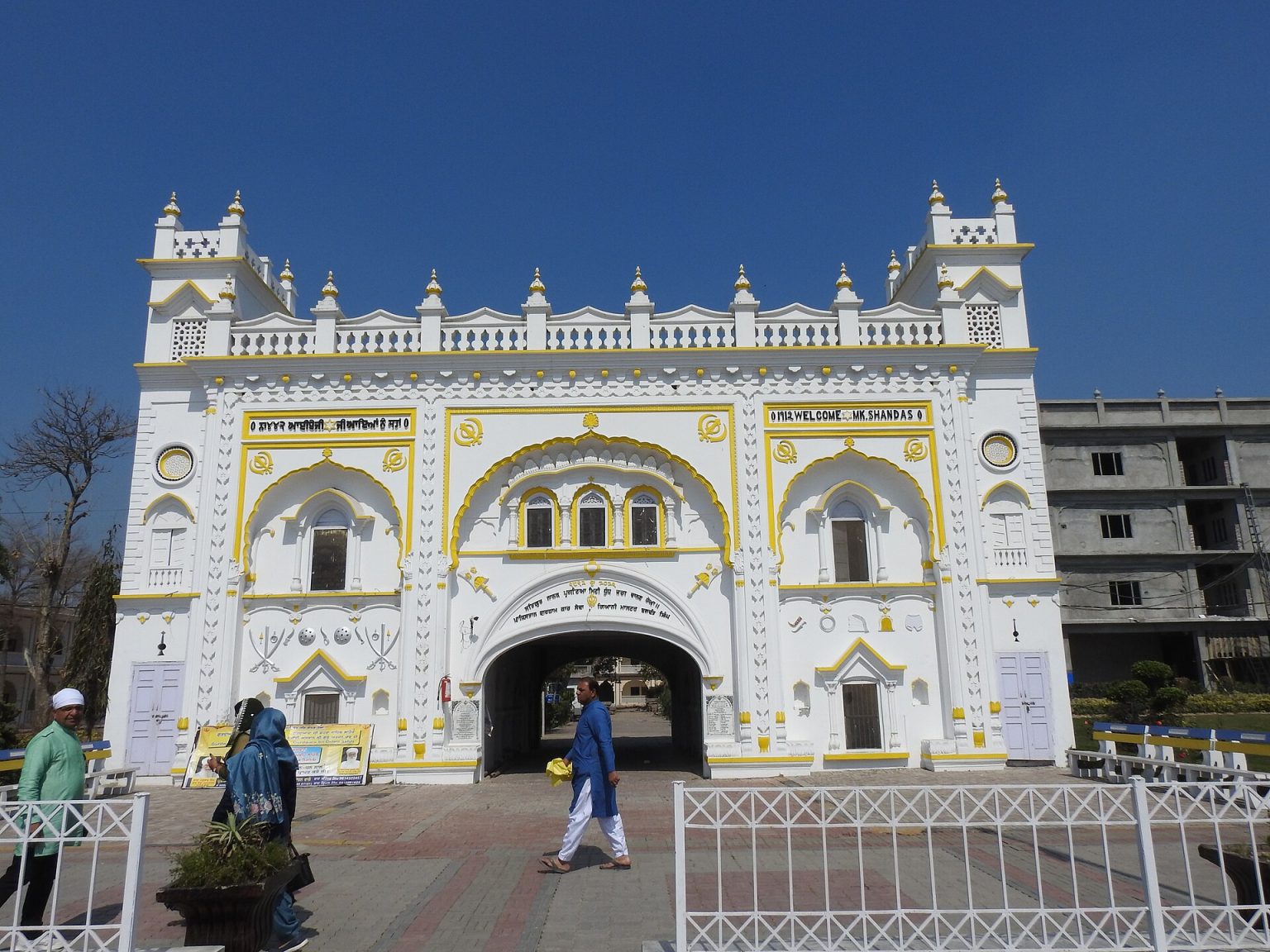
Gurdwara Janam Asthan, Nankana Sahib, Punjab
About the trail
Some of the holiest places in Sikhism lie in Pakistan. Guru Nanak was born at Nankana Sahib, spent his final years at Kartarpur and is remembered at gurdwaras across what is now Punjab; the fifth Guru, Arjan, is commemorated in Lahore; and the Sikh kingdom of Maharaja Ranjit Singh left forts, gurdwaras and a samadhi in the old capital. After 1947 most Sikhs left, and many gurdwaras came under the care of the Evacuee Trust Property Board (ETPB), the federal body that looks after minority religious properties. Pilgrims come from India, Britain, North America and elsewhere, especially for Vaisakhi in April and Guru Nanak's birth anniversary in the autumn.
The places on this page are functioning religious sites as well as historic monuments, and arrangements differ from one to the next. Some are open to all visitors; others have access limited to Sikh worshippers or to registered pilgrims. Read the section on visiting rules first, and confirm opening and access with the official bodies named there.
Places on the trail
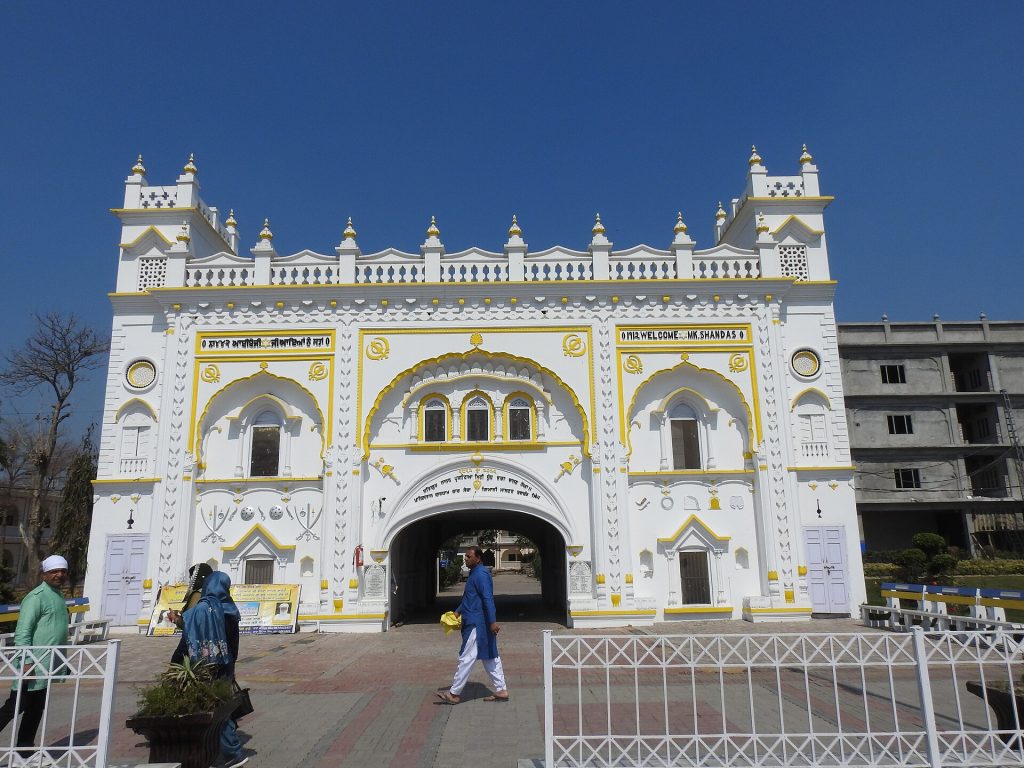
 Gurdwara Janam Asthan, Nankana SahibThe principal shrine, marking Guru Nanak's birthplace. ETPB names it among the sites it manages. The present complex mainly dates from the Sikh period and later additions; see the Nankana Sahib page for the town and its other gurdwaras.
 Gurdwara Darbar Sahib, KartarpurWhere Guru Nanak is said to have lived his final years and died on 22 September 1539. The Kartarpur Corridor is governed by a bilateral agreement; see the destination page for current status.
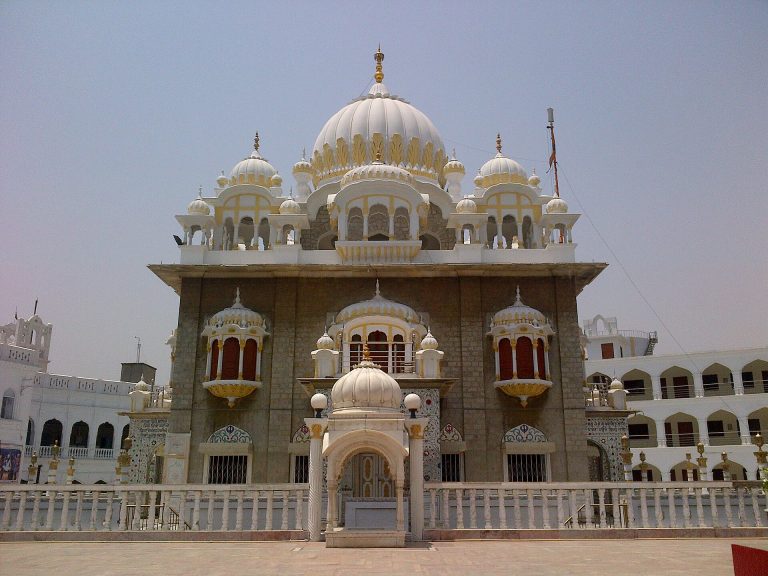 Gurdwara Panja Sahib, Hasan AbdalCentred on a boulder bearing what Sikh tradition holds to be Guru Nanak's handprint, and a spring. Hari Singh Nalwa is credited with building the first gurdwara, and Ranjit Singh later had it rebuilt in the Mughal style.
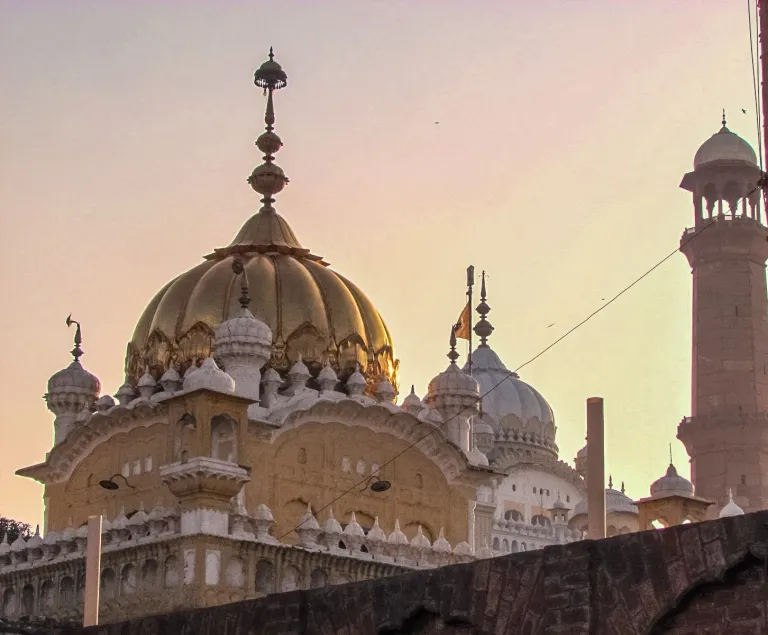 Gurdwara Dera Sahib, LahoreMarks the place associated with the death of Guru Arjan in 1606, beside the Lahore Fort. Guru Hargobind is said to have had a memorial built here in 1619; the main building with its gilded dome belongs to the Ranjit Singh era.
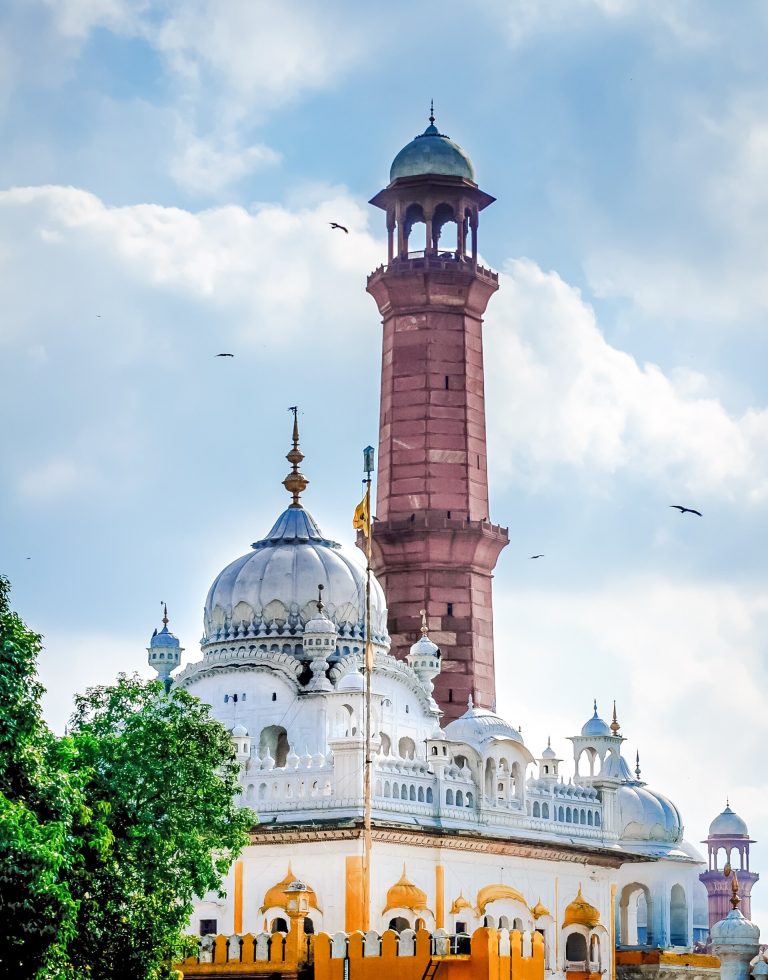 Samadhi of Maharaja Ranjit Singh, LahoreRanjit Singh died on 27 June 1839; his memorial was begun that August and completed in 1848, with British repairs in 1851. It is protected under the Antiquities Act of 1975 and belongs to the Evacuee Trust.
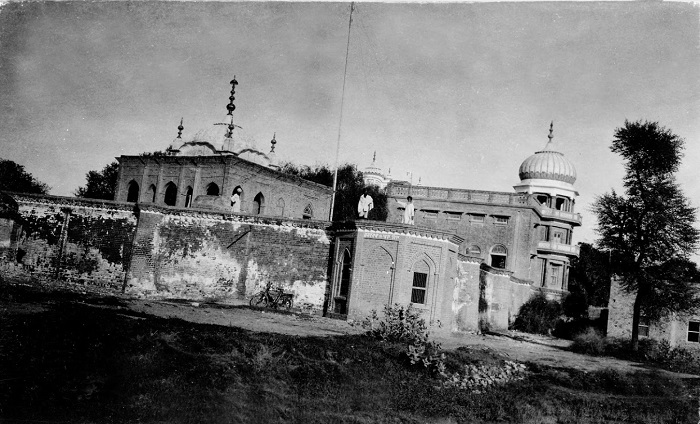 Gurdwara Sacha Sauda, near FarooqabadCommemorates the story of the "true bargain", in which the young Nanak spent twenty rupees given for trade on feeding hungry villagers. Pakistan Heritage notes that Ranjit Singh endowed land for it and that it was renovated in 1993 to 1994.
 Gurdwara Rori Sahib, EminabadIn tradition, Guru Nanak stayed at Eminabad with Bhai Lalo and lay on a bed of small stones, or rori. SikhiWiki reports that the original multi-storey gurdwara was set on fire soon after Partition; ask ETPB what survives today.
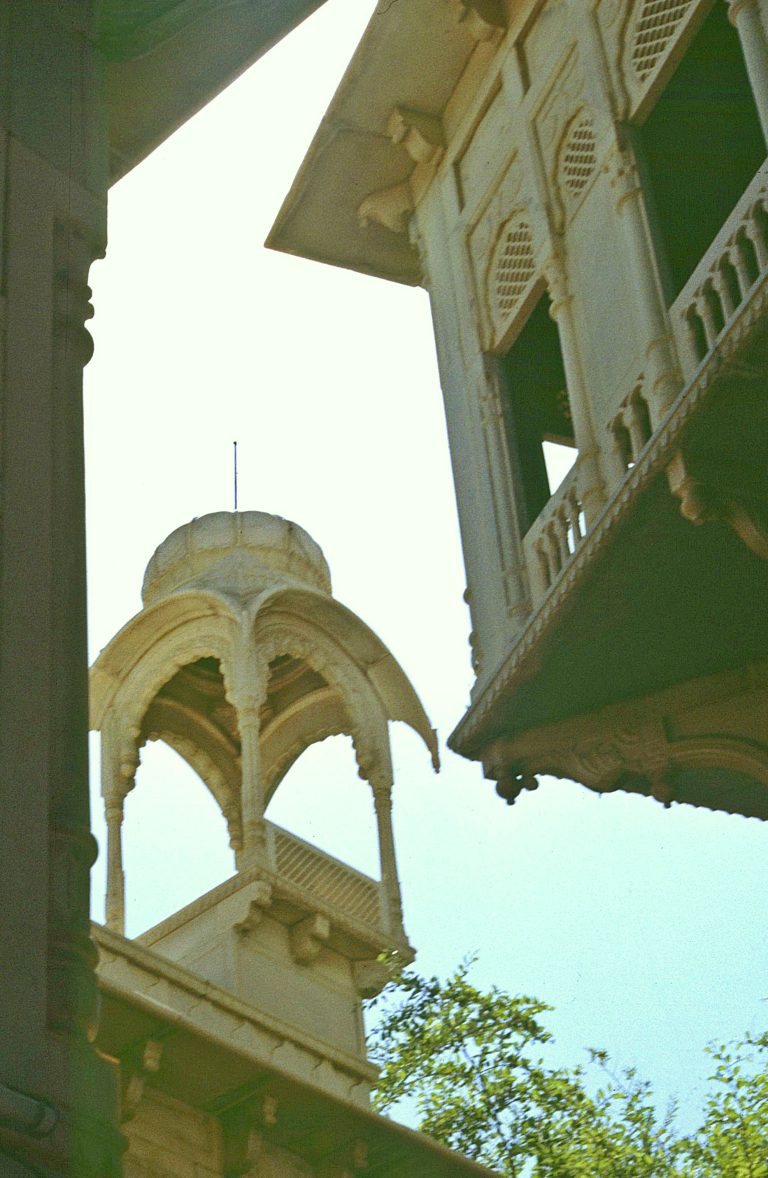 Sadh Belo, SukkurAn island shrine of the Udasi order, a tradition linked to Guru Nanak's elder son Sri Chand. It lies far from the Punjab sites; see the Sadhu Bela page for its history and current custody.
Visiting rules and official bodies
Rules differ by nationality, gurdwara and time of year. These are the bodies to ask.
Evacuee Trust Property Board (ETPB)
Lahore headquarters
ETPB names Sri Panja Sahib, Dera Sahib in Lahore and Janam Asthan at Nankana Sahib among the sites it manages and runs pilgrim services such as Vaisakhi arrangements and events passes. Its website lists headquarters at 9 Court Street, Lahore (phone 042-99211030-1, as of October 2026). Confirm details on etpb.gov.pk.
Pilgrims from India
1974 Protocol
Pakistan's High Commission in New Delhi said in November 2024 that it had issued over 3,000 visas to Sikh pilgrims for Guru Nanak's birth anniversary celebrations, 14 to 23 November, covering Nankana Sahib, Panja Sahib and Kartarpur Sahib, under the 1974 Bilateral Protocol on Visits to Religious Shrines. Check the current position with the High Commission.
Sikhs and visitors from other countries
Standard Pakistani visa
Visitors outside the bilateral pilgrim arrangements apply for a Pakistani visa in the usual way. See the visa and entry guide, then confirm gurdwara access with ETPB or the Pakistan Sikh Gurdwara Prabandhak Committee.
Read moreVisitors from Pakistan
Kartarpur
The Kartarpur page, citing Pakistan's Ministry of Religious Affairs, notes that Pakistanis need a CNIC and a visitor card for Kartarpur. Confirm current rules with the official corridor management.
Read moreNon-Sikh visitors
Varies by gurdwara
Nankana Sahib is open to respectful visitors outside the busiest festival days. For Gurdwara Dera Sahib and the Samadhi of Ranjit Singh, Wikipedia reports that access is limited to local or visiting Sikhs, with others needing special permission from ETPB. Ask ETPB before you go.
Festival periods
Tighter security
Around Vaisakhi in April and Guru Nanak's birth anniversary in the autumn, security is heavy and access can be limited to registered pilgrims. Dates follow the Sikh calendar and change from year to year.
Respectful visiting
- Cover your head with a scarf or cloth before entering, and remove your shoes. Wash your hands and feet if directed.
- Do not bring tobacco, alcohol or intoxicants onto the premises, and dress modestly.
- Sit on the floor in the main hall if you are invited to sit, and do not point your feet towards the Guru Granth Sahib.
- Langar is a free vegetarian meal open to everyone. Take only what you can finish and follow the sevadars' guidance.
- Do not photograph worshippers without asking, and obey signs about photography and drones, especially inside shrines.
- Border and security sensitivities are real. Follow instructions from staff and security personnel, and avoid commentary on politics at the gurdwara.
Planning
- 1
A Lahore day
Gurdwara Dera Sahib, the Samadhi of Ranjit Singh and Lahore Fort stand side by side in the Walled City. Check access for Dera Sahib and the Samadhi in advance.
- 2
Nankana Sahib
Nankana Sahib lies west of Lahore in central Punjab and can be reached by road or rail; ask about special pilgrim trains at festival time. Visit outside festival days if you are not part of a pilgrim group.
- 3
Hasan Abdal
Panja Sahib is on the Grand Trunk Road west of Islamabad, so it combines easily with a Taxila day.
- 4
Kartarpur and Narowal
Check the status of the corridor and the rules for your nationality before planning any visit.


Frequently Asked Questions
Can non-Sikhs visit Nankana Sahib?
Yes, respectful visitors are generally welcome outside the busiest festival days. Cover your head, remove your shoes and follow the sevadars' guidance. Confirm with ETPB or the Pakistan Sikh Gurdwara Prabandhak Committee.
Who manages the gurdwaras in Pakistan?
Many are under the Evacuee Trust Property Board, with the Pakistan Sikh Gurdwara Prabandhak Committee involved in management at some sites. ETPB names Panja Sahib, Dera Sahib and Janam Asthan among its sites.
Is the Kartarpur Corridor open?
It operates under a bilateral agreement. The Kartarpur page reports that the Indian side has been suspended since 7 May 2025, citing the Indian government's statement to Parliament dated 31 July 2026. Check current rules before planning a visit.
Which gurdwara has Guru Nanak's handprint?
In Sikh tradition, the boulder at Gurdwara Panja Sahib in Hasan Abdal carries his handprint. The shrine is on the Grand Trunk Road west of Islamabad.
Keep Exploring
Related places and stories on DailyLife.pk
Gurdwara Darbar Sahib Kartarpur and the Kartarpur CorridorVisit Gurdwara Darbar Sahib Kartarpur in Narowal: Guru Nanak's history, the Kartarpur Corridor, current status Lahore Fort and Badshahi MosqueLahore Fort and Badshahi Mosque guide: Sheesh Mahal, Picture Wall, Alamgiri Gate
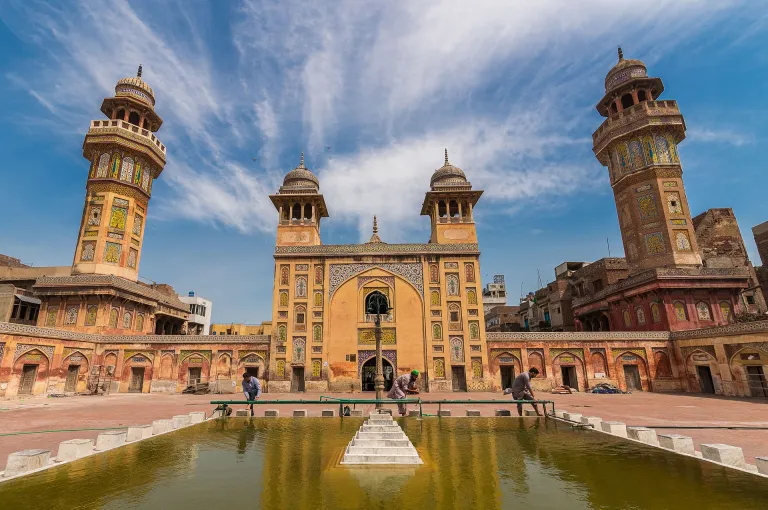 Walled City of LahoreExplore the Walled City of Lahore: Delhi Gate, the Royal Trail, Wazir Khan Mosque, Shahi HammamSadhu Bela and Sukkur BarrageSadhu Bela and Sukkur Barrage guide: the Udasi temple island in the IndusNankana SahibNankana Sahib guide: Gurdwara Janam Asthan, birthplace of Guru Nanak, other historic gurdwaras, the 1921 massacreHasan AbdalHasan Abdal guide: Gurdwara Panja Sahib, Wah Mughal Gardens, Lala Rukh's tomb, Cadet College, Taxila nearby
How we know this
- Type Practical guide
- Sources 8 (2 official/academic)
- Reviewed October 2026
- Disputed points None
Rules and fees change, confirm with the official links below before you act.
8 sources
- Gurdwara Panja Sahib, Wikipedia (used to locate primary sources)
- Gurdwara Dera Sahib, Wikipedia (used to locate primary sources)
- Samadhi of Ranjit Singh, Wikipedia (used to locate primary sources)
- Samadh of Ranjit Singh, Department of Archaeology and Museums, Government of Pakistan
- Evacuee Trust Property Board, Government of Pakistan
- Pakistan issues visas to Sikh pilgrims on the occasion of Birthday Celebrations of Baba Guru Nanak Dev Ji, Pakistan High Commission, New Delhi
- Sucha Sauda, Pakistan Heritage
- Eminabad, SikhiWiki
Photo credits (13)
- The Gurdwara Janam Asthan in Nankana Sahib, Pakistan. 01.jpg, Harvinder Chandigarh, CC BY 4.0, via Wikimedia Commons
- PanjaSahibHasanAbdal.jpg, Muhammad Imran Saeed, CC BY 2.0, via Wikimedia Commons
- Gurdwara Dera Sahib and Samadhi of Ranjit Singh.jpg, Bilalhassan88, CC BY-SA 3.0, via Wikimedia Commons
- Samadhi of Ranjit Singh 123.jpg, Shahbaz Aslam429`, CC BY-SA 3.0, via Wikimedia Commons
- Gurdwara Darbar Sahib Kartarpur 04.jpg, Shahzaib Damn Cruze, CC BY-SA 4.0, via Wikimedia Commons
- SukkurSadhuBela.jpg, Ziegler175, CC BY-SA 3.0, via Wikimedia Commons
- Photograph of Gurdwara Khara Sauda in Chuhar Kana, Sheikhupura district, commonly known as 'Gurdwara Sacha Sauda', taken by Dhanna Singh Chahal 'Patialvi', 21 October 1933.jpg, Dhanna Singh Chahal 'Patialvi', Public domain, via Wikimedia Commons
- Baradari - Sheranwala Bagh, Gujranwala.jpg, Noorrathore, CC BY-SA 4.0, via Wikimedia Commons
- PK Karachi Airport asv2020-01.jpg, A.Savin, FAL, via Wikimedia Commons
- Constitution Avenue (cropped).jpg, Zacharie Grossen, CC BY-SA 4.0, via Wikimedia Commons
- Hazuri Bagh Baradari with Lahore Fort in the background.jpg, Drdolittle13, CC BY-SA 3.0, via Wikimedia Commons
- Badshahi Mosque front picture.jpg, Romero Maia, CC BY-SA 4.0, via Wikimedia Commons
- Courtyard of Wazir Khan Mosque, Lahore.jpg, Muhammad Umair Mirza, CC BY-SA 4.0, via Wikimedia Commons
