
Travel destination
Wazir Khan Mosque: Lahore's Jewel of Tilework
Every surface of this 17th-century mosque in the Walled City is covered with glazed tile mosaic, fresco and calligraphy, making it a masterpiece of Mughal decorative art.
- Walled City, Lahore
- Built 1634–1641
- Best season October to March
Wazir Khan Mosque, Walled City, Lahore
About Wazir Khan Mosque
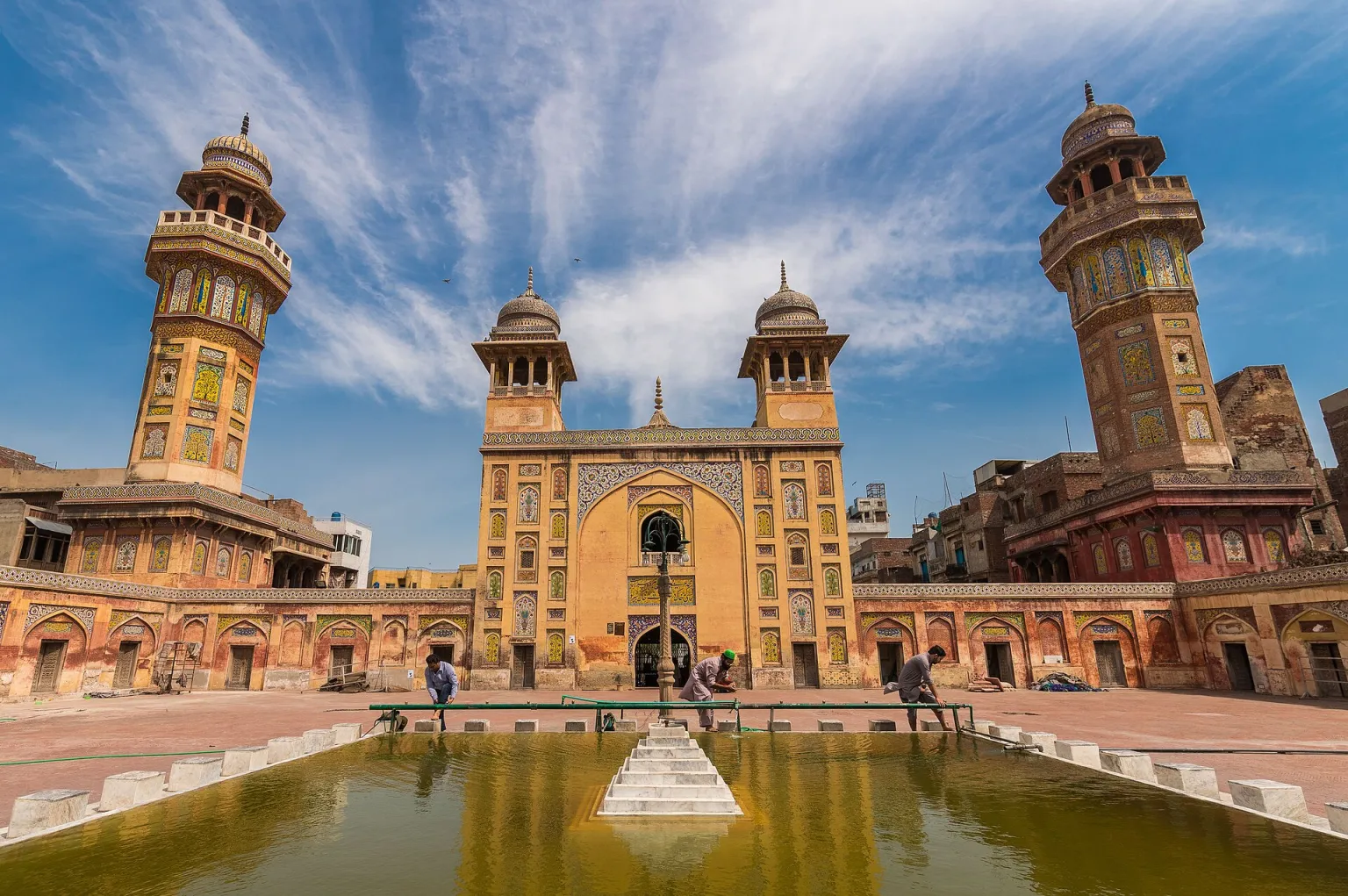
Wazir Khan Mosque stands on the Shahi Guzargah, the old royal road through Lahore's Walled City, about 260 metres west of Delhi Gate. It was commissioned by Hakim Ilm-ud-Din Ansari, known as Wazir Khan, a physician who served Shah Jahan as governor of Lahore. The Aga Khan Development Network gives the date of construction as 1634–35; Wikipedia says work began in 1634 and finished on 3 December 1641. The chief architect is not known.
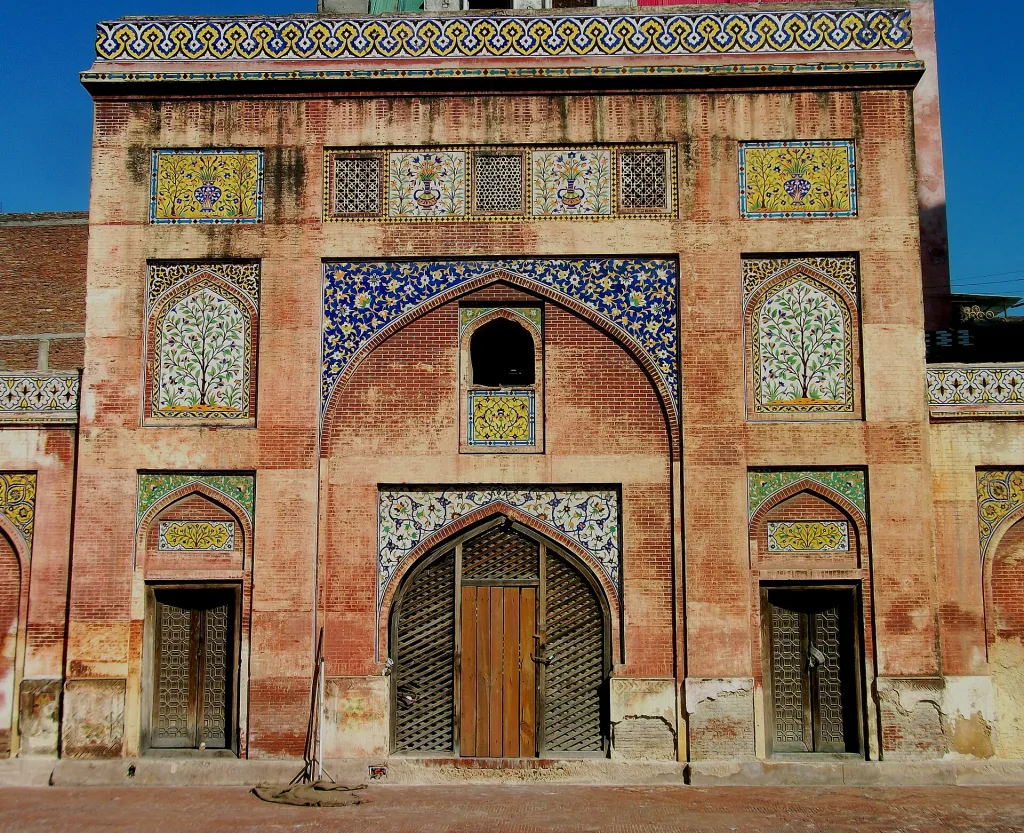
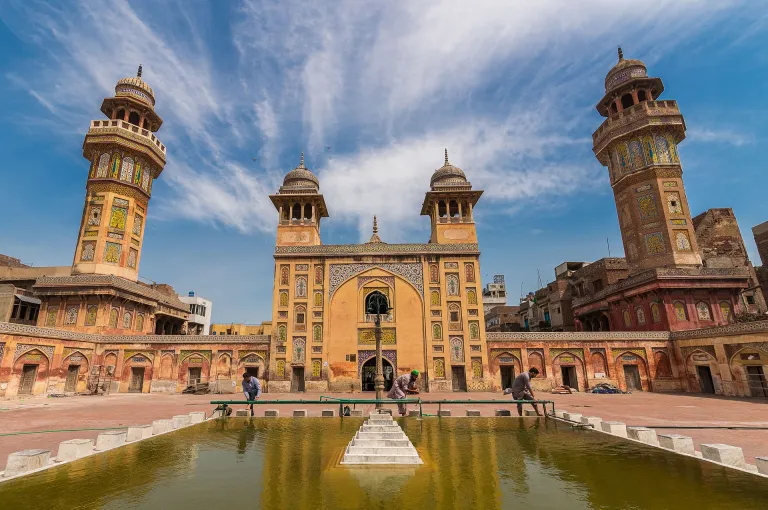
The mosque's glory is its surface. The exterior is covered in kashi-kari, a Punjabi tradition of glazed tile mosaic in cobalt blue, cerulean, white, green, orange, yellow and purple. Inside, plastered walls carry frescoes, including trees, wine pitchers and fruit under the dome that allude to paradise. Quranic verses and hadith decorate the entrance, and the entrance niche has one of Lahore's earliest muqarnas. The courtyard measures roughly 160 by 130 feet, with 32 small rooms (khanas) along its sides and four minarets of about 33 metres at the corners; a five-domed prayer hall faces the entrance.
The mosque was never just a prayer hall: it was part of a complex that included the Shahi Hammam baths, rows of shops for calligraphers and bookbinders and the open space of Chowk Wazir Khan, with rents supporting the mosque through an endowment (waqf). Restoration began under the Government of Punjab in 2004; the Aga Khan Trust for Culture joined in 2007, a survey started in 2009 and work continued with support from Germany, Norway and the United States. The Shahi Guzargah project of 2012–2015 removed encroaching shops, restored the Dina Nath well and placed power lines underground. The restoration is described as phased and ongoing, so some areas may be screened.
A mosque you read like a manuscript: every panel has a story of colour.
What to See
 The tiled façadeGlazed tile mosaic in floral and geometric patterns covers the exterior and entrance iwan.
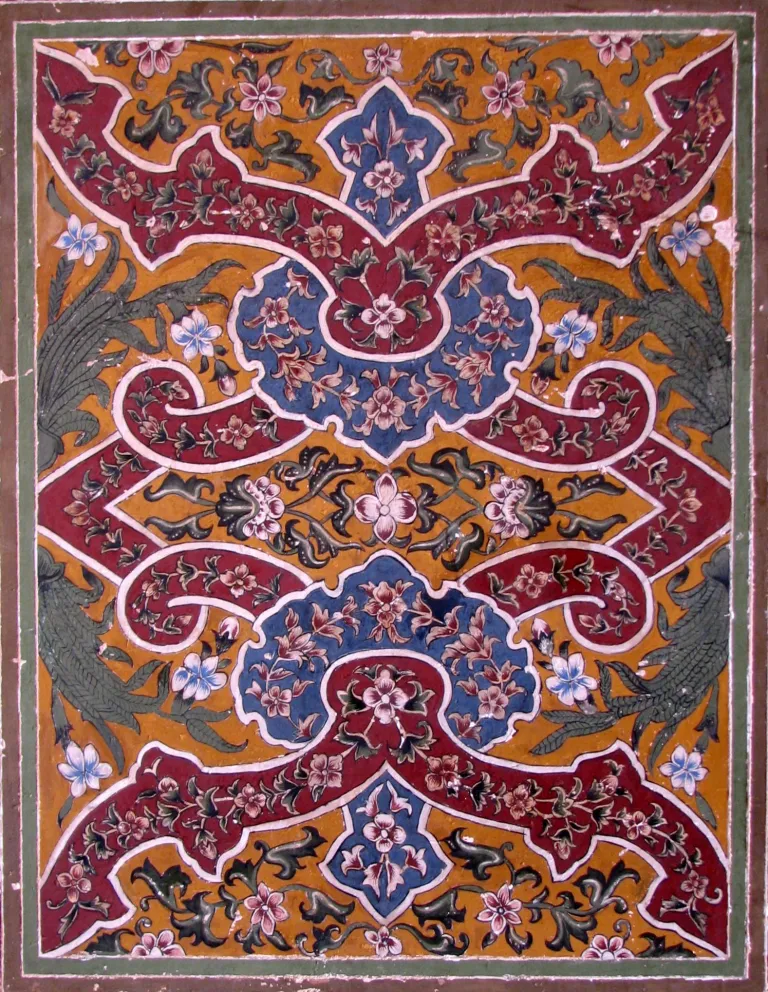 Frescoes and calligraphyInterior walls and the underside of the domes are painted, with Quranic verses in beautiful script.
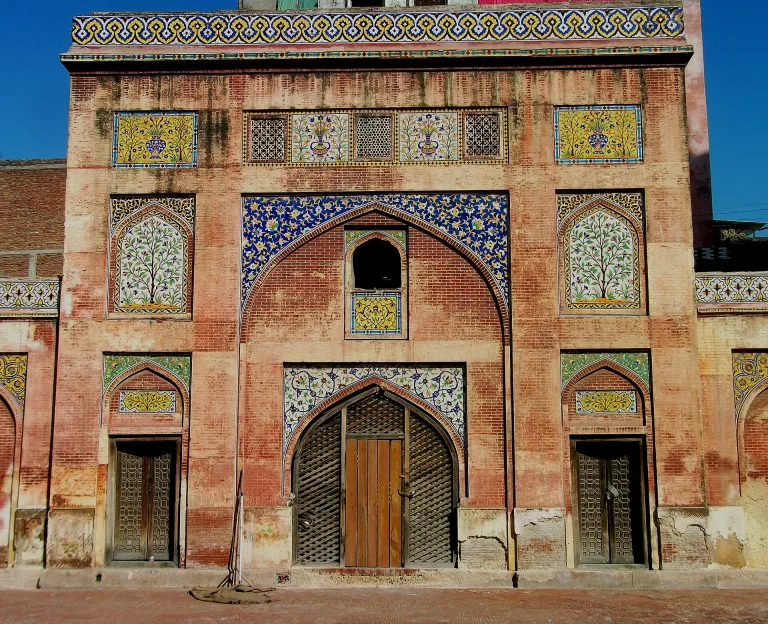 The courtyardA large court with a central ablution pool, 32 khanas and four minarets.Walled City of LahoreExplore Delhi Gate, Lahori Gate and the lanes in between.
Plan Your Visit
Best Time to Visit
October to March
Cooler weather for walking the old city; arrive in the morning, before the bazaars fill.
How to Reach
Delhi Gate
The mosque is about 260 m west of Delhi Gate. The lanes are narrow and crowded, so walking in from Delhi Gate is easiest.
Tickets and Hours
Confirm locally
Entry arrangements, fees and visiting times for tourists are set by the custodians and may change. Confirm locally.
Prayer Times
Respect worshippers
Do not tour during congregational prayers, especially on Fridays.
Dress and Shoes
Modest dress
Women should cover their hair; everyone removes shoes. Wear socks on hot stone.
Photography
Ask first
Photographing the façade is common; ask before photographing people or using a tripod.
Suggested Half-Day Plan
- 1
Start at Delhi Gate
Walk west along the Shahi Guzargah.
- 2
Chowk Wazir Khan
Pause at the forecourt before entering.
- 3
Enter the mosque
Spend time in the entrance iwan, courtyard and prayer hall.
- 4
Shahi Hammam and lanes
Visit the hammam if open and wander the bazaar lanes.
- 5
Continue
Walk or take a rickshaw to Lahore Fort and the Badshahi Mosque.
Visit Responsibly
- Do not touch the tilework or frescoes, which are fragile.
- Dress modestly, remove shoes and keep voices low.
- Do not lean on or climb the restored surfaces.
- Buy from local bazaar vendors and respect residents' privacy.
- Avoid prayer times and follow any instructions from caretakers.
Frequently Asked Questions
When was Wazir Khan Mosque built?
Between 1634 and 1641, according to published accounts; the Aga Khan Development Network gives 1634–35 for its construction.
Who was Wazir Khan?
Hakim Ilm-ud-Din Ansari, a physician and governor of Lahore under Shah Jahan.
Is the mosque still in use?
Yes, it is an active mosque; visitors should avoid prayer times.
Has it been restored?
Yes. Restoration began under the Government of Punjab in 2004, and the Aga Khan Trust for Culture joined in 2007; the work has been phased.
Can non-Muslims visit?
Arrangements are set by the custodians; confirm locally and follow instructions.
Keep Exploring
Related places and stories on DailyLife.pk
Walled City of LahoreExplore the Walled City of Lahore: Delhi Gate, the Royal Trail, Wazir Khan Mosque, Shahi Hammam Lahore Fort and Badshahi MosqueLahore Fort and Badshahi Mosque guide: Sheesh Mahal, Picture Wall, Alamgiri Gate
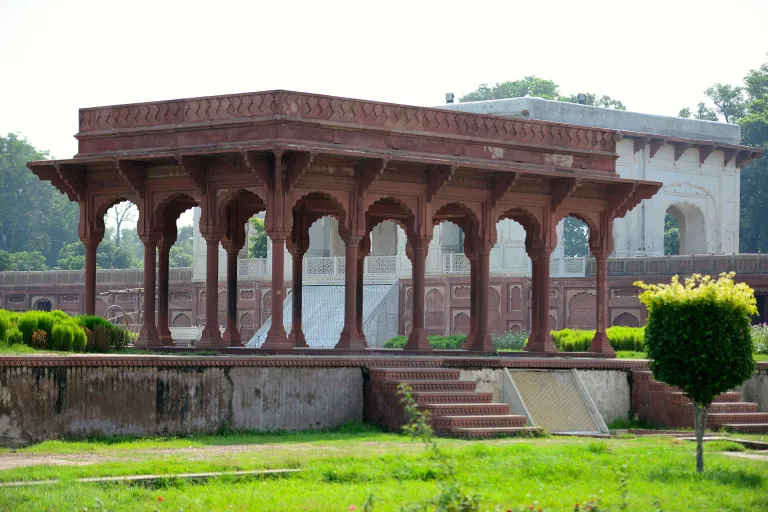 Shalimar Gardens, LahoreVisit the Shalimar Gardens in Lahore: Mughal terraces and cascades, UNESCO listing, history, Mela Chiraghan
 LahoreLahore travel guide: Badshahi Mosque, Lahore Fort, Shalimar Gardens, the Walled City, food streets, neighbourhoods, metro
 The Mughal EraThe Mughal Empire in Pakistan: Babur to Aurangzeb, Lahore Fort, Shalamar GardensArchitecture of PakistanPakistan's architecture: Indus cities, Gandhara monasteries, Multan tombs, Mughal Lahore, Makli, mountain forts
How we know this
- Type Travel guide
- Sources 2
- Reviewed October 2026
- Disputed points None
Rules and fees change, confirm with the official links below before you act.
2 sources
- Wazir Khan Mosque, Wikipedia
- Restoring an urban landmark: Wazir Khan Mosque, Lahore, Aga Khan Development Network
Photo credits (7)
- Wazir Khan Mosque by Moiz.jpg, Moiz Ismaili, CC BY-SA 4.0, via Wikimedia Commons
- Courtyard of Wazir Khan Mosque, Lahore.jpg, Muhammad Umair Mirza, CC BY-SA 4.0, via Wikimedia Commons
- Tile art at Wazir khan Mosque.jpg, self (Atif Gulzar), CC BY-SA 3.0, via Wikimedia Commons
- Wide angle view of Badshahi Mosque.jpg, Mishel Ijaz, CC BY-SA 4.0, via Wikimedia Commons
- Shalimar Gardens - Aunzee 48.jpg, Aun Muhammad, CC BY-SA 4.0, via Wikimedia Commons
- Night View of Badshahi Mosque (King’s Mosque).jpg, Muhammad Ashar, CC BY-SA 3.0, via Wikimedia Commons
- Badshahi Mosque, Lahore VI.jpg, Fassifarooq, CC BY-SA 4.0, via Wikimedia Commons
