
Travel destination
Shah Jahan Mosque: 93 Domes of Tile and Brick
A 17th-century Mughal mosque in Thatta with no minarets, 93 domes and some of the finest tilework in South Asia, built as a gift from the emperor Shah Jahan.
- Thatta, Sindh
- Built 1644–1647
- Best season November to February
Shah Jahan Mosque, Thatta, Sindh
About the Shah Jahan Mosque
The Shah Jahan Mosque (also called the Jamia Masjid of Thatta) stands in the old Sindhi capital of Thatta, roughly 100 km from Karachi. According to Persian inscriptions it was built between 1644 and 1647 under the Mughal emperor Shah Jahan, who is said to have given it to the city in gratitude for the hospitality he received in Thatta while sheltering there as a prince. An eastern addition was completed in 1659 in the reign of Aurangzeb, and the mosque was restored in 1692 and again in 1812 under the Talpur ruler Murad Ali Khan.
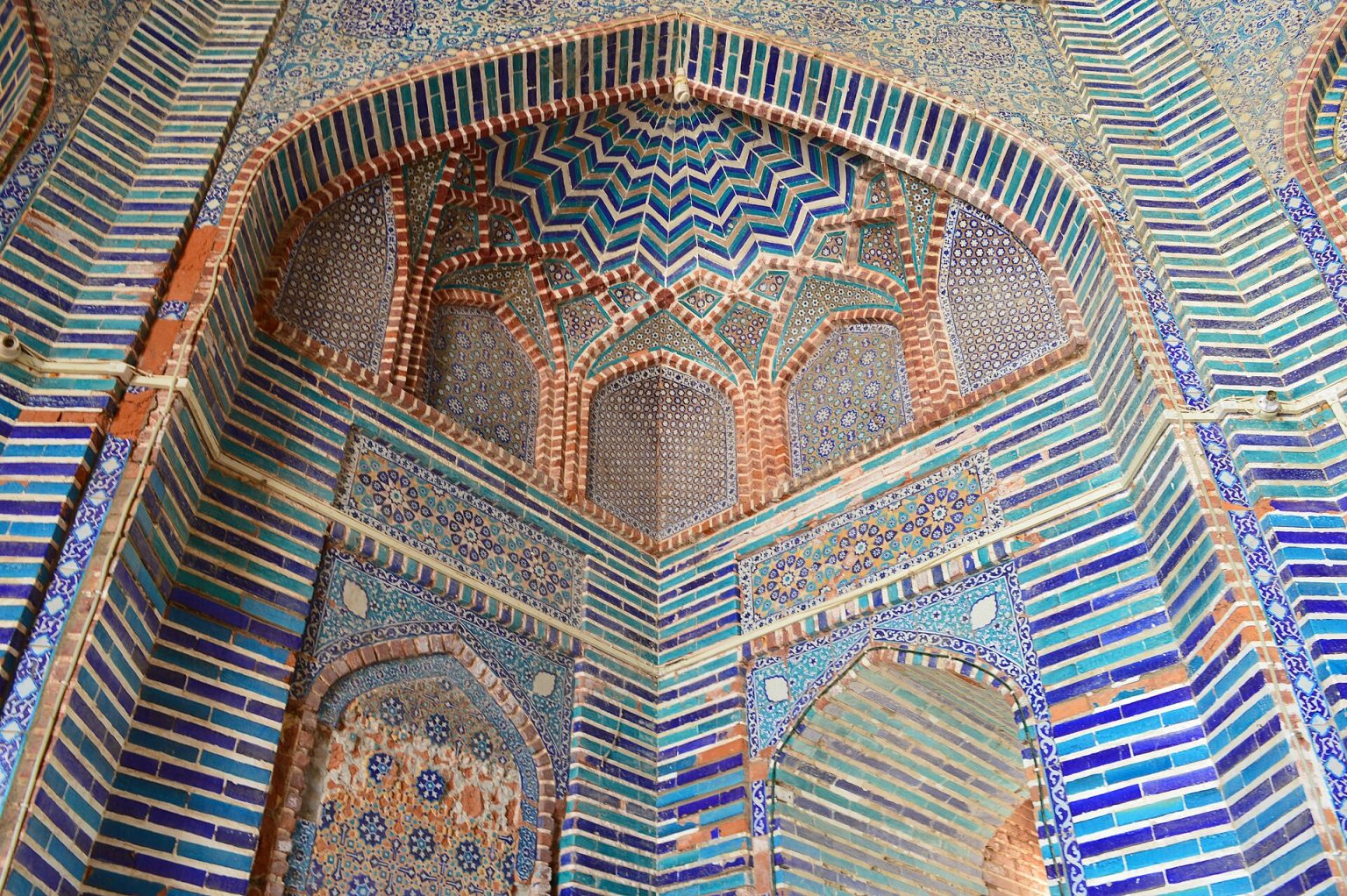
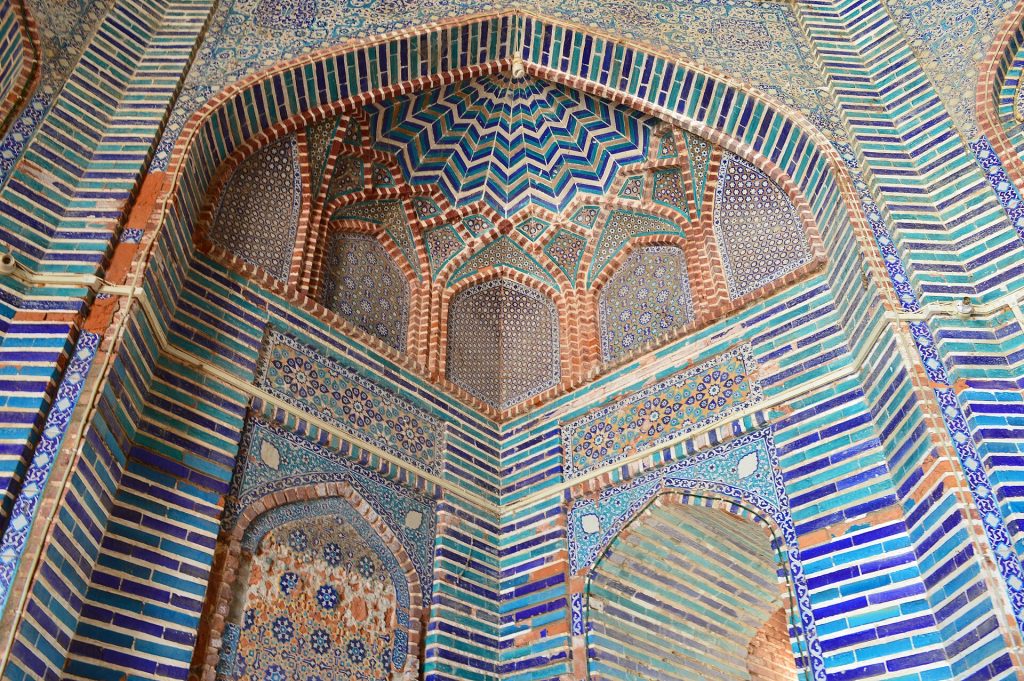
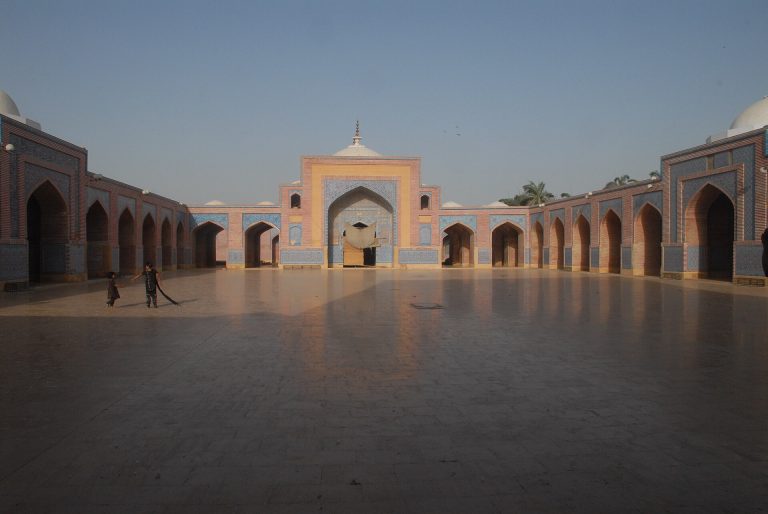
The mosque does not look like Lahore's Mughal mosques. It has no minarets and no great white domes; instead, a large rectangular courtyard is surrounded by arcades, with four iwans (vaulted halls open on one side) on its axes, and the whole building is roofed by 93 domes, the largest number of any mosque in Pakistan. The red brick is laid in geometric patterns of a kind associated with Timurid and Central Asian architecture, and the interiors are covered in glazed tile in cobalt blue, turquoise, manganese violet and white. Commentators regard the mosque as the most elaborate display of tilework in South Asia, with calligraphic panels that record the names of the tilemakers. Dawn reports that the blue tiles were brought from Hala, the Sindhi town still known for its glazed pottery.
The mosque is also known for its acoustics. The domes and gateways are arranged so that speech from one side of the main dome can be heard clearly on the other, and prayers from the main hall carry through the building without amplification. It is a working mosque and, with Makli Necropolis a few kilometres away, one of the great sights of lower Sindh.
Brick, blue tile and a forest of domes: the mosque shows how Persian and Sindhi craftsmanship met in Thatta.
What to See
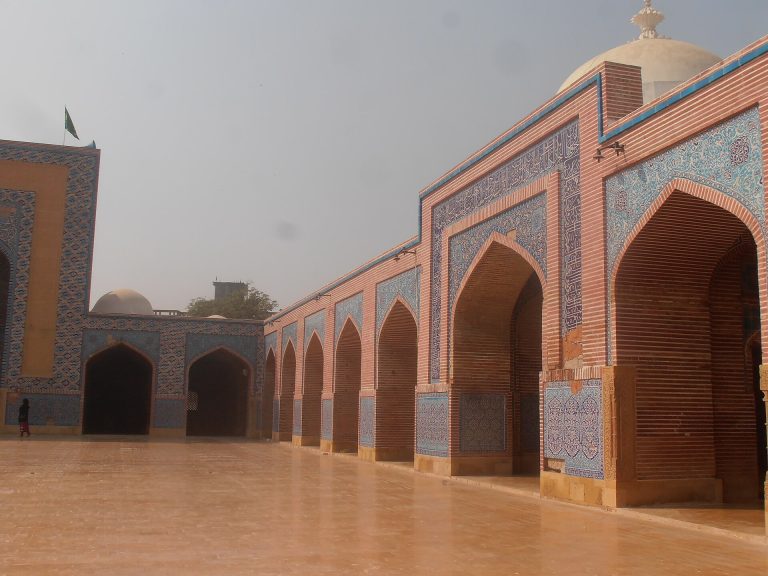 The courtyard and iwansA large arcaded courtyard with four iwans, laid out in the manner of a caravanserai, gives the mosque its calm, spacious feel.
 The main dome and tileworkThe central dome is lined with star-patterned blue and white tile, and calligraphic panels run along the walls. Cobalt, turquoise, violet and white are the dominant colours.
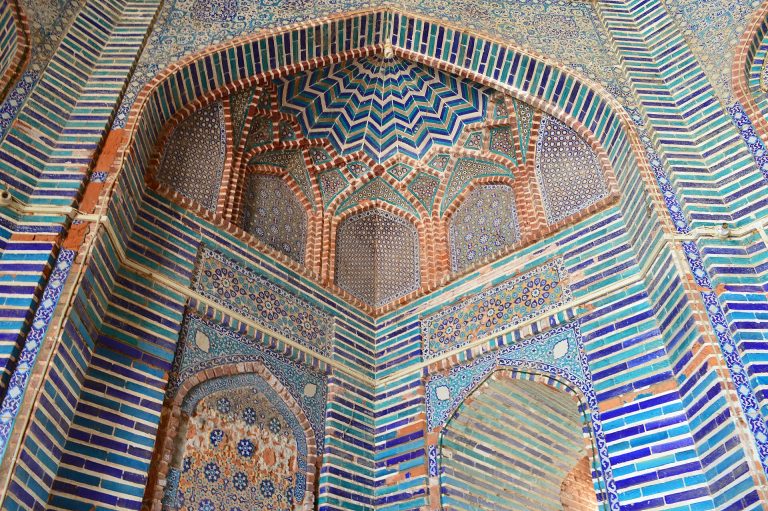 93 domesRows of small brick domes roof the arcades. Their number is the largest of any mosque in Pakistan.
 Makli NecropolisThe UNESCO-listed field of royal and noble tombs lies on the ridge above Thatta.
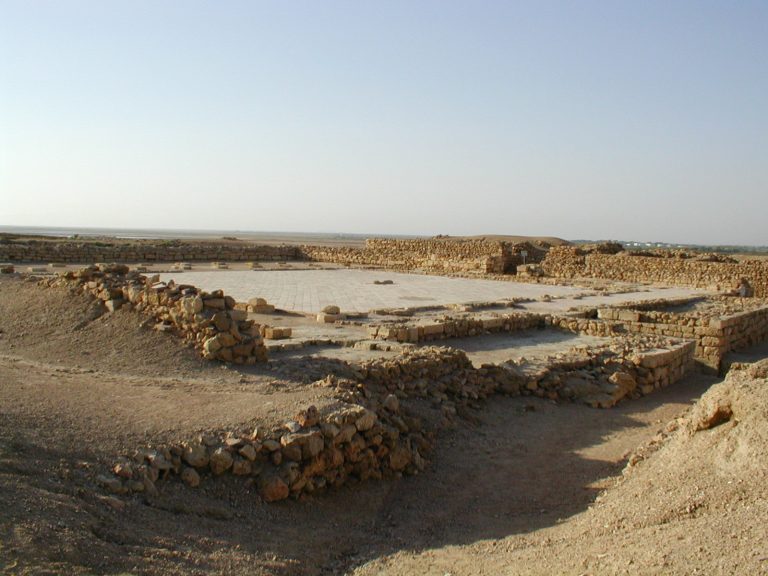 BhamboreRuins of the ancient port and an early mosque, west of Thatta towards Karachi.
Condition and Conservation
The mosque was placed on Pakistan's Tentative List for UNESCO World Heritage in 1993 (reference 1286), although it has not been inscribed. Like many Sindh monuments it has suffered from weather, salt, rising damp and uneven upkeep; Dawn's writer described broken tiles, minimal maintenance and poor-quality repairs, and called for better conservation and visitor facilities. Standards of care vary over time, so details of what is open and in what condition are best checked locally. Wikipedia notes that it has not been conserved to the same standard as the Wazir Khan or Badshahi mosques in Lahore.
Plan Your Visit
Best Time to Visit
November to February
Mild weather suits a day of walking between Thatta's monuments. Summer heat is intense, and tile floors can be hot underfoot.
How to Reach
Thatta, east of Karachi
Thatta is about 100 km from Karachi (and a similar distance from Hyderabad), reached by the highway and motorway network. Hire a car or ride-hailing driver for the day.
Where to Stay
Karachi, Hyderabad or Thatta
Most visitors stay in Karachi or Hyderabad and come as a day trip; check current options in Thatta and with the Sindh Tourism Development Corporation.
Etiquette
A working mosque
Dress modestly, cover your head if asked, remove shoes at the entrance, keep voices low, and visit outside prayer times. Ask the caretaker about arrangements for visitors.
Photography
Ask first
Photographing the architecture is generally welcome; avoid photographing worshippers without their permission.
Advisories
Confirm locally
Opening arrangements and access can change. Check current advisories and local authority guidance before travelling, and allow for midday prayers.
Itinerary Ideas
- 1
Half-day in Thatta
Visit the Shah Jahan Mosque in the morning, then climb Makli Necropolis in the afternoon light.
- 2
One-day Sindh heritage loop from Karachi
Chaukhandi Tombs, Bhambore, the mosque and Makli, with optional Haleji or Keenjhar Lake in winter.
- 3
Two days
Day one: Thatta monuments and Keenjhar Lake. Day two: the Indus Delta at Keti Bandar or Bhit Shah on the way back to Hyderabad.
Visit Responsibly
- Respect worshippers and do not wander through the prayer hall during prayers.
- Do not touch, scratch or take fragments of glazed tile; the tile surface is fragile and irreplaceable.
- Give donations through official boxes rather than to unofficial 'guides' if you are uncertain.
- Take rubbish with you and avoid eating in the mosque.
- Hire local guides and buy handicrafts from local artisans.
Frequently Asked Questions
When was the Shah Jahan Mosque built?
Between 1644 and 1647 according to Persian inscriptions, with an eastern addition in 1659.
Why does it have no minarets?
It follows a caravanserai-like plan with a courtyard and four iwans, and relies on its domes and tilework rather than minarets.
How many domes does it have?
93, the largest number of any mosque in Pakistan.
Is it a UNESCO World Heritage Site?
No. It has been on Pakistan's Tentative List since 1993. The nearby Makli Necropolis is inscribed.
Can non-Muslims visit?
This guide has not found an official policy; ask the caretaker, dress modestly and avoid prayer times.
Keep Exploring
Related places and stories on DailyLife.pk
 Makli NecropolisVisit Makli Necropolis near Thatta, Sindh: Jam Nizamuddin IIBhamboreVisit Bhambore (Banbhore), the ruined port on Gharo Creek near Karachi
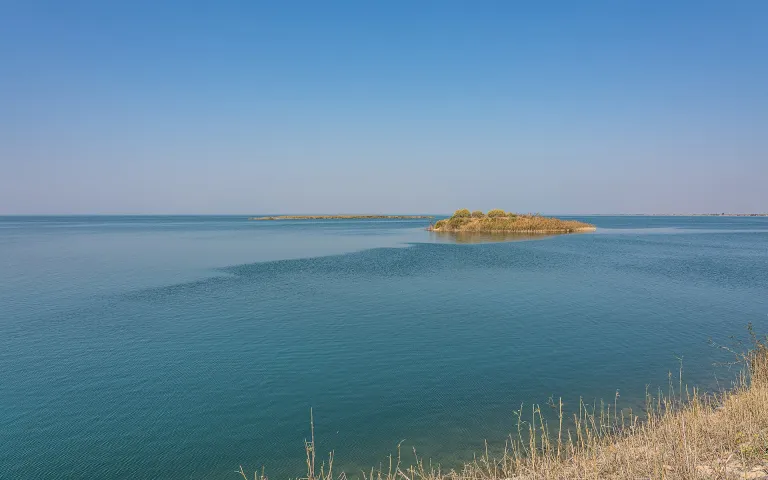 Keenjhar LakeVisit Keenjhar Lake near Thatta: Ramsar wetland, winter birds, Noori Jam Tamachi shrine, boating, STDC resort
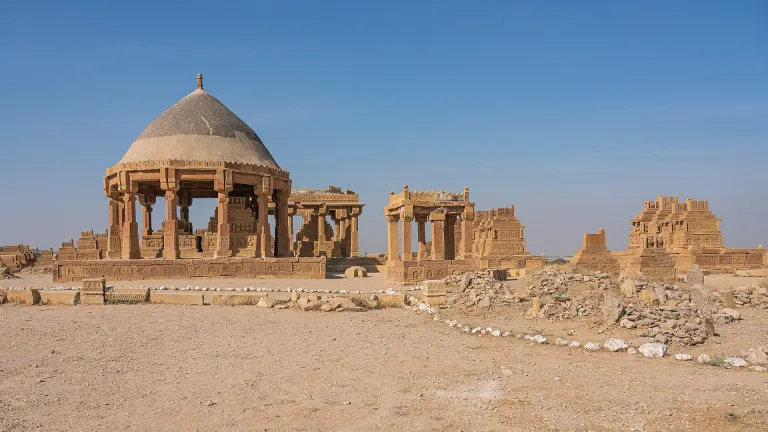 Chaukhandi TombsChaukhandi Tombs near Karachi: carved sandstone graves of the 17th-18th centuries, what the carvings mean
 Haleji LakeHaleji Lake near Thatta: Ramsar wetland and bird sanctuary, winter waterbirds, how it was madeThattaThatta city guide: Makli Necropolis, the Shah Jahan Mosque, Keenjhar Lake, history, 2023 Census population
How we know this
- Type Travel guide
- Sources 3 (1 official/academic)
- Reviewed October 2026
- Disputed points None
Rules and fees change, confirm with the official links below before you act.
3 sources
- Shahjahan Mosque: Thatta's timeless splendour, Dawn
- Shah Jahan Mosque, Thatta, Wikipedia (used to locate primary sources)
- Historical Monuments at Makli, Thatta, UNESCO World Heritage Centre
Photo credits (6)
- Shahjahan Mosque Thatta Sindh 1.JPG, Ghazimemon, CC BY-SA 4.0, via Wikimedia Commons
- Gate ways from Courtyard - Shah Jahan Mosque.jpg, Saba Qayoom, CC BY-SA 4.0, via Wikimedia Commons
- Shah Jahan Mosque View inside.JPG, MunawarAhmed7, CC BY-SA 4.0, via Wikimedia Commons
- Makli hills thatta sindh - UNESCO World Heritage Site.jpg, Yasir Dora, CC BY-SA 4.0, via Wikimedia Commons
- Grand Mosque at Banbhore.jpg, Mwaqas at English Wikipedia, CC BY-SA 3.0, via Wikimedia Commons
- PK Keenjhar Lake near Thatta asv2020-02 img1.jpg, A.Savin, FAL, via Wikimedia Commons
