Thatta lies just west of the Indus in lower Sindh, inland from Karachi and the Arabian Sea coast, between the rocky Kohistan hills and the swampy delta. For centuries it was the chief city of lower Sindh: the capital of the Samma rulers, and later a seat of the Arghun and Tarkhan dynasties and of Mughal governors. Excavations nearby show occupation going back to the 1st century BCE.
Today Thatta is a modest town. The 2023 Census counted just 51,723 people in Thatta municipal area, slightly fewer than in 2017, while Thatta District as a whole had 1,083,191. It became a municipality in 1854.
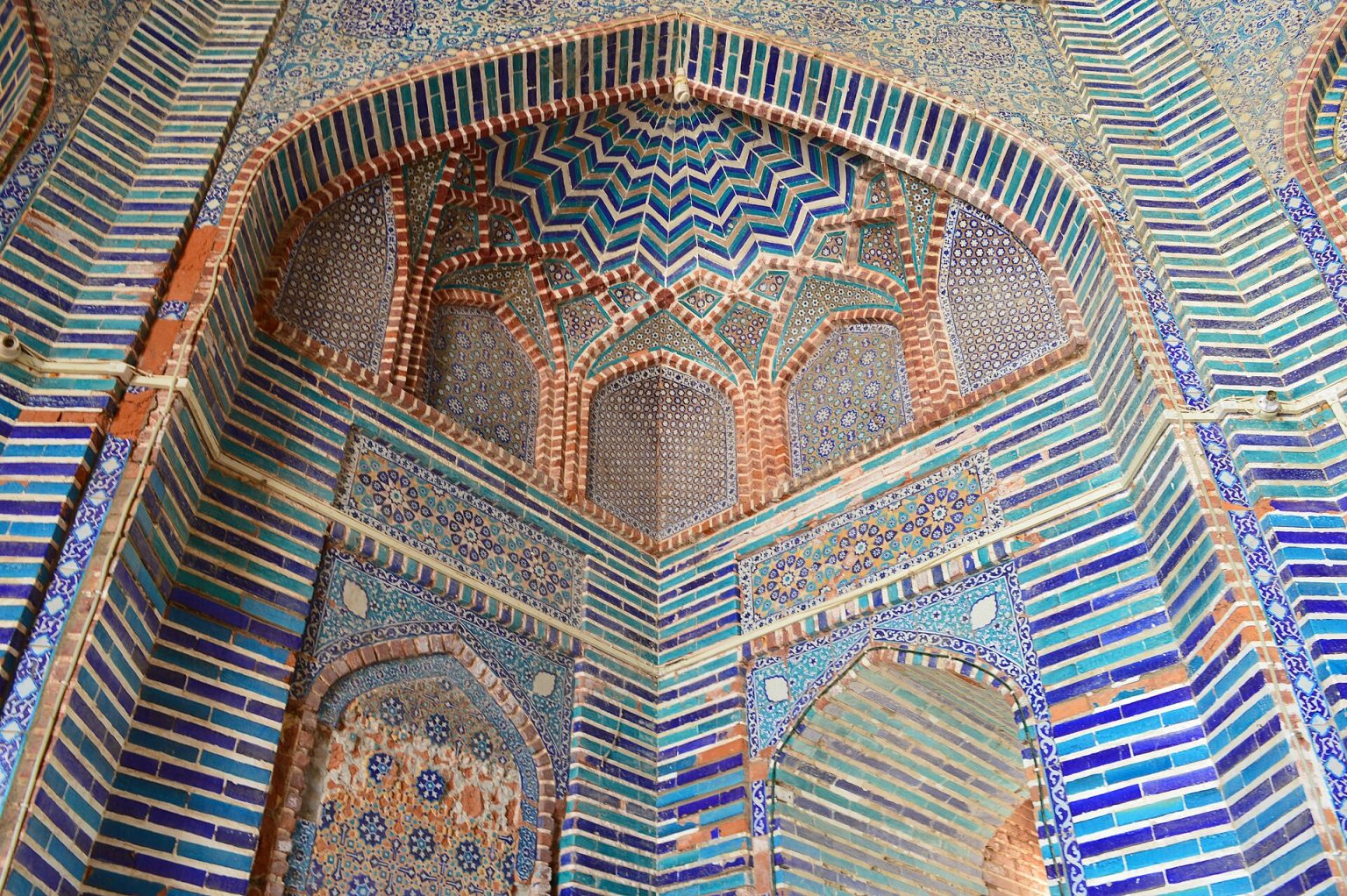
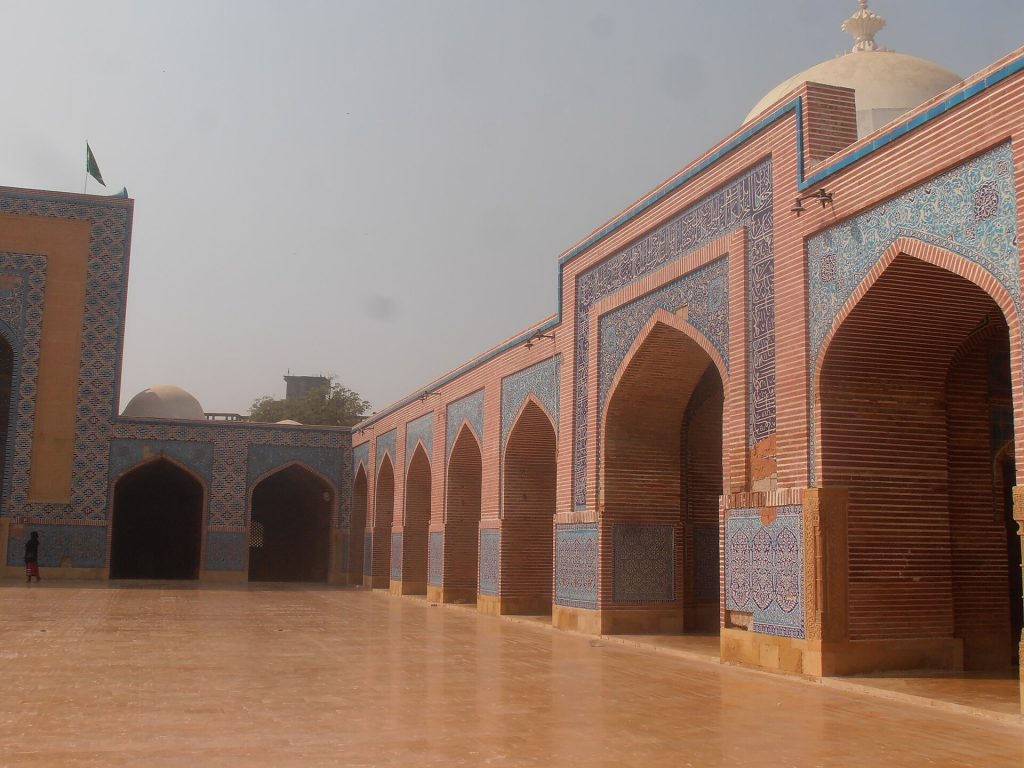
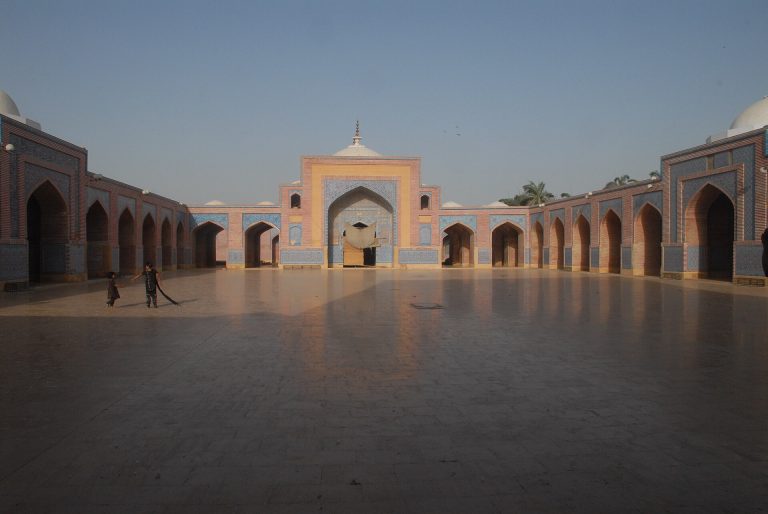
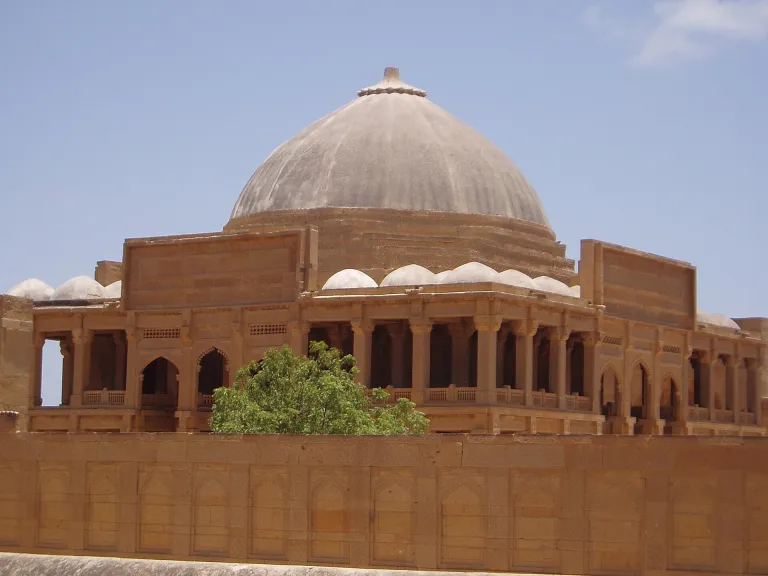
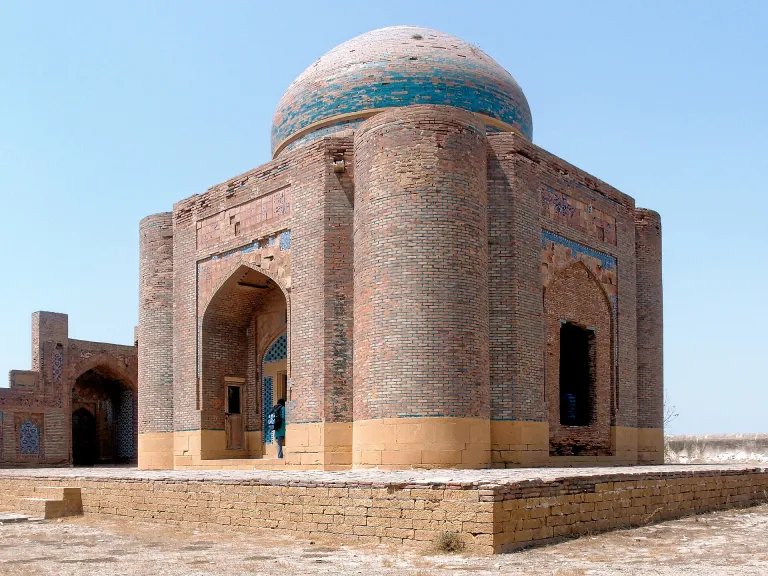
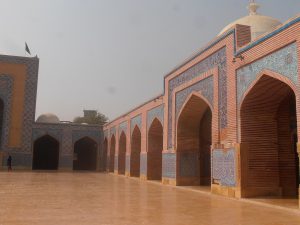
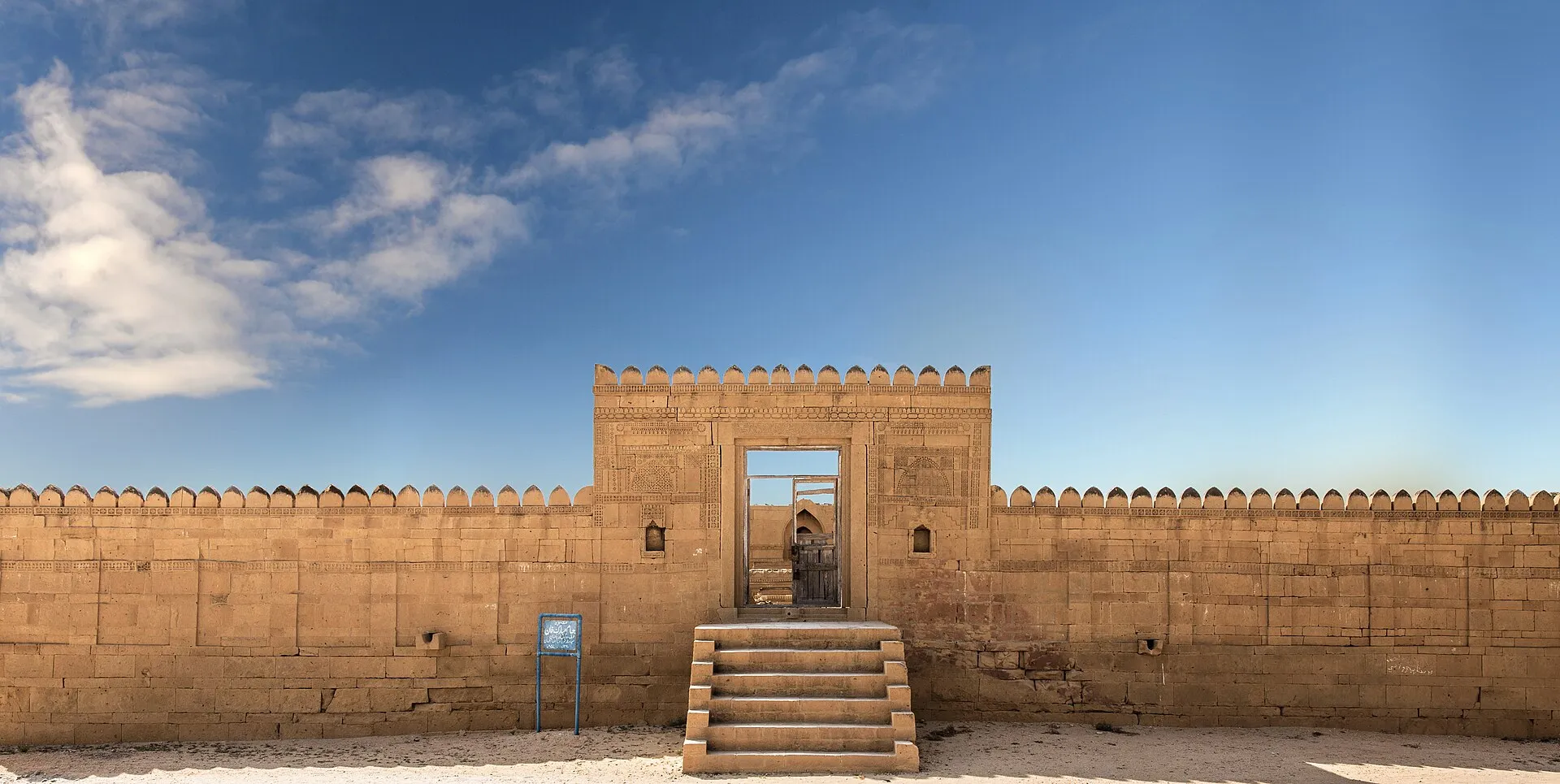
Its monuments tell of far greater days. On the ridge just outside town is Makli, a vast necropolis of tombs and graves from the 14th to the 18th centuries, inscribed by UNESCO in 1981. In the town itself, the Shah Jahan Mosque, built in 1647–49 on the orders of the Mughal emperor, is famous for its brick domes and glazed blue-and-white tilework.
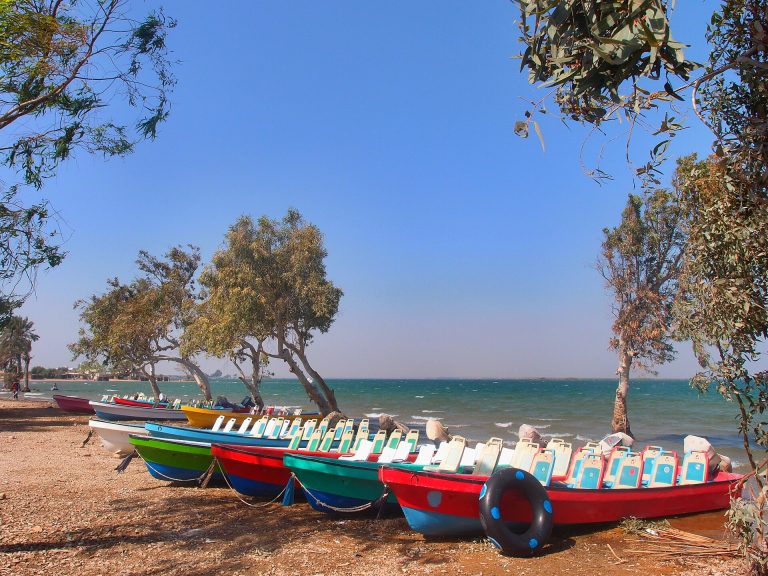
Thatta is also known for weaving cotton and silk lungi cloth, and the surrounding district grows sugarcane and breeds camels. To the north lies Keenjhar Lake, Pakistan's largest freshwater lake and a major source of Karachi's drinking water, which makes Thatta an easy and rewarding day trip from the city.