
Travel destination
Bhambore: The Ruined Port by Gharo Creek
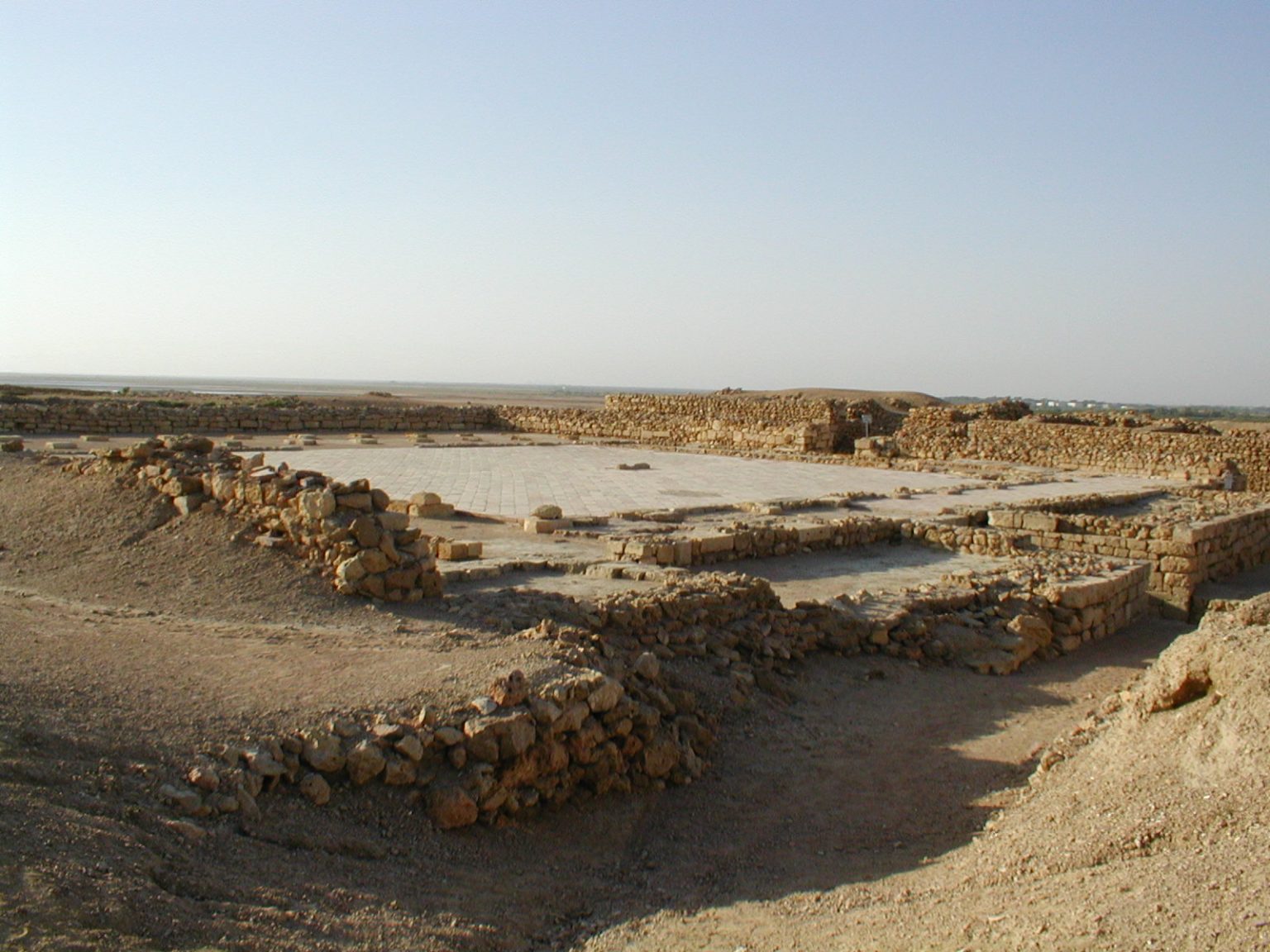
The walled ruins of an ancient and early Islamic port east of Karachi, with the ruins of one of the subcontinent's earliest dated mosques (727 CE) and a site museum.
- Thatta District, Sindh
- 1st century BCE to 13th century CE
- Best season November to February
Banbhore archaeological site, Thatta District
About Bhambore
On the northern bank of Gharo Creek, beside the National Highway between Dhabeji and Gharo, a low mound of walls and foundations marks the site of Bhambore (also spelt Banbhore), one of the oldest port settlements in Pakistan. UNESCO's tentative-list description puts it about 65 km east of Karachi and dates its occupation from the 1st century BCE to the 13th century CE. Archaeologists divide this long story into three periods: a Scytho-Parthian phase, a Buddhist phase, and an early Islamic phase beginning in the 8th century.
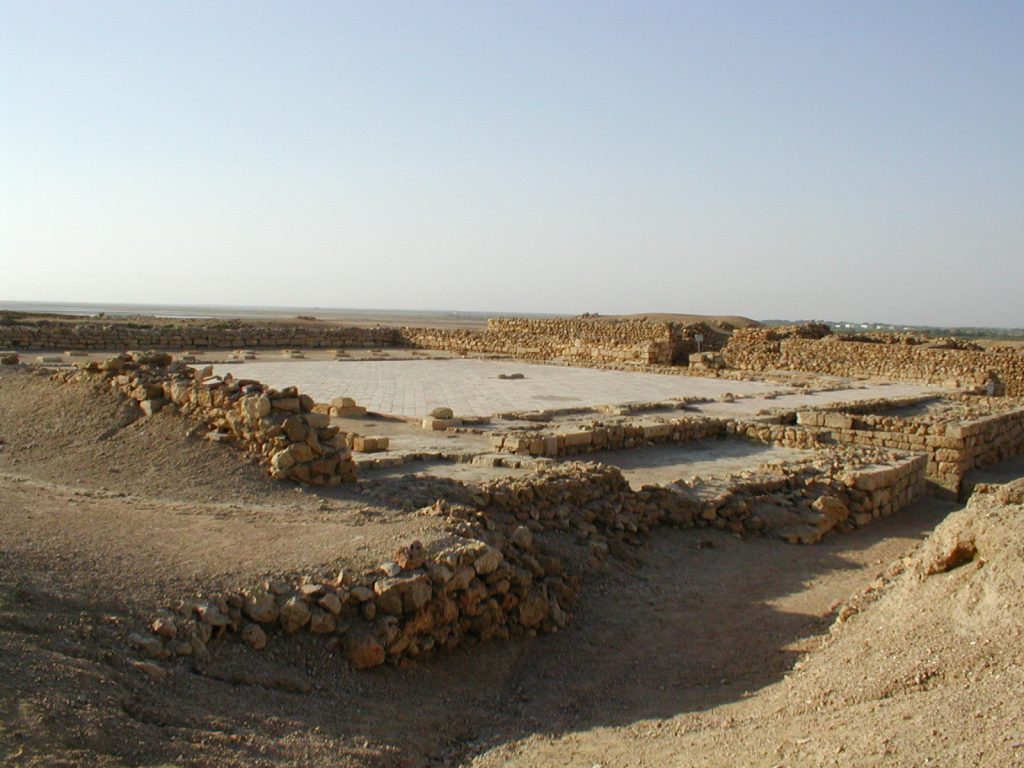
The site's best-known feature is its fortified citadel mound, about 10 m high and measuring roughly 610 by 305 m, enclosed by a limestone wall about 3 m wide with 46 rounded bastions and three gates. Inside are the traces of a grid of streets, an administrative quarter and an inn (serai). Outside the walls were suburbs and an industrial area where textile processing, glassmaking, glazing and metalworking took place. A large reservoir supplied drinking water.
Bhambore is especially famous for its mosque, a square stone building of about 34 by 35 m around a courtyard, with a prayer hall roofed on 33 wooden pillars. An inscription dated 727 CE, about 16 years after the Arab conquest of Sindh, makes it one of the earliest mosques in the subcontinent. Some historians and archaeologists have proposed that Bhambore is the historic port of Debal, which Muhammad bin Qasim captured in 711–712 CE, but this identification is not settled. The port declined as the Indus shifted its course and the creek silted up.
Bhambore is a quiet site, but it records the moment when the Indian Ocean trade, Buddhist Sindh and early Islam all met on one creek.
What to See
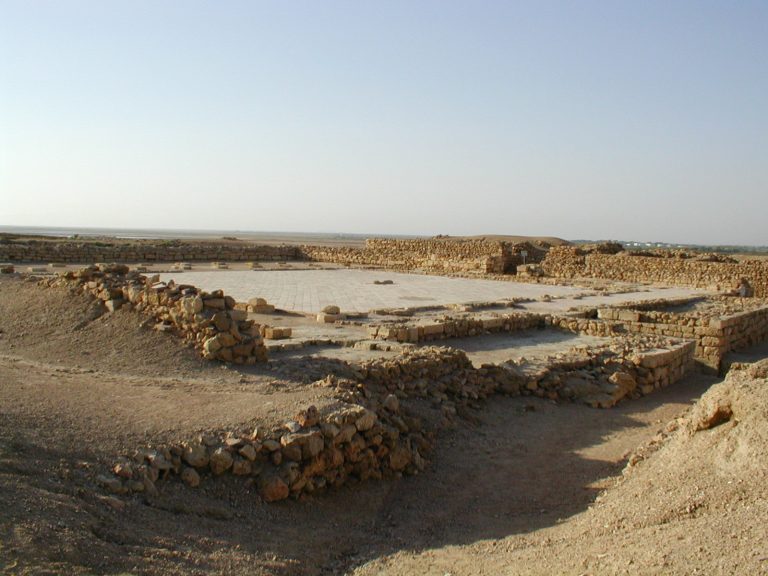 The 727 CE mosqueThe excavated mosque, rediscovered in 1960, preserves a square plan, courtyard and stone floor. Its inscription is among the earliest in the subcontinent.
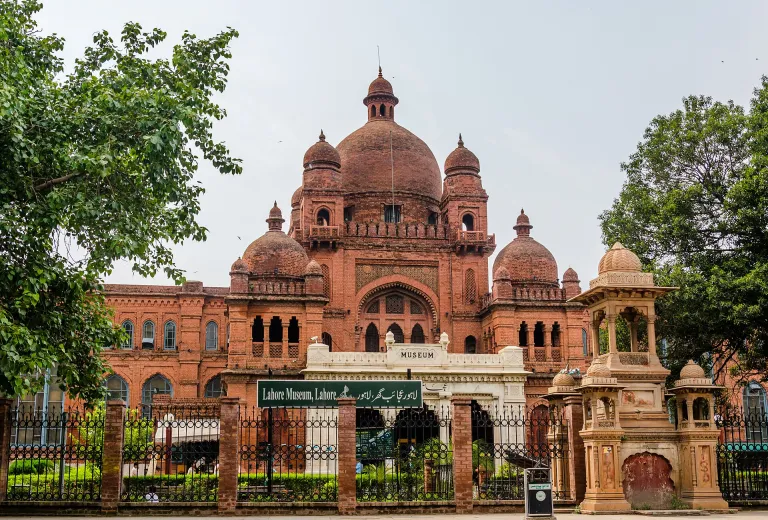 Banbhore MuseumThe site museum, run by the Sindh Culture Department, displays finds from the excavations; opening hours should be confirmed locally.
 Makli and ThattaThe great monuments of Thatta are a short drive further east.
A Port Through the Ages
1st century BCE - 2nd century CE
Scytho-Parthian port
The earliest phase identified by archaeologists on the creek shore.
2nd-8th centuries CE
Buddhist period
A flourishing port during the Buddhist era in Sindh.
711–712 CE
Arab conquest
Some scholars identify Bhambore with Debal, the port captured by Muhammad bin Qasim; the identification is not confirmed.
727 CE
Mosque inscription
An inscription dates the mosque, one of the earliest in the subcontinent.
11th-13th centuries
Decline
As the Indus changed course and the creek silted up, the port lost its trade and was gradually deserted.
1928–1965
Excavation
Preliminary digs in 1928 and 1951; extensive excavations led by F. A. Khan from 1958 into the mid-1960s.
2004
Tentative List
Submitted to UNESCO's Tentative List under cultural criteria iv, v and vi.
Plan Your Visit
Best Time to Visit
November to February
Mild, dry weather. The site is open and exposed; in summer visit early.
How to Reach
From Karachi by road
About 65 km east of Karachi on the National Highway (N-5), between Dhabeji and Gharo. A car with a driver or ride-hailing is the easiest way.
Where to Stay
Karachi or Thatta
The site is a half-day trip from Karachi; accommodation is in Karachi or Thatta.
Etiquette
Protected heritage
Stay on marked paths, do not climb walls or remove any objects, and respect the museum rules.
Photography
Check museum rules
Photography of the ruins is normally fine; ask at the museum about photography inside.
Advisories
Confirm locally
Opening hours, fees and access to the site and museum can change. Check with the Sindh Culture Department and check current advisories and local authority guidance.
Itinerary Ideas
- 1
Half-day
Visit Bhambore in the morning, spending time at the mosque, walls and museum, then lunch on the way back to Karachi.
- 2
One-day heritage loop
Chaukhandi Tombs, Bhambore, Shah Jahan Mosque and Makli, returning to Karachi in the evening.
- 3
Add birds
In winter add Haleji Lake for waterbirds.
Visit Responsibly
- Do not remove potsherds, bricks or other objects; every fragment is part of the record.
- Keep to paths and do not climb on excavated walls.
- Take rubbish with you and bring your own water.
- Respect the mosque as a historic religious site.
- Check opening arrangements to avoid overwhelming staff at the museum.
Bhambore Through Time
Every dated moment our guides record about Bhambore, from its own history and from national events that touched it. Each entry links to its source page.
- 727 CE
Mosque at Banbhore
An inscription found at the Banbhore mosque carries this date, which may record its construction.
- April 2014
Proposed Banbhore division
A seventh division, sometimes called Banbhore or Thatta, covering Thatta, Sujawal and Badin, was announced in April 2014 but never became an official administrative decision. Those districts remain in Hyderabad Division.
Do you remember Bhambore as it used to be? Share a memory or an old photo, our editors review every story before it appears.
Frequently Asked Questions
What is Bhambore?
The ruins of an ancient and early Islamic port on Gharo Creek, occupied from the 1st century BCE to the 13th century CE.
Is Bhambore the ancient port of Debal?
Some scholars think so, but the identification is not confirmed.
How old is the Bhambore mosque?
An inscription dates it to 727 CE, making it one of the earliest mosques in the subcontinent.
How far is Bhambore from Karachi?
About 65 km east, on the National Highway.
Is it a UNESCO World Heritage Site?
No. It was submitted to Pakistan's Tentative List in 2004.
Keep Exploring
Related places and stories on DailyLife.pk
 Makli NecropolisVisit Makli Necropolis near Thatta, Sindh: Jam Nizamuddin II
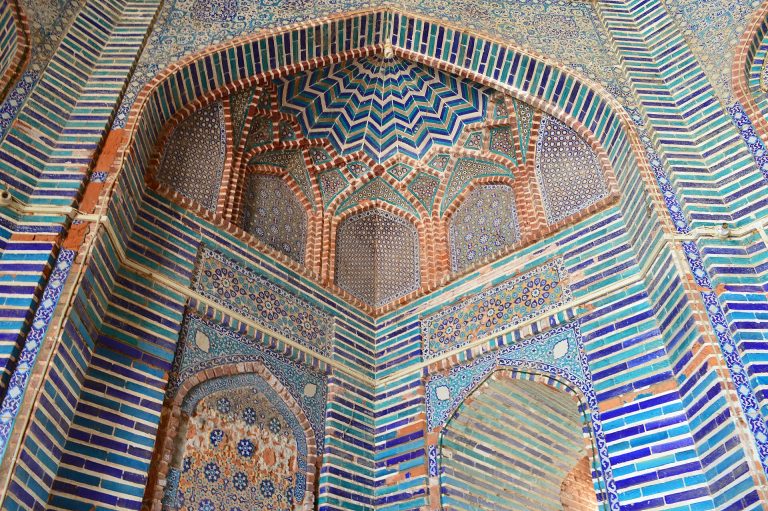 Shah Jahan Mosque, ThattaShah Jahan Mosque, Thatta: built 1644-1647 with 93 domes, blue tilework and famous acoustics.
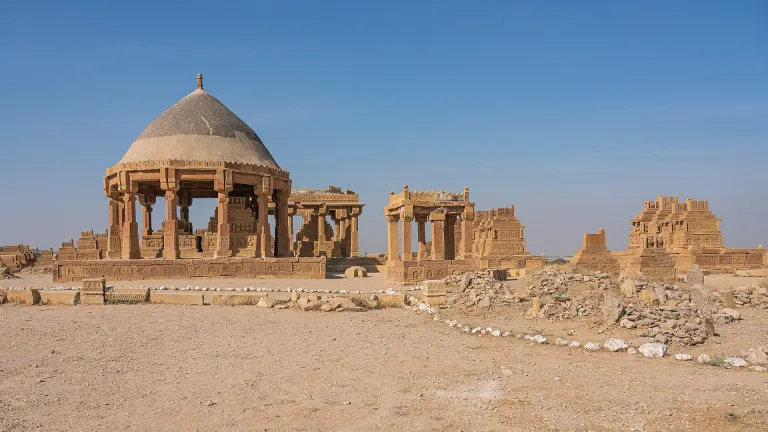 Chaukhandi TombsChaukhandi Tombs near Karachi: carved sandstone graves of the 17th-18th centuries, what the carvings mean
 Haleji LakeHaleji Lake near Thatta: Ramsar wetland and bird sanctuary, winter waterbirds, how it was made
 Karachi Coast and CliftonKarachi's coast: Mohatta Palace Museum, Clifton Beach and Sea View, Abdullah Shah Ghazi shrine, Do Darya
 KarachiKarachi travel guide: Mazar-e-Quaid, Mohatta Palace, Clifton, Burns Road, bazaars, neighbourhoods, Green Line BRT
How we know this
- Type Travel guide
- Sources 2 (1 official/academic)
- Reviewed October 2026
- Disputed points None
Rules and fees change, confirm with the official links below before you act.
2 sources
- Port of Banbhore, UNESCO World Heritage Centre - Tentative List
- Banbhore, Wikipedia (used to locate primary sources)
Photo credits (6)
- Grand Mosque at Banbhore.jpg, Mwaqas at English Wikipedia, CC BY-SA 3.0, via Wikimedia Commons
- Makli hills thatta sindh - UNESCO World Heritage Site.jpg, Yasir Dora, CC BY-SA 4.0, via Wikimedia Commons
- Front View of Lahore Museum.jpg, Muhammad Ashar, CC BY-SA 3.0, via Wikimedia Commons
- Shahjahan Mosque Thatta Sindh 1.JPG, Ghazimemon, CC BY-SA 4.0, via Wikimedia Commons
- PK Chaukhandi Necropolis near Karachi asv2020-02 img08.jpg, A.Savin, FAL, via Wikimedia Commons
- Halaji Lake.jpg, Iqran Rasheed, CC BY-SA 4.0, via Wikimedia Commons
