
Travel destination
Haleji Lake: A Karachi Reservoir Turned Bird Sanctuary
A man-made freshwater lake near Thatta, a Ramsar wetland and wildlife sanctuary where tens of thousands of waterbirds winter among the reeds.
- Thatta District, Sindh
- Ramsar wetland since 1976
- Best season November to February
Haleji Lake, Thatta District, Sindh
About Haleji Lake
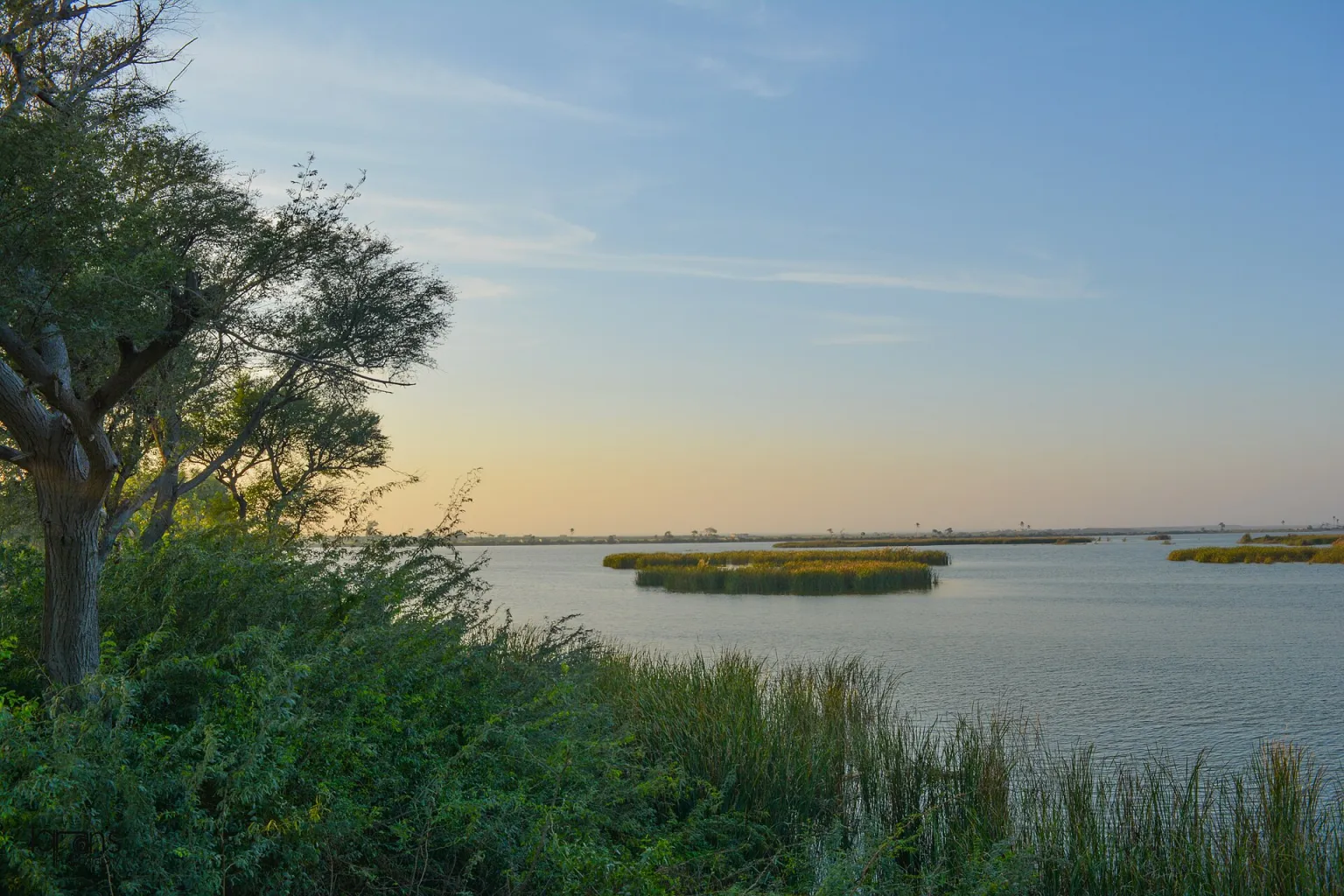
Haleji Lake lies in Thatta District, off the road between Karachi and Thatta. It is an artificial freshwater lake: until the 1930s the site was a saline lagoon, and the British administration of Sindh turned it into a reservoir to increase Karachi's water supply, completing the work in 1943 by draining the salt water, building an embankment and filling the basin through a canal from the Indus. Water levels fluctuate, and brackish seepage lagoons and thick aquatic vegetation fringe the main body of water.
That mix of fresh and brackish water, reeds and open water is ideal for birds. The Ramsar Convention, which listed Haleji on 23 July 1976 (site no. 101), describes it as one of southern Pakistan's most important breeding, staging and wintering areas for waterbirds, with an estimated 50,000 to 100,000 birds each year. Species mentioned in the Ramsar summary include the Dalmatian pelican, European (Eurasian) wigeon and black coot, and thousands of black-crowned night herons roost here. Wikipedia's account adds cotton teal, Indian spot-billed duck, purple moorhen and pheasant-tailed jacana, and notes that egrets and herons breed at the lake. The lake is nationally protected as a wildlife sanctuary.
For visitors, Haleji is a quieter alternative to Keenjhar Lake, with less boating and picnic traffic and more emphasis on watching birds. Winter is the time to come, when migrants from Central Asia and beyond join the resident species. Bring binoculars and be prepared for a modest set of facilities.
Haleji began as an engineering project and became, almost by accident, one of Sindh's best places to watch birds.
Highlights
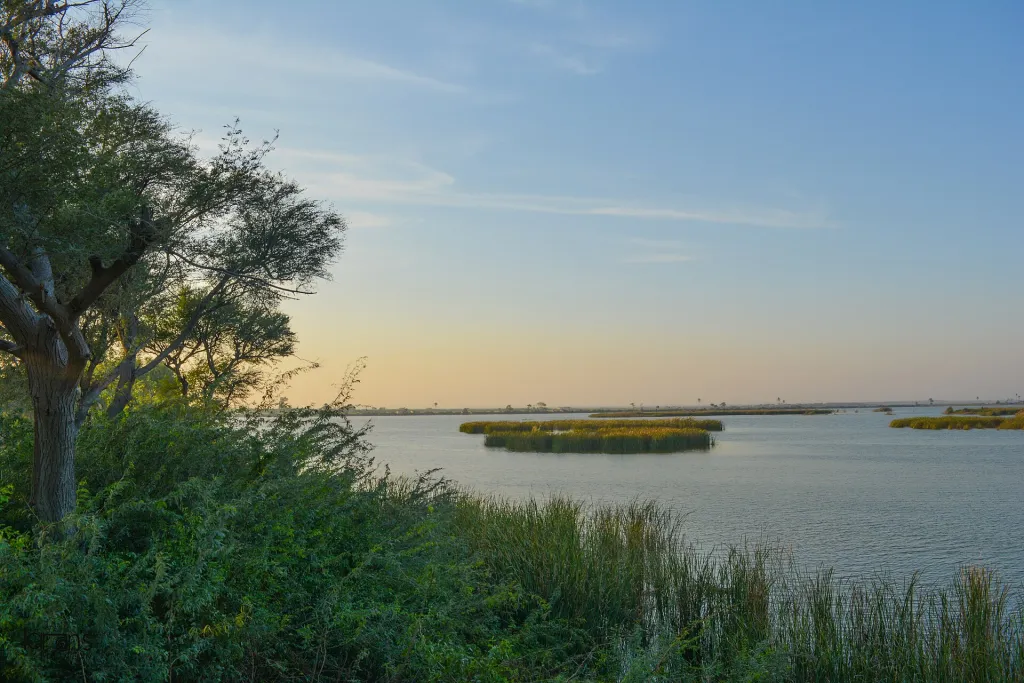
 Winter waterbirdsFrom November to February ducks, coots, herons and other waterbirds gather on the open water and in the reeds. Mornings are best.
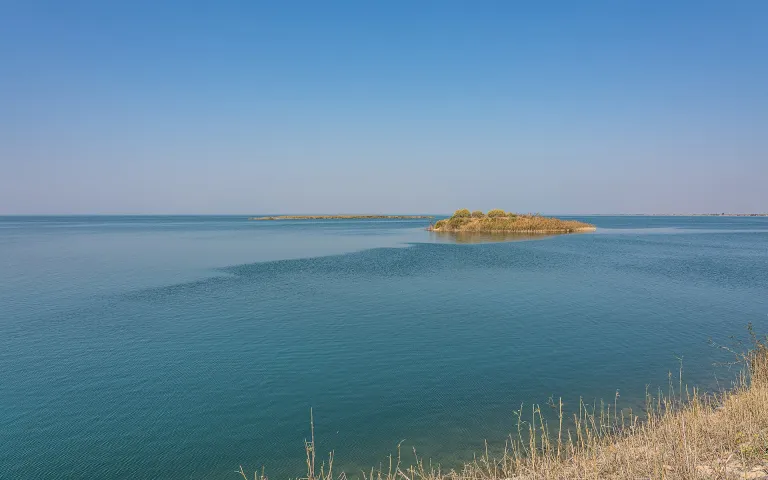 Keenjhar LakeThe larger Ramsar lake nearby, with the shrine of Noori and Jam Tamachi.
 Thatta and MakliThe historic mosque and necropolis of old Thatta lie a short distance away.
Plan Your Visit
Best Time to Visit
November to February
Migratory birds are present and weather is mild. Summers are very hot and humid, and bird numbers are lower.
How to Reach
By road from Karachi
Haleji lies in Thatta District off the highway towards Thatta; sources give a road distance from Karachi of roughly 70 to 100 km depending on route. Use a map app and confirm the turn-off locally.
Where to Stay
Karachi or Thatta
There is little accommodation at the lake. Stay in Karachi or Thatta, or check the Sindh Tourism Development Corporation for rest-house options.
Birdwatching
Early morning and dusk
Bring binoculars and a field guide, keep still, and let the birds come to you. Quiet shoreline stretches are better than crowded picnic areas.
Etiquette
Quiet and respectful
Keep noise to a minimum. Picnicking is popular with local families, especially on weekends; visit on a weekday for the best birding.
Safety
Reptiles and water
Tourism sources report crocodiles in the lake; keep well away from the water's edge and never swim. Check current advisories and local authority guidance, and confirm whether any entry arrangements apply to the sanctuary.
Itinerary Ideas
- 1
Half-day birding trip
Leave Karachi before dawn, spend the first light watching waterbirds, and return by midday.
- 2
Thatta day trip
Combine Haleji with Bhambore, the Shah Jahan Mosque and Makli Necropolis, and add Keenjhar Lake if time allows.
- 3
Winter birding weekend
Base yourself in Thatta or Karachi for two mornings, one at Haleji and one at Keenjhar, comparing the birds.
Visit Responsibly
- Keep your distance from roosting and nesting birds; never use flash or play recordings to attract them.
- Take all rubbish and plastic with you; the lake is a protected sanctuary.
- Do not feed wildlife or throw objects at birds or reptiles.
- Respect the sanctuary rules and any closures posted by the Sindh Wildlife Department.
- Keep drones out of bird areas unless you have explicit permission.
Frequently Asked Questions
Is Haleji Lake natural?
No. It was a saline lagoon until the 1930s and was converted into a freshwater reservoir for Karachi's water supply, with works completed in 1943.
What birds can I see?
Waterbirds such as wigeon, coots, ducks, herons, egrets and night herons; the Ramsar summary also mentions the Dalmatian pelican.
When is the best time to visit?
November to February, when migratory birds are present.
Is Haleji a Ramsar site?
Yes, designated on 23 July 1976 (site no. 101), and it is also a wildlife sanctuary.
Is it safe to swim?
No. Do not swim, and keep away from the water's edge since crocodiles are reported in the lake.
Keep Exploring
Related places and stories on DailyLife.pk
Keenjhar LakeVisit Keenjhar Lake near Thatta: Ramsar wetland, winter birds, Noori Jam Tamachi shrine, boating, STDC resort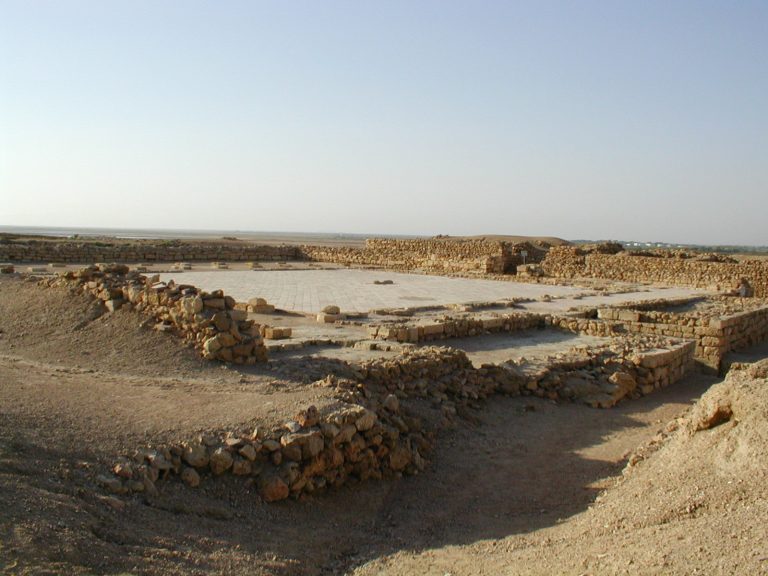 BhamboreVisit Bhambore (Banbhore), the ruined port on Gharo Creek near KarachiMakli NecropolisVisit Makli Necropolis near Thatta, Sindh: Jam Nizamuddin II
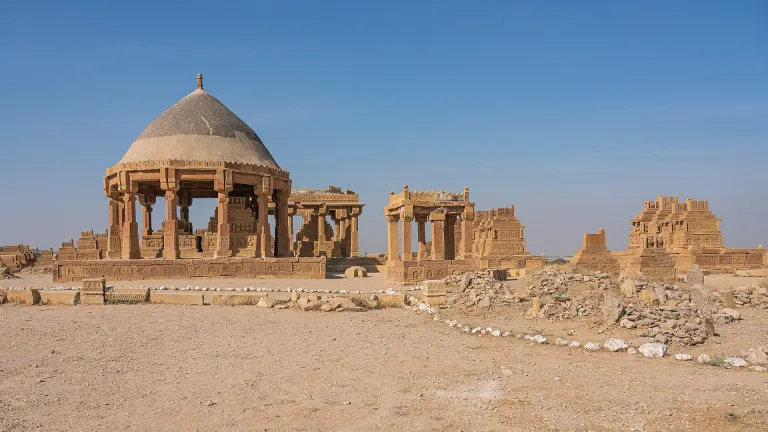 Chaukhandi TombsChaukhandi Tombs near Karachi: carved sandstone graves of the 17th-18th centuries, what the carvings mean
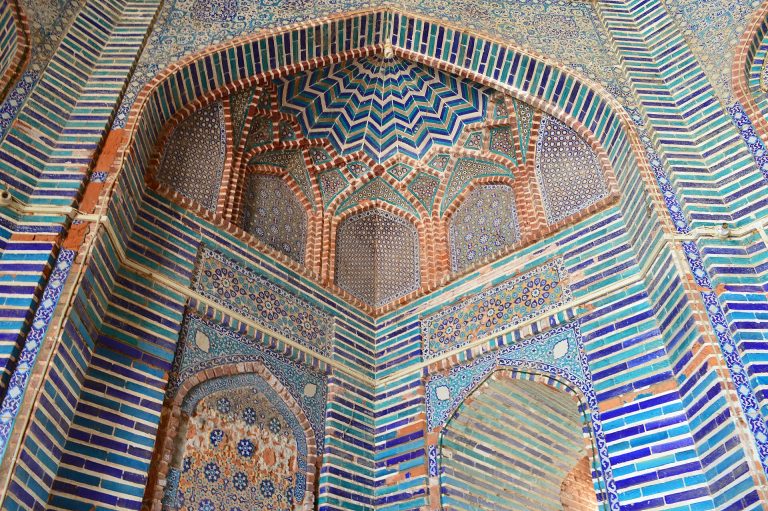 ThattaThatta city guide: Makli Necropolis, the Shah Jahan Mosque, Keenjhar Lake, history, 2023 Census population
 KarachiKarachi travel guide: Mazar-e-Quaid, Mohatta Palace, Clifton, Burns Road, bazaars, neighbourhoods, Green Line BRT
How we know this
- Type Travel guide
- Sources 3
- Reviewed October 2026
- Disputed points None
Rules and fees change, confirm with the official links below before you act.
3 sources
- Haleji Lake - Ramsar site no. 101, Ramsar Sites Information Service
- Haleji Lake, Wikipedia (used to locate primary sources)
- Haleji Lake, Visit Silk Road (tourism portal)
Photo credits (6)
- Halaji Lake.jpg, Iqran Rasheed, CC BY-SA 4.0, via Wikimedia Commons
- PK Keenjhar Lake near Thatta asv2020-02 img1.jpg, A.Savin, FAL, via Wikimedia Commons
- Nizam al-Din Tomb, Makli Hill, Sindh..jpg, Asultan, CC BY-SA 3.0, via Wikimedia Commons
- Grand Mosque at Banbhore.jpg, Mwaqas at English Wikipedia, CC BY-SA 3.0, via Wikimedia Commons
- Shahjahan Mosque Thatta Sindh 1.JPG, Ghazimemon, CC BY-SA 4.0, via Wikimedia Commons
- PK Chaukhandi Necropolis near Karachi asv2020-02 img08.jpg, A.Savin, FAL, via Wikimedia Commons
