
Food for travellers
Eating in Pakistan with Dietary Needs
Halal is the default, alcohol is tightly restricted, and vegetarians eat better than they expect. How to manage vegetarian, vegan, gluten-free and allergy diets, and what to say in Urdu.
- Halal by default
- Daal, sabzi and chana everywhere
- "Main sabzi khor hoon", I'm vegetarian
Pakistan
What to expect
Pakistan is a Muslim-majority country, and that shapes the table. Meat sold and served is expected to be halal, pork is effectively absent, and alcohol is illegal for Muslims. For Muslim visitors this makes eating easy; for others, the main questions are about vegetarian food, alcohol and allergies.
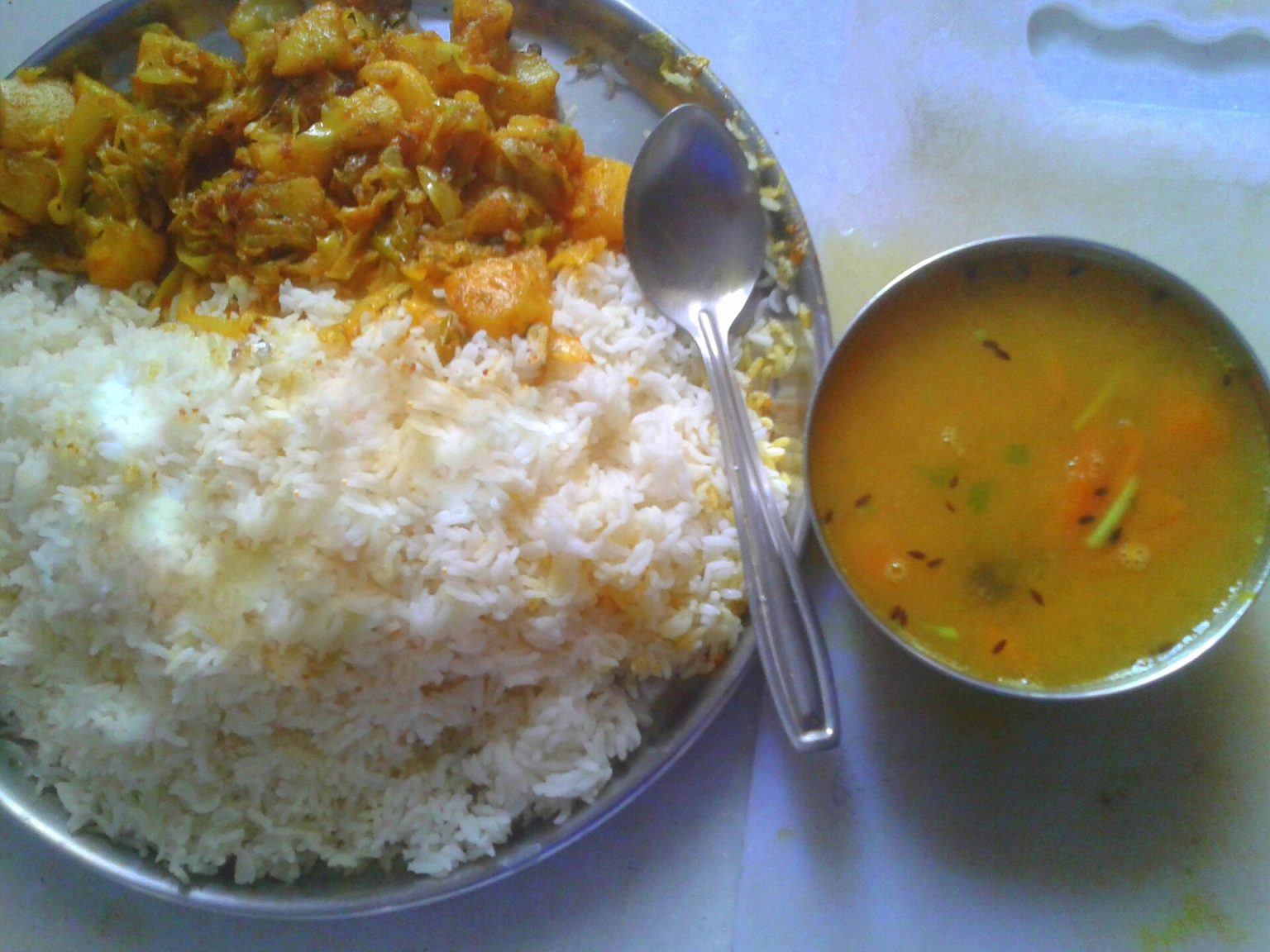
The good news for vegetarians is that the everyday food of Pakistani homes, daal, chickpeas, seasonal vegetables, rice and bread, is largely meat-free. The challenge is that restaurant menus, hospitality and festive cooking lean heavily on meat, and a 'vegetable' dish may be cooked in meat stock or alongside it. Clear communication solves most of this.
Halal as the default
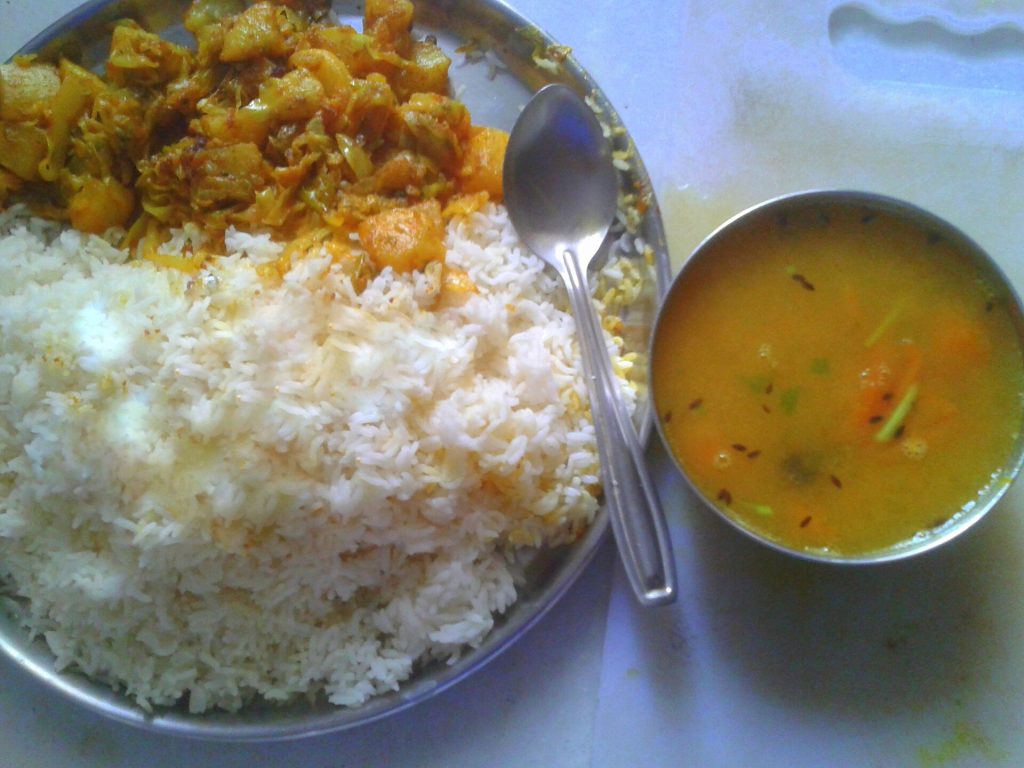
In everyday Pakistani food, chicken, mutton, beef and fish are assumed to be halal, and most diners never ask. At a national level the Pakistan Halal Authority, set up by an act of parliament, is responsible for ascertaining the halal status of products, processes and services in the domestic market and in imports and exports; its rules were approved by the federal cabinet in 2021, Profit reported.
Imported packaged foods, sweets, gelatine products and international chains are where questions occasionally arise. Look for halal labelling on imported items, and ask if you have concerns. Pork products are not part of local cuisine; under the Customs rules summarised in our visa guide, importing pork is illegal.
Vegetarian and vegan eating
Dishes you can find almost anywhere, follow the links for recipes.
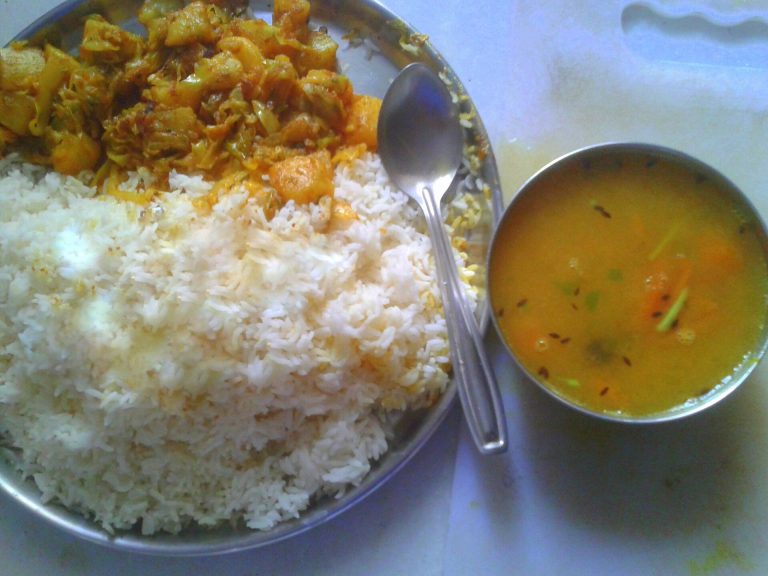 Daal chawalLentils with rice: the comfort food of the nation and usually meat-free.Chana masalaSpiced chickpeas, served at breakfast with puri or as a main.Aloo gobi and seasonal sabziPotato and cauliflower, okra, spinach, gourds, the daily vegetable dishes.Sarson ka saagPunjab's winter mustard greens with makki ki roti. Often finished with butter or ghee.
Tips for vegetarians and vegans
- Say you don't eat meat, chicken or fish, some people do not count chicken or fish as 'meat'.
- Ask whether a dish is cooked in meat stock (yakhni) or with bones; pulao often is.
- Vegans: ghee, butter, cream, yoghurt (dahi, raita) and paneer are common. Ask for oil instead of ghee.
- Shared oil and utensils are normal at street stalls; strict vegetarians may prefer dedicated vegetarian dishes at home-style restaurants.
- Hosts may insist on serving meat as a sign of honour; explaining that it is for religious or health reasons is usually understood.
- Our recipe collection has a full vegetarian and daal section, and a guide to cooking daal and beans.
Gluten-free and allergies
Gluten
Wheat is everywhere
Roti, naan, paratha and many snacks are wheat-based. Rice dishes, makki (maize) roti and grilled meats or kebabs are good alternatives, but check for wheat-based binders and batter (besan, gram flour, is gluten-free).
Nuts
Sweets and kormas
Almonds, pistachios and cashews appear in kormas, biryanis, mithai and kheer. Ask about nuts and nut pastes in rich gravies.
Dairy
Ghee, cream, dahi
Dairy is central to the cuisine. Tea is usually made with milk; ask for black tea (kali chai) or green tea (sabz chai, qehwa).
Serious allergies
Plan ahead
Labelling and kitchen awareness of allergies are limited. Carry a written card in Urdu, your medication and an adrenaline auto-injector if prescribed.
How to ask in Urdu
More in our Urdu phrases for travellers guide.
| English | Urdu | Pronunciation |
|---|---|---|
| I'm vegetarian | میں سبزی خور ہوں | main sabzi khor hoon |
| Without meat | گوشت کے بغیر | gosht ke baghair |
| Is there meat in this? | کیا اس میں گوشت ہے؟ | kya is mein gosht hai? |
| Is there egg in this? | کیا اس میں انڈا ہے؟ | kya is mein anda hai? |
| Less chilli, please | مرچ کم، براہِ مہربانی | mirch kam, baraa-e-meharbaani |
| Without sugar | چینی کے بغیر | cheeni ke baghair |
| Bottled (mineral) water | منرل واٹر | minral vaatar |
First, second and last phrases from our Urdu phrases guide.
Eating during Ramadan
During Ramadan many restaurants close in daylight hours and eating, drinking or smoking in public during fasting hours is frowned on and restricted by law. Hotels usually serve guests discreetly. Evenings come alive with iftar spreads, a great time for vegetarians to graze pakoras, chaat and fruit. See Ramadan in Pakistan and our Urdu phrases for travellers.
Frequently Asked Questions
Is all food in Pakistan halal?
Meat served in Pakistan is expected to be halal, and pork is not part of the local cuisine. The Pakistan Halal Authority oversees halal status for products and trade. Check labels on imported packaged foods.
Can tourists drink alcohol in Pakistan?
Non-Muslims may drink only with a licence from the authorities, and never in public, according to the UK FCDO; drinking is illegal for Muslims, and supplying alcohol to Muslims is illegal. Importing alcohol is illegal.
Is it easy to be vegetarian in Pakistan?
Easier than many expect: daal, chickpeas, vegetable curries, rice and breads are everyday food. Ask whether dishes are cooked in meat stock, and explain clearly that you do not eat chicken or fish either.
Can vegans eat in Pakistan?
Yes, with care. Ghee, butter, yoghurt, cream and milky tea are common, so ask for dishes cooked in oil and order black or green tea.
Is gluten-free food available?
Wheat bread is at the heart of most meals, but rice dishes, maize roti, grills and gram-flour (besan) snacks offer options. Cross-contamination is common, so coeliacs should be cautious.
How do I say I'm vegetarian in Urdu?
"Main sabzi khor hoon" (میں سبزی خور ہوں). Add "gosht ke baghair", without meat.
Keep Exploring
Related places and stories on DailyLife.pk
 Urdu Phrases for Travellers78 essential Urdu phrases for visitors to Pakistan, with Urdu script and easy pronunciation: greetings, bargaining
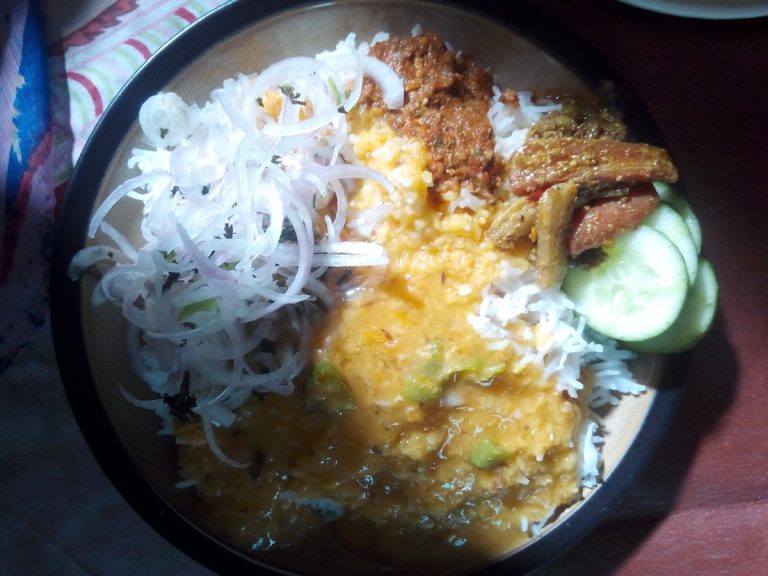 Cooking Daal and BeansCook Pakistani daal and beans: soaking times, pot vs pressure cooker, the tarka
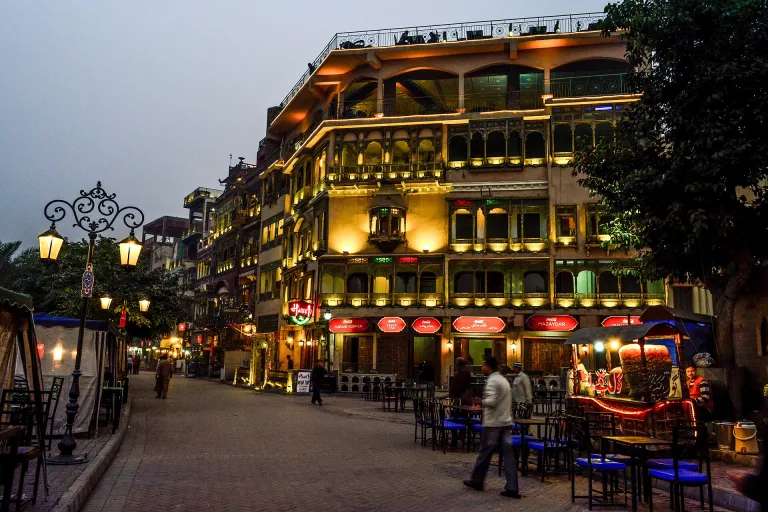 Pakistani Street FoodPakistani street food city by city: Lahore, Karachi, Peshawar, Quetta and Multan's signature dishes
 Etiquette and Culture for VisitorsPakistan etiquette for visitors: greetings, modest dress, eating with the right hand, mosques and gurdwaras, photography
 Ramadan in PakistanRamadan (Ramazan) in Pakistan: sehri and iftar customs, iftar foods, taraweeh
 Food and Water Safety for VisitorsPakistan food and water safety: tap and bottled water, street food tips, stomach upsets
How we know this
- Type Practical guide
- Sources 6 (2 official/academic)
- Reviewed October 2026
- Disputed points None
Rules and fees change, confirm with the official links below before you act.
6 sources
- Pakistan travel advice: Safety and security, UK Foreign, Commonwealth & Development Office
- The Prohibition (Enforcement of Hadd) Order, 1979, pakistani.org (text of the Order)
- The Prohibition (Enforcement of Hadd) Order, 1979 (PDF), Excise, Taxation & Narcotics Control Department, Khyber Pakhtunkhwa
- Cabinet approves long-awaited Halal Authority rules, Profit (Pakistan Today)
- Pakistan international travel information, US Department of State
- Ehteram-i-Ramazan Ordinance amendment approved by federal cabinet (January 2018), Dawn
Photo credits (1)
- Rice and Daal with Allo-Pyaaz Ki Sabzi.jpg, Nami Verma, CC BY-SA 4.0, via Wikimedia Commons
