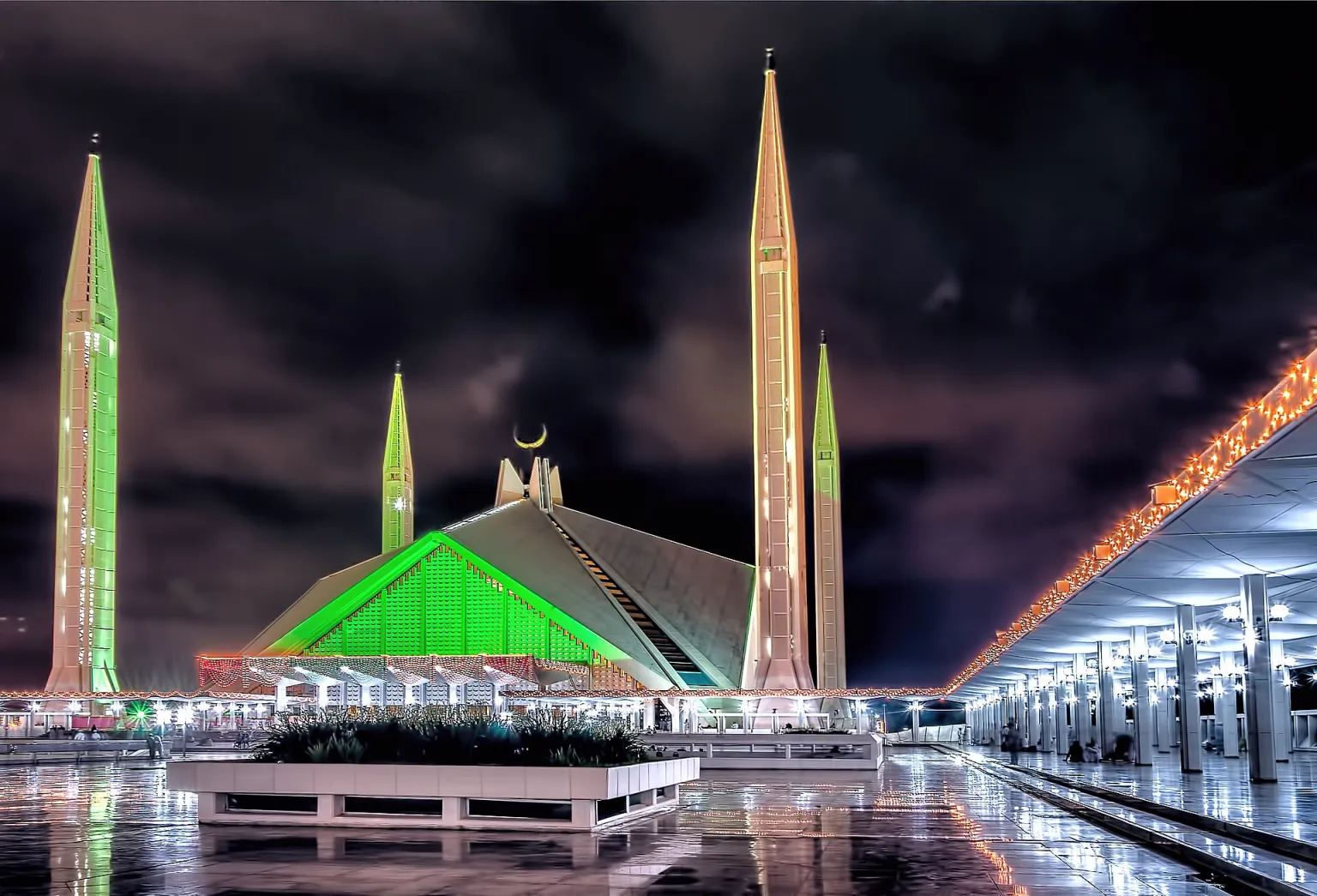
The Faisal Mosque lit up at night during Ramadan

Culture & Faith

Ramadan in Pakistan: SehriIftar and Chand Raat

Pre-dawn sehri, the hush before sunset, pakoras and Rooh Afza at iftar, taraweeh prayers and the bazaars of Chand Raat: how Pakistan observes the month of fasting.

  • Ninth month of the Islamic calendar
  • Fast from dawn to sunset
  • Dates follow the moon

Faisal Mosque, Islamabad

29 or 30 daysLength of the month, set by moon sightingIslamic lunar calendar
About 11 daysHow much earlier Ramadan falls each yearLunar year is shorter than the solar year
1981Ehtram-e-Ramazan Ordinance on public eating during fasting hoursDawn, 2018
1948Hamdard, maker of Rooh Afza, opened in KarachiDawn, 2016

About Ramadan in Pakistan

Ramadan, usually pronounced Ramazan in Pakistan, is the ninth month of the Islamic calendar, when Muslims fast from dawn until sunset, abstaining from food, drink and smoking. Fasting in Ramadan is one of the five pillars of Islam. In a country where the great majority of people are Muslim, the month reshapes daily life: office hours shorten, restaurants close by day and reopen at dusk, television schedules fill with religious and cooking programmes, and cities come alive late into the night.

The day is framed by two meals. Sehri is eaten before the first light of dawn, and the fast is broken at sunset with iftar, traditionally beginning with a date and water, followed by fried snacks, fruit and sweet drinks. Evenings bring the special taraweeh prayers in mosques, and the month ends with the sighting of the new moon, the shopping frenzy of Chand Raat and the celebration of Eid-ul-Fitr.

Because the Islamic calendar is lunar, Ramadan begins about 11 days earlier each year by the Gregorian calendar, moving gradually through the seasons. Summer fasts are long and hot; winter fasts are short. Exact dates are never fixed in advance, they depend on the sighting of the moon.

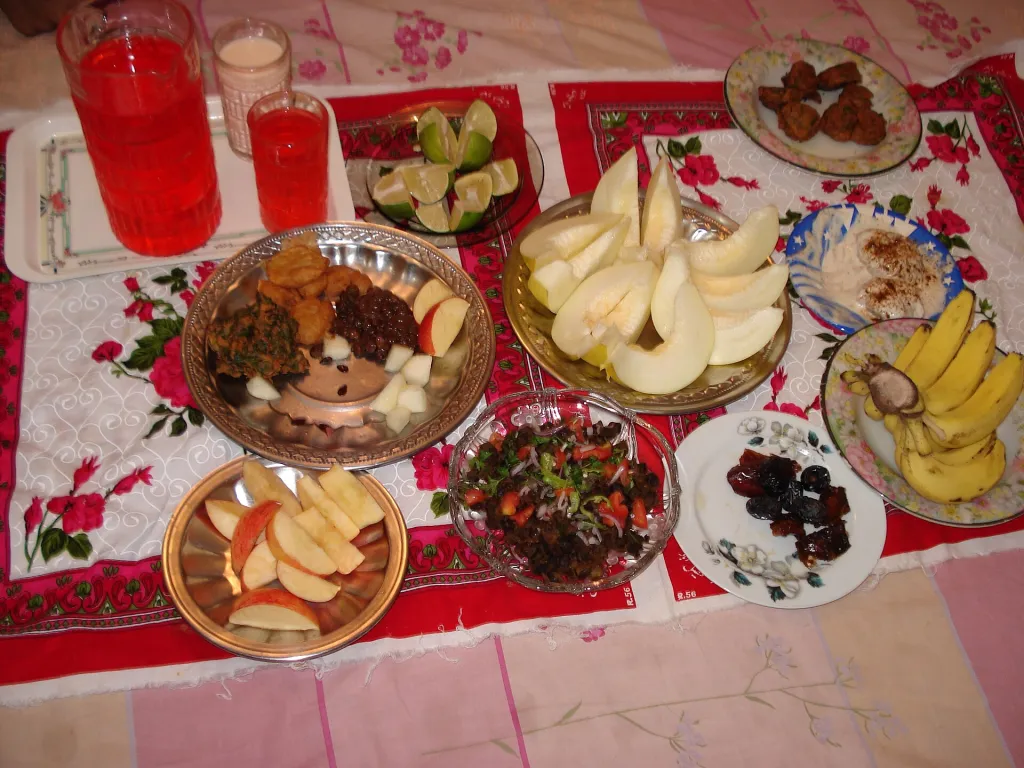
An iftar spread of dates, fruit, pakoras and sharbat
An iftar spread of fruit, pakoras and snacks.

A Day in Ramadan

  1. Before dawn

    Sehri

    Families wake in the dark to eat a filling meal, parathas, eggs, yoghurt, khajla and pheni with milk, leftover curry, chai. Mosque loudspeakers announce when eating must stop.

  2. Dawn

    Fajr prayer and the fast begins

    After the dawn prayer many people sleep for a while before work or school.

  3. Daytime

    Shorter working hours

    Offices and schools typically run shorter hours, and daytime restaurants close or serve only takeaway behind curtains.

  4. Late afternoon

    Iftar shopping

    Bazaars fill with people buying pakoras, samosas, jalebi, dates and fruit; traffic peaks in the hour before sunset.

  5. Sunset

    Iftar

    The call to the Maghrib prayer signals the end of the fast. Streets fall quiet as families, colleagues and strangers break the fast together.

  6. Night

    Isha and taraweeh

    Long congregational prayers follow the night prayer; many mosques aim to recite the whole Quran over the month. Shops and food streets stay open late.

The Iftar Table

Iftar is as much a ritual as a meal, and some dishes appear almost every evening.

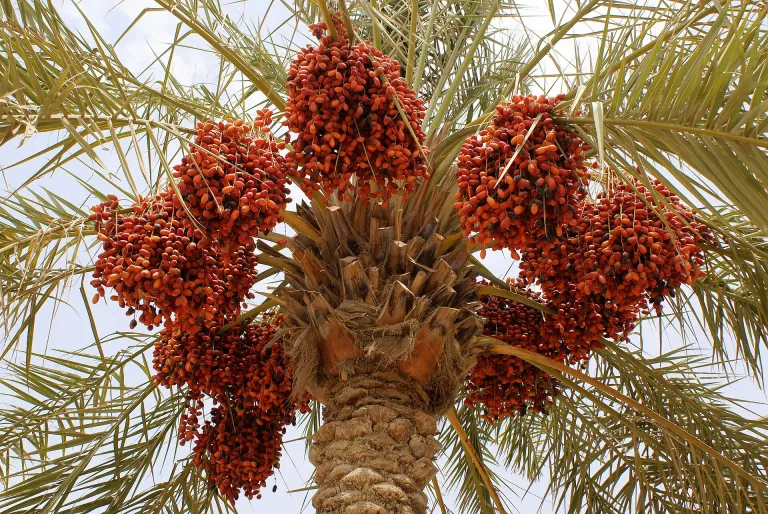
Dates, traditionally eaten to break the fastDates and waterThe fast is traditionally opened with a date and a sip of water before anything else.Tradition
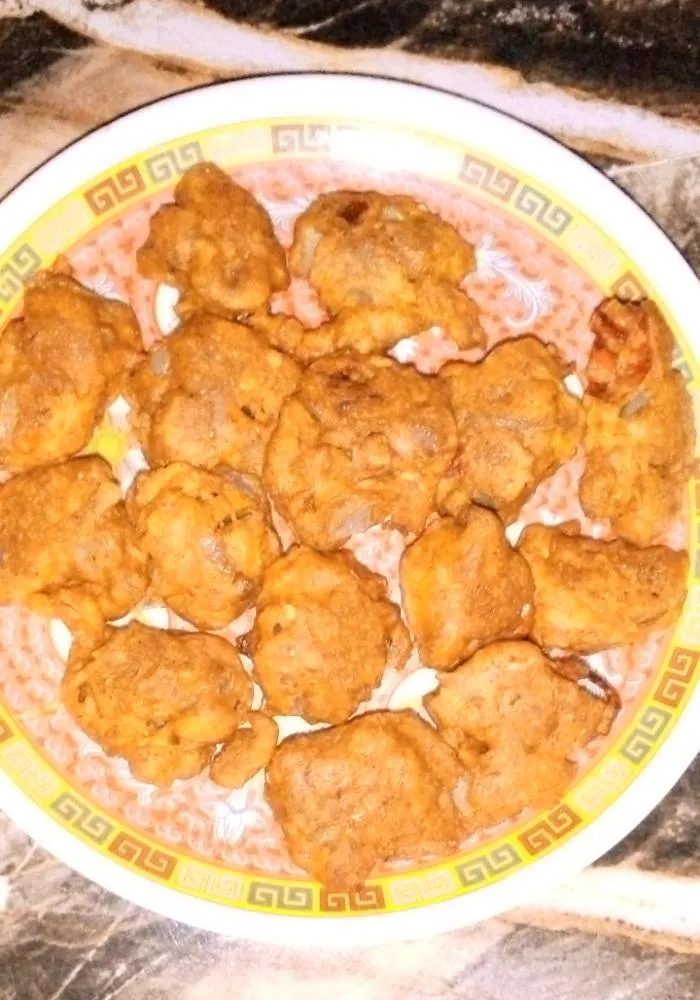
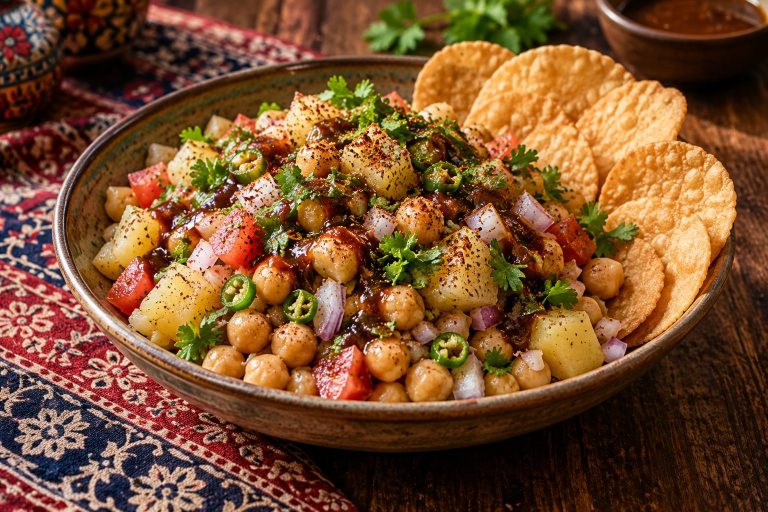
A plate of fried pakorasPakorayGram-flour fritters of potato, onion, spinach or chilli, fried fresh in every neighbourhood before sunset.FriedAloo Samosa: styled serving suggestion (illustration)SamosayCrisp triangular pastries filled with spiced potato or mince, sold by the dozen at iftar time.FriedChana Chaat: styled serving suggestion (illustration)Chana chaatBoiled chickpeas tossed with onion, tomato, tamarind and chaat masala, tangy and filling.Chaat
Fruit chaatChopped seasonal fruit with chaat masala and a squeeze of citrus. In Punjab's cities in particular, an iftar table is hardly complete without it.Fresh
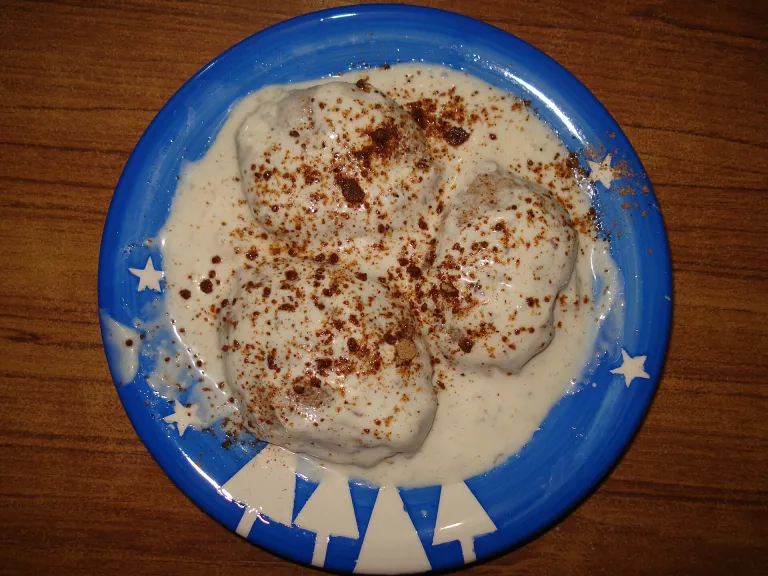
Dahi baray, lentil dumplings in spiced yoghurtDahi baraySoft lentil dumplings soaked in spiced yoghurt and topped with chutney.Yoghurt
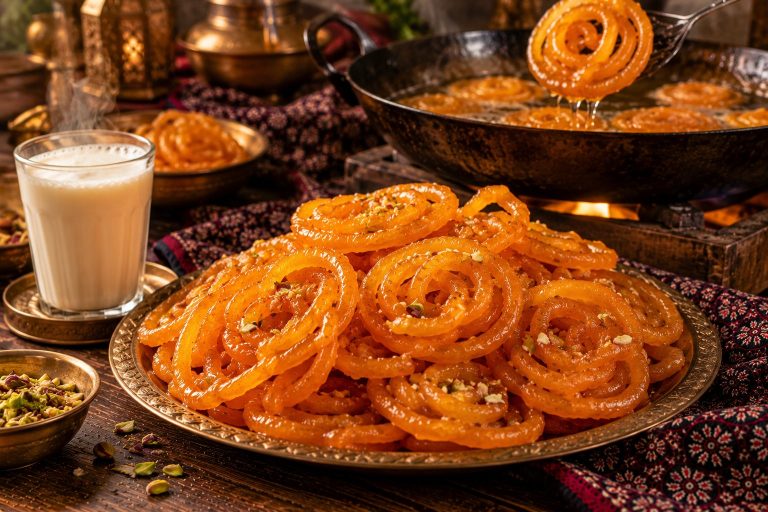
Jalebi: styled serving suggestion (illustration)JalebiSyrup-soaked spirals, bought hot from the karahi, the sweet note of iftar.Sweet
Rooh Afza and sharbatRed rose-flavoured syrups mixed with water or milk. Rooh Afza's maker, Hamdard, opened in Karachi in 1948, and the drink has been an iftar fixture ever since.Drink

Prayer, Charity and Community

Ramadan is above all a month of worship. Mosques are busier than at any other time of year, and the taraweeh prayers after the night prayer draw large congregations; in many mosques a hafiz recites the entire Quran over the course of the month, completing it on one of the final nights. The last ten nights are especially important: Muslims seek Laylat al-Qadr, the Night of Power, among the odd-numbered nights, and some men spend these days in seclusion in the mosque (i'tikaf). The 27th night is widely observed with special prayers, and major mosques such as the Faisal Mosque in Islamabad are lit up and crowded.

Charity is woven through the month. Many Pakistanis pay their annual zakat in Ramadan, and before Eid prayers each household gives fitrana (sadaqat-ul-fitr) so that poorer families can celebrate too. Mosques, charities and individuals set up free iftar tables (dastarkhwan) on roadsides and near hospitals and bus stations, where anyone can sit down to break the fast.

Not everyone fasts. Islam exempts children, the sick, travellers, the elderly and women who are pregnant, nursing or menstruating, and Pakistan's non-Muslim citizens do not fast. Many still join friends and neighbours at iftar.

Moon Sighting and the Ruet-e-Hilal Committee

Both the start of Ramadan and the date of Eid-ul-Fitr depend on sighting the new crescent moon. In Pakistan this is the job of the Central Ruet-e-Hilal Committee, which meets on the 29th evening of the preceding month, gathers testimony from zonal committees across the country and announces its decision on television. If the moon is not seen, the month runs to 30 days.

The process has a long history of controversy, particularly in Khyber Pakhtunkhwa, where unofficial local committees have sometimes announced the moon a day earlier than the central committee, leading to Eid on different days in different parts of the country. In May 2023 the National Assembly passed a bill to give the official committee a statutory basis, ban private moon-sighting bodies and penalise early broadcasts and false testimony; at that stage it still required the Senate's approval to become law.

For visitors, the practical lesson is simple: Ramadan and Eid dates are confirmed only a day in advance. Calendars and apps give expected dates, but plan flexibly around the start and end of the month, and check the official announcement and the federal government's holiday notification for Eid.

Chand Raat and Eid-ul-Fitr

Chand Raat

As soon as the Eid moon is announced, the last night of Ramadan becomes Chand Raat, 'night of the moon'. Markets that have been busy all month overflow: women and girls crowd stalls for glass bangles and have intricate henna (mehndi) designs painted on their hands, men hunt for shoes and last-minute clothes, and tailors who stopped taking orders days earlier work through the night. Shops stay lit until the early hours.

Eid-ul-Fitr

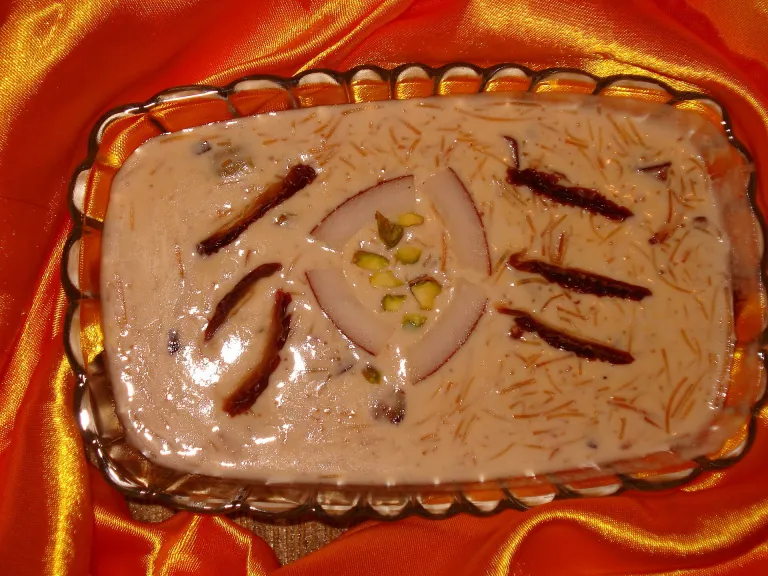
Eid morning begins with a bath, new clothes and the Eid prayer at a mosque or open-air eidgah. Then come visits to relatives, embraces, and Eidi, gifts of crisp new banknotes for children. Sheer khurma, a vermicelli and milk pudding with dates and nuts, is served to every guest. The federal government notifies public holidays for Eid, usually lasting several days, and many city dwellers travel to their home towns.

Explore
Rows of worshippers in the courtyard of the Badshahi Mosque at Eid

Tips for Visitors

Eating in public

Be discreet by day

The Ehtram-e-Ramazan Ordinance of 1981 prohibits eating, drinking and smoking in public places during fasting hours, and restaurants generally close by day. Eat in private, at your hotel or where food is discreetly served.

Timings shift

Shorter office hours

Government offices, banks and many businesses work reduced hours. Get errands done in the morning, and expect very heavy traffic just before iftar.

Travel

Book ahead for Eid

Trains, buses and flights fill up in the days before Eid as people head home. Book early and keep plans flexible, since Eid's date depends on the moon.

Join an iftar

Hospitality is warm

If you are invited to iftar, accept; arrive a little before sunset and wait for the call to prayer before eating. Free roadside iftars are open to all.

Dress

Modest clothing

Modest dress is appreciated at any time, and especially near mosques during Ramadan.

Health

Look after yourself

In summer, fasting days are long and hot. If you are not fasting, still drink plenty of water, privately, and avoid strenuous outdoor plans in the afternoon.

Frequently Asked Questions

When does Ramadan start in Pakistan?

Ramadan begins when the new crescent moon is sighted at the end of the month of Shaban, as announced by the Central Ruet-e-Hilal Committee. It moves about 11 days earlier each year, so check the official announcement close to the expected date.

Can non-Muslims eat in public during Ramadan in Pakistan?

Eating, drinking and smoking in public places during fasting hours is prohibited under the Ehtram-e-Ramazan Ordinance, and most restaurants close by day. Visitors should eat privately, for example at their hotel.

What is eaten at iftar in Pakistan?

The fast is opened with dates and water, followed by pakoras, samosas, chana chaat, fruit chaat, dahi baray, jalebi and sweet drinks such as Rooh Afza, before or after the sunset prayer; a fuller dinner may follow later.

What is Chand Raat?

Chand Raat ('night of the moon') is the eve of Eid, when the new moon is announced. Markets stay open late and women buy bangles and have henna designs applied.

Why does Eid sometimes fall on different days in Pakistan?

Eid depends on moon sighting. Most of the country follows the Central Ruet-e-Hilal Committee, but unofficial local committees, especially in parts of Khyber Pakhtunkhwa, have at times announced the moon earlier.

How we know this

  • Type Historical & cultural research
  • Sources 8 (2 official/academic)
  • Reviewed October 2026
  • Disputed points None

Rules and fees change, confirm with the official links below before you act.

8 sources
  1. Sawm (fasting), Encyclopaedia Britannica
  2. National Assembly passes Pakistan Ruet-e-Hilal Bill 2022, Dawn, 1 June 2023
  3. Cabinet approves amendments to Ehtram-e-Ramazan Ordinance, Dawn (Amir Wasim), 17 January 2018
  4. Ramazan, Pakistan and Rooh Afza: An ode to laal sharbats, Dawn (Fahad Naveed), 21 June 2016
  5. Pakistani Iftar tables remain incomplete without 'Fruit Chaat', Associated Press of Pakistan, 11 March 2025
  6. From Peshawari chappal to Kashmiri bangles: Eid shopping craze peaks ahead of Chand Raat, Associated Press of Pakistan, 18 March 2026
  7. Jalebi: a sweet Pakistani dessert, SOCH Outreach Foundation, Google Arts & Culture
  8. Public Holidays (notifications), Cabinet Division, Government of Pakistan
Photo credits (10)
Suggest a correction

Stay updated

Stay Connected with DailyLife.pk

Get new travel guides, recipes and stories from across Pakistan, no spam, unsubscribe any time.

Your Pakistan journey starts here

From majestic mountains to vibrant cities, rich cuisine to timeless traditions — discover the real Pakistan with DailyLife.pk.