
Ingredients & Spices · The complete guide
Lamb Brain (Maghaz): Traceable Buying and Gentle Cooking
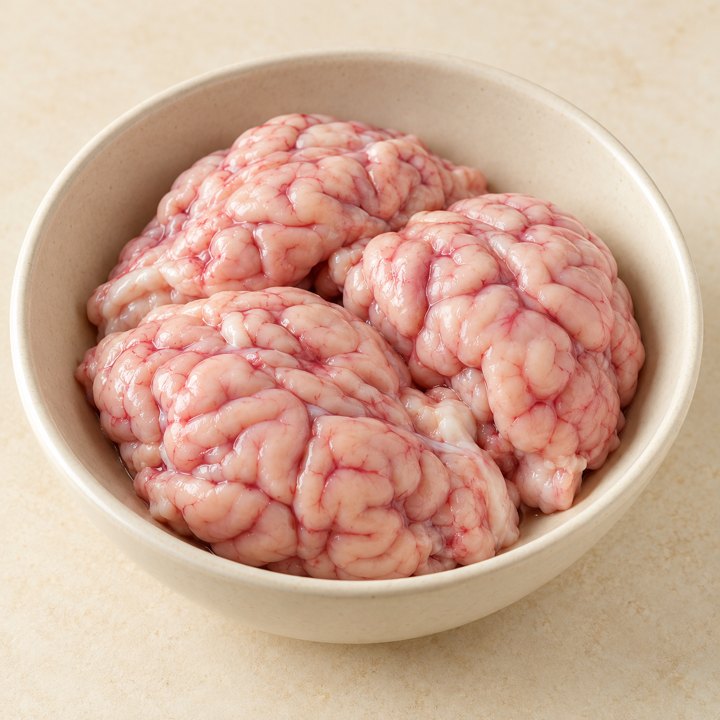
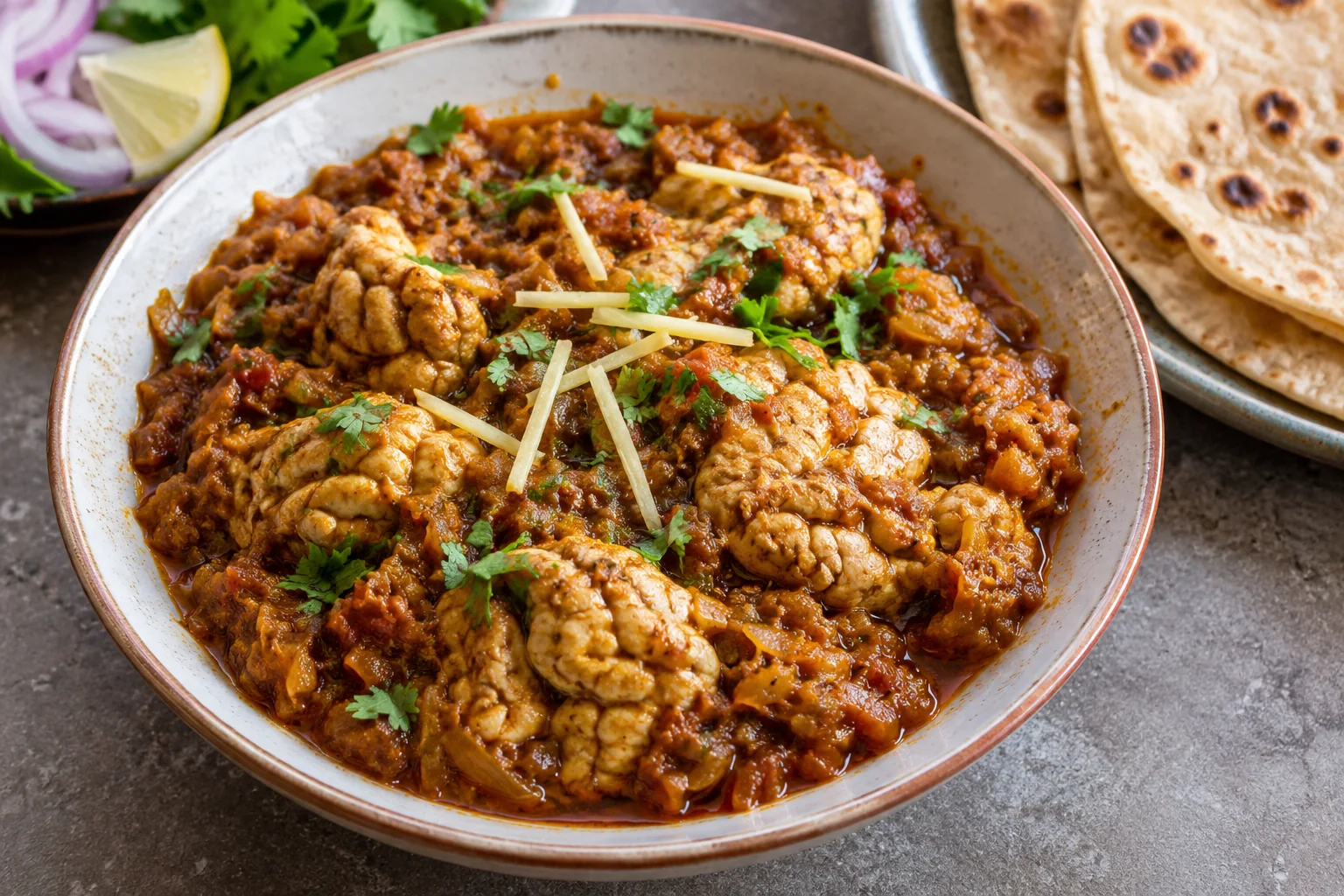
Lamb brain, commonly called maghaz or bheja, is a delicate organ with a soft texture and a rich mouthfeel. In Pakistani cooking it is often folded into a cooked onion and tomato masala, with ginger, chilli and coriander.
What maghaz is and when it suits the menu
Lamb brain, commonly called maghaz or bheja, is a delicate organ with a soft texture and a rich mouthfeel. In Pakistani cooking it is often folded into a cooked onion and tomato masala, with ginger, chilli and coriander. It breaks much more easily than liver, heart or boneless curry meat. Choose it for a small specialty dish when you have a reliable source and a recipe suited to its fragility, rather than expecting it to behave like an everyday meat cube.
It is a less suitable choice when the source is uncertain, when lawful food-chain controls cannot be explained or when guests do not enjoy very soft rich food. Nobody needs to eat brain to keep their own brain healthy. A household can choose another protein food without missing a unique required benefit. This guide is about lamb brain supplied for food; do not treat an unidentified brain, a head of unknown origin or a substituted animal as equivalent.
Traceability is the first safety decision
Ask the supplier to identify the species and food-grade source, explain applicable inspection and age controls, and supply a chilled product prepared for eating. Rules governing brain and other nervous tissue differ by country, animal and age. For example, the UK Food Standards Agency specified-risk-material guidance describes age-related restrictions for sheep and goats. This illustrates why traceability matters; it is not a statement of Pakistani law or proof that a locally sold product meets those rules.
Do not use appearance, whiteness, lack of odour or a seller's visual inspection as a guarantee against every hazard. Ordinary home boiling or pressure cooking should not be presented as a way to make prohibited or suspect nervous tissue acceptable. If the supplier cannot explain the origin and controls, choose a different ingredient. Ask for the brain separately packed rather than buried in mixed offal. A recipe begins after the food has been acceptably sourced; it cannot compensate for an uncertain supply chain.
Preparation and cooking: match the exact part
Buy only the amount you can use promptly. Keep it chilled during transport, place it in a covered leakproof container in the refrigerator and leave detailed handling until the recipe and equipment are ready. Have a raw-food board, a shallow bowl, clean utensils and the prepared masala ingredients available. A butcher-prepared product is preferable if you have no experience removing the membrane. Do not turn home preparation into a reconstruction of processing that should have been done by the supplier.
If your tested recipe calls for soaking, membrane removal or preliminary poaching, carry out those steps gently and keep waiting stages refrigerated. Discard soaking liquid, contain splashes and clean the area afterwards. A short preliminary poach can help the ingredient hold together, but it is not permission to chill partly cooked brain for an improvised later finish. Follow the recipe's full cooking sequence without a long warm interruption. Raw-contact utensils and hands should never touch ready-to-eat ginger, coriander, roti or the final serving bowl.
Build the onion, ginger, garlic, tomato and spice base separately so it is fully cooked before adding the delicate brain. Add the prepared organ gently and use a broad spoon to turn or fold it, rather than vigorous stirring that reduces everything to a paste. Control the heat and liquid so the masala does not catch while the pieces cook through. Neither a set-looking outside nor rich sauce colour proves a safe centre.
Use a tested source-specific method and a thermometer where the piece allows a reliable centre reading; USDA red-meat organ guidance uses 160°F (71.1°C), commonly rounded to 71°C. See USDA guidance on cooking organ meats. That bacterial-safety endpoint does not validate the origin of nervous tissue or remove the need for supply-chain controls. Do not offer a quick stir-fry time as a universal rule: size, initial temperature and the recipe's preparation stages differ. Serve once thoroughly cooked, with care to preserve the soft texture. If source-specific local guidance is stricter, follow it.
A broad spoon and a shallow pan can help preserve tender pieces while allowing an even sauce coating. Arrange the pieces in the pan as the recipe directs rather than piling them high and trying to stir heat into the middle. The aim is an evenly cooked dish, not a brief coating of raw brain with an already hot sauce.
Keep the nutrition claims modest

Brain supplies some protein and other nutrients, and its soft texture can make it appealing to people who like organ dishes. It is also cholesterol-rich, and a masala prepared with generous ghee or oil adds further fat and energy. There is no reason to describe maghaz as a memory booster, an intelligence food or a treatment for neurological disease. Eating a body part does not confer a special benefit to the matching human organ. A small portion in a varied meal is a culinary choice, not a cognitive-health prescription.
Someone following a clinician's cholesterol, cardiovascular, gout or renal diet should ask how this particular organ fits the plan. NIDDK guidance for chronic kidney disease emphasises individual nutrient needs; a rich organ dish cannot be labelled universally restorative. Pregnancy and impaired immunity also call for particular care with safe sourcing and thorough cooking. Discuss uncertainty with the relevant care team rather than interpreting a food article as personal clearance. Serve vegetables and a suitable staple alongside it so the meal offers more than a concentrated rich food.
Alternatives when this part does not suit the meal
When a reliable permitted source is unavailable, choose another food rather than accepting an unidentified organ. A soft egg dish or a separately prepared vegetable and pulse dish can offer a different but satisfying meal; neither needs to imitate brain texture exactly. Liver, kidney and heart each have different handling and nutritional limits, so swapping among organs is not a universal answer to a clinical restriction. Use a complete recipe for the replacement and its own food-safety guidance.
Buy for one meal and cool leftovers in small portions

Raw brain belongs to the short-storage variety-meat category: use or freeze within 1–2 days at 4°C or below and obey any stricter label instructions. Freezing preserves an acceptable ingredient; it does not cure questionable sourcing or earlier temperature abuse. Thaw in the refrigerator in a contained dish. Do not leave a delicate organ on the counter to defrost while the masala cooks or guests arrive.
Move cooked leftovers into small shallow containers and refrigerate within two hours, or one hour when the air is above 32°C. Properly handled cooked leftovers generally keep 3–4 days refrigerated; reheat the needed portion thoroughly to 74°C. USDA leftover guidance and FDA refrigeration advice support these handling rules. The texture may deteriorate on reheating, so a small freshly cooked batch is often the better culinary plan. Compare heart or kidneys when a firmer dish is preferred. The offal overview, recipe collection and complete storage guide help plan the rest of the meal.
Do not prepare a large ceremonial batch simply because brain is available at the butcher. A smaller quantity makes cold storage, gentle handling and prompt cooking easier to control. Check whether every intended diner wants the ingredient before buying. Offer a separately prepared alternative when taste preference or a clinical restriction makes another dish more appropriate.
Plan the purchase, portions and table
Plan the complete meal before deciding how much to buy. Account for trimming and bone separately from edible food, and consider whether leftovers can be cooled and stored within the available refrigerator space. A smaller well-prepared batch can be easier to serve promptly than a large pot held while guests arrive. Keep salad, chutney and bread preparation separate from raw work, then bring clean serving tools to the table. Let the distinctive texture of the ingredient guide how it is cut and served.
Choose a recipe for this ingredient and form
Read the complete recipe before shopping and match its animal, exact part and raw or pre-cooked form. Prepared usable weight is more useful than the untrimmed package weight. A recipe title does not replace the buying and safety checks in this guide. Follow the appropriate species and ingredient endpoint, then assess the eating texture separately. These existing recipe and pantry links can help select a method:
Names and forms: specify the actual ingredient
Maghaz and bheja commonly refer to brain, but the animal must still be identified. A prepared peeled product and an organ requiring further supplier processing are not equivalent starting ingredients. Keep the name, species, preparation status and traceable source together when ordering; a generic head-meat label does not answer those questions.
Frequently Asked Questions
Does eating maghaz improve memory or intelligence?
No. Maghaz is food, not a proven memory or intelligence treatment. It is cholesterol-rich and must come from an identifiable, appropriately controlled food supply.
What should I check before buying lamb brain?
Buy only food-grade lamb brain from a traceable supplier following applicable rules. Appearance and home boiling do not make uncertain or prohibited nervous tissue acceptable.
How should I store the raw ingredient and cooked leftovers?
Keep the identified raw ingredient chilled and follow the supplier's stricter instructions. Raw organs generally need using or freezing within 1–2 days at 4°C or below. Cool cooked food in shallow portions within two hours, or one hour above 32°C; safely chilled cooked leftovers generally keep 3–4 days. Reheat thoroughly to 74°C.
Keep Exploring
Related places and stories on DailyLife.pk

How we know this
- Type Explainer
- Sources 7 (5 official/academic)
- Reviewed November 2026
- Disputed points None
7 sources
- USDA AMS: institutional meat purchase specifications
- FAO: livestock domestication and diversity
- OECD–FAO: meat production and trade context
- FoodSafety.gov: safe minimum internal temperatures
- FoodSafety.gov: cold food storage chart
- USDA FSIS: lamb from farm to table
- USDA FSIS: safe temperatures for beef and organ meats
