
Ingredients & Spices · The complete guide
Lamb Liver (Kaleji): BenefitsLimits and Better Cooking
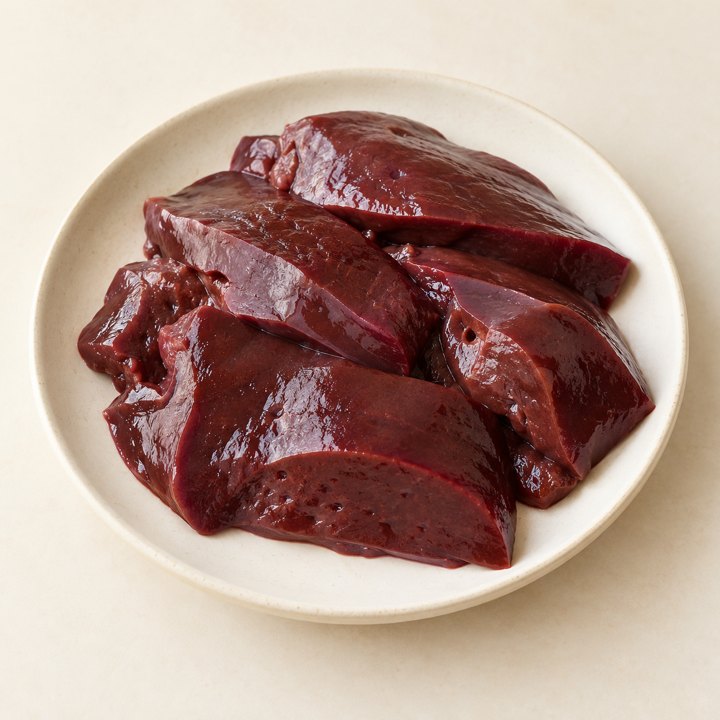
Lamb liver, usually called kaleji in Pakistan, has a smooth close texture and a stronger mineral flavour than ordinary lamb curry meat.
Recognise liver and choose the right dish
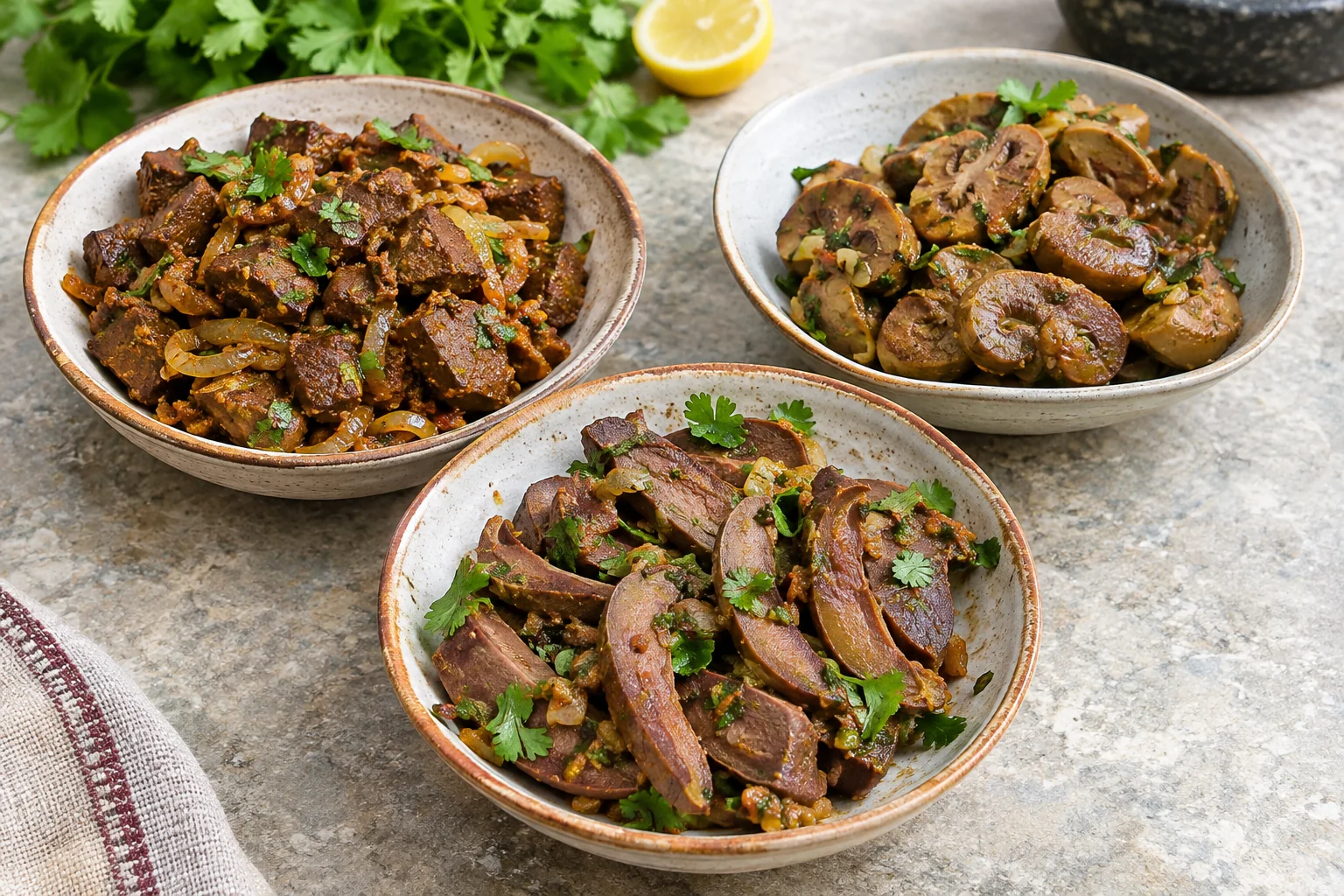
Lamb liver, usually called kaleji in Pakistan, has a smooth close texture and a stronger mineral flavour than ordinary lamb curry meat. Sliced pieces work in onion masala, a dry bhuna preparation or a small mixed meal with roti and vegetables. It cooks differently from shank or shoulder: prolonged simmering can turn it grainy and dry. Decide on the dish before buying so the butcher can cut pieces of similar thickness rather than handing over irregular scraps.
Liver can contribute protein, iron and vitamin B12, while its very high preformed vitamin A content makes restraint important. Its nutritional value does not make a large plate suitable for everyone. Some people dislike the flavour or texture, and a different protein food is a reasonable choice. This guide concerns lamb liver; a chicken liver recipe needs the poultry temperature, and a beef liver may be larger and require different cutting. Ask for the animal and organ explicitly.
Buy cold, identified and properly trimmed
Choose a seller who can identify the species, explain when the liver was prepared and keep it chilled. Ask for the amount you can cook or freeze promptly, the price for trimmed usable liver and a separate leakproof pack. Organ names can be used loosely at a busy counter. If kidneys or heart are offered in the same bag, ask to separate them so you can give each ingredient its own preparation and cooking plan.
Reject leaking packaging, unexplained warm storage, visibly spoiled product or liver with an abnormal unpleasant odour. Colour, shine or the seller's claim that it is fresh does not prove microbial safety. Home soaking, lemon juice and heavy spices cannot rescue poor handling. Take an insulated bag with ice packs, make the meat purchase near the end of shopping and refrigerate on arrival. Do not leave the parcel in a parked car while completing errands. For a feast, buy within the capacity of the refrigerator rather than creating a counter-top queue of raw organs.
Preparation and cooking: match the exact part
Prepare onions, tomatoes, spices and garnish before bringing the liver out. Work on a raw-meat board with a clean sharp knife; gently remove obvious tough membrane, ducts or connective tissue if the butcher has not done so. Keep the liver steady, trim conservatively and cut pieces evenly. Thin scraps and thick chunks in one pan make it difficult to keep the smallest pieces tender while bringing the largest safely to temperature.
A milk soak is a flavour or texture choice in some recipes, not a food-safety treatment. If used, keep the covered container in the refrigerator, count the soaking time within the raw storage window and discard the liquid. Do not leave liver soaking in the kitchen for several hours. Avoid splashing raw juices; clean the board, sink and handles after preparation and wash hands before touching chutney or salad. Use fresh utensils for the finished food. A squeeze of lemon belongs in the flavour plan and never replaces cooking.
Use a recipe that gives the onion and spice base time to cook before the liver is added. Drain and pat the pieces with disposable kitchen paper if necessary so they do not sit in excess liquid. Heat a suitable pan, cook manageable batches and stir gently. Crowding can make the pieces stew unevenly. Adjust the flame to avoid a scorched outside while the centre remains insufficiently cooked. Added water should be deliberate rather than an automatic instruction to boil indefinitely.
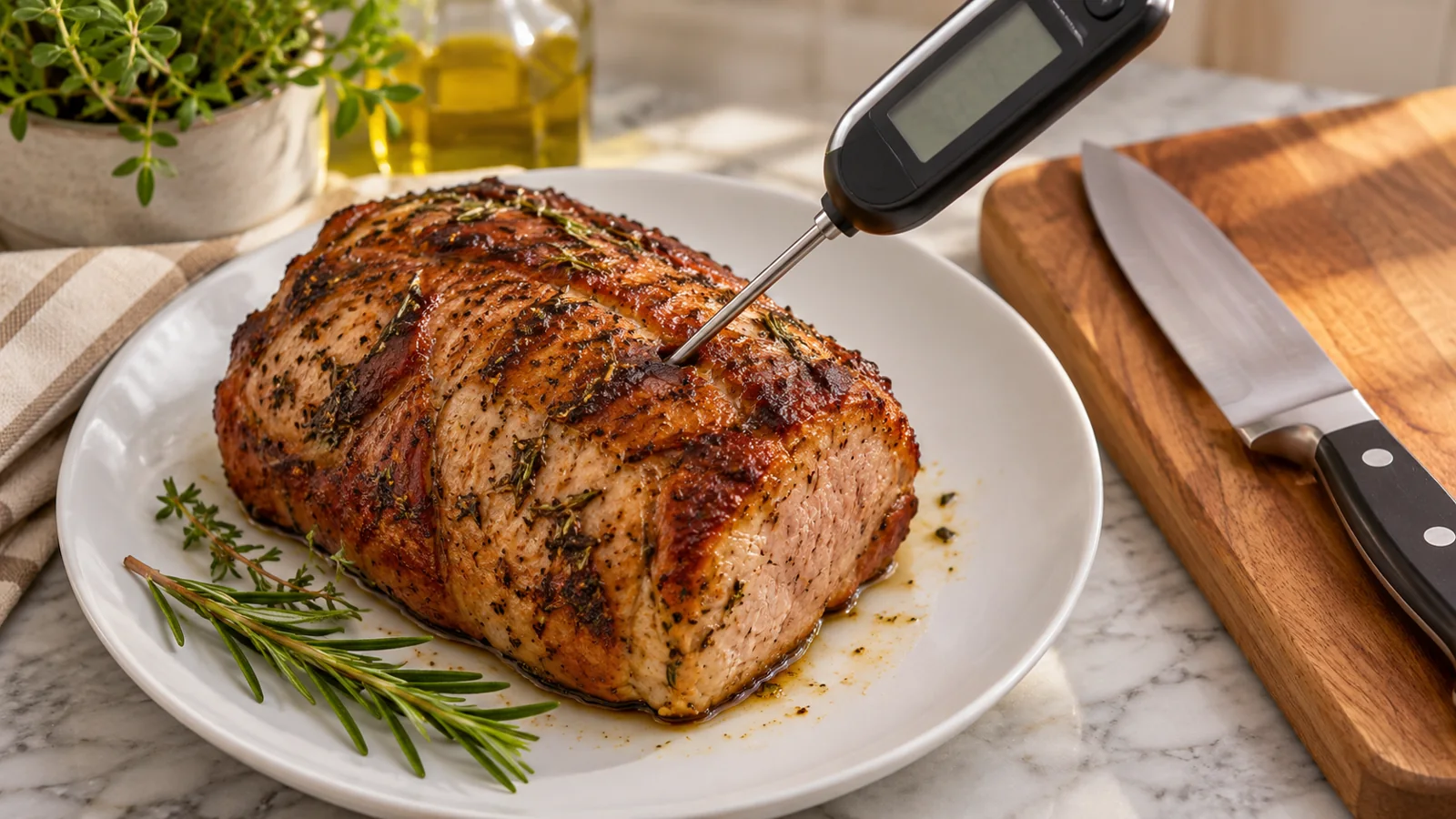
For lamb organs, use 71°C as the practical target, corresponding to USDA's 160°F (71.1°C), checked with a food thermometer. USDA organ-meat guidance covers red-meat organs separately from intact steaks. Insert a thin probe into the centre of a thick piece, avoiding the pan, and check more than one piece. Outside colour is insufficient. Poultry organs need 74°C instead. Once safely cooked, serve promptly; do not extend frying until every piece is hard. If a batch seems chewy, change the cutting and heat control next time rather than choosing an undercooked centre.
If the pieces release liquid, avoid increasing the heat so sharply that the sauce burns. Work with a smaller batch and let the method guide any reduction. Reserve acid and fresh herbs for the recipe stage where they are intended; neither supplies permission to shorten safe cooking. A dry masala and a gravy dish need different amounts of liquid.
Benefits and the limits that matter
Iron supports normal red blood cell production and protein supplies material for body tissues. Liver is one possible food source, not a treatment plan. Persistent tiredness, breathlessness or suspected anaemia calls for assessment rather than escalating kaleji portions. NHS guidance on iron deficiency anaemia explains why diagnosis and treatment depend on the cause. Nutrient figures for plain liver also cannot describe a restaurant plate containing substantial oil, ghee and salty gravy.
The main liver-specific caution is retinol, the preformed form of vitamin A. NHS vitamin A advice says adults should not eat liver or liver products more than once a week. That is an adult public-health limit, not a recommendation that every person should eat a particular weekly serving. Pregnancy changes the advice: NHS pregnancy guidance says avoid liver and liver products. If taking vitamin A supplements or a medicine containing a retinoid, ask the prescriber or pharmacist how diet and supplements fit the treatment; do not make a medicine change yourself. Liver is optional food.
Alternatives when this part does not suit the meal
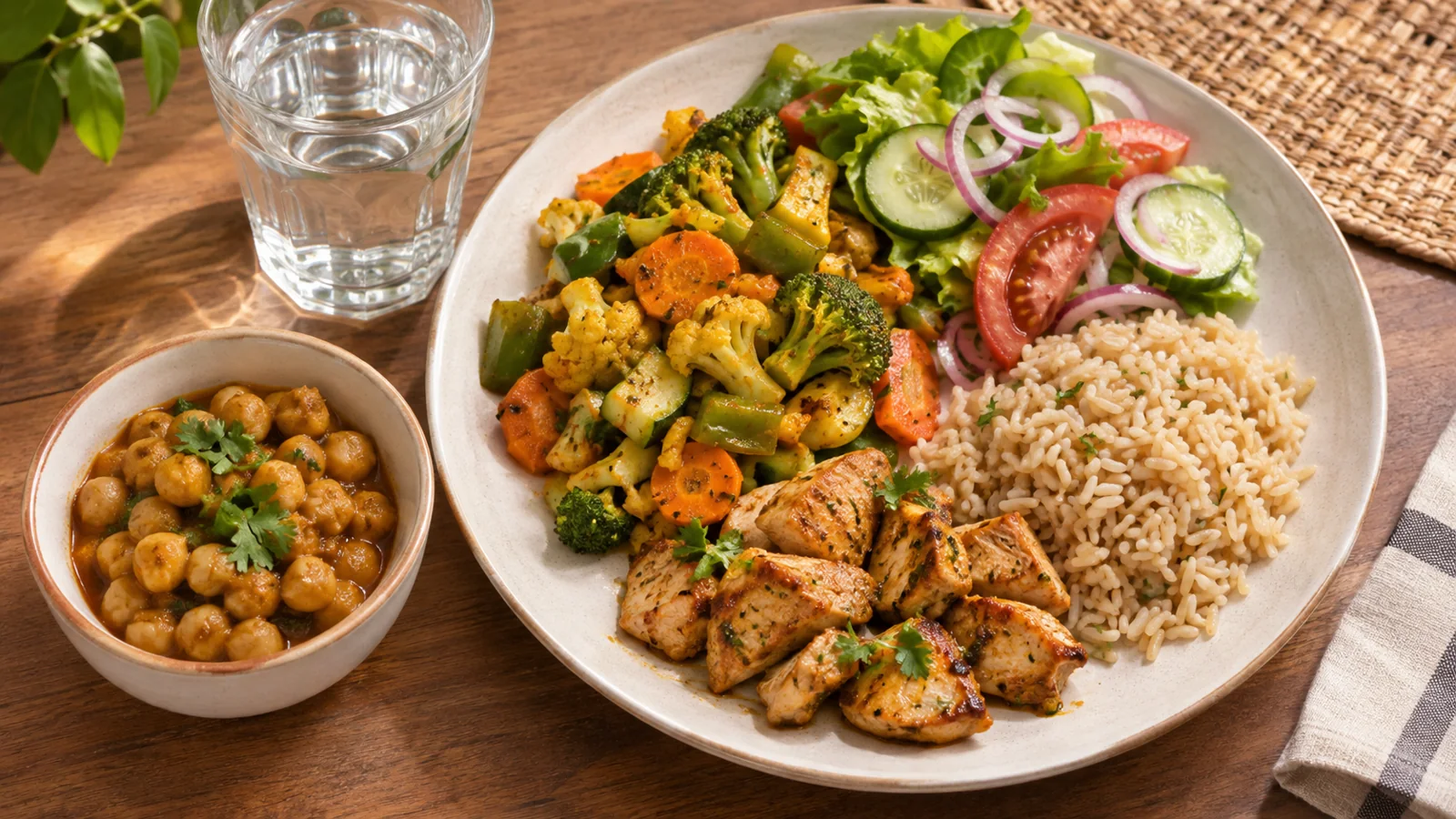
If the strong flavour or retinol limitation makes liver unsuitable, use a different protein food. Trimmed lamb or goat muscle gives a different bite and needs a method for that cut. Daal, beans, eggs or fish can support a varied menu without reproducing kaleji exactly. Chicken liver is still liver: it does not avoid pregnancy cautions and it needs the poultry cooking endpoint. Choose the substitute for the eater and recipe, not just for a matching package weight.
Make a balanced meal and store the rest promptly
Serve kaleji as a modest part of the meal with vegetables, daal or another fibre-containing side and an appropriate amount of roti or rice. Oil and ghee change the energy and saturated fat of the finished dish, while salt comes from seasoning and accompaniments. People with gout may need to avoid organs; NIH gout guidance identifies organ meats as high-purine foods. Kidney disease has individual protein and mineral requirements: ask the treating team instead of assuming liver is either universally forbidden or a restorative food.
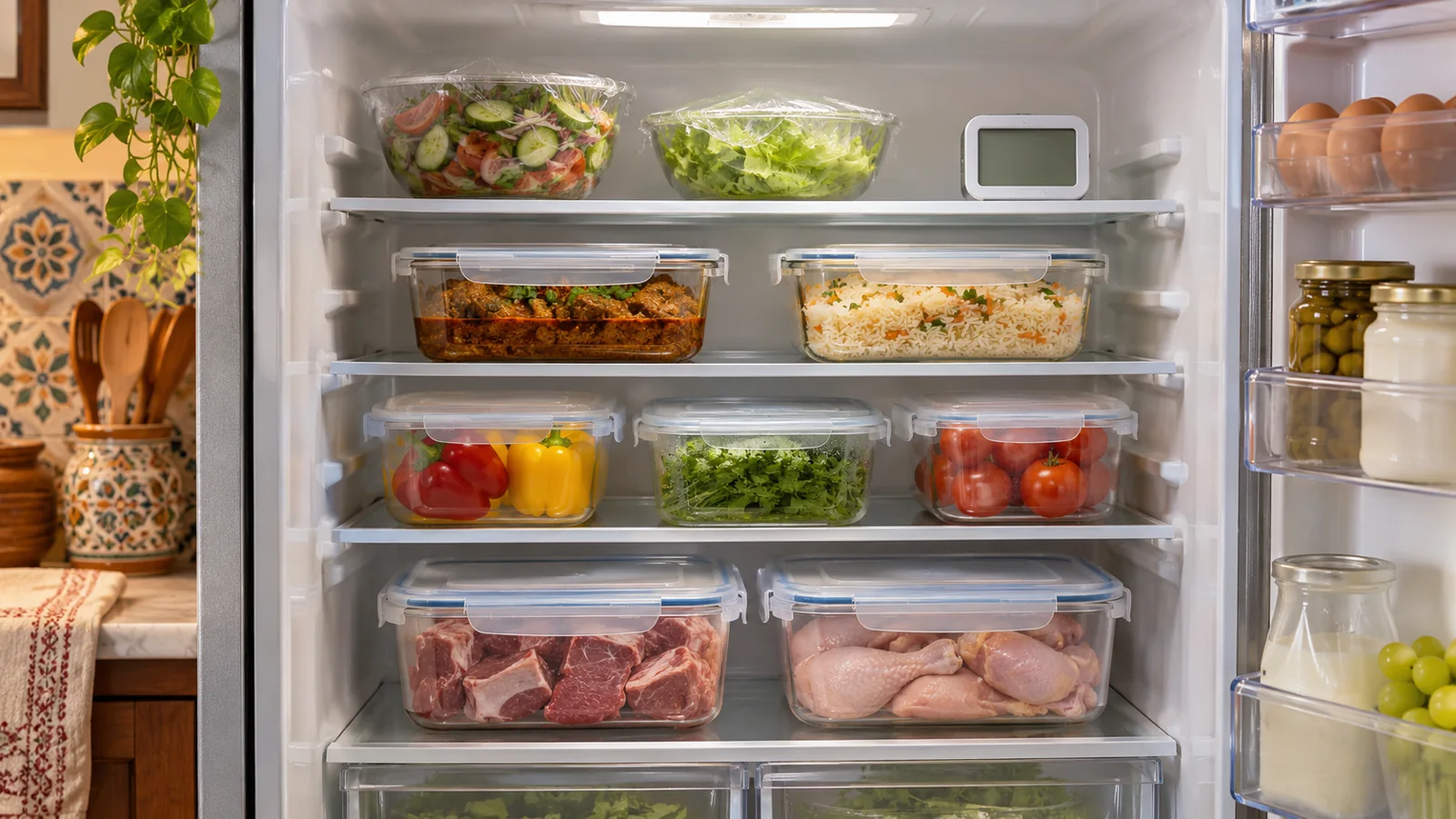
Use or freeze raw liver within 1–2 days at 4°C or colder, following stricter package instructions. Cool cooked leftovers in small shallow containers and refrigerate within two hours, or one hour above 32°C. Properly handled refrigerated leftovers generally keep 3–4 days; reheat thoroughly to 74°C. These are USDA storage windows and the FDA prompt-chilling rules, not a way to make time-abused food safe. Read the complete meat storage guide. For related dishes compare chicken livers and the offal overview, then choose a suitable method from the recipe collection.
When planning a mixed kaleji-gurday dish, prepare each organ separately and combine only at the appropriate stage. This makes it easier to check thickness and texture and prevents the liver spending an unnecessary long time in the pan while the kidney preparation is completed. Do not re-use raw-contact plates for cooked portions.
Plan the purchase, portions and table
Plan the complete meal before deciding how much to buy. Account for trimming and bone separately from edible food, and consider whether leftovers can be cooled and stored within the available refrigerator space. A smaller well-prepared batch can be easier to serve promptly than a large pot held while guests arrive. Keep salad, chutney and bread preparation separate from raw work, then bring clean serving tools to the table. Let the distinctive texture of the ingredient guide how it is cut and served.
Choose a recipe for this ingredient and form
Read the complete recipe before shopping and match its animal, exact part and raw or pre-cooked form. Prepared usable weight is more useful than the untrimmed package weight. A recipe title does not replace the buying and safety checks in this guide. Follow the appropriate species and ingredient endpoint, then assess the eating texture separately. These existing recipe and pantry links can help select a method:
Names and forms: specify the actual ingredient
Kaleji, lamb liver and sliced liver describe liver forms; chicken liver and beef liver identify different species. Whole, sliced and diced pieces need different cutting and heat control. A liver-containing mixed organ dish remains subject to the liver-specific nutritional cautions, even if the name emphasises another ingredient.
Frequently Asked Questions
What does lamb liver provide, and what are the main limits?
Lamb liver can supply iron, vitamin B12 and protein, but it is not an anaemia cure. Its high retinol content means pregnancy avoidance and limits on frequency matter.
How should I check that lamb liver is safely cooked?
Use a thermometer to bring lamb liver to 71°C (USDA 160°F/71.1°C); outside colour and a quick sear do not prove a safe centre. Poultry liver needs 74°C.
How should I store the raw ingredient and cooked leftovers?
Keep the identified raw ingredient chilled and follow the supplier's stricter instructions. Raw organs generally need using or freezing within 1–2 days at 4°C or below. Cool cooked food in shallow portions within two hours, or one hour above 32°C; safely chilled cooked leftovers generally keep 3–4 days. Reheat thoroughly to 74°C.
Keep Exploring
Related places and stories on DailyLife.pk

How we know this
- Type Explainer
- Sources 8 (5 official/academic)
- Reviewed November 2026
- Disputed points None
8 sources
- USDA AMS: institutional meat purchase specifications
- FAO: livestock domestication and diversity
- OECD–FAO: meat production and trade context
- FoodSafety.gov: safe minimum internal temperatures
- FoodSafety.gov: cold food storage chart
- USDA FSIS: lamb from farm to table
- USDA FSIS: safe temperatures for beef and organ meats
- NHS: foods to avoid in pregnancy
