
Ingredients & Spices · The complete guide
Bone-in chicken: UsesBenefits, Buying and Cooking
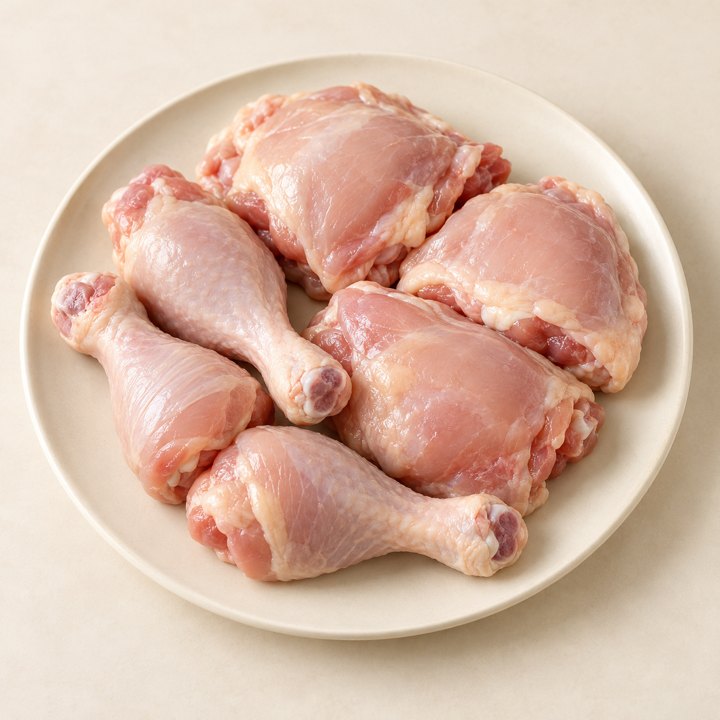
Bone-in chicken means meat sold with some of the skeleton attached. It may be a named part, such as a thigh or drumstick, or a mixed curry cut containing breast, leg, wing and back pieces.
What it is and what to ask for
Bone-in chicken means meat sold with some of the skeleton attached. It may be a named part, such as a thigh or drumstick, or a mixed curry cut containing breast, leg, wing and back pieces. Those are different products. Ask the butcher which parts are in the bag, whether skin is included and whether the price is before or after trimming.
Choose fairly even pieces for karahi, qorma, biryani and tray roasts. Bone-in portions hold their shape and offer an enjoyable eating experience, but bone is not edible yield. Small sharp fragments can result from rough chopping; ask for clean cuts through joints where practical. Check portions while preparing and serve carefully, especially to children. Do not describe a mixed curry cut as all thigh unless that is what was ordered.
Choosing the right form for a Pakistani kitchen
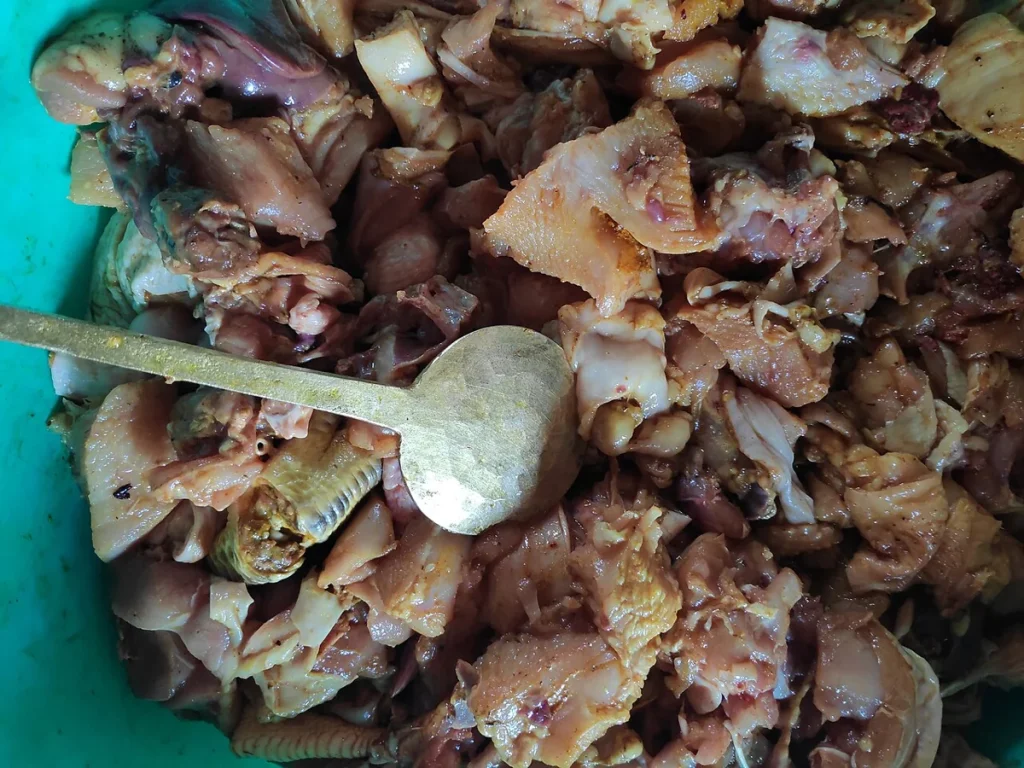
Pakistani curry-cut chicken is a practical market form rather than one universal butchery specification. One seller may provide numerous small pieces; another may cut a bird into fewer, larger joints. A recipe written for one style can need different liquid and heat control with the other.
The main cooking distinction is between pale breast, darker leg muscle and bony backs or wings. A bag with many frame pieces will make less substantial meat portions than the same weight of thighs. Neither bone nor a desi label proves safety or superior nutrition. Ask about the bird and its handling, then match the cut to the texture you want on the plate.
How to use it successfully
Build the onion, tomato or yogurt base according to the recipe, then add evenly sized pieces without overcrowding the pan. For a dry karahi, control added water and reduce the sauce with the pan uncovered when appropriate. For qorma, gentler covered cooking helps the sauce and meat cook together without scorching. Stir carefully so small bones do not break into the gravy.
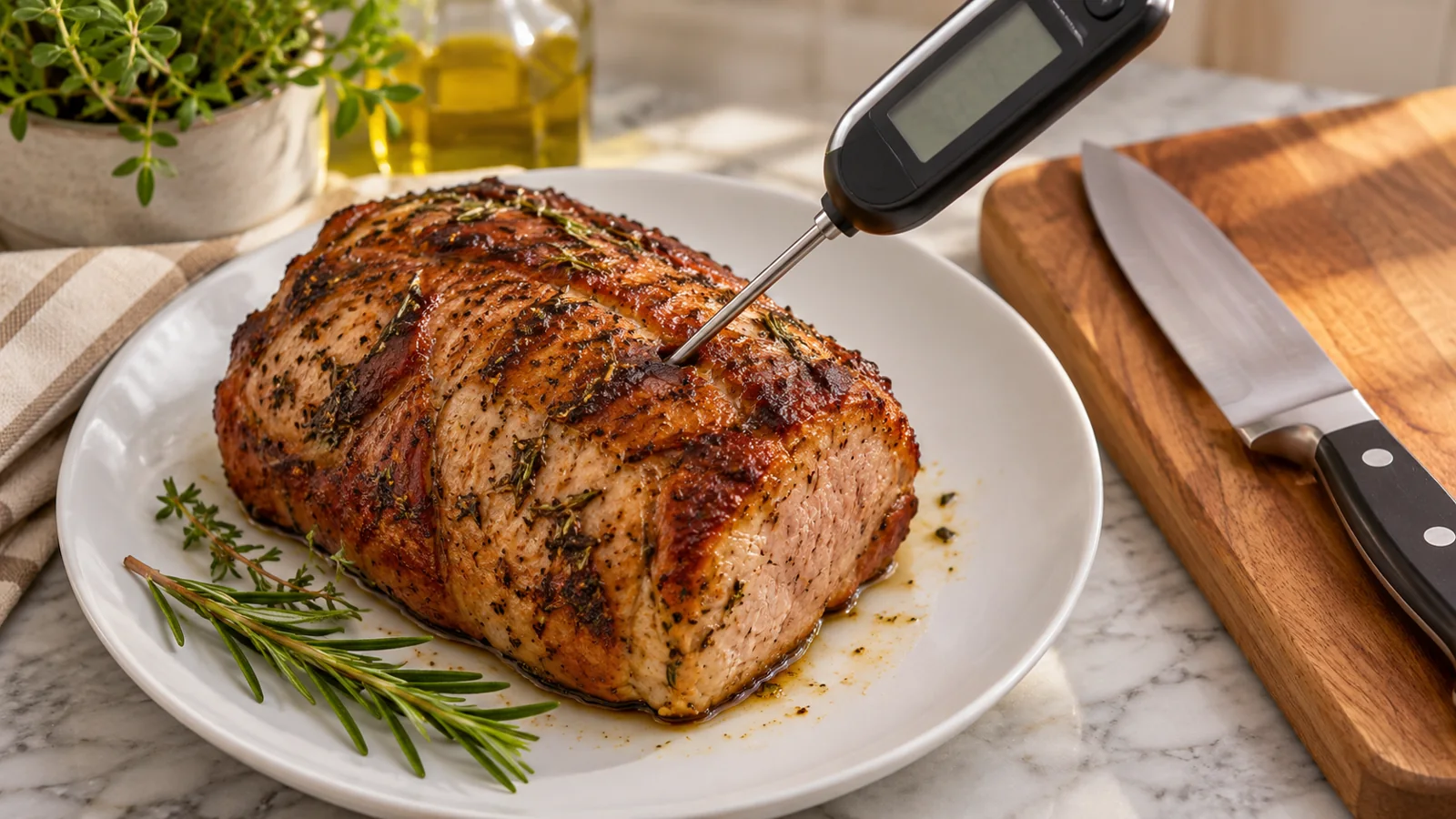
Use a thermometer in the thickest meat, away from bone, and check several of the largest pieces: all poultry needs 74°C. A dark joint or some pink near bone does not replace that measurement. For biryani, follow the recipe's chicken-cooking stage before layering rice; rice steam is not a reliable rescue for an inadequately cooked large joint. If the sauce needs much longer reduction once the chicken is safely cooked, lift the meat out briefly and return it to the finished sauce.
FoodSafety.gov: all poultry, including giblets and mince, needs 74°C
Nutrition, benefits and limits
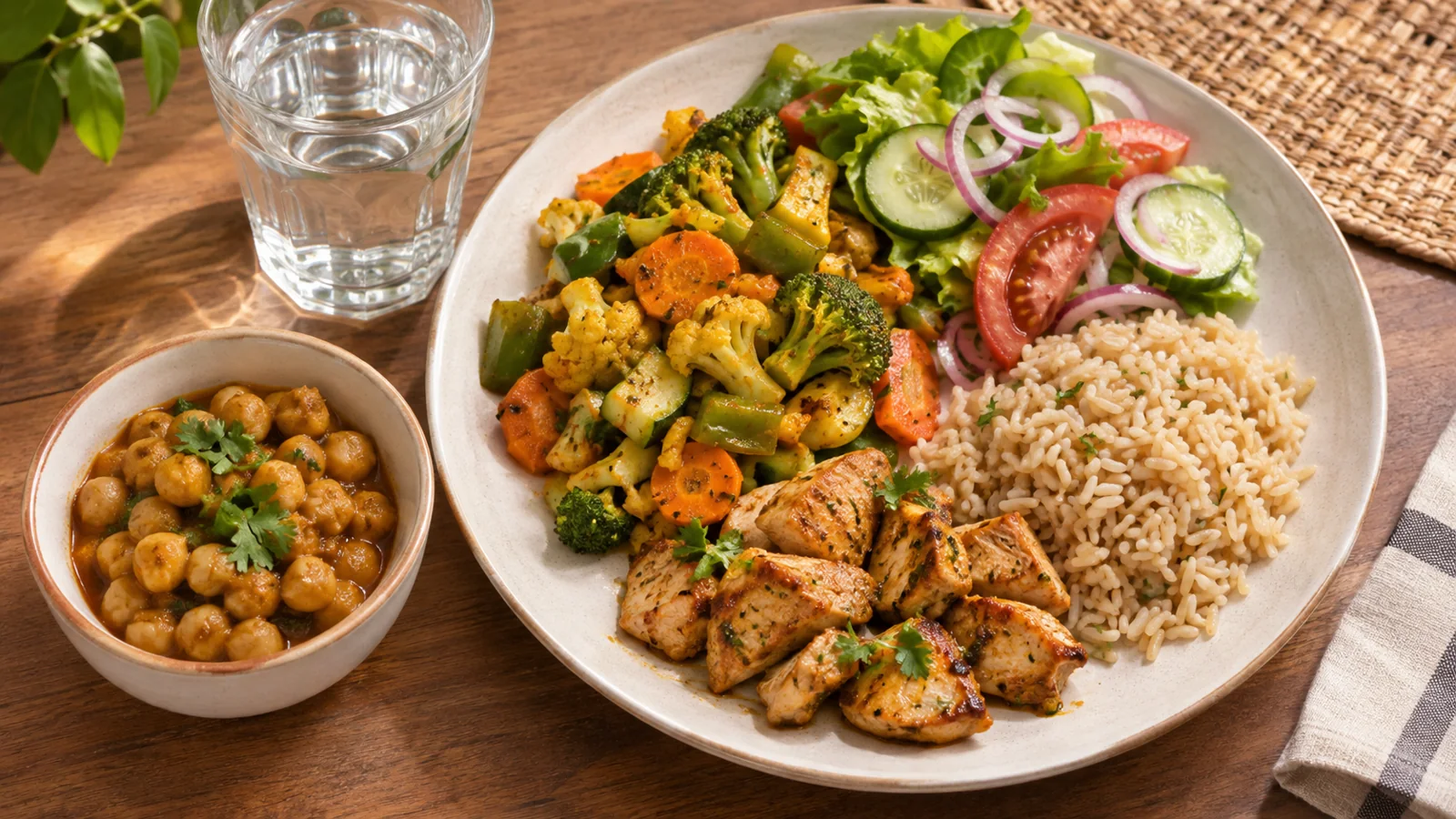
The edible meat supplies protein, with fat varying by part and by the amount of skin left on. A kilogram of bone-in chicken is not a kilogram of protein-rich edible meat. Bones add culinary value to a sauce or stock, but should not be counted as a special health benefit or an extra meat portion.
Trim loose fat if desired and moderate added oil and salt. A balanced curry meal includes vegetables, pulses or another source of fibre alongside suitable portions of rice or roti. Deep frying bone-in chicken or bathing it in a rich sauce changes the nutritional profile. Choose the preparation you enjoy while recognizing that the name of the cut alone cannot tell you the energy or salt content of the meal.
Choosing a replacement
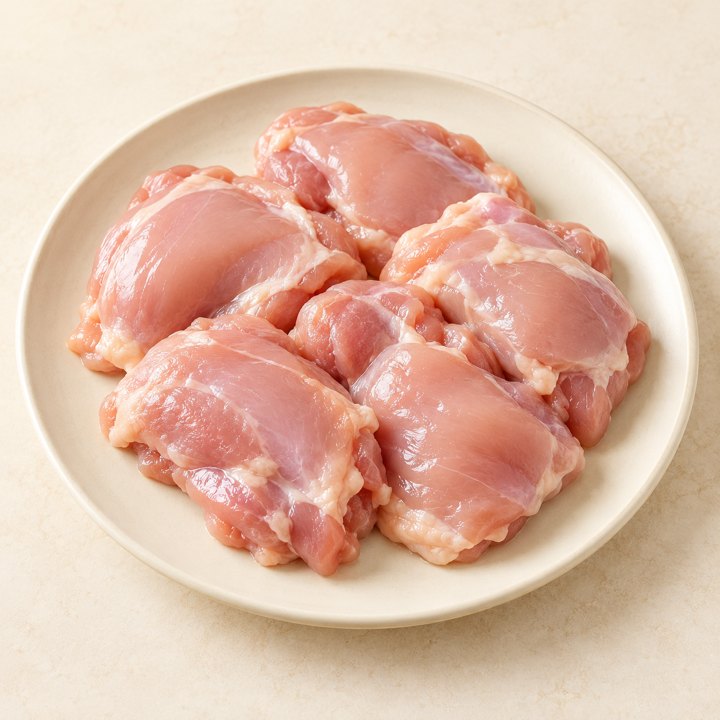
Boneless thigh works well when easy eating and consistent curry pieces matter. It has a different usable yield, so compare prepared meat rather than replacing bone-in weight mechanically. Boneless breast can also work, but benefits from shorter controlled cooking once it is safely done. Neither substitute needs time intended to soften a tough older bird.
Thighs and drumsticks can stand in for a mixed curry cut when you want matching portions. Wings give much more bone and skin relative to meat, so they are better treated as a different dish. Whole chicken can supply the same parts if you or the butcher joint it. Confirm the method, pan size and amount of sauce before simply swapping ingredients.
Safe handling and storage
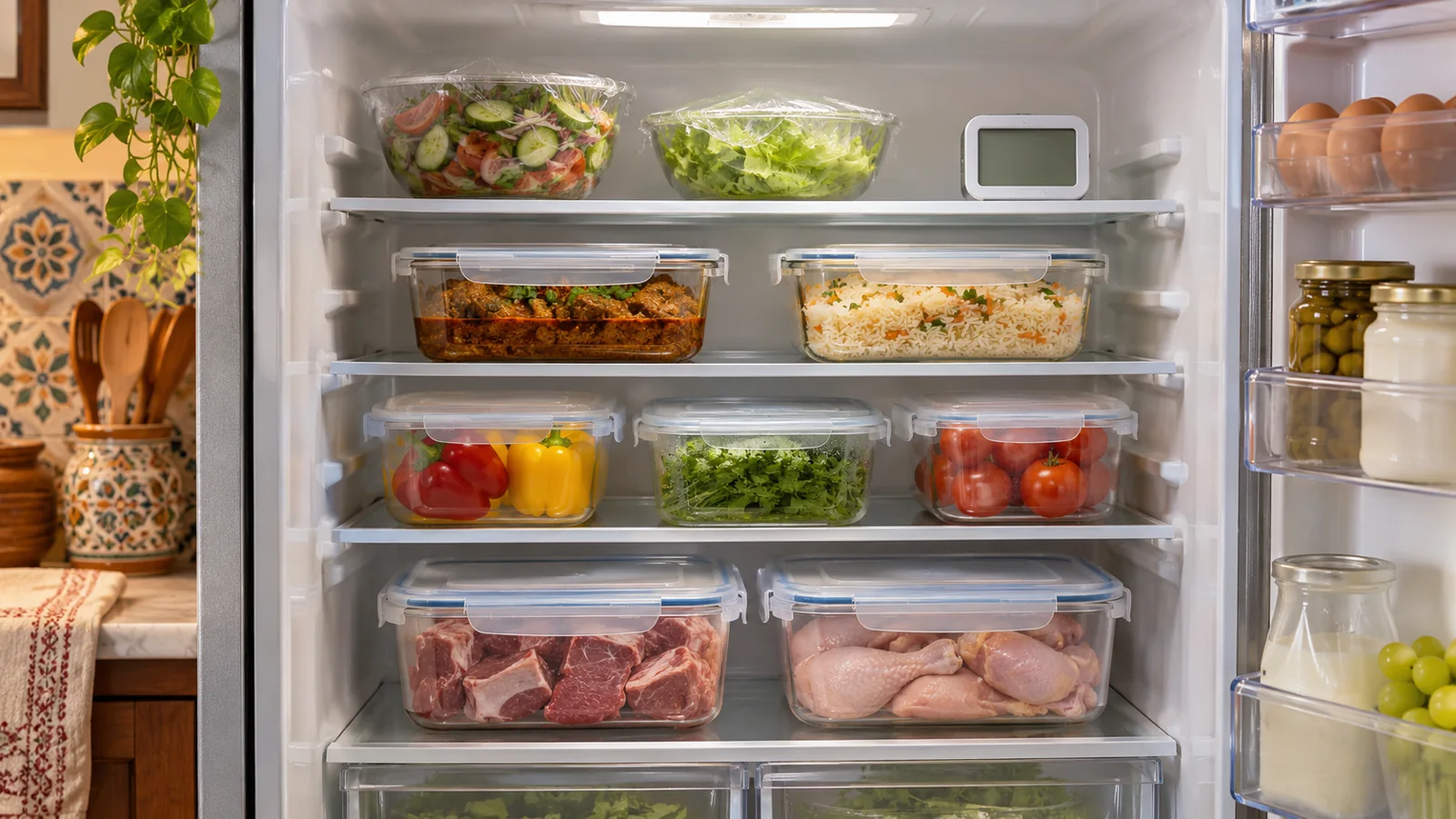
Keep raw poultry in a sealed leakproof container on a low shelf away from ready-to-eat food. Set the refrigerator to 4°C or below and use or freeze raw chicken, mince and giblets within one to two days. Thaw and marinate in the refrigerator. Do not wash raw chicken: water splashes can spread bacteria. Clean hands, boards, knives and worktops after preparation, and use a clean plate for cooked food.
Cook all poultry to 74°C, including mince and giblets, measuring the thickest edible part away from bone. Cool leftovers promptly in small shallow containers. Refrigerate within two hours, or one hour when exposed to temperatures above 32°C. Properly chilled cooked chicken generally keeps three to four days; reheat leftovers to 74°C. These limits assume continuous safe chilling, not hours of warm storage before refrigeration. Freezing or reheating does not reliably rescue food that has been left out too long. If its handling history is unsafe or uncertain, discard it rather than tasting to check.
USDA: raw and cooked chicken storage; FDA: do not wash raw poultry; FoodSafety.gov: chilling and thawing; USDA: cooling hot food
Planning, portions and serving
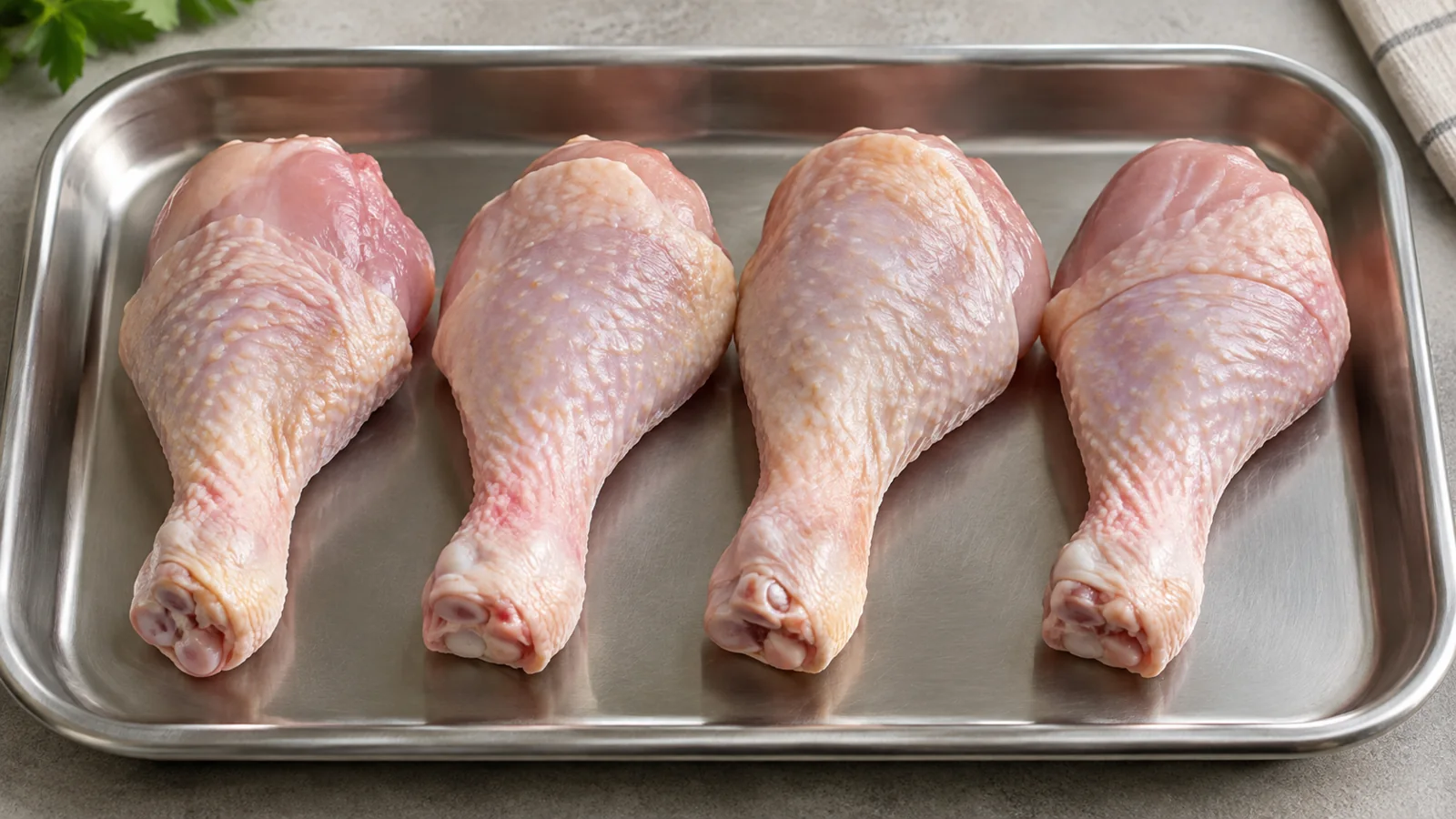
Portion planning depends on piece size and bone content. Count substantial meat-bearing pieces as well as weighing the bag, especially for a gathering. Order a consistent mix if you want fair servings; a breast piece, a back piece and a wing are not interchangeable portions.
Keep bone-in chicken separate from salads and raita through preparation and serving. Use clean tongs and a clean platter for the finished dish. At the table, remove bones carefully for anyone who needs help and check the meat again for loose fragments. Save cooked leftovers in small containers rather than leaving a full curry pot at room temperature. Label raw portions by cut so they are easier to use in an appropriate later recipe.
Recipes and pantry links

Read the complete recipe before shopping so you know whether it calls for raw or cooked chicken, bones or no bones, skin on or off and a specific prepared weight. Those details affect both the result and the quantity to buy. Prepare aromatics, sauce ingredients and clean serving utensils before the raw poultry work begins.
Use the linked dishes for practical combinations of cut, seasoning and method. Follow the chicken temperature checks in this guide even if a recipe gives an approximate time. If you change the cut or portion thickness, reassess the cooking sequence instead of assuming the original clock will still work. Keep salads and raita separate from all raw-chicken tools.
Names and forms used in our recipes
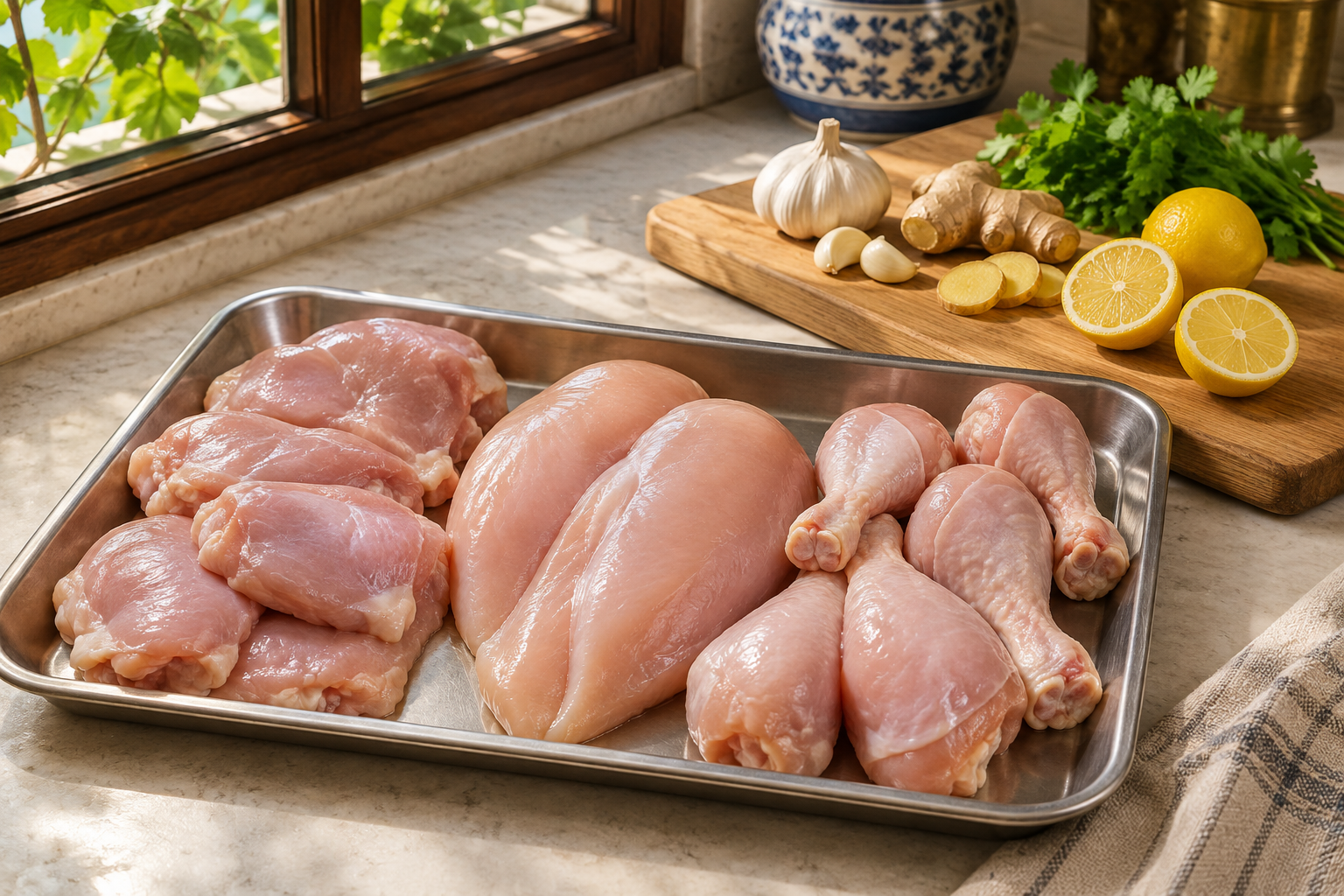
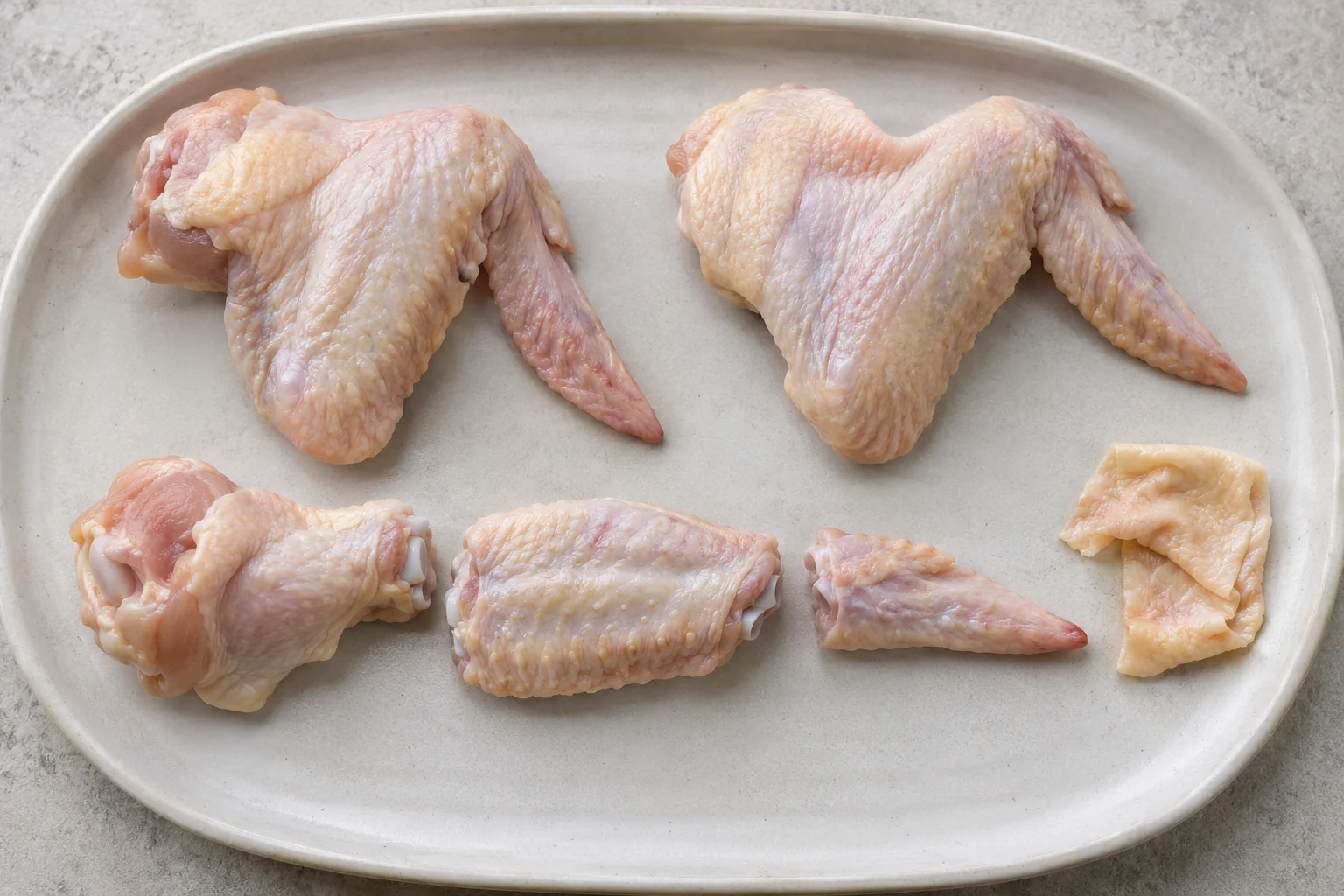
Curry cut usually describes chopped mixed pieces; it does not specify exact anatomy or size. A leg quarter usually combines thigh and drumstick, sometimes with a portion of back. A drumstick is the lower leg; a wing drumette is a smaller wing section, not a baby drumstick. Whole wings include the drumette, flat and tip.
Bone-in breast is still breast and can dry if treated like a long-braised leg. Skinless bone-in portions will not develop crisp skin in a roast, while skin-on pieces release more fat. State the part, skin preference and approximate size when ordering. That simple description avoids more disappointment than asking for only a generic bag of chicken pieces.
- bone-in chicken
- bone-in chicken pieces
- bone-in chicken pieces, raw
- bone-in chicken portions, raw
- bone-in chicken thighs
- bone-in chicken, raw
- bone-in, skinless chicken
- chicken drumsticks
- chicken leg quarters
- raw bone-in skinless chicken curry cuts
- raw bone-in skinless chicken curry pieces
- raw bone-in skinless chicken pieces
- raw skinless bone-in chicken pieces
- skinless bone-in chicken thighs and drumsticks
- skinless chicken leg quarters
Frequently Asked Questions
Can I use the same weight of boneless chicken?
Bone-in weight includes bones and sometimes skin. Compare prepared edible meat and portion size, then adjust the recipe and check doneness; there is no universal gram-for-gram swap.
What should I check before buying bone in chicken for these recipes?
Ask which parts are included, the size of the pieces, whether skin remains and whether the price is before trimming. Look for clean cuts and a reliable chilled supply.
What is a practical substitute for bone in chicken?
Boneless thigh works in many curries but has a different edible yield and cooking pattern. Drumsticks or matching thighs work when a substantial joint is part of the dish.
Keep Exploring
Related places and stories on DailyLife.pk
How we know this
- Type Explainer
- Sources 6 (4 official/academic)
- Reviewed November 2026
- Disputed points None
6 sources
Photo credits (1)
- Chicken Meat.jpg, Gaurav Dhwaj Khadka, CC BY-SA 4.0, via Wikimedia Commons
