Peshawari Chicken Karahi
پشاوری چکن کڑاہی
Whole-tomato karahi with cumin-pepper finishing
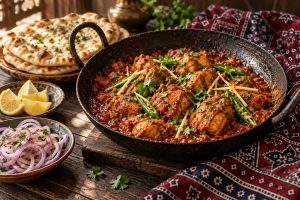
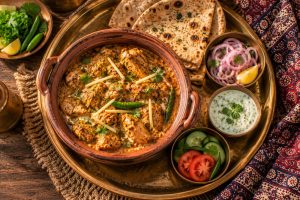
A Peshawar-inspired chicken karahi with whole tomatoes softened in the pan, fresh ginger, cracked black pepper and green chilli. Regional interpretations overlap with Shinwari and other karahis; this version uses roasted cumin as a differentiating finish.

Total includes 5 min of passive time described in the preparation and method. One tablespoon = 15 ml; one teaspoon = 5 ml.
About Peshawari Chicken Karahi
A Peshawar-inspired chicken karahi with whole tomatoes softened in the pan, fresh ginger, cracked black pepper and green chilli. Regional interpretations overlap with Shinwari and other karahis; this version uses roasted cumin as a differentiating finish.
Personally cooked and tested by Zohair Fakhar for DailyLife.pk. Cooking times can vary with your stove, cookware and batch size; follow the texture and doneness cues in the method.
Make it work for your kitchen
Also known as Peshawari Murgh Karahi, Peshawari Charsi Chicken Karahi (search alias; review).
Original quantities serve 4. Cooking times, pan size and frying-oil depth do not scale, cook in extra batches instead.
Before you start
Before you start
Prepare a separate clean board for garnishes; dry chicken gently with disposable towels if necessary (do not wash raw poultry). Chop aromatics, measure all spices and have a clean thermometer ready. Allow sufficient karahi space to avoid steaming.
Set up the equipment
Have the following tools ready before starting: Large 30–32 cm karahi or wide heavy pan; Sturdy spatula and lid; Chicken-safe prep board; Digital food thermometer.
Clean workspaceMeasure the ingredients
Measure the ingredient quantities for your selected servings before applying heat. Keep separately listed groups, such as dough, filling, sauce or garnish, in separate containers; keep any optional additions separate.
Use the ingredient list aboveCheck allergens and substitutions
Check ingredient labels and any substitutions against these notes: Ghee/butter/yogurt: milk.
Before cooking
Step-by-step cooking method
1 Sear chicken in ghee
Heat ghee over medium-high heat in a roomy karahi.
2 Sear chicken in ghee (continued)
Cook raw bone-in skinless chicken curry cuts in batches for 7–9 minutes to develop light golden patches.
3 Bloom ginger and garlic
Add minced ginger and minced garlic; stir continuously 1–2 minutes without burning.
4 Soften whole tomatoes
Set ripe whole tomatoes on top with fine salt. Cover for 6–8 minutes until soft; remove loose skins with tongs if desired and mash in the pan.
5 Reduce uncovered
Stir and cook uncovered 10–16 minutes until most liquid disappears and fat glistens at pan edges; lower heat if it catches.
6 Finish with coarse spices
Stir through roasted crushed cumin seeds, crushed black pepper and slit green chillies, cooking 2–3 minutes to blend without muddying the fresh pepper aroma.
7 Probe, garnish and rest
Check chicken at the thickest part away from bone: at least 74°C (165°F).
8 Probe, garnish and rest (continued)
If needed continue covered on low heat then evaporate excess moisture. Garnish with ginger matchsticks and fresh coriander leaves; rest 5 minutes.
Chef’s tips
- A wide hot pan helps evaporate tomato water without overcooking chicken.
- Maintain a medium heat once minced aromatics go in to prevent bitterness.
- Check thickest pieces with a thermometer away from bone; aim for at least 74°C (165°F).
Common mistakes & quick fixes
- Masala stays watery
- Cook uncovered in a wider pan and stir until it clings to the chicken.
- Chicken browns but is raw near bone
- Cover briefly at lower heat, check 74°C with thermometer, then uncover to reduce.
- Bitter aromatics
- Lower heat before adding minced garlic/ginger and stir immediately.
Variations & serving ideas
Variation: Whole-tomato soften-and-peel technique and cumin-pepper finish; separation from Shinwari remains provisional.
Variation: Use fewer green chillies for milder heat; keep the underlying method unchanged.
Perfect result check
| Check | Chicken reaches 74°C in thickest part away from bone |
|---|---|
| Check | Tomatoes have reduced to a fragrant coating rather than raw, watery sauce |
| Check | Fresh garnishes remain bright and distinct |
Storage & reheating
| Fridge | 3–4 days | Transfer cooked chicken karahi to shallow containers and refrigerate within 2 hours, or within 1 hour above 32°C. Keep at 4°C or colder and use within 3–4 days, or freeze portions promptly. |
|---|---|---|
| Reheating | Reheat fully until steaming throughout, reaching 74°C (165°F). Never contaminate cooked food with raw chicken tools. |
Know when to change the heat
| Stage | Heat | What to look for |
|---|---|---|
| Sear chicken in ghee | Medium-high heat | Sear the chicken in a roomy pan in batches until light golden patches develop. Browning is an early stage, not the final doneness check. |
| Bloom ginger and garlic | Medium heat | Add minced ginger and minced garlic; stir continuously 1–2 minutes without burning. |
| Soften whole tomatoes | Medium heat | Set ripe whole tomatoes on top with fine salt. Cover for 6–8 minutes until soft; remove loose skins with tongs if desired and mash in the pan. |
| Reduce uncovered | Medium-high heat | Reduce the tomato liquid uncovered until it becomes a coating. Stir and lower the heat before the base scorches; avoid crowding the pan. |
| Finish with coarse spices | Medium heat | Stir through roasted crushed cumin seeds, crushed black pepper and slit green chillies, cooking 2–3 minutes to blend without muddying the fresh pepper aroma. |
| Probe, garnish and rest | Low then off | Check chicken at the thickest part away from bone: at least 74°C (165°F). If needed continue covered on low heat then evaporate excess moisture. Garnish with ginger matchsticks and fresh coriander leaves; rest 5 minutes. |
Helpful answers before you cook
Can I use boneless chicken?
Yes, but it will cook sooner, yield more edible meat, and still needs 74°C in the thickest piece.
Why does the karahi look watery?
Tomatoes release liquid during the covered stage. Mash the softened tomatoes, then cook uncovered until the sauce coats the chicken. Avoid crowding the pan and lower the heat if the base starts catching before the liquid reduces.
Is browned chicken ready to serve?
Colour alone does not establish doneness. Check the thickest pieces with a food thermometer away from bone: chicken must reach at least 74°C/165°F. Continue cooking if needed, then reduce any excess moisture before serving.
What changes for two or eight people?
Ingredient amounts can double or halve; use additional cooking batches rather than scaling pan capacity or timing automatically.