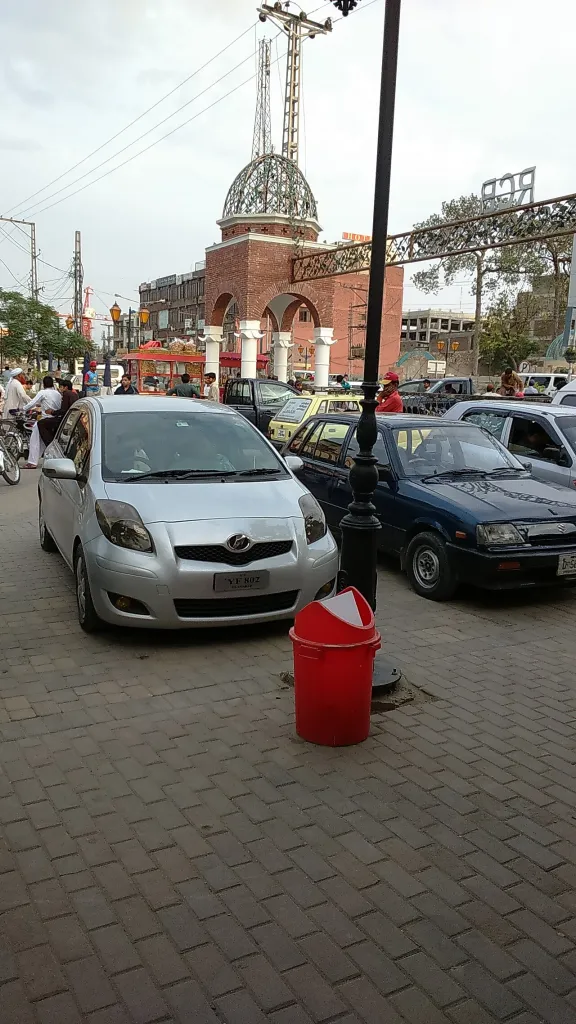
Fort Road Food Street, Lahore, lit up at night

Food & Drinks

Pakistani Street Food: A City-by-City Guide

Halwa puri at dawn, chapli kebabs at noon, sajji by the fire and chai until midnight: how Lahore, Karachi, Peshawar, Quetta and Multan eat on the street.

  • Lahore · Karachi · Peshawar · Quetta · Multan
  • Busiest after dark and in Ramazan
  • Hygiene tips included

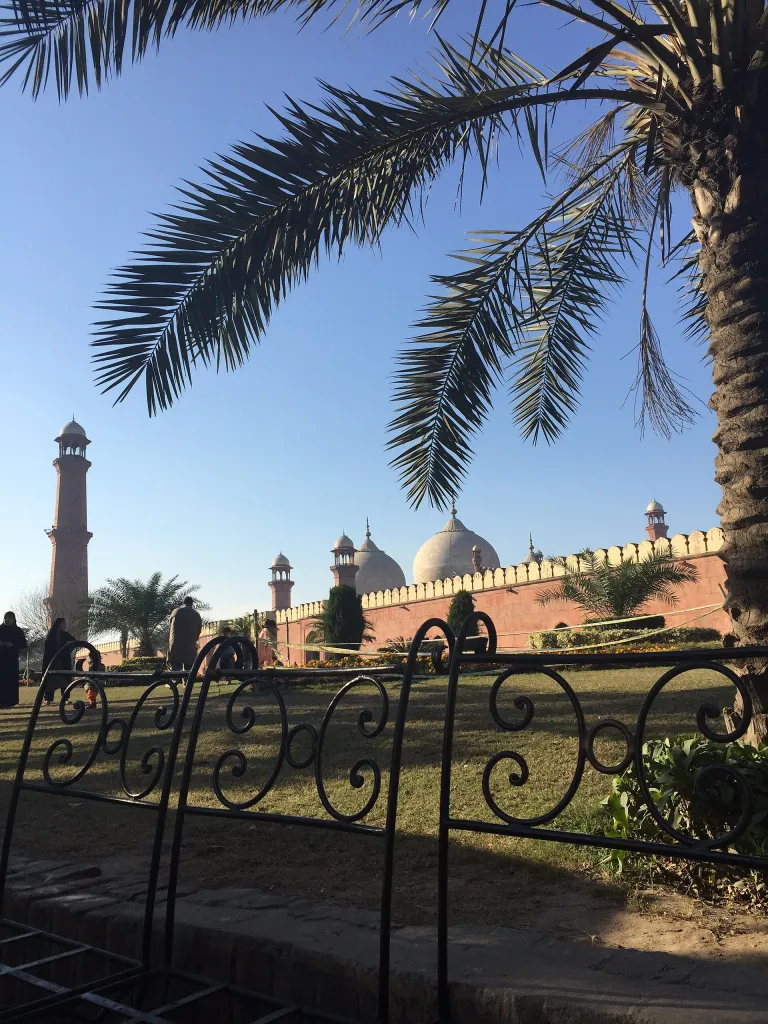
Fort Road Food Street, Lahore

2000Gawalmandi first proposed as a Lahore food streetDawn, 2014
Jan 2012Fort Road Food Street set up by the Punjab governmentDawn, 2014
1945Hafiz Habeeb ur Rehman opened his sohan halwa shop in MultanDawn, 2015
2011Punjab Food Authority Act passedPunjab Food Authority Act, 2011

About Pakistani Street Food

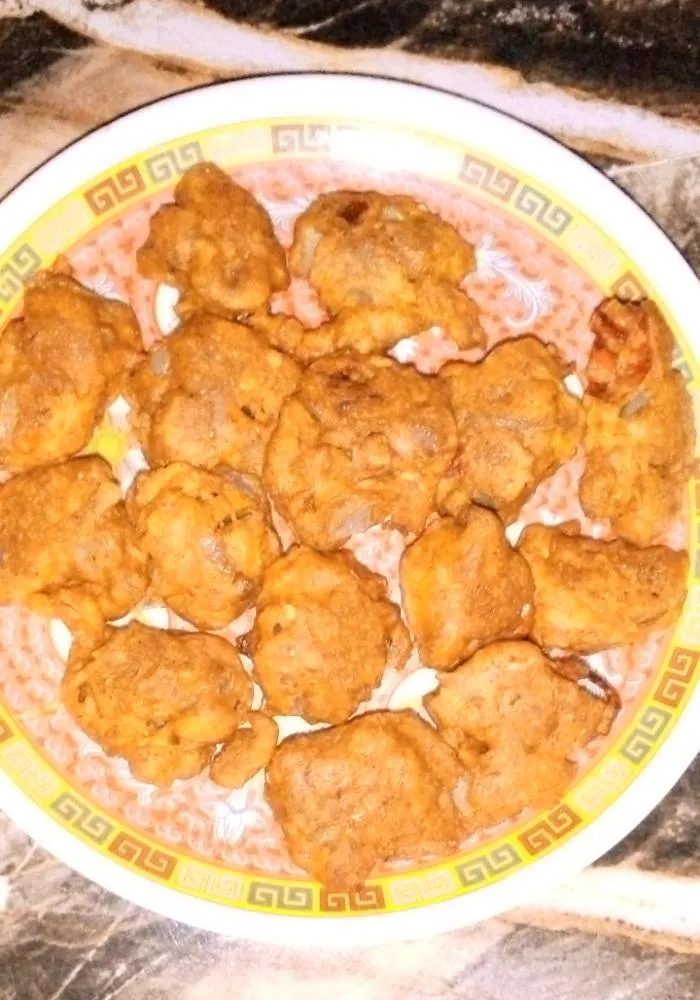
Much of Pakistan's best cooking happens in public. Breakfast is fried and shared from a roadside kitchen; lunch is a plate of rice or kebabs eaten standing up; and the evening, especially in summer, belongs to grills, chaat carts, juice stalls and tea shops that stay busy long after dark. During Ramazan the rhythm shifts again, with pakoras, samosas and jalebi sold in mountains before iftar and food streets filling up late into the night.

Each city has its own personality. Lahore eats richly and generously, with paye, nihari, fried fish and halwa puri. Karachi, a port built by migrants, mixes Delhi, Hyderabadi, Gujarati, Memon and Sindhi flavours and is famous for heat and variety. Peshawar and Quetta cook meat simply over fire, seasoned with little more than salt, tomatoes and green chillies, and wash it down with green or milky tea. Multan, in the hot south of Punjab, is known for its sweets and, in summer, its mangoes.

Street food in Pakistan is not just cheap food. Some of the most respected names in the country's kitchens began as push carts or single-room shops, and families often go back to the same stall for decades. This guide follows five cities and the dishes worth seeking out in each, then finishes with practical advice on eating well and safely.

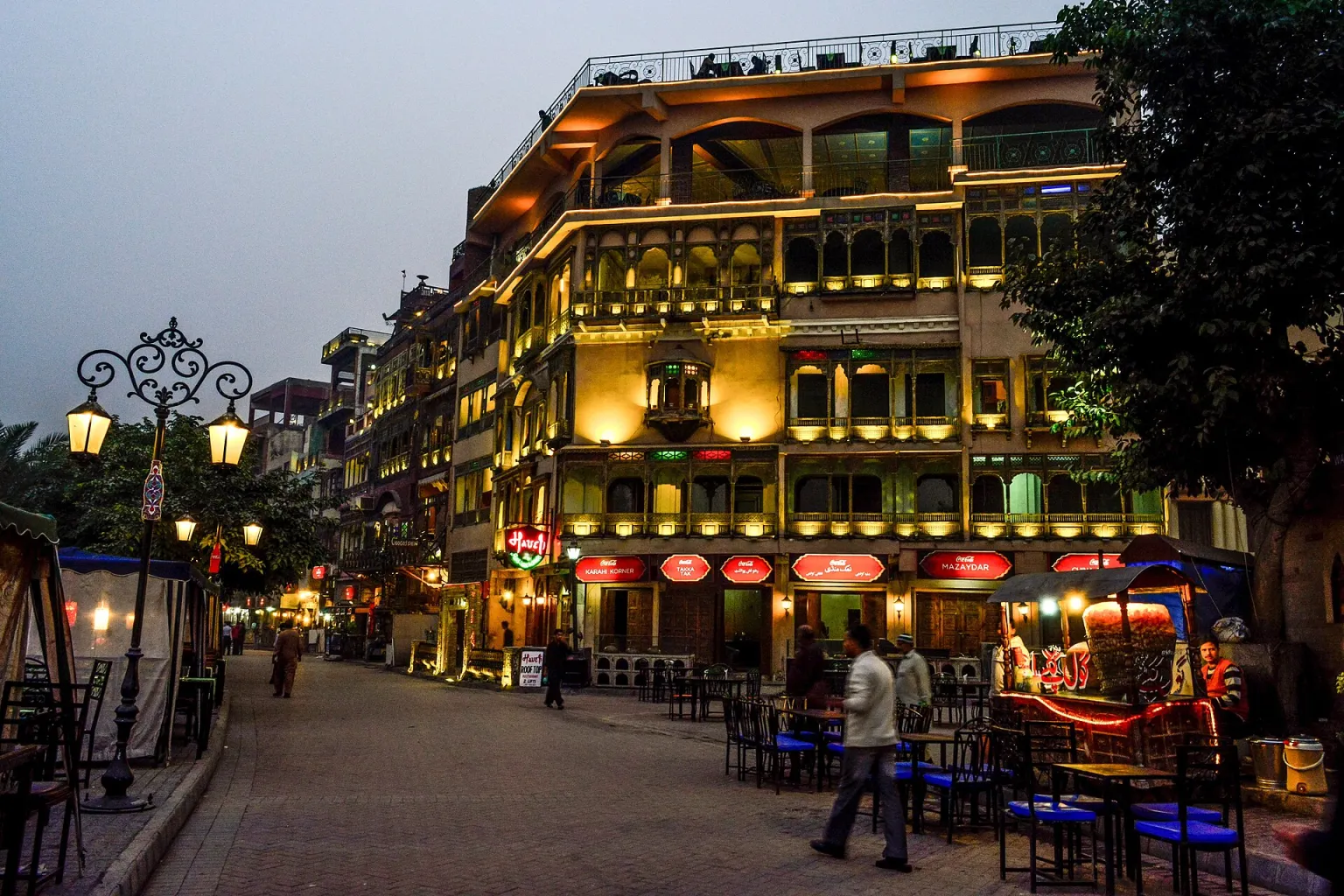
A food street in Saddar, Rawalpindi
An evening food street in Rawalpindi, lit up for the dinner crowd.

Lahore: Breakfasts, Food Streets and Fried Fish

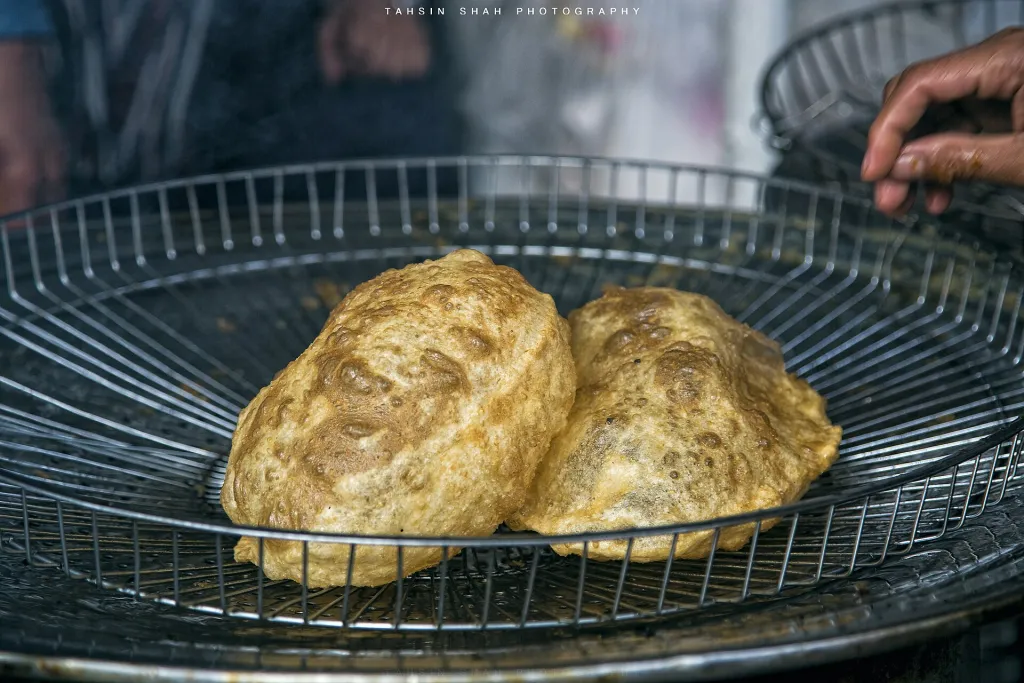
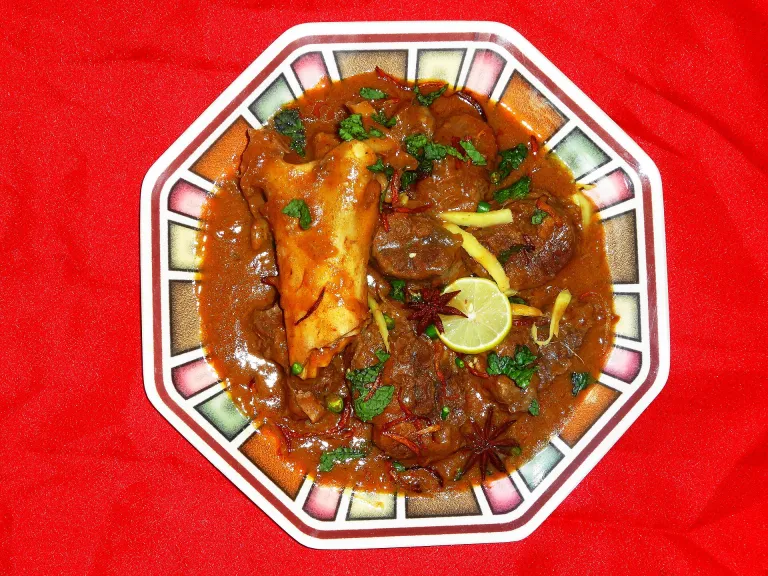
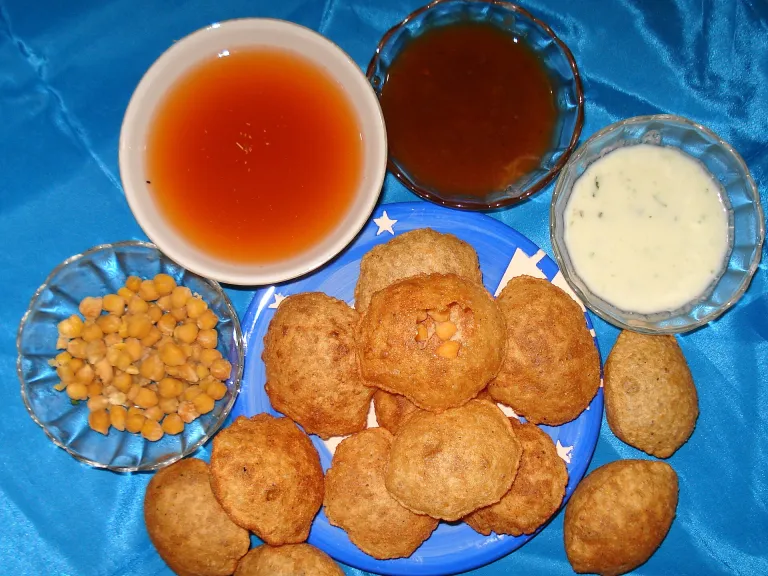
Lahoris start the weekend with halwa puri: deep-fried puris, sweet semolina halwa and spiced chickpeas, usually bought hot from a shop that has been frying since before sunrise. The old city around the Walled City gates is also the place for paye (slow-cooked trotters), nihari and siri paye, eaten with naan or kulcha, and for tall glasses of lassi topped with a slab of cream.

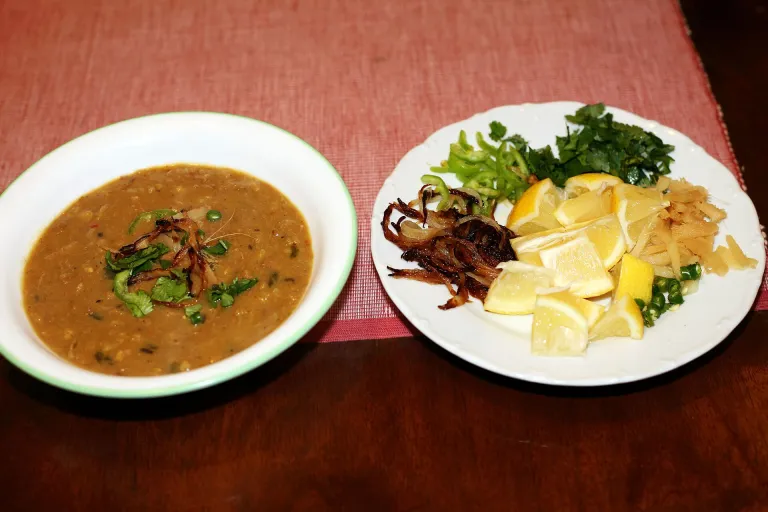
Gawalmandi, just outside the Walled City, grew into an eating quarter after 1947, when families from Amritsar and nearby towns settled there and opened small stalls. Dawn records that the idea of formally turning it into a food street was first proposed in 2000; the street was closed in 2011 and reopened in 2013. Its stalls are credited with bringing gram-flour fried fish, hareesa and doodh jalebi to Lahore's table. In January 2012 the Punjab government set up a second food street on Fort Road, where rooftop restaurants in old houses look straight across at the Badshahi Mosque.

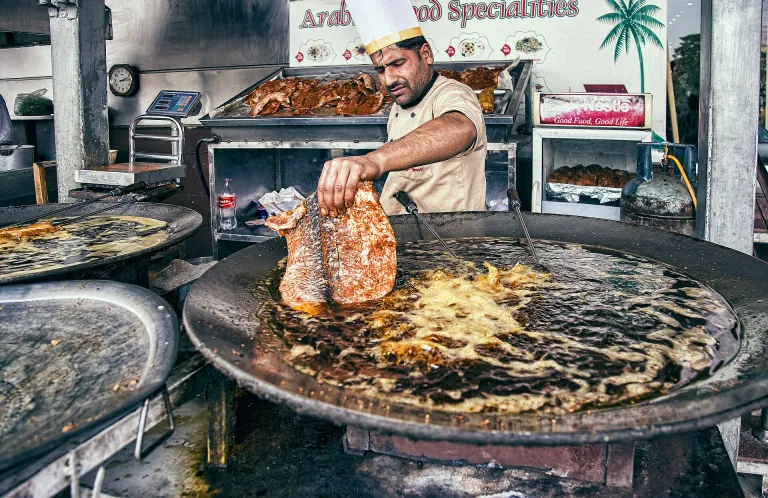
In winter, look for fried fish coated in spiced gram flour, sold by weight from big woks; in summer, for falooda, kulfi and fresh juices. Tikka, seekh kebabs and chicken karahi are on offer almost everywhere in the evening.

Halwa puri being prepared in the Walled City of Lahore
Halwa puri being cooked in Lahore's Walled City.

Karachi: The Megacity on a Plate

Karachi's street food is built on migration. After Partition, families from Delhi, Uttar Pradesh, Hyderabad Deccan, Gujarat and Bombay settled alongside Sindhi, Baloch, Memon, Pashtun and Punjabi communities, and many of them opened food businesses. Burns Road in the old city is the symbolic centre: Delhi Rabri House, for example, began as a push cart there in the mid-1950s, according to The Express Tribune.

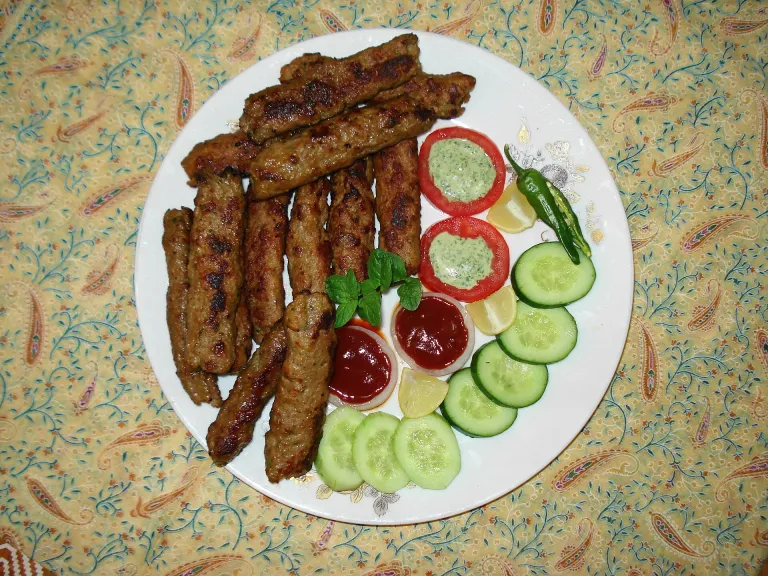
Signature dishes include nihari and haleem, thread-tied dhagay walay kebabs, the griddle-fried bun kebab, fiery biryani sold from huge degs, chaat, gol gappay and dahi baray, and, for the heat, falooda and gola ganda. Food is served round the clock; many stalls are busiest after midnight. For dishes, neighbourhoods and history in more depth, see our full guide to Karachi street food.

Peshawar and Quetta: Meat, Fire and Tea

Peshawar

Peshawar's most famous street dish is the chapli kebab: a wide, flat patty of minced meat with tomato, onion, coriander, crushed coriander seed and pomegranate seed, fried in a large pan of fat until the edges crisp. In the old-city quarter of Namak Mandi, literally the 'salt market', restaurants specialise in lamb karahi cooked with little more than tomatoes, salt and green chillies, and in fat-basted tikka, all served with hot naan for sharing.

Between meals, Peshawar drinks qehwa: green tea brewed with cardamom and poured into small cups in the tea houses around Qissa Khwani Bazaar.

Explore
Chapli kebabs frying in a large flat pan

Quetta

Quetta's signature is sajji, the Baloch way of cooking a whole lamb or chicken: salted, threaded on skewers and roasted slowly around an open fire until the fat renders and the skin crisps. It is often eaten with kaak, a dense local bread. Dried mutton, landi, is a winter speciality.

The city's other gift is its tea houses, which serve strong, milky chai in small cups. The style has travelled: cafés calling themselves 'Quetta tea' now appear in cities across the country.

Explore
Barbecued chickens at a roadside grill in Quetta

Multan: Sohan Halwa and Summer Sweetness

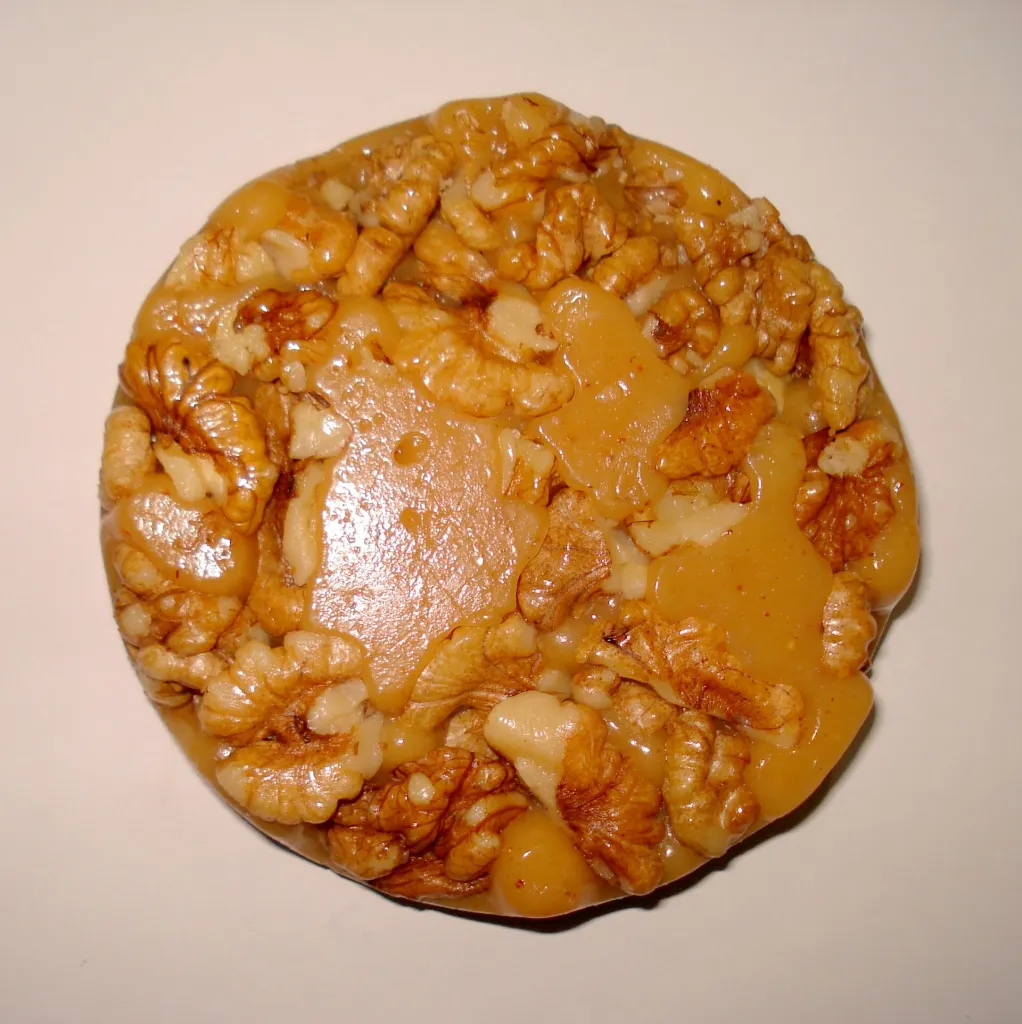
Multan is the city of sohan halwa, a dense, chewy sweet made from milk, wheat and sugar, cooked in ghee and topped with nuts such as almonds, pistachios, walnuts and cashews. Its origins are disputed. Dawn's Multan correspondent collected several legends in 2015: one credits a confectioner called Sohan who rescued a batch of spoiling milk by thickening it with flour; another credits the court of Diwan Sawan Mal, appointed governor of Multan in 1821; others point to Iranian confectioners or to Delhi. What is certain is that the city made it famous. Hafiz Habeeb ur Rehman opened his sohan halwa shop in Multan in 1945, and today tins of the sweet are a standard gift for anyone travelling out of the city.

Multan's streets also serve tikka, karahi and the breakfasts familiar across Punjab. From late May to the end of the summer, carts are piled with local mangoes, sold whole or as thick mango shakes. See our guide to the mangoes of Pakistan for the varieties and their seasons.

Pieces of sohan halwa topped with nuts
Sohan halwa, the sweet most associated with Multan.

When and Where to Eat

Breakfast

Early morning, especially weekends

Halwa puri, nihari, paye and parathas sell out early; arrive before mid-morning.

Ramazan

Before iftar and late at night

Pakora, samosa and jalebi stalls appear before sunset; food streets stay busy late into the night and around sehri.

Food streets

Evenings

Lahore's Fort Road and Gawalmandi, Karachi's Burns Road and Peshawar's Namak Mandi are at their liveliest after dark.

Winter specials

Roughly November to February

Fried fish, gajar ka halwa, paye, sajji and steaming chai come into their own in the cold months.

Summer specials

Hot months

Lassi, falooda, kulfi, gola ganda, sugar-cane juice and mangoes take over the carts.

Eating Street Food Safely

Simple habits that let you enjoy street food with far less risk of an upset stomach.

  • Choose busy stalls with a quick turnover, where you can watch the food being cooked in front of you.
  • Favour dishes that are cooked to order and served piping hot: tikka, karahi, kebabs, fried snacks and freshly made breads.
  • Be more careful with foods that sit at room temperature or are served cold, such as cut fruit, raw salads, chutneys and creamy desserts in hot weather.
  • Drink sealed bottled or properly boiled water, and ask about the ice in drinks and gola ganda if you have a sensitive stomach.
  • Hot tea is generally a safe choice because the water and milk are boiled.
  • Peel fruit yourself, and carry hand sanitiser or wet wipes, since washing facilities are often basic.
  • In Punjab, look for vendors displaying a Punjab Food Authority licence; other provinces have their own food authorities.
  • If you are a visitor, ease in over a few days rather than starting with the spiciest or richest dishes.

Who Checks the Food?

Food safety is regulated by provincial food authorities. The Punjab Food Authority, created under the Punjab Food Authority Act 2011, inspects restaurants and, increasingly, street vendors. In December 2025 it reported that 1,242 food handlers at stalls, carts, dhabas and kiosks had received licences and 4,138 had been given free food-safety training and kits, with inspections under way in busy Lahore markets (APP). Standards vary from city to city, so the habits above still matter.

Frequently Asked Questions

Which Pakistani city is best for street food?

Each has a speciality. Lahore is known for its breakfasts and food streets, Karachi for its variety and late-night stalls, Peshawar for chapli kebabs and karahi, Quetta for sajji and tea houses, and Multan for sohan halwa and mangoes.

What are Lahore's main food streets?

Gawalmandi, near the Walled City, and Fort Road Food Street, facing the Badshahi Mosque, set up by the Punjab government in January 2012. Food streets have been revamped several times, so check locally what is open.

Is Pakistani street food safe to eat?

Millions of people eat it every day. Stick to busy stalls, food cooked to order and served hot, sealed or boiled water and hot tea, and be more cautious with raw salads, cut fruit, chutneys and ice.

Is there vegetarian street food in Pakistan?

Yes: chana, halwa puri, pakoras, samosas, chaat, gol gappay, dahi baray, daal and many breads are meat-free, though cooking oil and utensils are often shared with meat dishes.

What is Namak Mandi in Peshawar?

An old-city quarter whose name means 'salt market'. It is now Peshawar's best-known destination for lamb karahi, tikka and other roasted meats.

How we know this

  • Type Explainer
  • Sources 9 (2 official/academic)
  • Reviewed October 2026
  • Disputed points None
9 sources
  1. Gawalmandi: A taste of history, Dawn (Suhail Yusuf and Muhammad Umar), 9 December 2014
  2. Exploring the legend(s) of Sohan Halwah, Dawn (Shakeel Ahmad), 12 January 2015
  3. Why Karachi's Burns Road will always be the pioneer food street of Pakistan, The Express Tribune, 23 May 2018
  4. There's no sajji better than the one at Lehri Sajji House in Quetta, Dawn Images (Faisal Quraishi), 15 April 2022
  5. The Punjab Food Authority Act, 2011, Punjab Food Authority
  6. PFA boosts street food safety with licences, training, inspections, Associated Press of Pakistan, 3 December 2025
  7. Peshawar, Encyclopaedia Britannica
  8. Quetta, Encyclopaedia Britannica
  9. Pre-Iftar rush for traditional snacks intensifies in capital markets during Ramazan, Associated Press of Pakistan, 10 March 2026
Photo credits (21)
Suggest a correction

Stay updated

Stay Connected with DailyLife.pk

Get new travel guides, recipes and stories from across Pakistan, no spam, unsubscribe any time.

Your Pakistan journey starts here

From majestic mountains to vibrant cities, rich cuisine to timeless traditions — discover the real Pakistan with DailyLife.pk.