
Travel planning
Travelling During Ramadan and Eid
How trains, buses, hill stations, shops, restaurants and daily rhythms change in Ramadan and at the two Eids, and how to plan around them.
- Lunar calendar, moon-sighted dates
- Eid brings the biggest travel rush
- Daytime dining changes in Ramadan
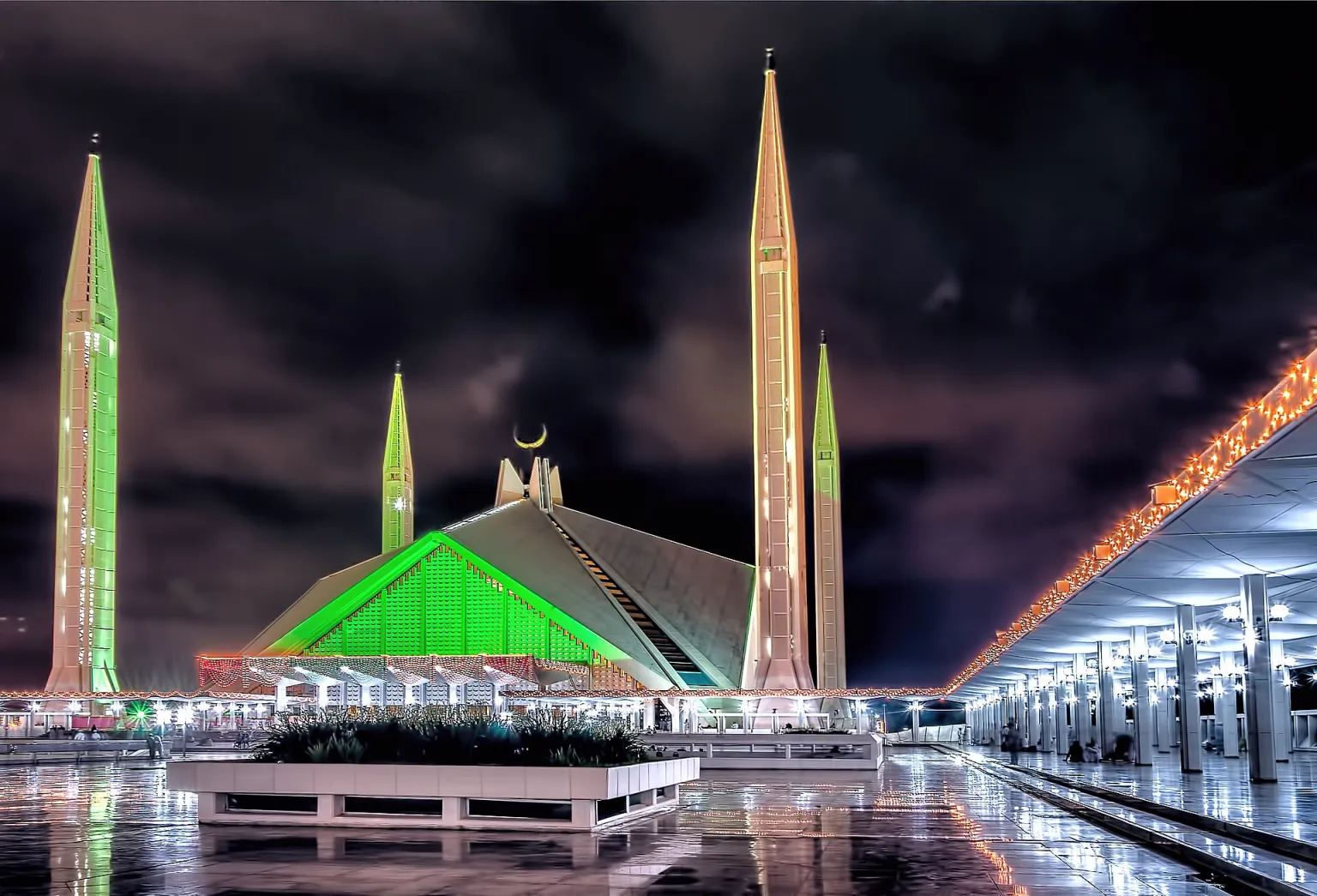
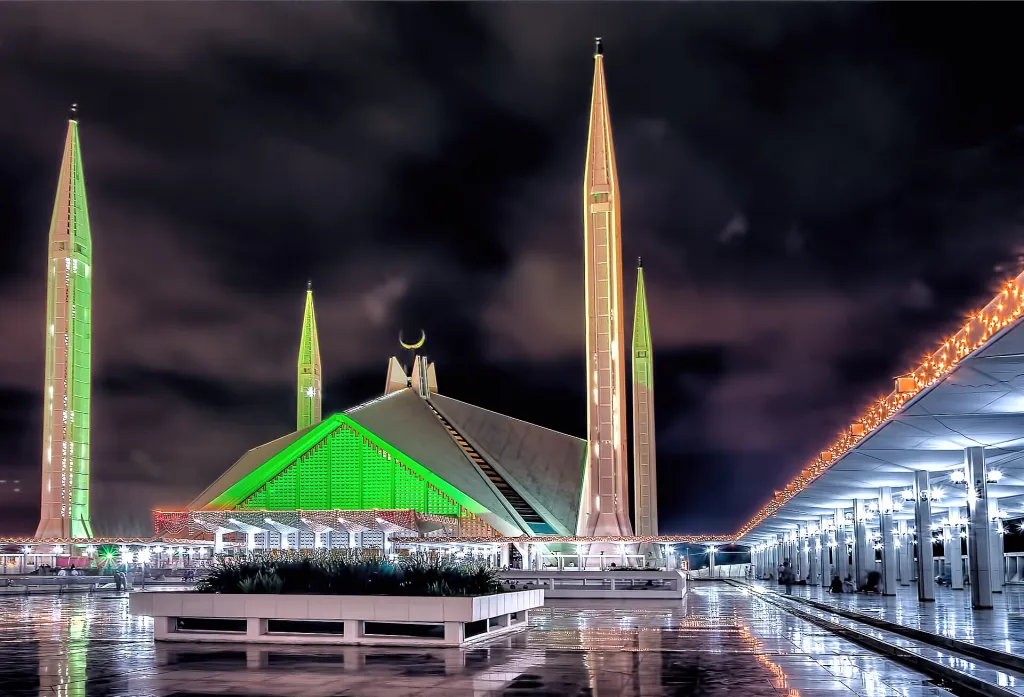
Faisal Mosque, Islamabad, on the eve of the 27th of Ramadan
Why Ramadan and Eid matter for a trip
Ramadan is the month of fasting in the Islamic calendar, and Eid ul-Fitr marks its end; Eid ul-Adha follows about two months later. Both calendars are lunar, so every year they arrive roughly ten to eleven days earlier in the Gregorian calendar, and each begins only once the moon has been sighted. That makes it impossible to name future dates reliably, and this page does not try. Check the official announcement, or the holiday notifications issued by the Cabinet Division, shortly before you travel.
For visitors the question is practical. Ramadan changes when places are open and where you can eat during the day, and it changes the mood: evenings, after the fast is broken at sunset, are lively. Eid, by contrast, sends millions of people home at once, filling trains, buses, motorways and hill stations. A trip that ignores either can be frustrating; a trip that plans for them is often richer. For the cultural side, see Ramadan in Pakistan, Eid ul-Fitr and Chand Raat and Eid ul-Adha and Qurbani.
The Eid rush
Eid ul-Fitr is the biggest domestic travel peak of the year. Dawn's report of June 2019 describes people leaving cities for their hometowns days before a four-day holiday, with early-booked train seats gone, long waits for those who had not booked, extra coaches added on the Karachi and Lahore services, overcharging complaints at bus terminals and special squads sent to check fares. In March 2026 Pakistan Railways announced four special Eid ul-Fitr trains linking Lahore, Karachi, Quetta, Rawalpindi and Peshawar, according to Pak Observer.
For travellers this means three things. Book trains and flights as early as you can, because the best seats go first. Expect higher fares and crowded stations on departure day and again on the return days. And consider moving your own trip outside the peak: the days around Eid are quiet in the big cities, whose own population has largely left, but busy everywhere that people are going to.
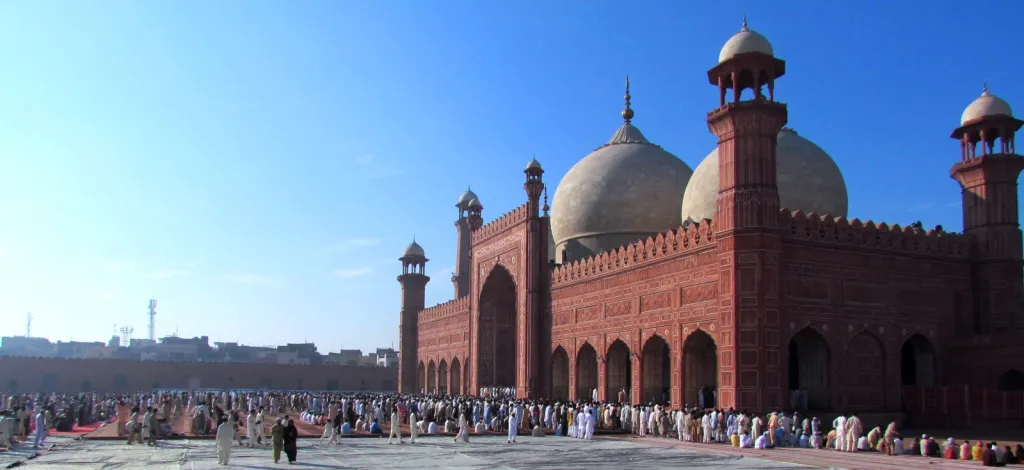
Eid ul-Adha adds animal markets, sacrifice and meat-sharing across the country. Many shops close for the holiday days. See our public holidays page for how holidays are notified.
Hill stations at Eid
Murree, Nathia Gali and other hill stations near Islamabad are among the places many families choose at Eid. The Murree police said in March 2026 that they expected 400,000 to 500,000 visitors over the Eid ul-Fitr holidays, and that on peak days roughly 51,000 to 58,000 vehicles had entered in a single day the previous year, against a court-prescribed daily limit of 8,000 that can rise to about 12,000. The police prepared a traffic plan and advised visitors to download the Safe Tourism Murree app and to call 15 in an emergency. Rain was forecast, so drive carefully. If you want a quieter hill-station visit, pick a weekday outside the holidays. See Murree and Naran and Kaghan.
Planning checklist
- Do not fix dates early: confirm the moon-sighting announcement and the official holiday notification shortly before travel.
- Book trains, coaches and flights well ahead for any journey near Eid, and expect surge pricing and crowded stations.
- For Ramadan, shift sightseeing to mornings and keep evenings for markets and meals.
- Carry water and snacks for road journeys, and be discreet when eating or drinking in public in daytime.
- If you plan northern or hill-station travel at Eid, check road and weather conditions the day before.
- Dress modestly and be patient: staff and drivers may be fasting.
- Carry some cash before the holidays begin, since many businesses close for the Eid days.
Frequently Asked Questions
Can I eat and drink in public during Ramadan?
Be discreet. In Islamabad, public eating in fasting hours is subject to fines under a federal ordinance, as amended after 2017; provinces have their own laws. Many places that serve food stay quiet until sunset. Ask your hotel how it serves guests during the day.
Is Ramadan a bad time to visit?
Not necessarily. Daytime is quieter and slower, and evenings are social and lively. Many visitors find it an especially welcoming time, but you must plan meals and sightseeing around the fast.
What are the dates?
They depend on the moon sighting and shift by about ten to eleven days a year. Check the official announcement and Cabinet Division holiday notices shortly before travel.
Is it harder to travel at Eid?
Yes, for intercity travel. Trains, coaches and hill-station roads are crowded and fares can rise. Book early and avoid the busiest days if you can.
Keep Exploring
Related places and stories on DailyLife.pk
 MurreeMurree travel guide: Mall Road, Holy Trinity Church, Patriata, Nathia Gali and Ayubia, with seasons, routes
 Naran–KaghanNaran–Kaghan guide: Saiful Muluk, Lulusar, Babusar Top, Shogran and Siri Paye, with road seasons
 IslamabadIslamabad travel guide: Faisal Mosque, Pakistan Monument, Margalla Hills trails, Saidpur, markets, sectors, Metrobus
 LahoreLahore travel guide: Badshahi Mosque, Lahore Fort, Shalimar Gardens, the Walled City, food streets, neighbourhoods, metro
 RawalpindiRawalpindi guide: Raja Bazaar, Saddar, the Army Museum, history from the Gakhars to 1959, food
 Ramadan in PakistanRamadan (Ramazan) in Pakistan: sehri and iftar customs, iftar foods, taraweeh
How we know this
- Type Practical guide
- Sources 5 (1 official/academic)
- Reviewed October 2026
- Disputed points None
Rules and fees change, confirm with the official links below before you act.
5 sources
- Citizens start heading to hometowns for Eid, Dawn
- Eidul Fitr 2026 special trains: dates, departure, arrival, stops, Pak Observer
- Murree police issue advisory for Eid tourists, ProPakistani
- Cabinet approves amendments to Ehtram-e-Ramazan Ordinance, Dawn
- Public Holidays (notifications), Cabinet Division, Government of Pakistan
Photo credits (2)
- Faisal mosque on the eve of 27th Ramadan.jpg, Alighazanfarz, CC BY-SA 3.0, via Wikimedia Commons
- Eid prayers at the Badshahi Mosque.JPG, Bilalhassan88, CC BY-SA 3.0, via Wikimedia Commons
