
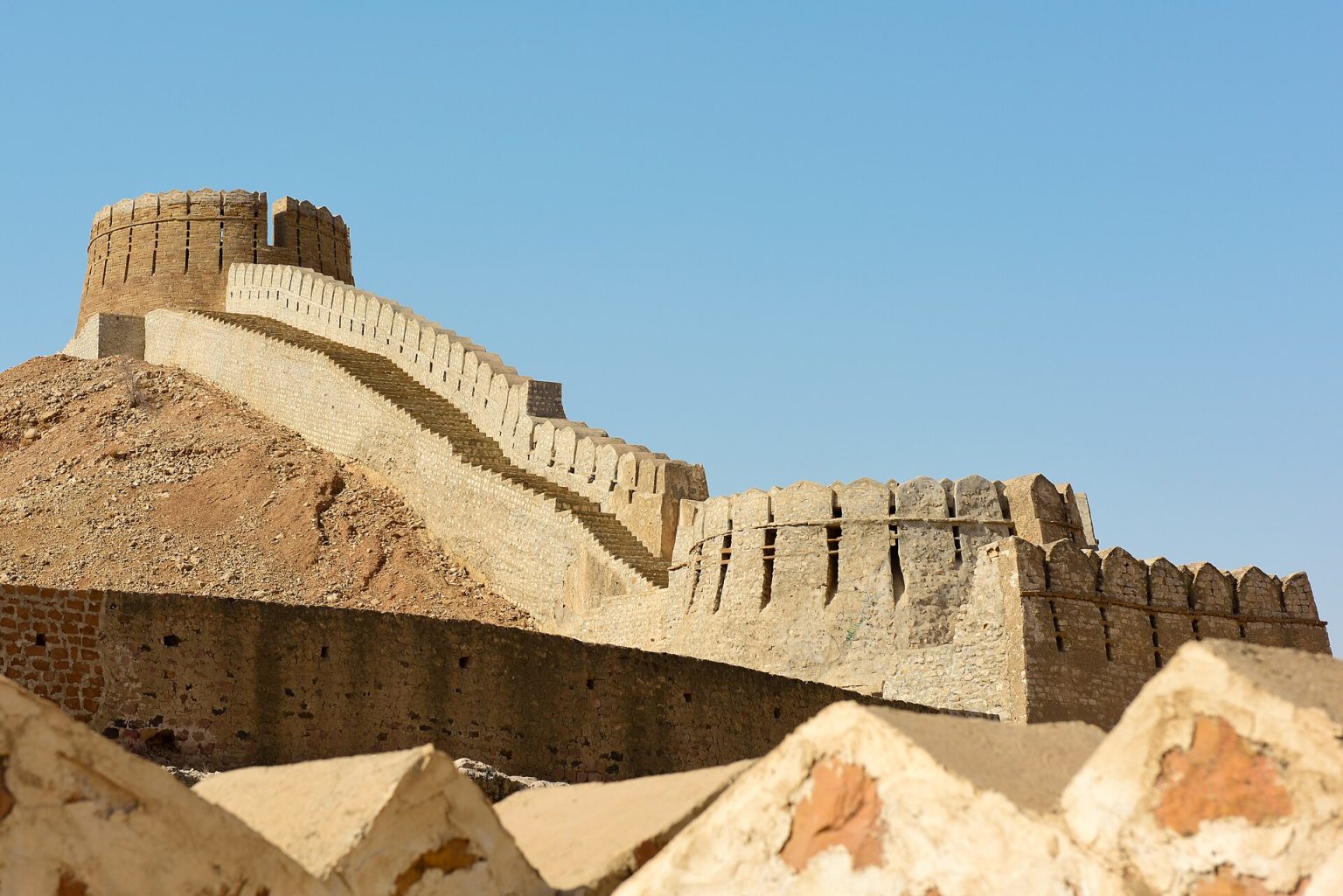
Travel destination
Kirthar National Park: Sindh's Mountain Wilderness
Sindh's only national park: over 3,000 square kilometres of arid hills and plateaus in the Kirthar range, home to ibex, urial and chinkara and reached with permission and a guide.
- Jamshoro and Dadu districts, Sindh
- National park since 1974
- Cooler months preferred
Kirthar hills, Jamshoro District, Sindh
About Kirthar National Park
The Kirthar range runs north-south along the border between Sindh and Balochistan, and the national park occupies a large part of its Sindh side. Dawn describes it as stretching from Hub Dam in the north-west of Karachi to Ranikot in Jamshoro, with the highest ground near the Kirthar peak. It was declared a wildlife sanctuary in 1972 and a national park on 31 January 1974, and covers about 3,087 square kilometres, making it the third-largest national park in Pakistan after Central Karakoram and Deosai. It is Sindh's only national park, and it is managed by the Sindh Wildlife Department.
The landscape is dry and rugged: bare limestone ridges, plateaus, wide gravel plains and seasonal watercourses, with grasses, small trees such as khejri (Prosopis cineraria) and acacia, and a quick flush of green after the monsoon. This apparently empty country supports a remarkable set of animals. The Sindh ibex (a wild goat), the urial (a wild sheep) and the chinkara gazelle are the park's best-known mammals; Dawn's 2021 report also lists blackbuck, jackals, foxes, hyenas and wolves, and notes that leopards have been recorded, with the latest sighting that report mentions in 2019. Birds include sandgrouse, francolins and wild peafowl, and vultures that were once abundant have become rare.
Kirthar is not a drive-in park with a gate and a ticket office. Access to its wilder parts depends on Sindh Wildlife Department permission, a reliable four-wheel-drive vehicle and a local guide. That makes it a trip for people who plan ahead and are happy with rough roads, but it also means the park remains quiet.
Kirthar is a place for slow looking: dry hills, long horizons and the occasional flash of a wild goat on a ridge.
Highlights
 BirdlifeSandgrouse, francolins and peafowl are seen in the park. Bring a field guide.
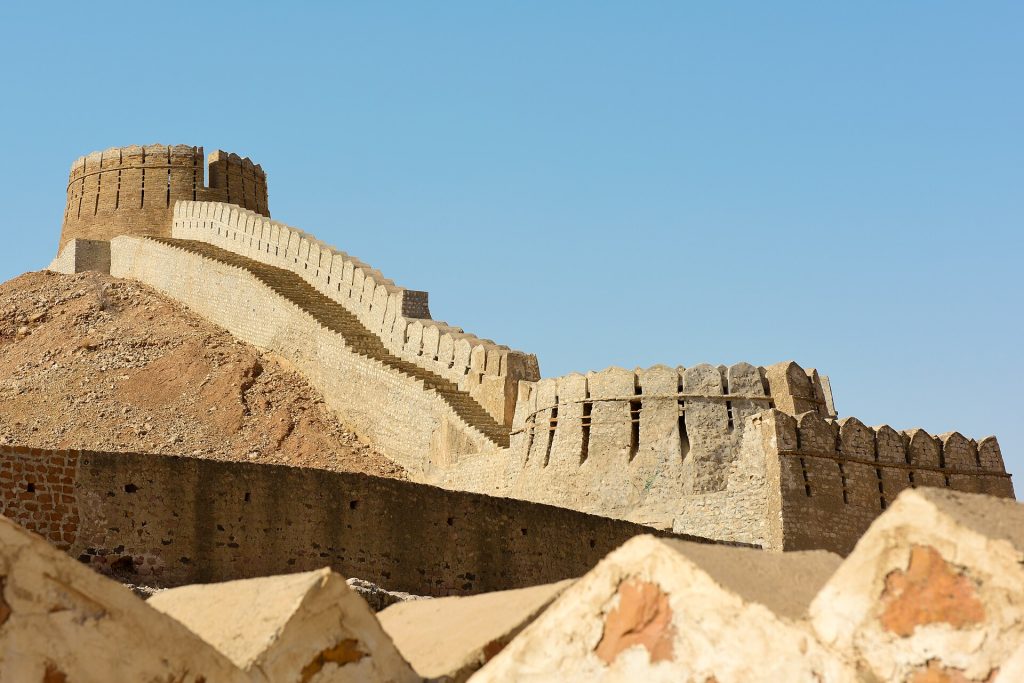
 Ranikot FortAt the park's northern end, the 'Great Wall of Sindh' is a heritage landmark that makes a natural companion visit.
Conservation and Local Communities
The park faces pressures common to dry mountain areas: grazing and woodcutting, encroachment, scarce water and illegal hunting. Dawn's 2021 report notes that communities around the park often lack running water, electricity and health care, which makes conservation a matter of livelihoods as well as animals. Visitors who pay for guides, food and transport from local people help make the park worth more alive than hunted.
Plan Your Visit
Best Time to Visit
Cooler months
Dawn recommends roughly August to February to avoid the worst heat and cold; many visitors prefer the cooler months from about October. Summer days are fiercely hot and flash floods can follow monsoon storms.
How to Reach
From Karachi or Hyderabad
The park lies a few hours' drive from Karachi. Roads become tracks, so use a reliable four-wheel-drive. Hire a local guide, who knows the tracks and water points.
Permission
Sindh Wildlife Department
Dawn reports that permission from the Sindh Wildlife Department is needed for Giri Jabal. Ask the department about permits, camping and any entry arrangements well in advance and confirm in writing.
Where to Stay
Karachi, Jamshoro or camp
There is little visitor accommodation inside the park. Visitors usually stay in Karachi, Hyderabad or Jamshoro, or camp where authorised.
Food and Supplies
Carry your own
Carry food, plenty of water, fuel and a first-aid kit; there are few shops and mobile coverage in the hills may be patchy.
Advisories
Confirm before travelling
Conditions, access and security can change. Check current advisories and local authority guidance, tell someone your route and return time, and travel with an experienced local guide.
Itinerary Ideas
- 1
Day trip from Karachi
With permission, a four-wheel-drive and a guide, make an early start for Giri Jabal or the lower hills, watch for wildlife in the cool of morning and return before dark.
- 2
Overnight camping
Arrange permission and a guide for a night at Karchaat or another authorised camp; stars and quiet are the reward.
- 3
Heritage and hills
Combine Ranikot Fort with a drive into the northern edge of the park, then continue to Sehwan and Manchar Lake.
Visit Responsibly
- Obtain the required permissions and follow the Sindh Wildlife Department's instructions.
- Keep well back from animals, use binoculars rather than approaching, and never chase or feed wildlife.
- Stay on existing tracks; the thin desert soil and plants recover very slowly.
- Take all rubbish out, and do not light fires except where permitted.
- Hire local guides and buy supplies locally to support nearby communities.
Nearby Places
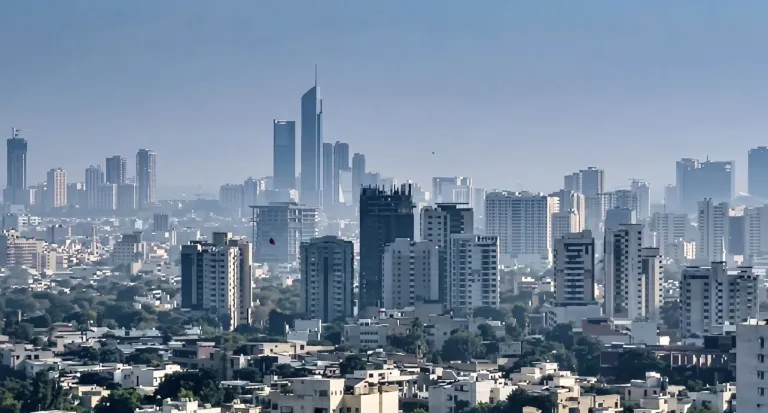
Frequently Asked Questions
When was Kirthar declared a national park?
On 31 January 1974, after being a wildlife sanctuary from 1972. It covers about 3,087 square kilometres.
What animals live in Kirthar?
Sindh ibex, urial, chinkara and several carnivores such as foxes and jackals; leopards have been recorded. Birds include sandgrouse and francolins.
Do I need permission to visit?
Dawn reports that the Sindh Wildlife Department's permission is required for areas such as Giri Jabal. Contact the department before you travel.
Do I need a 4x4?
Dawn recommends a reliable four-wheel-drive for the Kirthar peak and Giri Jabal, and a local guide.
When is the best time to go?
Dawn suggests August to February to avoid extreme heat and cold; October to February is usually the most comfortable.
Keep Exploring
Related places and stories on DailyLife.pk
Ranikot FortPlan a Ranikot Fort trip: the 'Great Wall of Sindh', Miri and Shergarh, its gates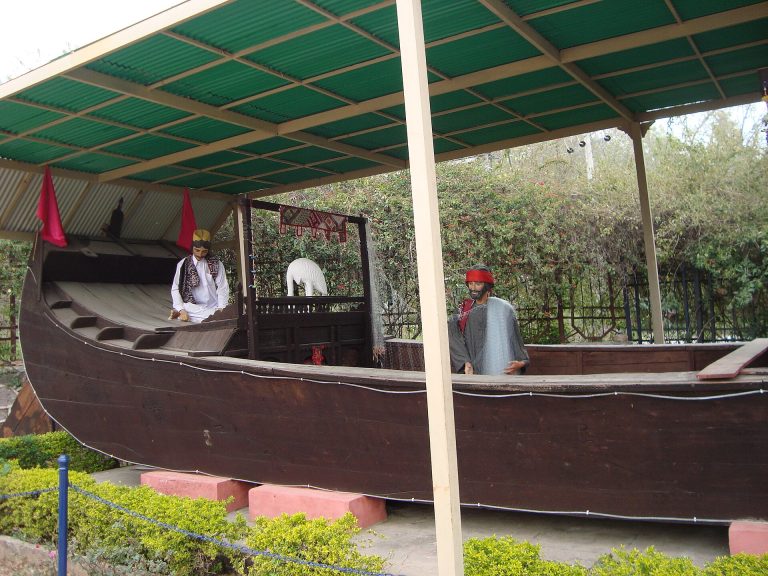 Manchar LakeManchar Lake near Sehwan: Pakistan's largest freshwater lake, Mohana boat communities, seasonal size, pollution, birds
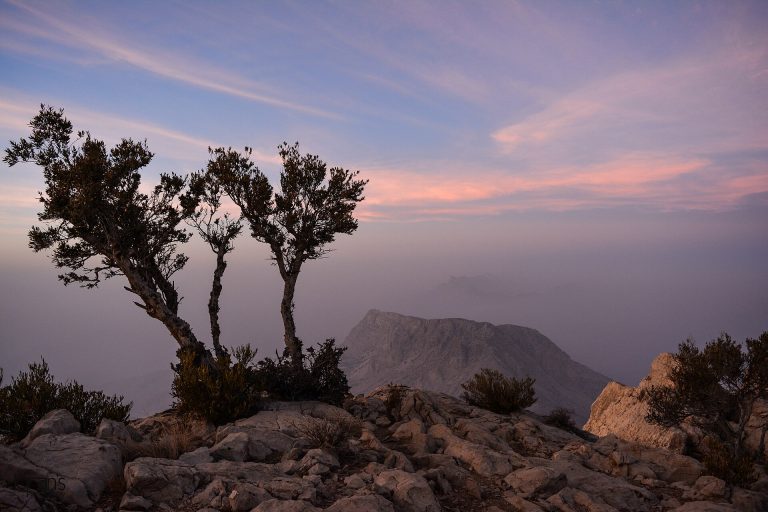 Gorakh HillGorakh Hill guide: Sindh's 'Murree' at about 1,734 m in the Kirthar range, with Benazir Point
 Hingol National ParkPlan a trip to Hingol National Park, Balochistan: Princess of Hope, the Sphinx rock
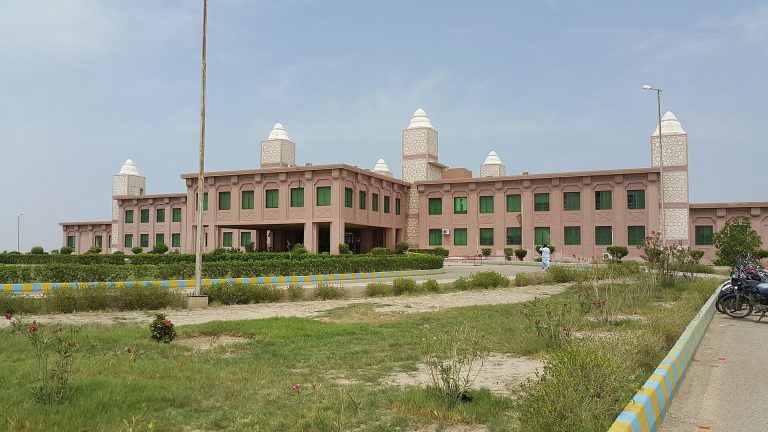 JamshoroJamshoro city guide: University of Sindh, Mehran UET, the Bholari urban area, Ranikot Fort
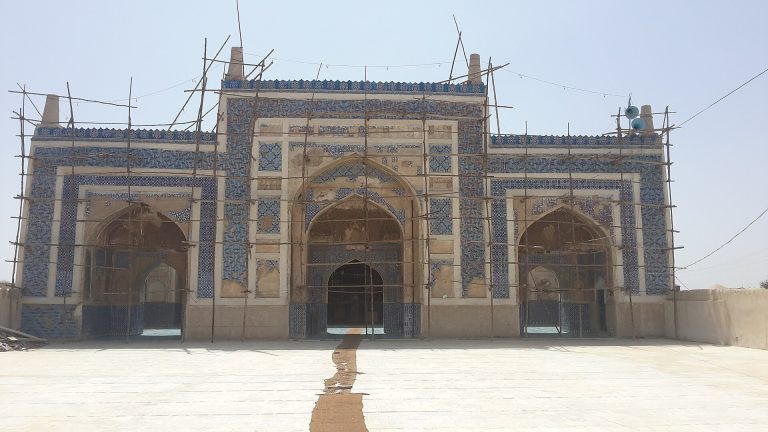 DaduDadu city guide: Gorakh Hill, Manchar Lake, the Khudabad mosque, Johi, Kalhora history, 2023 Census population
How we know this
- Type Travel guide
- Sources 2
- Reviewed October 2026
- Disputed points None
Rules and fees change, confirm with the official links below before you act.
2 sources
- Travel: Far from the madding crowd (Kirthar National Park), Dawn
- Kirthar National Park, Wikipedia (used to locate primary sources)
Photo credits (6)
- Ranikot Wall & Fort View.jpg, Adrian Leslie Lobo, CC BY-SA 4.0, via Wikimedia Commons
- Ranikot Fort - The Great Wall of Sindh.jpg, Adrian Leslie Lobo, CC BY-SA 3.0, via Wikimedia Commons
- Halaji Lake.jpg, Iqran Rasheed, CC BY-SA 4.0, via Wikimedia Commons
- Boat of Manchar Lake Sindh.JPG, Laila Khaan, CC BY-SA 3.0, via Wikimedia Commons
- Gorakh Hill Station by Iqran Rasheed.jpg, Iqran Rasheed, CC BY-SA 4.0, via Wikimedia Commons
- Clifton Karachi View.jpg, Ktownboy103, CC0, via Wikimedia Commons
