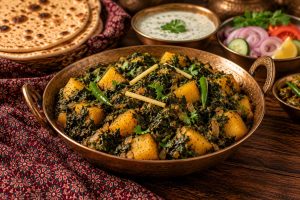
Baingan Masala
بینگن مصالحہ
Soft aubergine chunks coated in onion-tomato masala
Pakistani home-style aubergine pieces simmered until silky in a reduced onion-tomato masala without mashing them.

Total includes 5 min of passive time described in the preparation and method. One tablespoon = 15 ml; one teaspoon = 5 ml.
About Baingan Masala
Pakistani home-style aubergine pieces simmered until silky in a reduced onion-tomato masala without mashing them.
Personally cooked and tested by Zohair Fakhar for DailyLife.pk. Cooking times can vary with your stove, cookware and batch size; follow the texture and doneness cues in the method.
Make it work for your kitchen
Also known as Baingan Masala Sabzi.
Original quantities serve 4. Cooking times, pan size and frying-oil depth do not scale, cook in extra batches instead.
Before you start
Before you start
Prepare and measure Wash and prepare vegetables to the stated cut sizes; measure spices and keep utensils ready. Read the full method before switching on the heat. None Part of 20 min prep
Set up the equipment
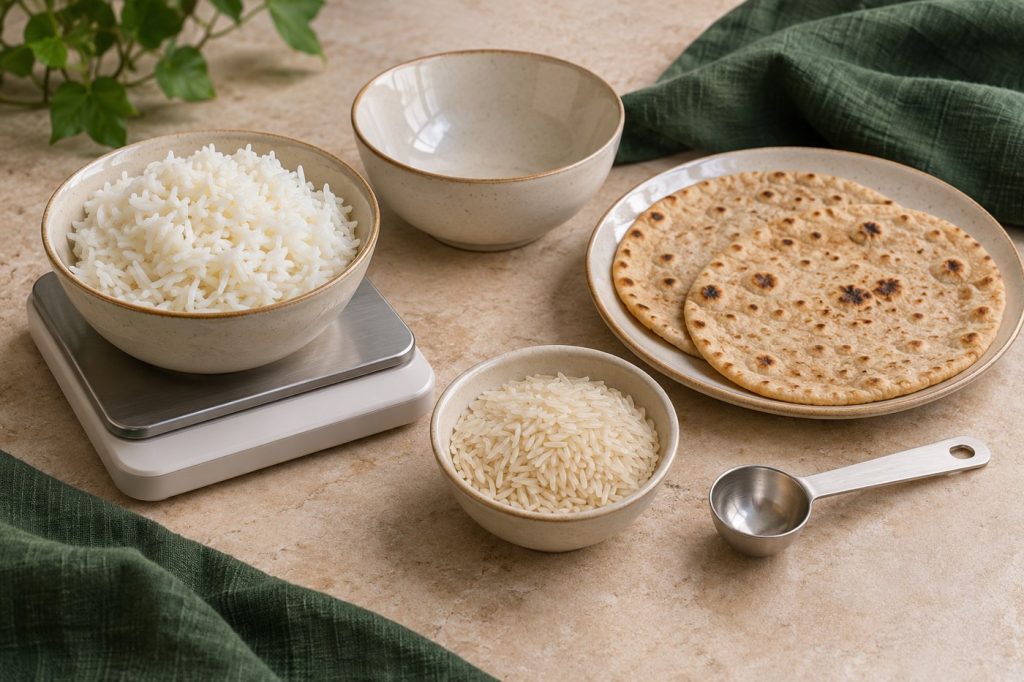
Have the following tools ready before starting: Digital kitchen scale and measuring spoons; Wide heavy-bottomed skillet with lid; Knife, board, spatula.
Clean workspaceMeasure the ingredients
Measure the ingredient quantities for your selected servings before applying heat. Keep separately listed groups, such as dough, filling, sauce or garnish, in separate containers; keep any optional additions separate.
Use the ingredient list aboveCheck allergens and substitutions
Check ingredient labels and any substitutions against these notes: No major allergens intentionally added; check cross-contact and packaged spices
Before cooking
Step-by-step cooking method
1 Prepare vegetables
Rinse and trim 650 g aubergine and cut into 3 cm pieces. Slice 180 g onion; chop 300 g tomato. Keep everything ready so the cut aubergine spends little time exposed.
2 Bloom cumin and soften onion
Heat 42 g oil in a broad heavy pan over medium. Add 4 g cumin seeds and let sizzle briefly without burning. Add 180 g onion; stir 7–9 minutes until translucent and lightly golden.
3 Build a concentrated masala
Add 20 g ginger-garlic paste for 45–60 seconds.
4 Build a concentrated masala (continued)
Stir in 300 g tomato, 2 g turmeric, 6 g ground coriander, optional 2 g chilli and 6 g salt.
5 Build a concentrated masala (continued)
Cook uncovered, stirring, 8–10 minutes until tomatoes collapse and oil appears around the edges.
6 Coat aubergine
Fold in aubergine gently, turning pieces in the masala for 3 minutes. Avoid aggressive stirring that would break the pieces.
7 Cook until silky
Add 80 ml hot water, cover and cook 10–12 minutes on medium-low. Check midway, adding only a splash more water if catching. The thickest aubergine piece should yield easily to a fork while keeping its shape.
8 Reduce and finish
Uncover for 2–4 minutes to remove excess liquid and correct salt. Scatter optional 12 g coriander over the pan. Rest off heat for 5 minutes before serving with roti.
Chef’s tips
- A wide pan helps tomato moisture evaporate before aubergine cooks.
- Use glossy firm aubergines rather than bruised or very seedy ones.
Common mistakes & quick fixes
- Mushy pieces
- Use larger even pieces and avoid stirring after tenderness.
- Raw-tasting tomato
- Reduce tomato masala fully before adding aubergine.
- Scorched masala
- Turn down heat and add tablespoons of water, not a large pour.
Variations & serving ideas
Variation: For a drier version, omit half the initial water and check pan frequently.
Mild version: omit chilli; keep coriander and cumin.
Variation: Serve with roti and plain yogurt; these accompaniments are excluded from nutrition.
Perfect result check
| Check | Aubergine is soft through the centre but pieces remain identifiable. |
|---|---|
| Check | Masala clings to pieces; little free liquid remains. |
Storage & reheating
| Cooling | Refrigerate promptly | Divide into shallow containers and refrigerate promptly, within 2 hours or within 1 hour above 32°C/90°F. Keep the fridge at 4°C or below. |
|---|---|---|
| Fridge | 3–4 days | Use refrigerated portions within 3–4 days. Freeze promptly cooled portions in sealed containers for longer keeping and thaw in the fridge. Aubergine can become softer after thawing. |
| Reheating | Reheat throughout to 74°C/165°F, checking the centre with a food thermometer. Add a small splash of water if needed and turn gently to avoid crushing the aubergine. Reheat only the portion needed. |
Know when to change the heat
| Stage | Heat | What to look for |
|---|---|---|
| Build the onion-tomato masala | Medium, uncovered | Onions become lightly golden and tomatoes collapse into a thick base. Stir so the spices do not burn. |
| Soften the aubergine | Medium-low, covered | Keep a gentle simmer with enough moisture to prevent catching. Once the largest pieces are tender, uncover briefly to reduce excess liquid. |
Helpful answers before you cook
How can I tell when it is ready?
Test the thickest aubergine piece with a fork: it should yield through the centre without a spongy or firm core. The pieces should still be recognisable, and the masala should cling rather than sit in a pool of water. Check tenderness before the final uncovered reduction.
Why use a wide pan for baingan masala?
A wide pan gives the chunks room to contact the masala and lets excess moisture evaporate at the uncovered finish. An overcrowded pan steams unevenly and makes it harder to turn the softened pieces without breaking them. For a larger batch, use a suitably wider pan or cook in batches.
What if the aubergine is still firm but the pan is dry?
Add a small splash of hot water, lower the heat and cover again so the pieces can soften gently. Check and turn carefully rather than adding more oil each time the pan catches. Once the centres are tender, uncover to reduce any excess liquid.
Can I make it ahead?
Yes. Refrigerate promptly in shallow containers and reheat the amount you need, turning gently. The aubergine softens further during storage, so the freshly cooked dish holds its shape best. If freezing portions, expect a softer texture after thawing and follow the storage guidance below.