Chikar Cholay
چکڑ چھولے
Stovetop · gentle simmer
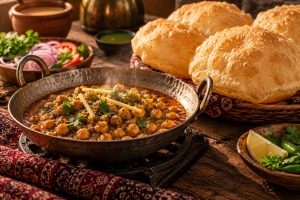
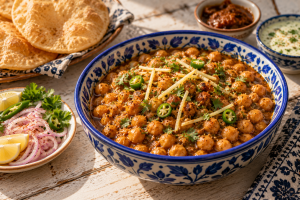
A thick, deliberately mashed Lahori-Punjabi-style chickpea curry whose soft, rustic gravy distinguishes it from a looser whole-chickpea cholay. Names and household methods overlap, so treat this as a texture-led variant, not automatically an alias of Lahori Cholay.

Timing starts with fully cooked chickpeas and boiled potato. Allow separate soaking and cooking time if starting with dry chickpeas or raw potato. One tablespoon = 15 ml; one teaspoon = 5 ml.
About Chikar Cholay
A thick, deliberately mashed Lahori-Punjabi-style chickpea curry whose soft, rustic gravy distinguishes it from a looser whole-chickpea cholay. Names and household methods overlap, so treat this as a texture-led variant, not automatically an alias of Lahori Cholay.
Personally cooked and tested by Zohair Fakhar for DailyLife.pk. Cooking times can vary with your stove, cookware and batch size; follow the texture and doneness cues in the method.
Make it work for your kitchen
Also known as Chikkar Chole, Chikar Chole, Chikkar Cholay.
Original quantities serve 4. Cooking times, pan size and frying-oil depth do not scale, cook in extra batches instead.
Before you start
Before you start
Verify tenderness Press a chickpea with a spoon; it should mash with little resistance. Use fully boiled potato if including it. No heat · 3–5 min Prepare fine aromatics Finely chop onions, ginger, garlic and tomatoes to avoid hard chunks in the mash. No heat · 10–12 min Measure and plan texture Measure spices and water; keep a potato masher handy to thicken late in cooking. No heat · 3 min
Set up the equipment
Have the following tools ready before starting: Heavy saucepan with lid; Wooden spoon or potato masher; Knife and chopping board; Measuring spoons and kitchen scale.
Clean workspaceMeasure the ingredients
Measure the ingredient quantities for your selected servings before applying heat. Keep separately listed groups, such as dough, filling, sauce or garnish, in separate containers; keep any optional additions separate.
Use the ingredient list aboveCheck allergens and substitutions
Check ingredient labels and any substitutions against these notes: No wheat, milk or eggs intentionally included in the curry. Check packaged spices, prepared chickpeas and any separately served bread for allergens and cross-contact.
Before cooking
Step-by-step cooking method
1 Slowly soften the onions
Heat neutral oil in a heavy pan over medium heat. Cook onion, finely chopped for 12–14 minutes, stirring, until thoroughly soft and golden. Keep the heat moderate so the base does not scorch.
2 Reduce the spice base
Add ginger, minced and garlic, minced. Stir for 1 minute without letting them darken.
3 Reduce the spice base (continued)
Add tomatoes, finely chopped, ground coriander, red chilli powder, turmeric and salt. Cook over medium-low heat for 9–11 minutes, stirring until glossy and concentrated. Lower the heat if the base starts to catch.
4 Simmer with chickpeas and potato
Stir in cooked, drained white chickpeas, boiled peeled potato and hot water.
5 Simmer with chickpeas and potato (continued)
Bring to a simmer, partly cover and cook 16–20 minutes. Stir often near the end to prevent sticking.
6 Mash to the chikar texture
Using a potato masher, crush the potato and approximately one-third to one-half of the chickpeas in the saucepan.
7 Mash to the chikar texture (continued)
Simmer uncovered, stirring regularly for 5–8 minutes, until the sauce is thick but still spoonable. Add hot water in small amounts if too dense.
8 Season and serve
Taste the cooked curry and adjust seasoning only if needed, then stir in garam masala. Add the optional lemon juice and fresh coriander leaves. The curry should be chunky and thick, rather than pureed smooth. Serve with separately prepared naan or kulcha.
Chef’s tips
- Use chickpeas soft enough to crush easily.
- Mash some chickpeas, retaining others for bite.
- Stir frequently once thickened to prevent scorching.
- Start with less water rather than reducing an overly thin pot for a long time.
Common mistakes & quick fixes
- Gluelike paste
- Too much potato or overly aggressive puréeing; loosen gradually with hot water.
- Watery chikar
- Mash more chickpeas and simmer uncovered.
- Hard grainy bite
- Chickpeas were undercooked; cook them tender before adding masala.
- Burnt bottom
- Reduce heat; stir and use a heavier saucepan.
Variations & serving ideas
Variation: Without potato Omit the 120 g potato, mash additional chickpeas and reassess water; yield and nutrition change.
Variation: More pronounced ginger Finish with a little fresh ginger matchstick garnish, optional.
Variation: Milder Reduce chilli powder; do not increase turmeric to compensate.
Variation: With bread Naan or kulcha pairs well but is not part of the measured recipe.
Perfect result check
| Check | Texture Thick and irregular with intact chickpeas visible. |
|---|---|
| Check | Tenderness No firm chalky centre; potato fully soft. |
| Check | Seasoning Warm, balanced spices with no scorched aftertaste. |
Storage & reheating
| Cool promptly | Within 2 hours | Transfer to shallow clean containers and refrigerate within 2 hours, or within 1 hour above 32°C. Keep at or below 4°C. |
|---|---|---|
| Fridge | Within 48 hours | Use properly refrigerated portions within 48 hours, or freeze promptly for longer storage. |
| Reheating | Once, until hot throughout | Reheat once until steaming hot throughout, stirring for even heat. Loosen with a little water if needed. |
| Freezer | Freeze promptly | Freeze in dated food-safe portions after prompt cooling. Thaw in the fridge and reheat thoroughly. |
Know when to change the heat
| Stage | Heat | What to look for |
|---|---|---|
| Masala | Medium-low heat | The onions should be soft and golden and the tomatoes reduced to a thick glossy base. Stir before spices catch on the bottom. |
| Mash | Low heat | The chickpeas should crush easily. Mash only part of them with the potato, leaving whole chickpeas for texture. |
| Serve | No heat | The finished curry should be chunky and spoonable, with no hard chickpeas. Add the finishing seasonings after adjusting thickness. |
Helpful answers before you cook
Can I start with dry chickpeas?
Yes, but this timed formulation starts with cooked, drained chickpeas. Soak and cook dried chickpeas until fully tender separately; weigh the cooked, drained result. Soak and bean-cook time is excluded.
Can I use a pressure cooker?
Use the pressure cooker only for the chickpeas, with the manufacturer’s tested bean programme, minimum liquid, foam-fill limit and specified release. No universal pressure-cook time is asserted. Finish the masala and thickness on the stovetop.
How much should I mash for the thick chikar texture?
Crush the cooked potato and roughly one-third to one-half of the soft chickpeas in the pan. Leave the rest whole for texture, then simmer and stir until thick but spoonable. Loosen gradually with hot water if it becomes too dense; avoid blending the entire batch smooth.
Will eight servings finish in the same time?
No. Ingredients can be doubled, but larger cookware and more simmering/reduction time may be needed. Check tenderness and thickness rather than scaling minutes mechanically.