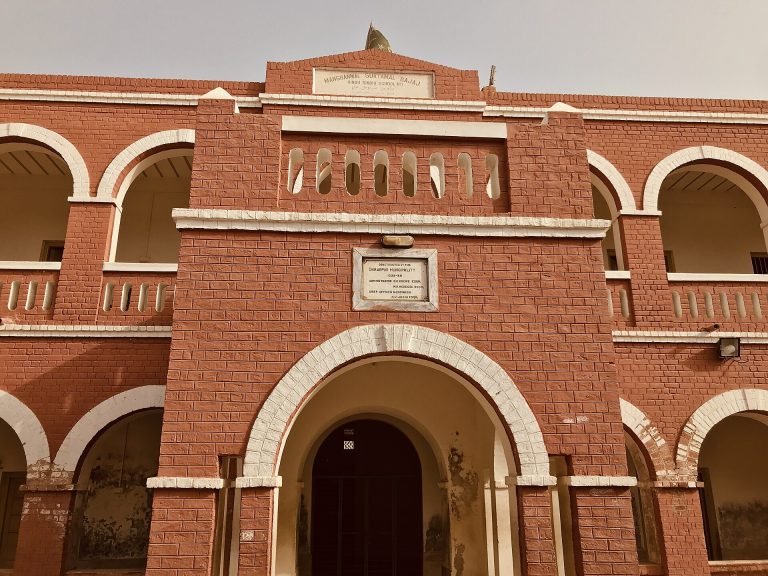
Khairpur, often called Khairpur Mirs, lies on the east side of the Indus a short drive south of Sukkur. It was founded as a capital by Mir Sohrab Khan Talpur, who established the state of Khairpur in 1783. When the British conquered the rest of Sindh in 1843, Khairpur survived as a princely state under British suzerainty, running its own internal affairs. After 1947 it signed a standstill agreement with Pakistan and was merged into the country on 3 October 1955 under the One Unit scheme.
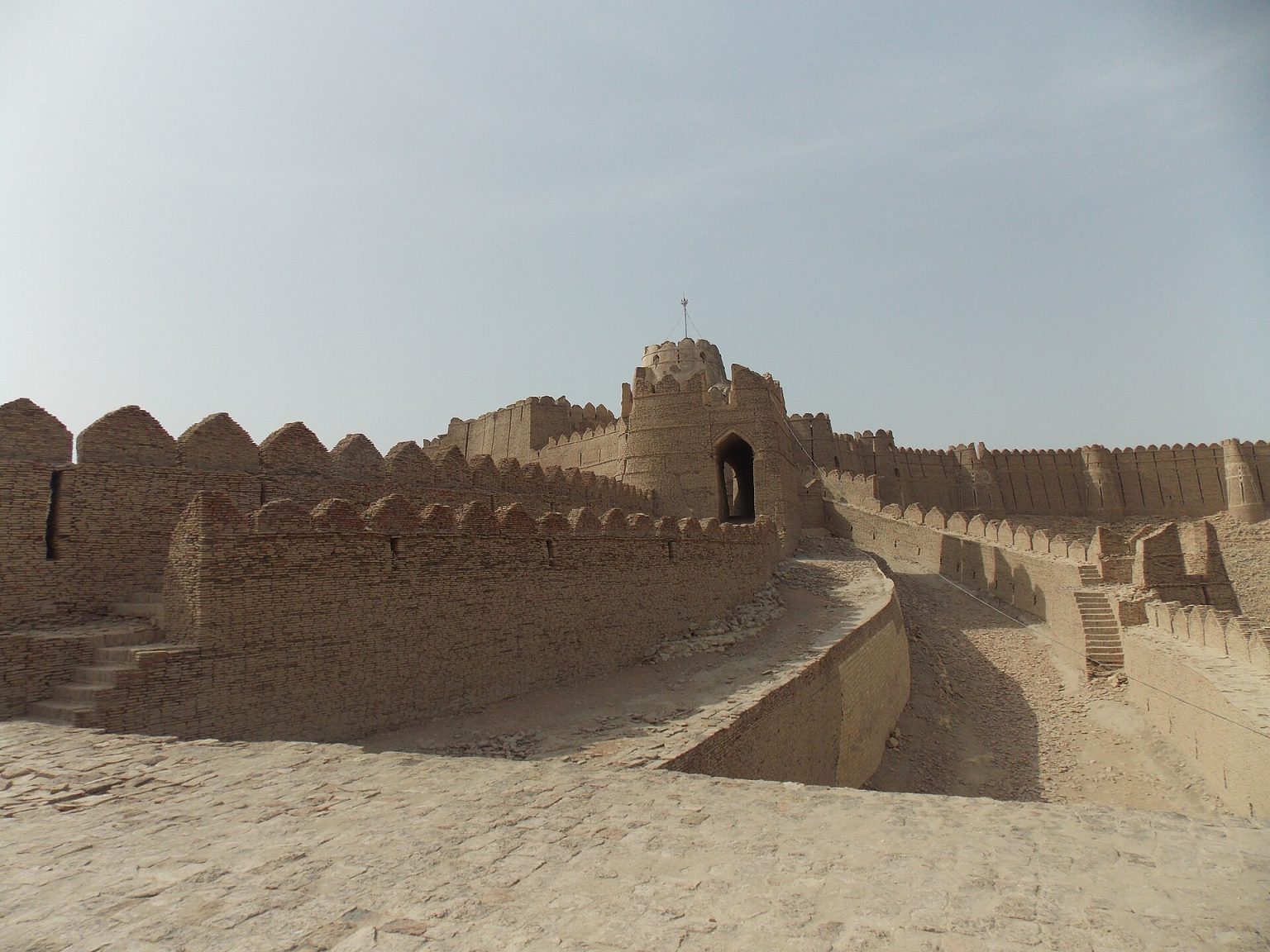
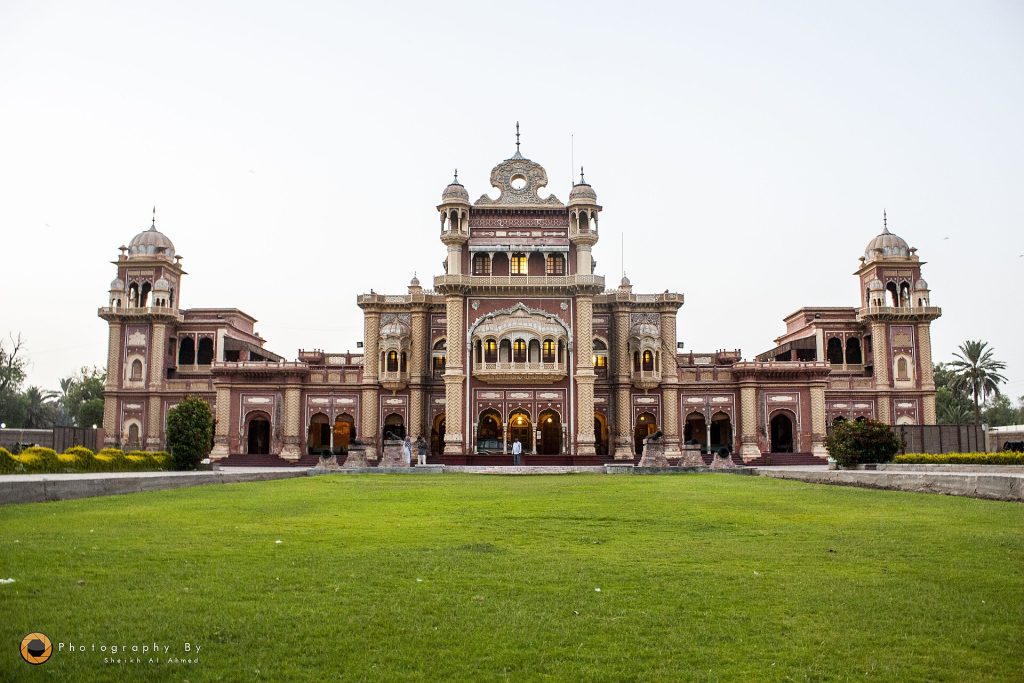
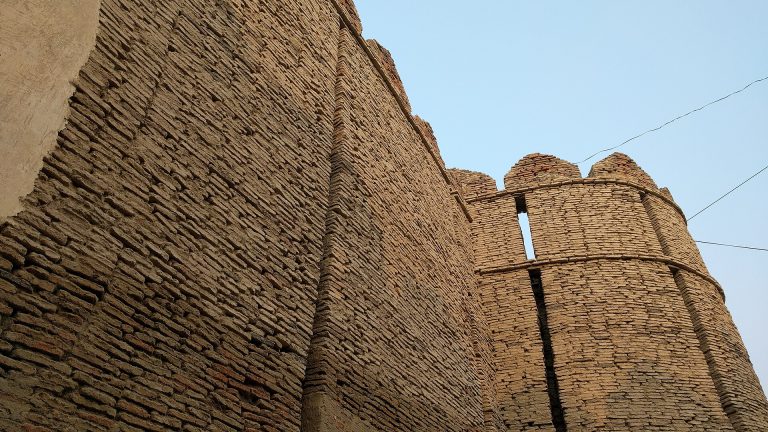
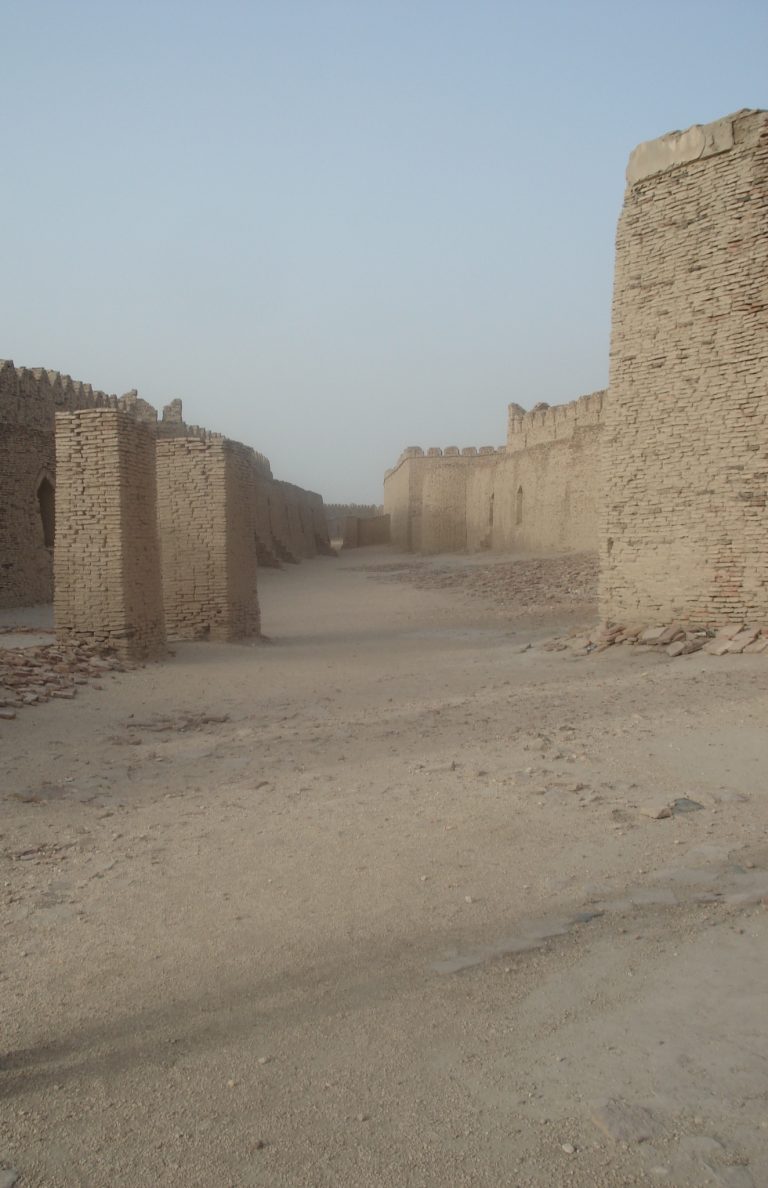
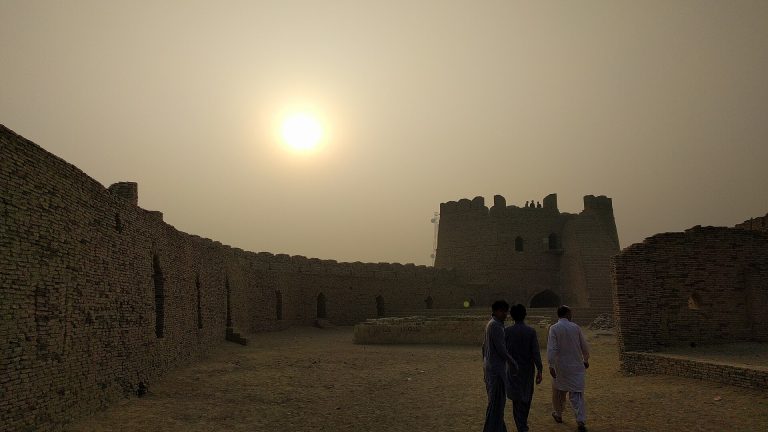
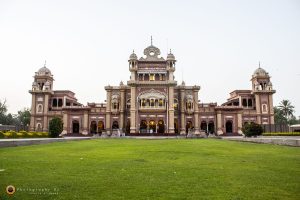
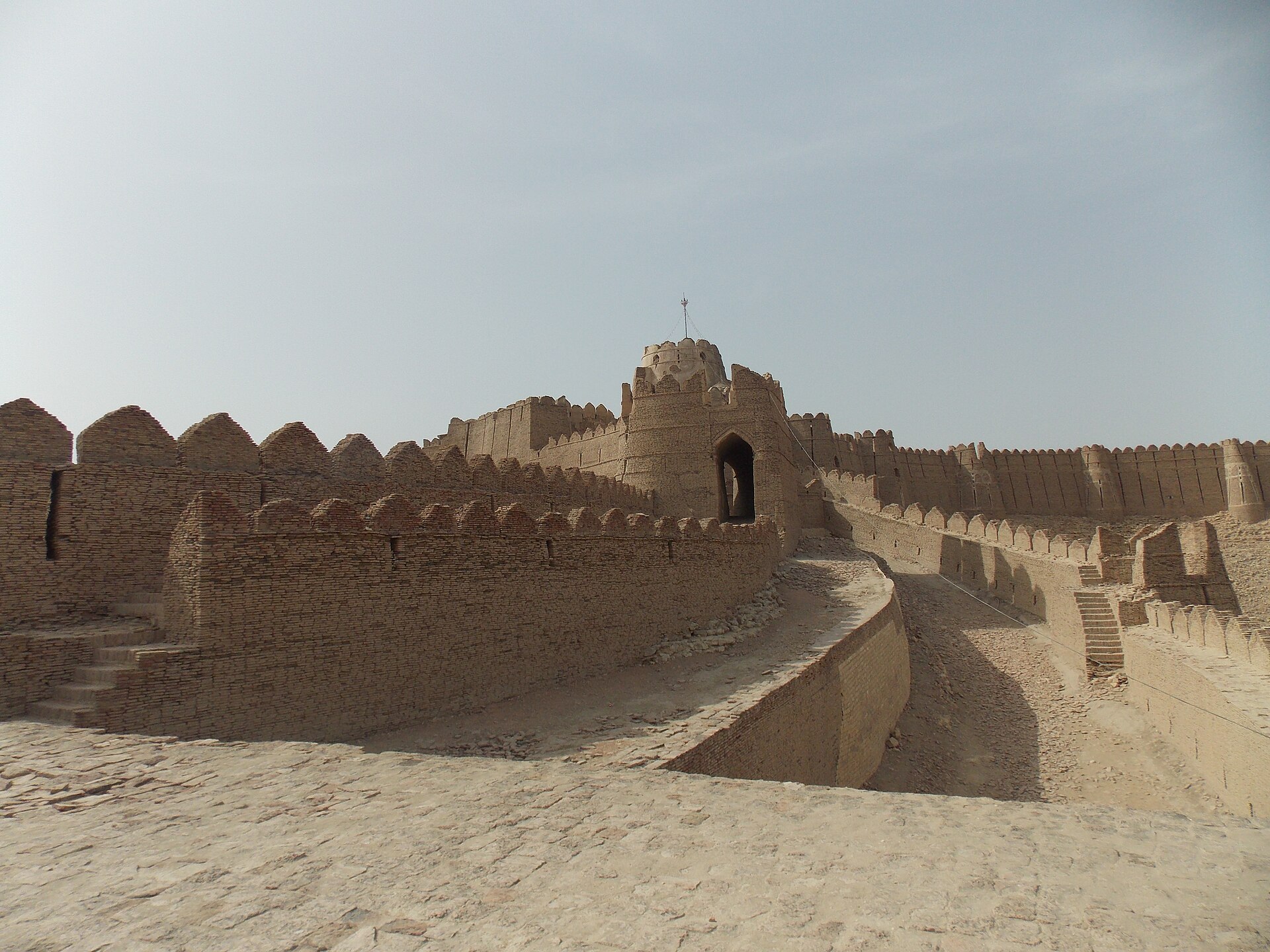
That long royal history left the city a palace, Faiz Mahal (1798), and the district a string of Talpur monuments, the most dramatic being the brick fort of Kot Diji on its limestone ridge. Three Sindh forts, Kot Diji among them, were added to UNESCO's Tentative List of World Heritage sites in 2026.
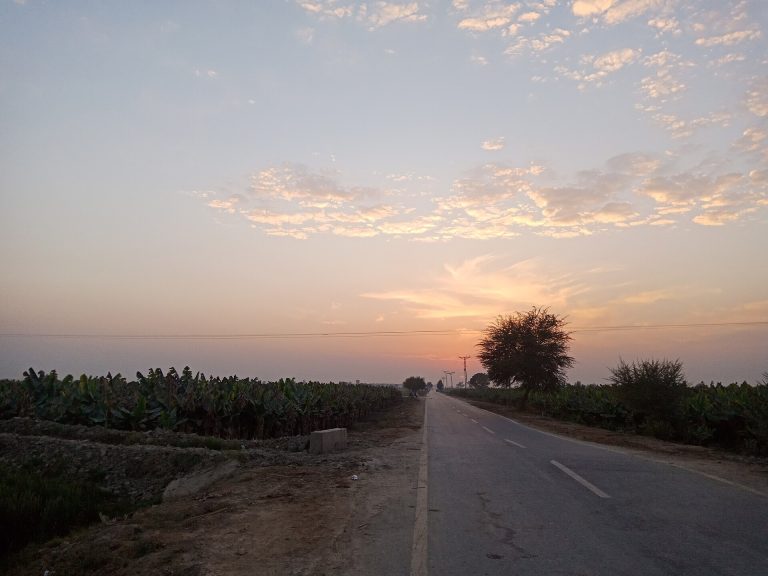
The 2023 Census counted 191,044 people in Khairpur city and 2,597,535 in Khairpur District, one of the most populous districts in Sindh. The rulers invested in irrigation and farming, and the district remains a key centre of Sindh's date and mango production; in late summer the date harvest dominates life in the countryside.
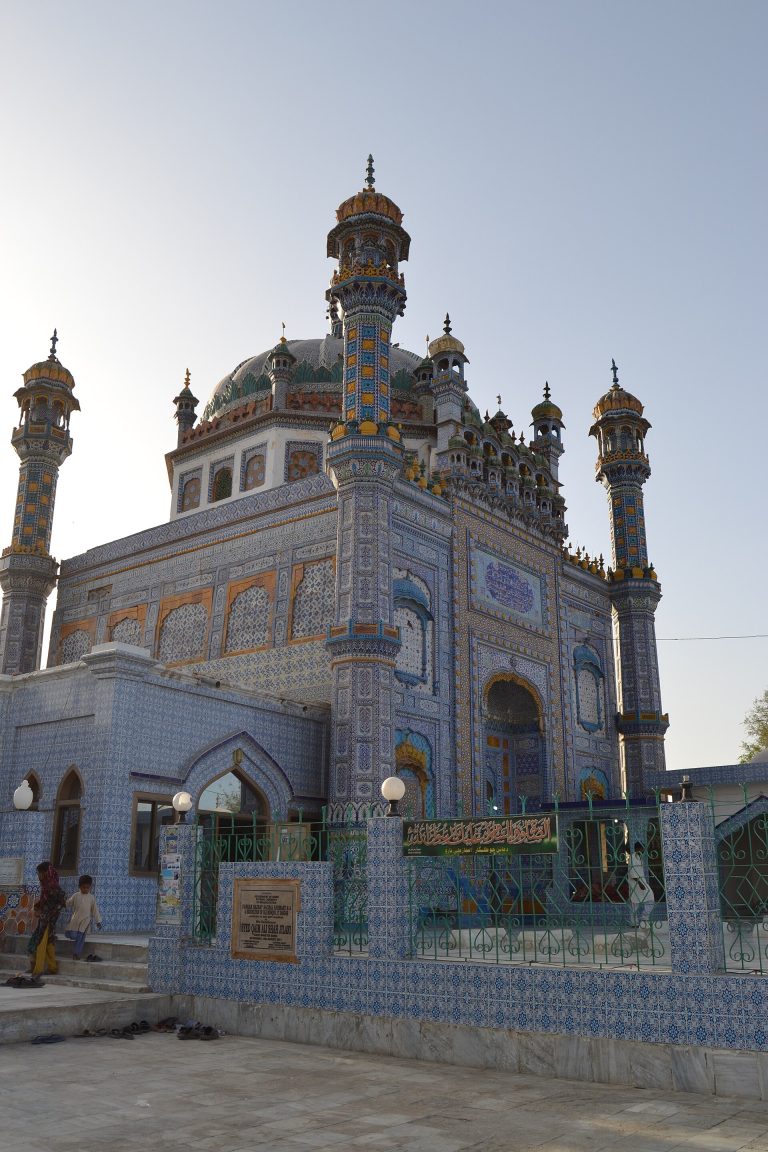
Khairpur is also a university town, home to Shah Abdul Latif University, and a place of pilgrimage: the shrine of the Sufi poet Sachal Sarmast at Daraza, near Ranipur, draws devotees from across Sindh.