
Town guide
Batkhela: Bazaar Town below the Malakand Pass
The headquarters of Malakand District on the Swat River, famous for its long main bazaar and for the colonial canals, tunnel and forts of the Malakand Pass.
- Malakand District, KP
- On the Swat River
- Famous long bazaar
- Best season: October–April
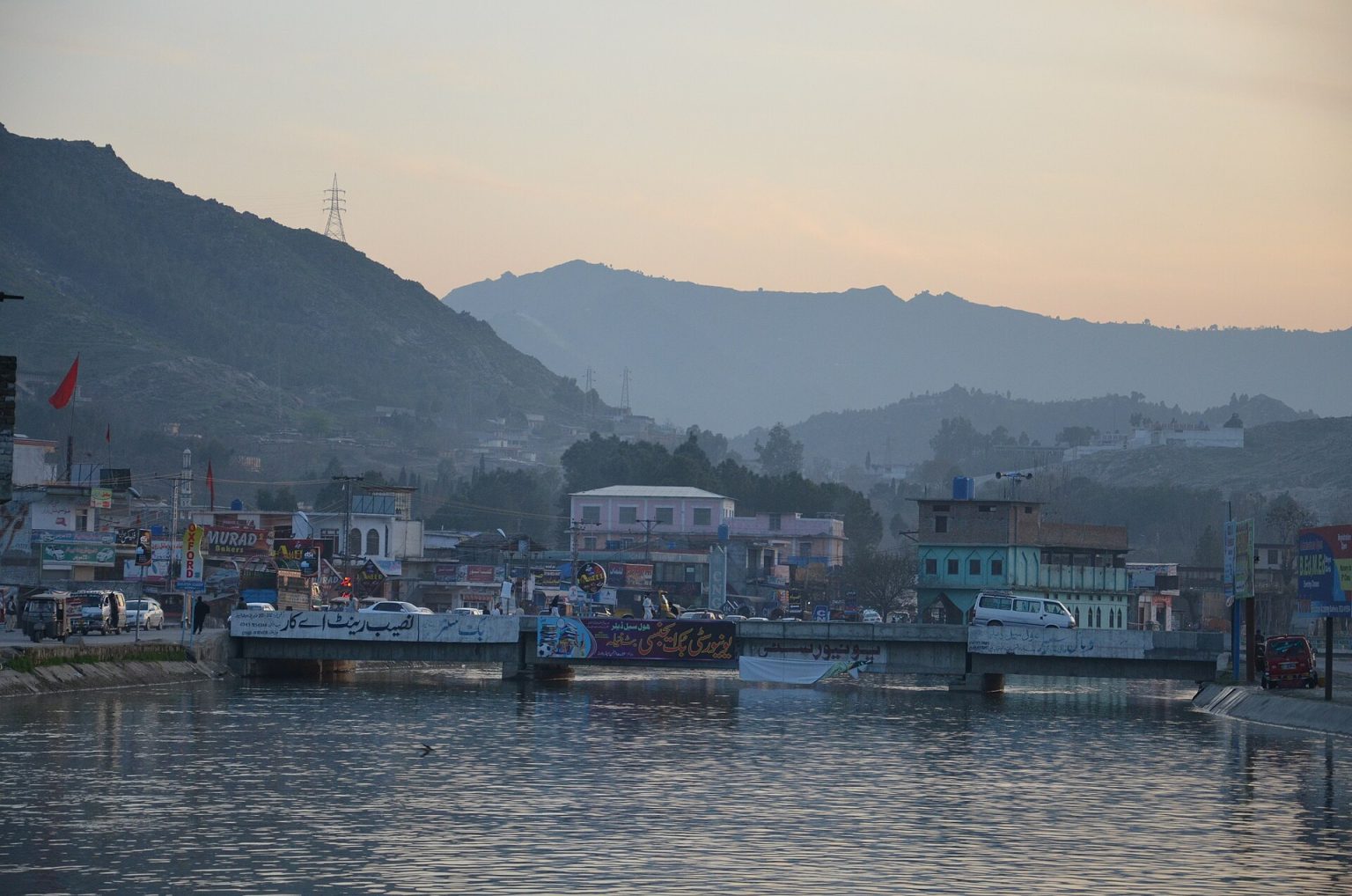
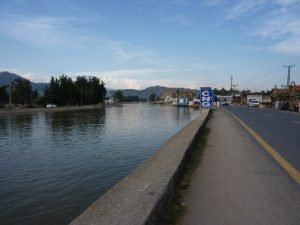
Batkhela canal, Malakand District
Batkhela at a Glance
About Batkhela
Batkhela is the headquarters of Malakand District in Khyber Pakhtunkhwa, lying in the valley of the Swat River just north of the Malakand Pass, the historic gateway from the Peshawar plain to Swat, Dir and Chitral. The 2023 Census counted 73,525 people in Batkhela and 826,250 in Malakand District. Almost everyone is Pashtun, and Pashto is the everyday language.
The town is best known for its main bazaar, a ribbon of shops running for several kilometres along the road and canal, which draws shoppers from across the Malakand division. Water is everywhere: canals fed from the Swat River line the main road, irrigating orchards and fields of the valley.
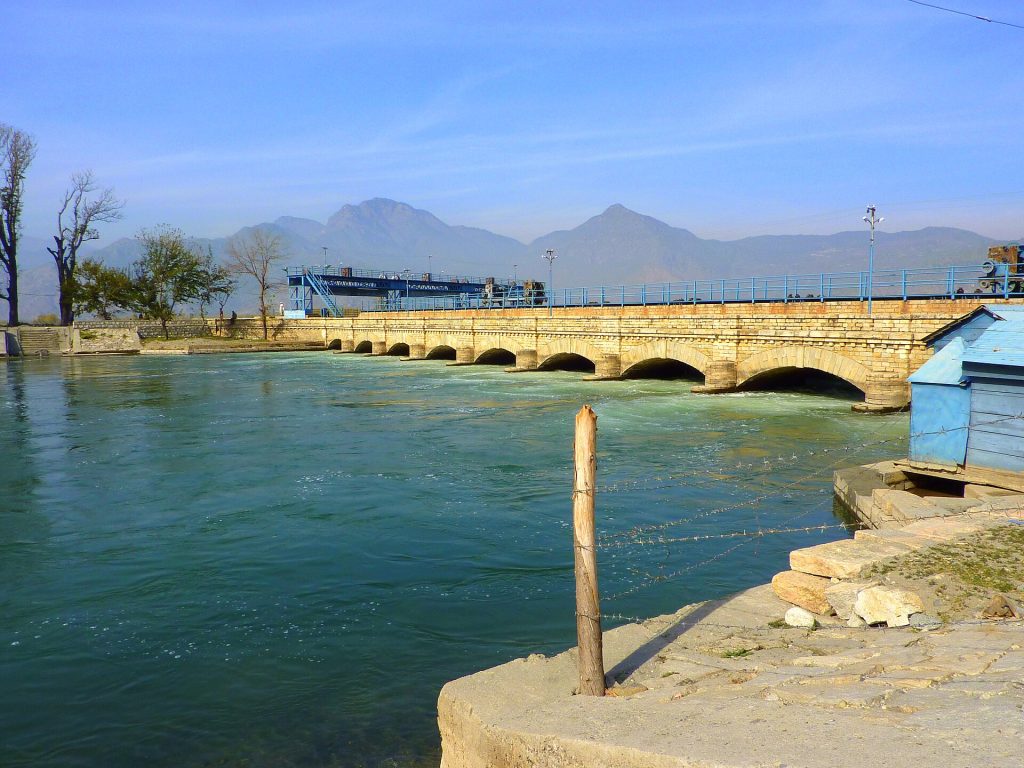
Much of that waterworks is colonial. After the British took the pass in 1895 they built roads, forts at Malakand and Chakdara, the Upper Swat Canal and the Benton Tunnel through the Malakand ridge, and in 1912 the Amandara headworks, which still irrigate land as far as Mardan and Swabi. In 1897 the young Winston Churchill came here with the Malakand Field Force and wrote his first book about it.
Places to Visit
Colonial engineering, frontier forts and the busiest bazaar in Malakand.
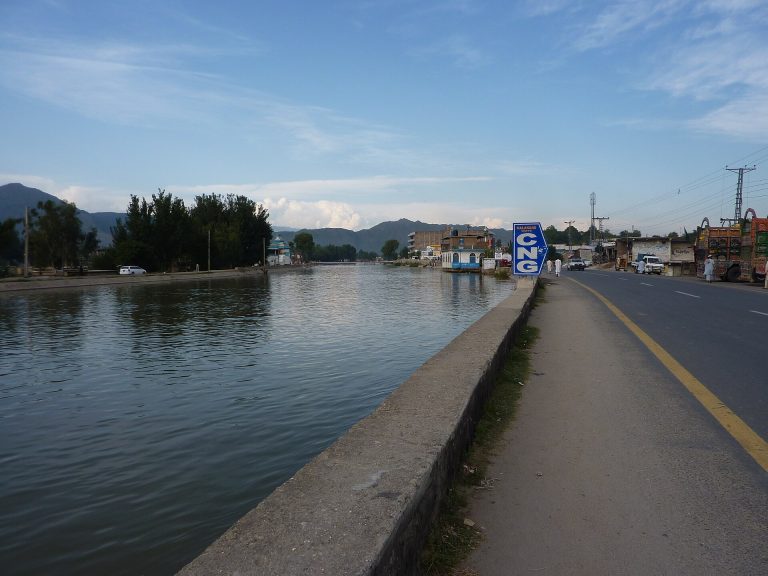 Batkhela BazaarThe long main bazaar along the road and canal sells cloth, shoes, dried fruit and household goods; it is busiest in the evenings and before Eid.
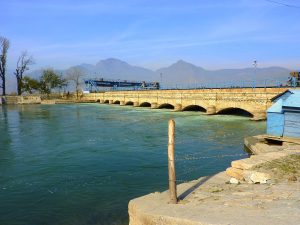
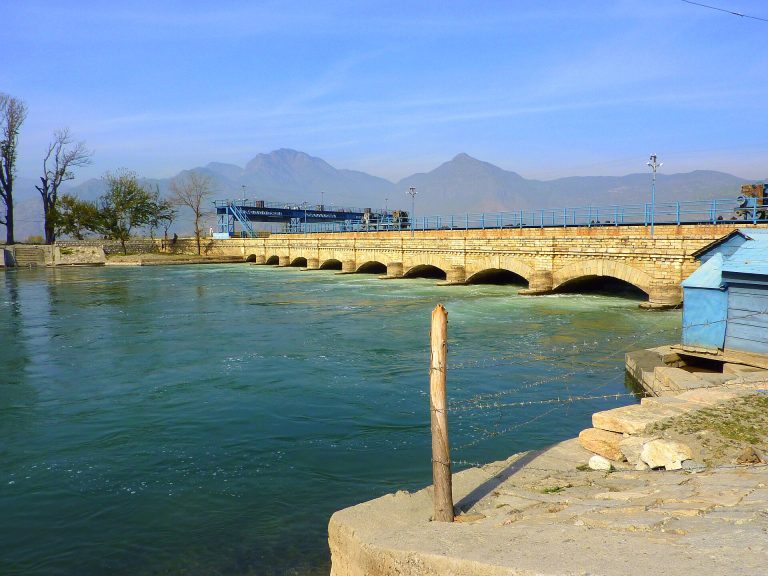 Amandara HeadworksBuilt in 1912 by the British firm Ransomes & Rapier, the headworks divert the Swat River into canals that irrigate the plains of Mardan and Swabi.
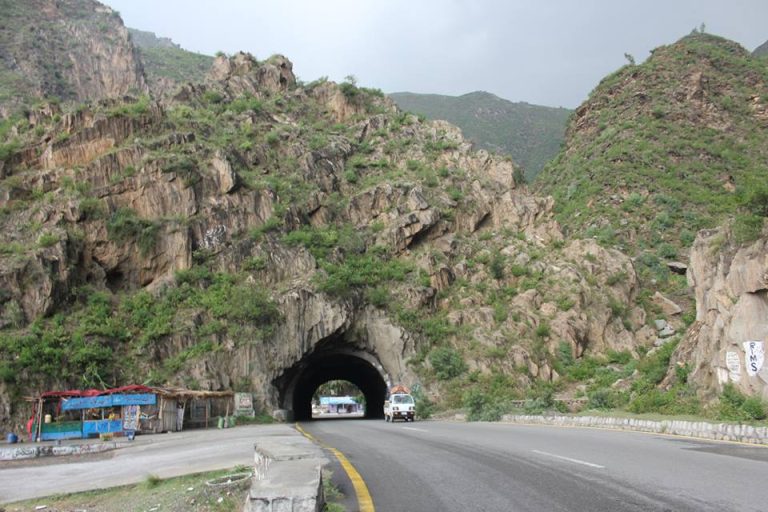 Malakand Pass and FortThe pass south of town was the scene of the 1897 siege of the British camp; a fort still guards the road, and the Benton Tunnel carries the canal beneath the ridge.
 Chakdara Fort and MuseumAcross the Swat River, the 1896 fort survived the 1897 siege; nearby, the Chakdara Museum displays Gandharan Buddhist sculpture from sites such as Andan Dheri and Chat Pat.
 Swat ValleyMingora is a short drive north, the start of the road to Kalam and the Swat Museum.
A Short History of Batkhela
Early modern
Yusufzai settlement
Yusufzai Pashtuns settle the valley and make Thana their local headquarters.
1895
British take the pass
During the Chitral expedition British troops force the Malakand Pass and take Batkhela.
1896
Chakdara Fort
The British build the present fort at Chakdara to guard the Swat River crossing.
1897
Siege of Malakand
Tribal forces besiege the Malakand and Chakdara garrisons from 26 July to 2 August; Churchill reports the campaign.
1912
Amandara headworks
The irrigation scheme is completed along with the Upper Swat Canal and Benton Tunnel.
Getting There & Around
Nearest airports
Peshawar or Saidu Sharif
Peshawar has regular flights; Saidu Sharif (Swat) airport has limited services.
By road
Swat Expressway and N-45
The Swat Expressway from the Peshawar–Islamabad motorway ends near Chakdara; the N-45 runs through Batkhela over the Malakand Pass.
Local transport
Vans and rickshaws
Shared vans link Batkhela with Mardan, Chakdara, Timergara and Mingora.
When to go
October to April
The valley is low and summers are hot; spring and autumn are most comfortable.

Frequently Asked Questions
What is the population of Batkhela?
The 2023 Census counted 73,525 people in Batkhela municipal council and 826,250 in Malakand District.
Is Batkhela bazaar really so long?
It stretches for several kilometres along the main road and canal; locals often describe it as one of the longest bazaars in the region.
What was the Malakand Field Force?
The British force sent in 1897 to relieve the besieged garrisons at Malakand and Chakdara; Winston Churchill accompanied it and wrote The Story of the Malakand Field Force.
Keep Exploring
Related places and stories on DailyLife.pk
Swat ValleyPlan a trip to Swat Valley: Kalam, Mahodand Lake, Malam Jabba ChitralPlan a Chitral trip: Chitral Fort, Shahi Mosque, Tirich Mir views, Chitral Gol, Garam Chashma
 MingoraMingora city guide: Saidu Sharif, the Swat Museum, Butkara I, Fizagat and the White Palace, bazaarsMardanMardan city guide: Takht-i-Bahi, Shahbazgarhi's Ashoka edicts, the Guides Memorial, local food
 TimergaraTimergara town guide: the Panjkora River, Balambat and the ancient Timargarha graves, Chakdara Museum, Jandol
 PeshawarPeshawar city guide: Qissa Khwani Bazaar, Mahabat Khan Mosque, Sethi House, Peshawar Museum, Pashtun food
How we know this
- Type Place guide
- Sources 5
- Reviewed October 2026
- Disputed points None
5 sources
- Khyber Pakhtunkhwa: Districts, Cities and Towns: 2023 Census, City Population (Thomas Brinkhoff), from PBS data
- Siege of Malakand (overview used to locate sources), Wikipedia
- The Story of the Malakand Field Force (first edition, 1897), Winston S. Churchill, via Internet Archive
- Batkhela; Chakdara (overviews used to locate sources), Wikipedia
- Batkhela: a hidden treasure in Malakand Valley, Graana
Photo credits (7)
- Batkhela water canal alongside the main G.T. road.jpg, Dr.Ibrahim (Abrahamavich), CC BY-SA 3.0, via Wikimedia Commons
- Amandara Head Works (Batkhela Water Canal Bridge).jpg, Abrahamavich, CC BY-SA 3.0, via Wikimedia Commons
- Malakand Tunnel.jpg, Hishamkhan82, CC BY-SA 3.0, via Wikimedia Commons
- Lower Batkhela Canal (Nehar), Adda pu from the west, Malakand Agency, KPK.JPG, Zahidusman79, CC BY-SA 3.0, via Wikimedia Commons
- Takht-i-Bahi Buddhist Monastery.jpg, Muzamil Hassain Toori, CC BY-SA 4.0, via Wikimedia Commons
- Panoramic shot of SWAT. the place is called KALAM.jpg, Syed ali025, CC BY-SA 4.0, via Wikimedia Commons
- Chapli Kebab (illustration), DailyLife.pk, Illustrative image
