
Travel in Pakistan
M-2 Motorway Lahore to Islamabad: Route, Tolls and Rest Areas
Interchanges, service areas, toll payment, speed limits and the Salt Range section explained.
The Quick Answer
The M-2 is a six-lane, roughly 375 km motorway that links Lahore to the Islamabad area. It opened on 26 November 1997, was built by the South Korean Daewoo group and is maintained by the National Highway Authority (NHA). Tolls are paid with the M-tag system, which has been in use since December 2021. In July 2026, Dawn reported that the NHA raised M-2 tolls by 7 per cent, putting the car rate at Rs1,430, with the new rates valid until 23 April 2027. Another outlet noted some confusion over whether the M-2 appeared in the notification, so confirm the current toll with the NHA before you travel.
For cars and light vehicles, the motorway speed limit announced in June 2026 is 120 km/h. At that speed the drive could be done in a little over three hours with no stops, but most people allow around four hours once breaks and traffic are included. Fuel is only available at the five full service areas, so plan your stops. This page was last verified on 30 October 2026.
Related reading: how to check and pay vehicle token tax, buying a used car in Pakistan, ride-hailing apps in Pakistan and travelling from Islamabad to Hunza.
What the M-2 Is and Why It Matters
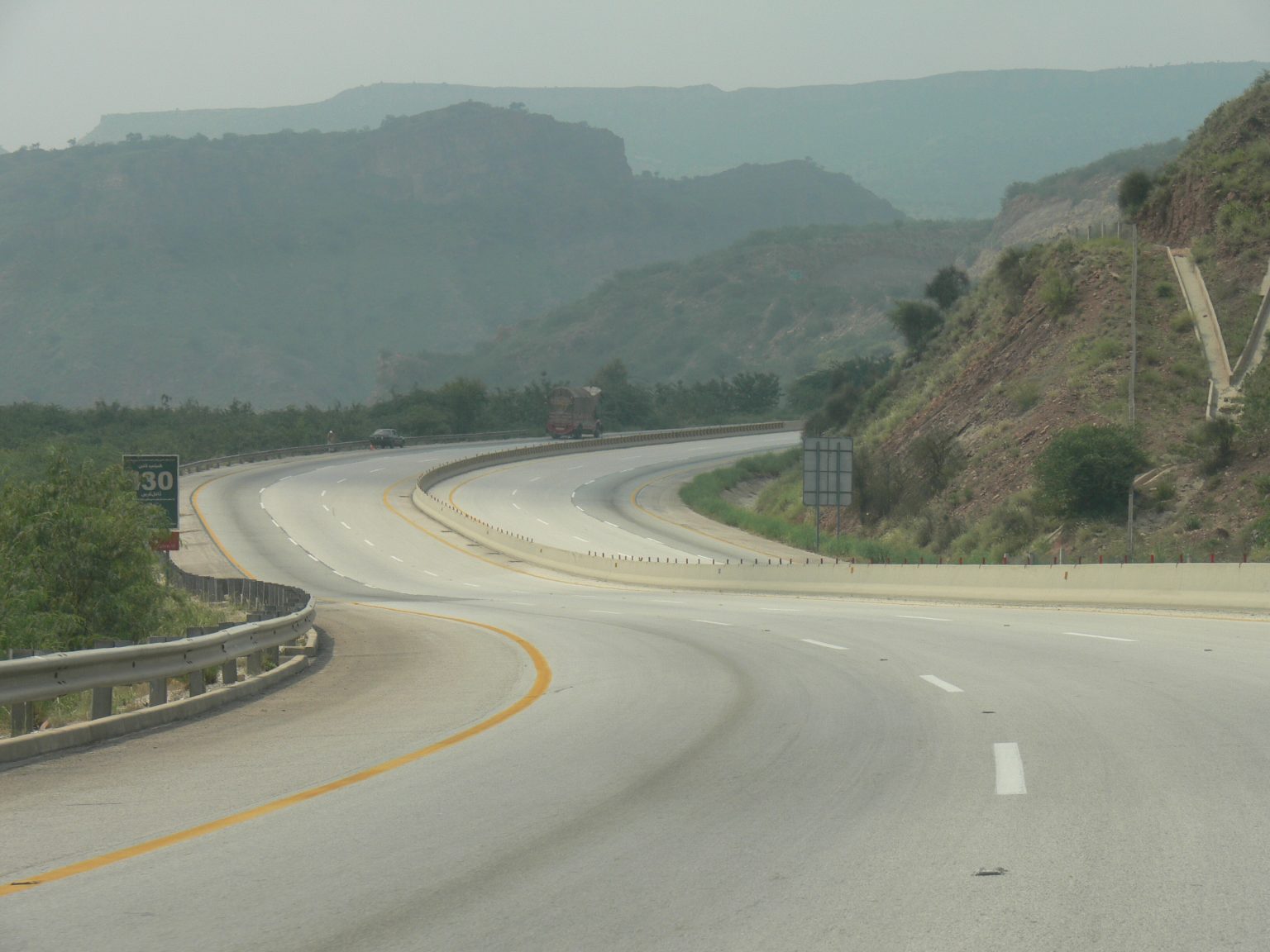
The M-2 was Pakistan's first long-distance motorway to open, and it remains one of the busiest roads in the country because it links the capital region with Lahore, the provincial capital of Punjab. Published background says the Daewoo group won the contract in December 1991 on a design-and-construct basis and financed part of the cost through a supplier's credit. The road was widened to six lanes along its whole length, though the original contract was for four.
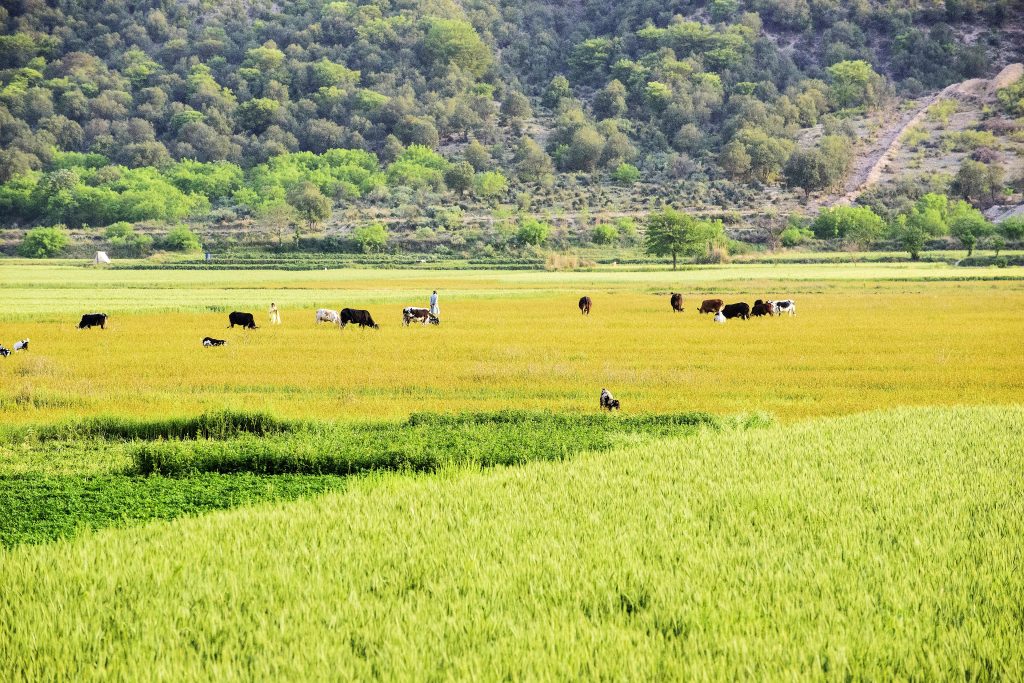
For travellers, the motorway is the standard way to go between the two cities by car or coach. It avoids the town traffic and level crossings of the older Grand Trunk Road, and it passes through changing country: the flat Punjab plains, the Salt Range hills and finally the approach to the Margalla Hills. The next sections cover the route, fuel stops, toll payment and the rules you need to know.
The motorway also serves towns such as Sheikhupura, Bhera and Kallar Kahar through its interchanges, which makes it useful for regional trips and not only for end-to-end journeys between Lahore and Islamabad.
The Route and Its Interchanges
The motorway runs from Thokar Niaz Baig in Lahore to Islamabad. Published background lists these junctions on or near the route.
| Interchange or junction | What it connects |
|---|---|
| Thokar Niaz Baig and Babu Sabu | Lahore end of the motorway |
| Kot Abdul Malik and Kala Shah Kaku | Towns north-west of Lahore |
| Sheikhupura | The city of Sheikhupura |
| Khanqah Dogran | The Khanqah Dogran area |
| Pindi Bhattian | Link to the M-4 motorway |
| Bhera | Bhera and the nearby service area |
| Kallar Kahar | The Salt Range and Kallar Kahar town |
| Balkasar | Link toward Chakwal and the surrounding area |
| Chakri | Near Rawalpindi and the Islamabad end |
| Islamabad | The capital end, connecting to the M-1 and city roads |
Service Areas and Rest Areas
The M-2 has ten service and rest areas on both sides of the road. Five are full service areas with fuel: Sukheki, Sial, Bhera, Kallar Kahar and Chakri. Published background says fuel is available only at these, with an average gap of 60 to 80 km between them. The other rest areas are run by private investors under supervision and offer facilities such as mosques, food outlets, washrooms and workshops.
| Stop | Type | What to use it for |
|---|---|---|
| Sukheki | Full service area | Fuel, food, prayer space, washrooms |
| Sial | Full service area | Fuel, food, prayer space, washrooms |
| Bhera | Full service area | Fuel and a break halfway through the journey |
| Kallar Kahar | Full service area | Fuel, food and a break before or after the Salt Range |
| Chakri | Full service area | Fuel before the Islamabad and Rawalpindi end |
| Other rest areas | Rest areas | Mosques, fast food, washrooms and basic workshops |
Tolls and the M-Tag
Toll plazas operate at the interchanges, and payment is by the M-tag, an electronic tag introduced on Pakistan's motorways in December 2021. Drivers without a working tag have faced a higher toll on some roads: the NHA announced a 50 per cent premium for vehicles without M-tags in an earlier notification, so it is worth having a tag and a positive balance.
Toll rates change. In July 2026, Dawn reported these new M-2 rates after a 7 per cent increase.
- Cars, jeeps and taxis: Rs1,430
- Wagons: Rs2,390
- Coasters: Rs3,350
- Buses: Rs4,770
- Two- and three-axle trucks: Rs6,210
- Articulated trucks: Rs7,980
Dawn said the revised rates were valid until 23 April 2027. A PakWheels report published around the same time suggested the M-2 might be treated under a separate toll structure, so do not treat these figures as final. Check the NHA website or the toll plaza notice, and top up your M-tag before you set out. Our guide to driving in Pakistan explains tags and other road rules.
Dawn also noted that the Islamabad High Court had suspended the NHA notification imposing an extra 50 per cent toll on vehicles without an M-Tag, and did not say how that affects the revised M-2 rates, so confirm the position before you travel. M-2 toll figures here were checked against Dawn (6 July 2026) and PakWheels (10 July 2026) on 30 October 2026.
Speed Limits and Rules
In June 2026, the National Highways and Motorway Police notified that the limit for cars and light transport vehicles on motorways is 120 km/h, with 110 km/h for heavy transport and public service vehicles. National highways were set at 100 km/h for cars and 90 km/h for heavy and public service vehicles. These limits had temporarily been lowered during a fuel conservation campaign, and the Islamabad High Court later declared the reduction illegal and ordered refunds of fines. Limits can change again, so watch the signs on the road and check the NHMP for updates.
Standard motorway rules apply: keep to the left lane unless overtaking, do not stop on the carriageway except in an emergency, wear seat belts, and do not use the motorway with vehicles or loads that are not permitted, such as motorcycles. Speeding is monitored, and fines and cases have been registered for excessive speeds.
The Salt Range Section
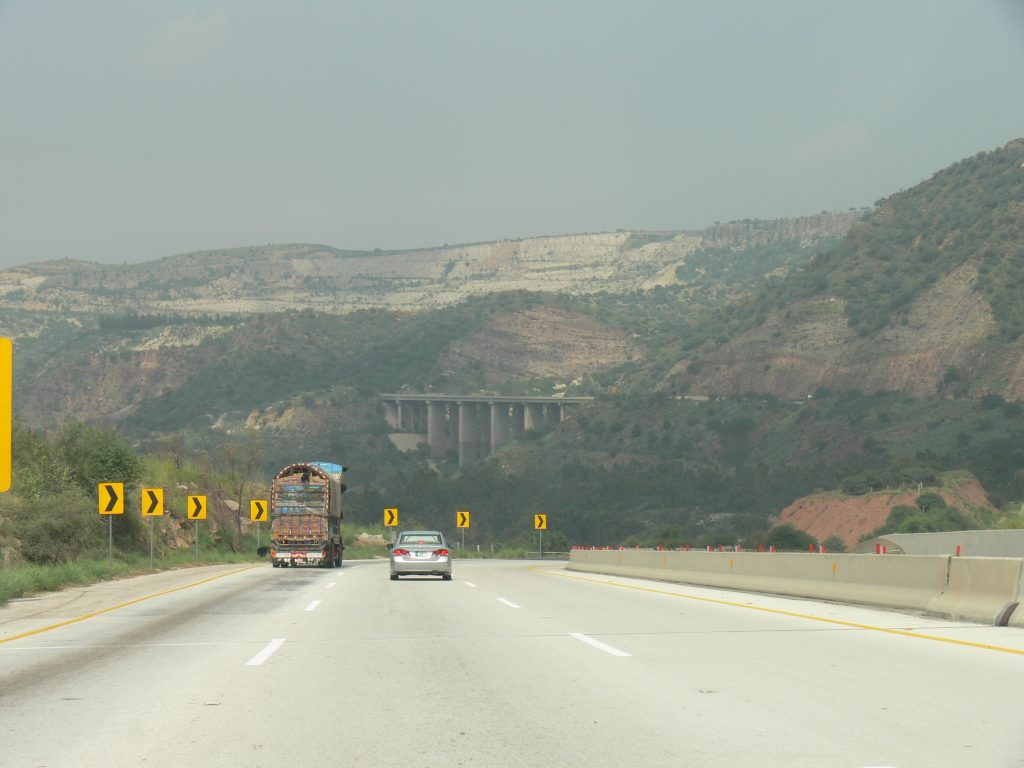
The most scenic stretch of the M-2 is where it crosses the Salt Range near Kallar Kahar. The road climbs through cuttings and over high bridges, and published background describes one of the highest pillared bridges in Asia in the Khewra Salt Range section. The scenery changes from flat farmland near Lahore to rolling hills of salt and rock, and the approach to Islamabad brings the Margalla Hills into view.
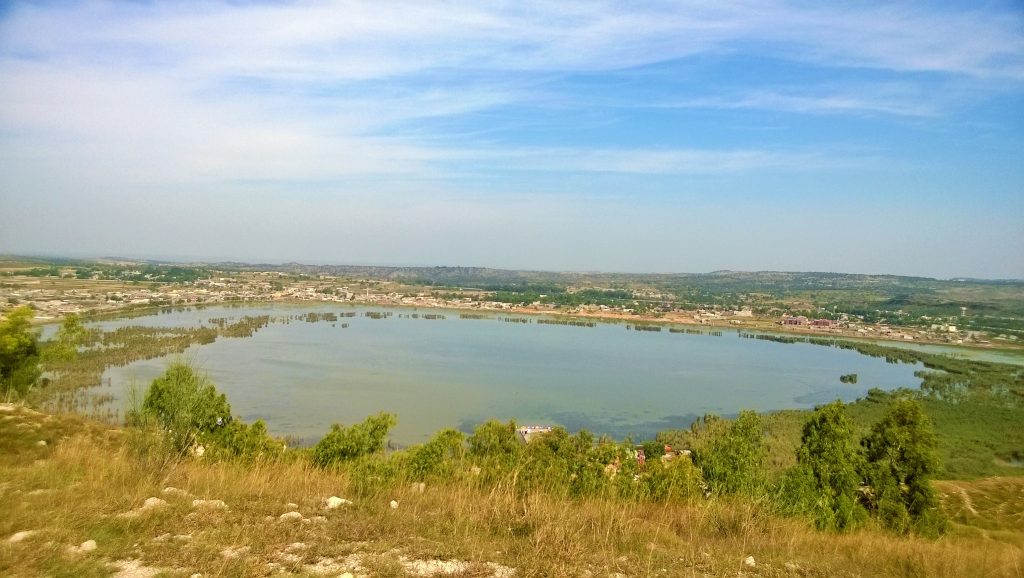
The area is worth a stop. Kallar Kahar has a lake and a service area, and the Khewra Salt Mine is a short drive from the motorway. Read our guide to the Khewra Salt Mine if you want to add a detour. Drive carefully on the climbs and descents, where trucks are slower and visibility can change quickly.
Planning the Drive, Step by Step
- Check your vehicle. Look at tyre pressure, oil, coolant, lights and wipers before leaving. Breakdowns are the main cause of trouble on long motorway runs.
- Top up your M-tag. Make sure the balance covers the toll, and keep some cash as backup.
- Fill the tank first. Fuel is only available at the five service areas, with 60 to 80 km between them.
- Check the weather and fog warnings. Winter fog can make driving dangerous.
- Carry documents. Keep your licence, registration papers, ID and insurance details handy. See our car insurance guide.
- Plan breaks. Stop every couple of hours at a rest or service area to stretch and drink water.
- Drive at a steady, legal speed. Keep a safe distance behind the car in front.
- Know your exit. Check which interchange you need and move to the left lane early.
Driving Tips and Safety
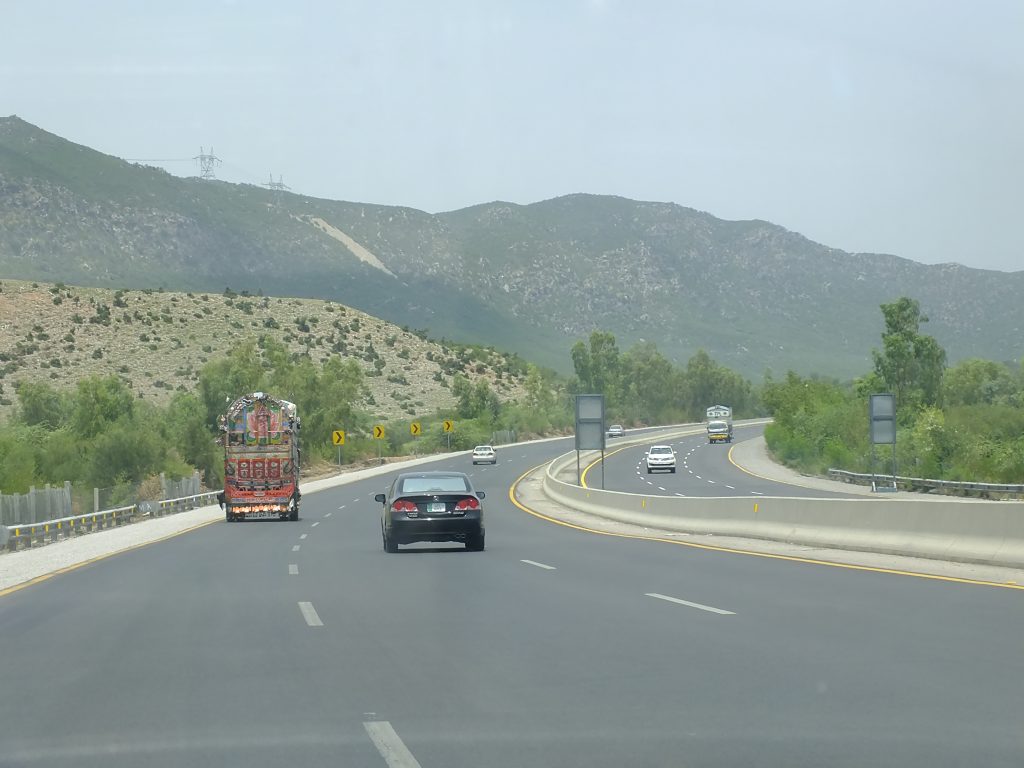
The motorway is safer than the older highways, but it has its own hazards. Fatigue is a major risk on a long, straight road, and sleepy drivers lose control quickly. Rest when you feel tired, do not rely on caffeine alone and share the driving if you can. Keep a safe distance, as sudden braking at toll plazas and interchanges causes collisions.
Fog is the seasonal danger. Motorways in Punjab have been closed in dense fog before, for example the Lahore to Sialkot motorway in November 2022, so check conditions in December and January and delay your trip if visibility is poor. In heavy rain, slow down and avoid sudden steering.
If you break down, switch on your hazard lights, move as far off the road as you safely can, put out a warning triangle if you have one and call the National Highways and Motorway Police on the helpline shown on motorway signs. Do not stand in the live lane. Our motorways and highways guide gives wider context.
Travelling Without Your Own Car
You do not need to drive to use the M-2. Intercity coaches, including Daewoo Express, serve the Lahore and Islamabad corridor, and ride-hailing or hired cars with drivers are other options. If you ride a coach, book in advance for holidays and weekends, confirm the terminal and carry your ID. For a wider travel plan, see our Islamabad and Rawalpindi weekend guide.
If you hire a driver, agree the total price, including tolls and fuel, in advance, and check that the vehicle is well maintained and the driver is rested.
Official Sources and Where to Get Help
- National Highway Authority (NHA): the road owner, which sets and publishes toll rates and notices.
- National Highways and Motorway Police (NHMP): publishes speed limits, advisories and safety information, and runs the motorway helpline displayed on signs.
- News from reliable outlets: for fog closures and construction notices.
Tolls, speed limits and service area facilities can change at short notice. Details in this guide were last verified on 30 October 2026, and the toll figures above are reported figures that you should confirm before you travel.
Toll and speed figures come from press reports of National Highway Authority and NHMP notifications (Dawn, PakWheels, Daily Pakistan), so check the notice at the toll plaza or with the NHA before travelling. Route facts such as length (375 km) and opening year (1997) are from Wikipedia.
Frequently Asked Questions
How long is the M-2 motorway?
About 375 km, running from Lahore to the Islamabad area. It has six lanes and lies entirely within Punjab.
When did the M-2 open?
It opened on 26 November 1997. The Daewoo group of South Korea built it under a design-and-construct contract.
What is the toll on the M-2 for a car?
Dawn reported Rs1,430 for cars after a 7 per cent rise in July 2026, valid until 23 April 2027. Another report suggested the M-2 might be covered separately, so confirm with the NHA.
How do I pay the toll?
The M-tag system, introduced in December 2021, is used at toll plazas. Keep the tag topped up before travelling.
What is the speed limit on the M-2 for cars?
The June 2026 NHMP notification set 120 km/h for cars and light vehicles on motorways. Watch the signs, since limits can change.
Where can I buy fuel on the M-2?
Only at the five full service areas: Sukheki, Sial, Bhera, Kallar Kahar and Chakri. They are about 60 to 80 km apart on average.
How long does it take to drive from Lahore to Islamabad?
At the 120 km/h limit the drive takes a little over three hours without stops. Most people allow about four hours with breaks and traffic.
Is the M-2 closed in fog?
Punjab motorways have been closed in dense fog in the past. Check conditions in winter and avoid travelling in poor visibility.
How we know this
- Type Practical guide
- Sources 4
- Reviewed October 2026
- Disputed points None
Rules and fees change, confirm with the official links below before you act.
4 sources
- https://www.dawn.com/news/2013174, Dawn
- https://www.pakwheels.com/blog/nha-revised-motorway-toll-rates-pakistan-2026/, PakWheels
- https://en.dailypakistan.com.pk/22-Jun-2026/pakistan-restores-previous-maximum-speed-limits-on-motorways, Daily Pakistan
- https://en.wikipedia.org/wiki/M-2_motorway_(Pakistan), Wikipedia (used to locate primary sources)
