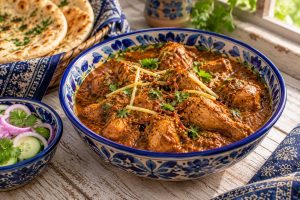
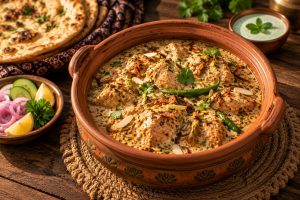
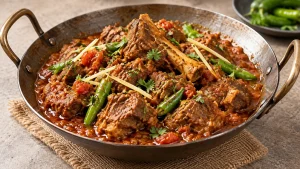
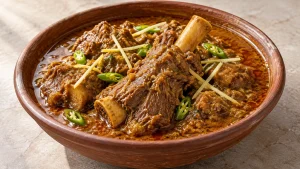
Mutton Qorma
مٹن قورمہ
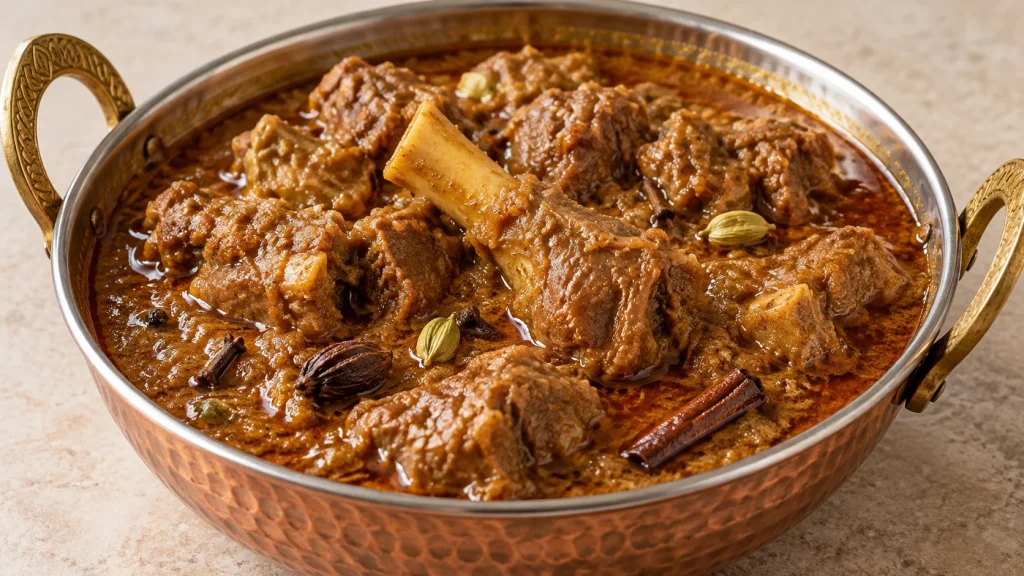
Bone-in goat simmers gently to tenderness, then yogurt and birista form a rich gravy.
Aromatic Pakistani goat-or-lamb qorma with browned onion, yogurt and whole spices. This recipe uses bone-in goat meat
Total includes 20 min of passive time described in the preparation and method. One tablespoon = 15 ml; one teaspoon = 5 ml.
About Mutton Qorma
Aromatic Pakistani goat-or-lamb qorma with browned onion, yogurt and whole spices. This recipe uses bone-in goat meat
Personally cooked and tested by Zohair Fakhar for DailyLife.pk. Cooking times can vary with your stove, cookware and batch size; follow the texture and doneness cues in the method.
Make it work for your kitchen
Also known as Mutton korma, Goat qorma, Mutton kurma.
Original quantities serve 6. Cooking times, pan size and frying-oil depth do not scale, cook in extra batches instead.
Before you start
Before you start
Obtain fresh inspected meat; remove visible bone splinters, and do not wash raw meat. Use separate board and wash hands and surfaces after handling. Measure all ingredient groups before heating. A tablespoon is 15 ml; a teaspoon is 5 ml. Whisk yogurt smooth and bring it closer to room temperature. Set aside only the measured water; if divided, it is not additional water.
Set up the equipment
Have the following tools ready before starting: Heavy-bottomed pot with lid; Large knife and board for non-raw vegetables; Separate raw meat board; Digital food thermometer; Kitchen scale, measuring jug and tongs; Shallow food-safe containers for rapid cooling.
Clean workspaceMeasure the ingredients
Measure the ingredient quantities for your selected servings before applying heat. Keep separately listed groups, such as dough, filling, sauce or garnish, in separate containers; keep any optional additions separate.
Use the ingredient list aboveCheck allergens and substitutions
Check ingredient labels and any substitutions against these notes: Dairy (yogurt); check asafoetida spice blend for wheat if used
Before cooking
Step-by-step cooking method
1 Fry onion for birista
Heat neutral cooking oil in a wide pot and fry thinly sliced onion in batches over medium heat until deep golden, about 16–20 minutes. Remove and drain; do not let it turn black.
2 Bloom aromatics
In reserved oil add green cardamom, black cardamom, cloves, cinnamon stick and whole black peppercorns for 45 seconds. Add ginger paste and garlic paste; cook 1 minute.
3 Brown goat meat
Add bone-in goat/mutton curry-cut pieces and turn 8–10 minutes until well coated and surfaces lose their raw colour. Avoid crowding; work in batches if needed.
4 Build the qorma base
Reduce heat and gradually fold in plain full-fat yogurt, whisked, red chilli powder, ground coriander, turmeric powder and fine salt. Cook while stirring 6–8 minutes; add crushed birista.
5 Gentle covered simmer
Add about two-thirds of hot water for simmer, cover and maintain gentle bubbling.
6 Gentle covered simmer (continued)
Check every 20 minutes, use the reserved water only as needed, and continue until meat is tender at the bone.
7 Reduce gravy
Uncover and reduce carefully until the sauce is fragrant, medium-thick and glossy. Do not over-reduce or let exposed meat dry.
8 Finish and rest
Add garam masala and optional food-grade kewra water, simmer 1 minute, then rest covered off heat 10 minutes. Check bone fragments in portions.
Chef’s tips
- Deep-golden onions make qorma flavour; burnt onions taste harsh.
- Check pot liquid regularly; add measured hot water in small amounts if required.
- Whole bone-in pieces should be served after checking for small fragments.
Common mistakes & quick fixes
- Yogurt curdles
- Use whisked yogurt, reduce the heat and stir in gradually.
- Meat remains chewy
- Continue the low covered simmer with just enough hot water, checking periodically.
- Sauce too thin
- Remove lid and reduce gently; do not compensate by adding undocumented thickeners.
Variations & serving ideas
Variation: Use goat instead of lamb only after revising cooking-time and nutrition assumptions.
Variation: Add extra chilli incrementally at cooking time; do not mechanically scale spice heat.
Variation: Serve alongside naan or steamed basmati; accompaniments are excluded from nutrition.
Perfect result check
| Check | Meat is tender and cooked to applicable verified safety temperatures. |
|---|---|
| Check | Gravy is cohesive, aromatic and not burnt. |
| Check | Portions are checked for loose bone fragments and whole spice hazards. |
Storage & reheating
| Fridge | Cool promptly in shallow food-safe containers and refrigerate within two hours (one hour if ambient temperature exceeds 32°C). | |
|---|---|---|
| Fridge | 3–4 days | Keep at 4°C or colder and use refrigerated leftovers within 3–4 days; freeze promptly for longer storage. |
| Reheating | Reheat leftovers thoroughly to 74°C (165°F), stirring and checking the centre. |
Know when to change the heat
| Stage | Heat | What to look for |
|---|---|---|
| Fry onion for birista | Medium heat | Onions reach an even deep gold; drain promptly before they blacken. |
| Bloom aromatics | Medium-low heat | Spices and pastes smell aromatic without scorching. |
| Brown goat meat | Medium-high heat | Meat surfaces lose their raw colour; use batches if the pot is crowded. |
| Build the qorma base | Low to medium heat | Yogurt integrates gradually at lower heat; crushed birista joins the masala. |
| Gentle covered simmer | Low heat | Maintain gentle covered bubbling and check moisture; meat becomes tender at the bone. |
| Reduce gravy | Medium-low heat | Gravy becomes medium-thick and glossy without drying the meat. |
| Finish and rest | Low, then off | Finishing spices scent the gravy; rest covered off heat. |
Helpful answers before you cook
Why does my qorma taste bitter?
Over-dark onions or scorched spices can make the gravy bitter. Fry the onions to deep gold and remove them promptly before blackening. Lower the heat when blooming spices and adding ginger, garlic and yogurt.
When should I use the reserved water?
Add about two-thirds of the measured simmer water initially. During the covered simmer, check the pot regularly and add the reserved portion only as needed to prevent drying. Do not count the reserve as an extra full quantity.
When is the goat ready for the final reduction?
Wait until the meat is tender at the bone. If it is still chewy, continue the gentle covered simmer with enough liquid. Once tender, uncover and reduce to a medium-thick glossy gravy without letting exposed meat dry.