
Travel planning
Travel Tips: Etiquette, Money, Phones and Safety
Practical advice for travelling in Pakistan with respect and confidence, what to wear, how to greet people, handling money and phones, photography rules and reading safety advisories.
- Modest dress expected
- Register foreign phones with PTA
- Check your government's advice
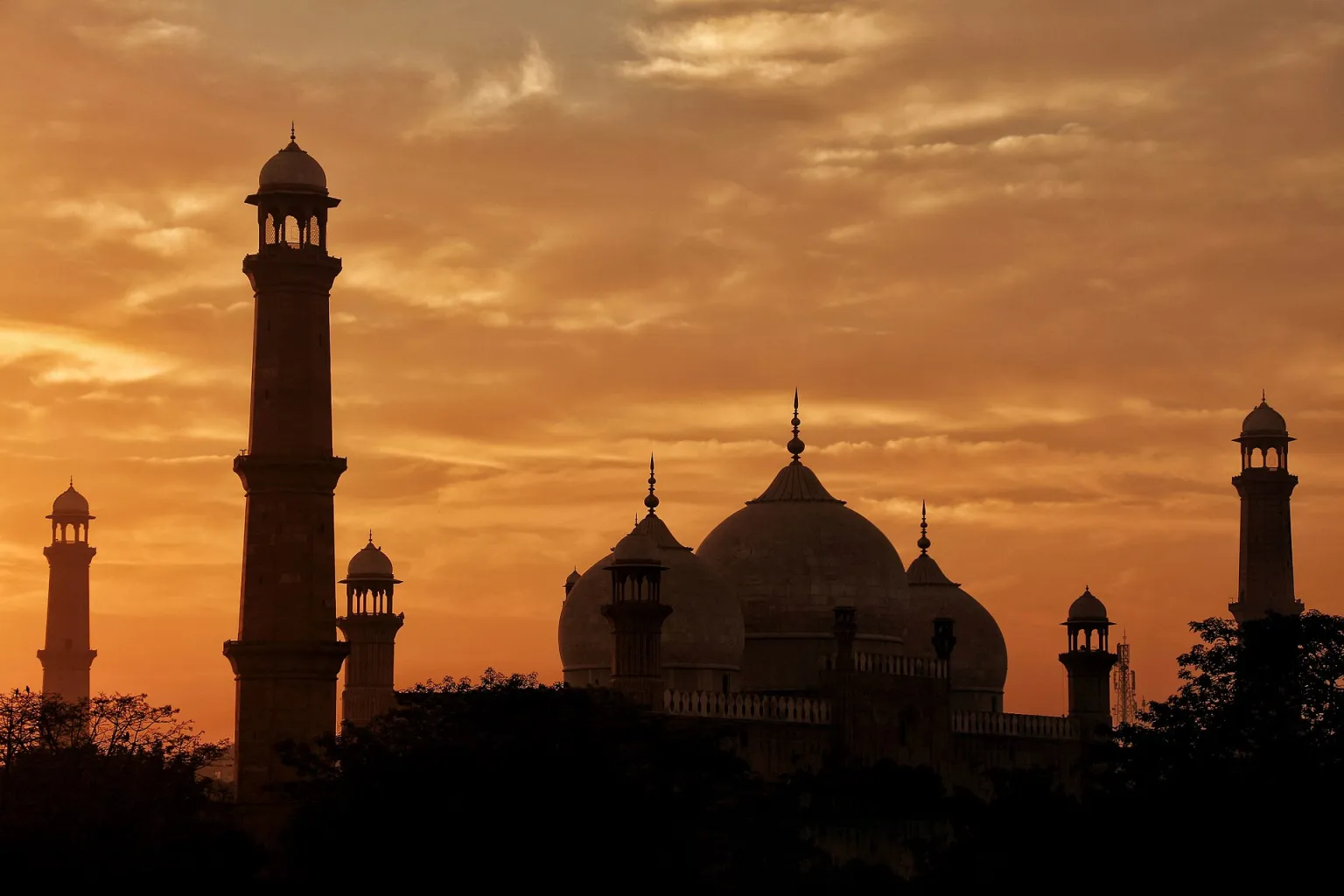
Badshahi Mosque, Lahore
Travelling well in Pakistan
Visitors to Pakistan almost always remark on the hospitality. Tea is offered readily, strangers go out of their way to give directions, and in the mountains a homestay host may treat you as family within a day. Travelling well here is mostly about returning that courtesy: dressing modestly, asking before photographing people, being patient with checkpoints and paperwork, and staying flexible when weather or roads change plans.
Pakistan is also a country where conditions vary sharply by region. Some areas are visited by large numbers of domestic and foreign tourists every summer; others are places where Western governments advise against all travel. Read the advisories, plan with a licensed operator for remote areas, and keep the details below in mind.
Which guide do you need? This page covers everyday practicalities: money, SIMs, dress and etiquette. For security advice and no-go areas, see Safety Tips for Travellers. Planning a first trip? Start with First Time in Pakistan.
What to wear
Both the UK and US governments advise covering shoulders and legs in public, and women covering their heads in mosques, holy places and rural areas. In practice, the shalwar kameez, loose trousers with a long tunic, is the most comfortable and respectful choice for everyone, and is cheap to buy or have tailored in any bazaar.
- Women: a long, loose tunic over trousers, with a dupatta (scarf) to cover the head when needed. Tight or revealing clothes attract unwanted attention.
- Men: long trousers rather than shorts, and shirts with sleeves. Shorts are unusual outside sports.
- Mountains: modest hiking clothes are fine on trails; cover up again in villages.
Money matters
Cash is king
Especially in the mountains
Carry enough Pakistani rupees for rural areas, jeep hire and small guesthouses, where cards are often not accepted. Withdraw in cities before heading north.
Cards
Use with care
Cards work in larger hotels, malls and chain restaurants. The UK government warns that credit-card fraud is common, so watch your card and check statements.
ATMs
Plan ahead
ATMs are widespread in cities but fewer and less reliable in remote valleys. Use machines inside banks or malls where possible.
Bargaining
Normal in bazaars
Haggling is expected for crafts and in markets, less so in shops with marked prices. Agree jeep and taxi fares before setting off.
Tipping
Appreciated
Tip guides, porters, drivers and hotel staff who have helped you. On treks, agree tips and wages with your operator in advance.
Phones, SIM cards and internet
Pakistan blocks foreign mobile handsets that have not been registered with the Pakistan Telecommunication Authority's Device Identification, Registration and Blocking System (DIRBS). For visitors, PTA operates a temporary registration scheme: foreign nationals and overseas Pakistanis can register a personal phone online through the DIRBS portal (dirbs.pta.gov.pk/drs) free of charge for up to 120 days per visit, according to 2025 reporting. Each new visit needs a fresh registration.
To use a local network, buy a SIM from an official outlet of one of the main operators and bring your passport; SIMs are registered to the buyer's identity. Mobile data coverage is good in cities and along main highways but patchy in high valleys, where some areas still rely on a single network. Internet and mobile services are sometimes suspended during protests or major events. Download offline maps before travelling north. See our mobile and internet guide for more detail.
Photography rules
- Never photograph military sites, cantonments, airports, nuclear sites, bridges, dams or other infrastructure, and do not take photos from aircraft, the UK government notes foreigners have been arrested on suspicion of spying.
- Photography is prohibited in restricted border areas of Gilgit-Baltistan and near military installations, according to the GB Tourism Department.
- Ask before photographing people, and especially women. A smile and a gesture usually suffice; accept a "no" gracefully.
- Flying drones generally requires prior permission; do not fly without checking current rules with the authorities or your operator.
- Inside mosques and shrines, ask whether photography is allowed and avoid photographing worshippers.
Advice for women travellers
Many women travel in Pakistan, solo and in groups, and often find themselves welcomed into family spaces men rarely see. Modest dress, a scarf to hand, and a degree of reserve with unfamiliar men help avoid unwanted attention. Sit in the women's or family section where one exists, on buses, in restaurants and in queues.
The US State Department advises women to dress modestly, carry a head covering and be aware of harassment; it also highlights cases involving domestic violence and forced marriage among dual nationals. Choose reputable accommodation, use transport arranged by your hotel or operator, and share your itinerary with someone at home. Female guides are increasingly available through licensed operators in the north.
Safety and advisories
Read your own government's travel advice before you book and again before you travel, it can affect both your safety and your insurance. The summary below reflects the UK and US advice checked in October 2026; boundaries are drawn district by district, so read the full text.
- The US State Department (advisory issued 16 June 2026) rates Pakistan Level 3, "Reconsider Travel", and advises its citizens not to travel to Balochistan, to Khyber Pakhtunkhwa (including the former FATA) or to the vicinity of the Line of Control, citing terrorism, kidnapping and the potential for armed conflict.
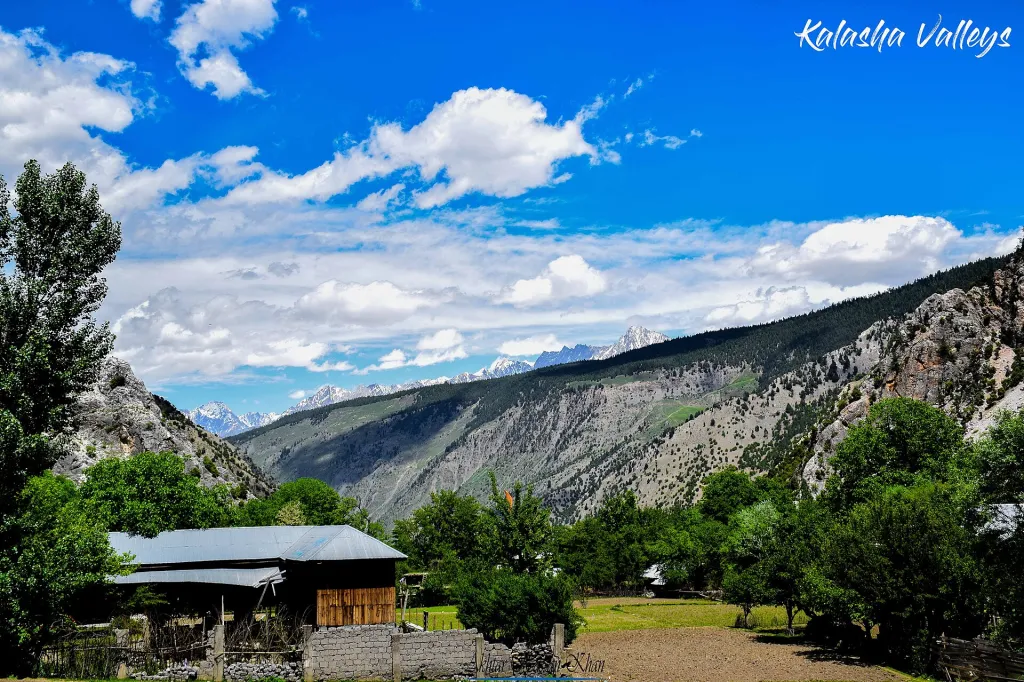
- The UK FCDO advises against all travel to Balochistan; to within 10 miles of the Afghan border; to many Khyber Pakhtunkhwa districts, including Peshawar (city included), Swat, Upper and Lower Dir, Buner, Bannu, Kohat, Dera Ismail Khan and the former tribal districts; to the Karakoram Highway between Mansehra and Chilas (via Battagram, Besham, Dasu and Sazin); to the N45 from north of the Mardan ring road to the edge of Chitral city, including the Kalash valleys; and to within 10 miles of the Line of Control.
- The FCDO advises against all but essential travel to Azad Jammu and Kashmir; to Malakand, Mardan, Nowshera, Shangla and Swabi in KP; to Sindh north of and including Nawabshah; to Dera Ghazi Khan in Punjab; and to within 5 miles of the India border, apart from the Wagah route and the Kartarpur Corridor.
- The FCDO gives no area warning for Gilgit-Baltistan, but notes that all foreign nationals must register with the local authorities there, and that trekking and mountaineering permits can take up to two months to arrange.
- The FCDO reports that emergency measures and Governor's Rule were introduced in Khyber Pakhtunkhwa on 11 October 2026, with reports of road closures, transport and internet disruption and a heavier security presence. It advises anyone in or travelling to KP to avoid protests and crowds, check routes and be ready to change plans at short notice.
Other common-sense precautions: avoid demonstrations and large crowds, carry copies of your passport and visa for checkpoints, avoid night driving on mountain roads, and use reputable transport. The FCDO advises against street taxis, e-taxis and app-based ride services, recommending licensed companies that you phone, which then dispatch a driver.
Other practical points
Driving
Hire a driver for mountains
UK drivers need a 1968-type International Driving Permit plus their licence. On northern roads an experienced local driver is safer than self-driving.
Northern flights
Weather-dependent
Flights to Gilgit and Skardu are frequently delayed or cancelled; keep spare days and a road backup.
Food and water
Drink bottled or treated water
Choose busy food stalls with fresh, hot food, peel fruit and carry rehydration salts.
Power
Expect cuts
Load-shedding and outages happen, especially in rural areas. A power bank and torch are essential.
Emergencies
Save local numbers
Note police, ambulance and your embassy's numbers before you travel; see our emergency numbers page.

Frequently Asked Questions
What should tourists wear in Pakistan?
Loose clothing that covers shoulders and legs. Women should carry a scarf to cover their hair in mosques, shrines and rural areas. A shalwar kameez is comfortable and widely appreciated.
Will my foreign phone work in Pakistan?
Only if registered with PTA's DIRBS system. Visitors can register a personal phone online free of charge for up to 120 days per visit, according to 2025 reports; check the PTA portal for current rules.
Can I use credit cards in Pakistan?
In city hotels, malls and larger restaurants, yes. Elsewhere, especially in the mountains, carry cash. Be alert to card fraud.
Is Pakistan safe for women travellers?
Many women travel in Pakistan without problems, but harassment occurs. Dress modestly, use reputable accommodation and transport, and follow your government's advice for women travellers.
Can I take photos anywhere?
No. Military sites, airports, bridges, dams and restricted border areas are off-limits, and you should always ask before photographing people.
Keep Exploring
Related places and stories on DailyLife.pk
 Visa & Entry Requirements for PakistanHow to get a Pakistan visa through the official online system (visa.nadra.gov.pk): categories, step-by-step process
 Getting Around PakistanPractical guide to transport in Pakistan: Pakistan Railways e-tickets, metro bus and Orange Line fares, BRT
 Mobile Phones and Internet in PakistanMobile and internet in Pakistan: SIM rules, PTA DIRBS phone registration (60 days), 120-day visitor option
 Emergency Numbers in PakistanPakistan emergency numbers explained: 15 police, 1122 rescue, 115 Edhi ambulance, 16 fire, 130 motorway police
 Banking and Payments in PakistanBanking in Pakistan explained: opening an account, mobile wallets, SBP's Raast instant payments
 Traditional Dress of PakistanPakistani traditional dress explained: shalwar kameez and sherwani, Sindhi ajrak and topi, phulkari, Pashtun pakol
How we know this
- Type Practical guide
- Sources 7 (2 official/academic)
- Reviewed October 2026
- Disputed points None
Rules and fees change, confirm with the official links below before you act.
7 sources
- Pakistan travel advice: Safety and security, UK Foreign, Commonwealth & Development Office
- Pakistan travel advice: Regional risks, UK Foreign, Commonwealth & Development Office
- Pakistan travel advice: Entry requirements, UK Foreign, Commonwealth & Development Office
- Pakistan travel advice: Warnings and insurance, UK Foreign, Commonwealth & Development Office
- Pakistan Travel Advisory, U.S. Department of State
- Visiting Pakistan? Free mobile phone registration for tourists and overseas Pakistanis, Gulf News
- Frequently asked questions, Tourism Department, Government of Gilgit-Baltistan
Photo credits (7)
- Badshahi Mosque, Lahore VI.jpg, Fassifarooq, CC BY-SA 4.0, via Wikimedia Commons
- Islamabad - Faisal Mosque.jpg, Ijlalahmed, CC BY-SA 4.0, via Wikimedia Commons
- Hunza Valley HDR.jpg, FaizanAhmad, CC BY-SA 3.0, via Wikimedia Commons
- Kalasha Valleys Pakistan.jpg, Akhtar Hassan, CC BY-SA 4.0, via Wikimedia Commons
- Pakistani truck in Karakoram Highway, Passu, Northern Areas, Pakistan.jpg, katorisi, CC BY-SA 3.0, via Wikimedia Commons
- An autumnal view of Skardu's skyline.jpg, Vasiq Eqbal, CC BY-SA 4.0, via Wikimedia Commons
- Ali Mujtaba WLM2015 FAISAL MOSQUE m 10.jpg, Ali Mujtaba, CC BY-SA 4.0, via Wikimedia Commons
