
Nature
Pakistan's 19 Ramsar Wetlands
From the Indus Delta to Salt Range lakes: all 19 wetlands of international importance, with designation dates, areas and what makes each one matter.
- 19 Ramsar sites
- Sindh, Punjab, Balochistan, Khyber Pakhtunkhwa
- Designated 1976 to 2002
- Vital for migratory waterbirds
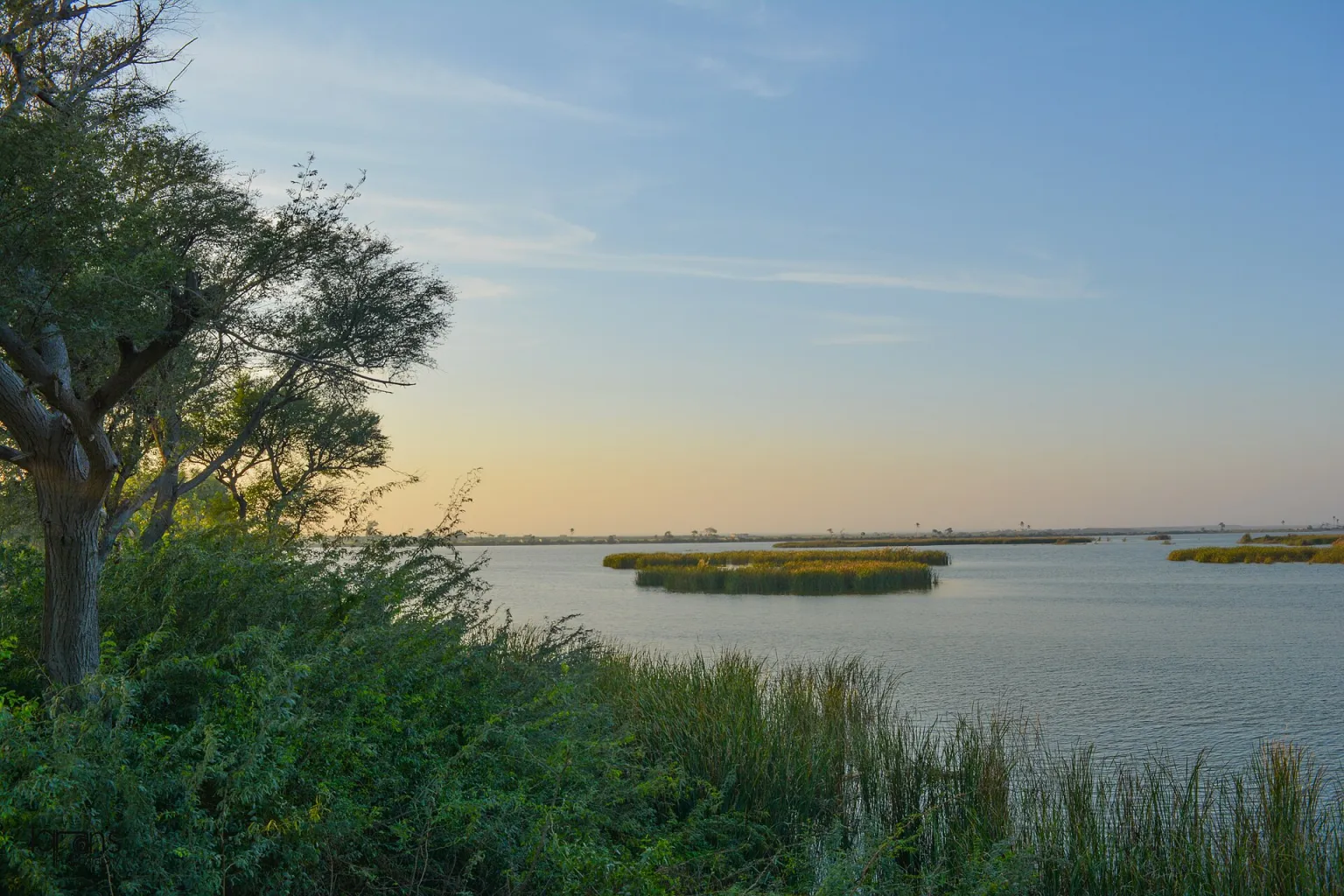
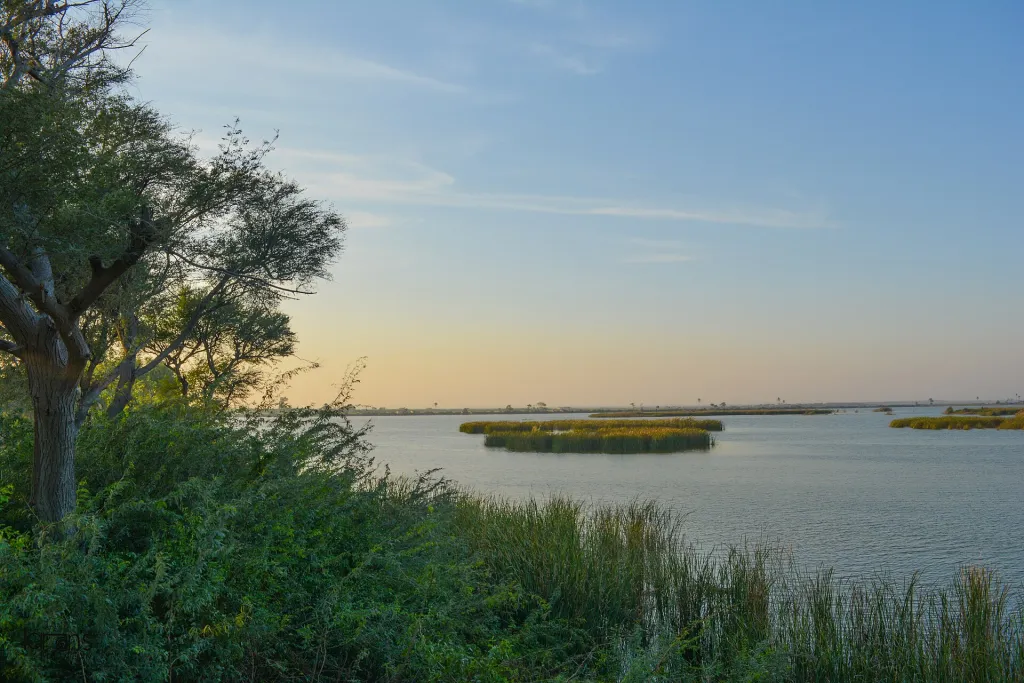
Haleji Lake, Sindh
About Ramsar Sites in Pakistan
The Ramsar Convention is an international treaty for the protection of wetlands. Countries nominate sites that meet criteria such as supporting threatened species, large numbers of waterbirds or rare wetland types, and commit to using them wisely. Pakistan has 19 such sites, which together cover about 1.34 million hectares, and more than half of them lie in Sindh, as Arab News reported in 2025.
They range from huge coastal and desert landscapes, such as the Indus Delta and the Pakistani portion of the Rann of Kutch (recorded by Ramsar as Runn of Kutch), to small reservoirs and lakes of a few hundred hectares. They also include reservoirs built for irrigation and water supply, such as Chashma Barrage and Hub Dam, which have become important for birds even though they are man-made. Many are wintering grounds for migratory waterbirds travelling the Indus Flyway.
A Ramsar listing is not the same as a national park. It recognises importance and obliges the state to plan for wise use, but legal protection, management and access vary from site to site. Some sites are open lakes visited by picnickers, others are remote lagoons or delta areas used by fishing communities. Always check local access rules and conditions before visiting.
Many of Pakistan's wetlands were built to store water, yet birds found them first.
All 19 Ramsar Sites
| Site | Designated | Area (ha) | Province | What it is known for |
|---|---|---|---|---|
| Kinjhar (Keenjhar) Lake | 23 Jul 1976 | 13,468 | Sindh | Pakistan's largest freshwater lake; reedbeds, waterbirds, source of Karachi's drinking water |
| Haleji Lake | 23 Jul 1976 | 1,704 | Sindh | Artificial freshwater lake; key breeding and wintering waterbird site |
| Tanda Dam | 23 Jul 1976 | 405 | Khyber Pakhtunkhwa | Small irrigation reservoir; wintering and staging area for waterbirds |
| Drigh Lake | 23 Jul 1976 | 164 | Sindh | Small brackish lake in the Indus floodplain; over 20,000 wintering birds recorded |
| Thanedar Wala Game Reserve | 23 Jul 1976 | 4,047 | Khyber Pakhtunkhwa | Kurram River floodplain with braided channels; a migratory bird route |
| Taunsa Barrage | 22 Mar 1996 | About 6,600 (record gives two figures) | Punjab | Indus reservoir; wintering ducks and staging area for cranes |
| Chashma Barrage | 22 Mar 1996 | 34,099 | Punjab | Indus storage reservoir; up to 200,000 waterbirds recorded |
| Uchhali Complex | 22 Mar 1996 | 1,243 | Punjab | Three saline lakes in the Salt Range; wintering ducks and flamingos |
| Jubho Lagoon | 10 May 2001 | 706 | Sindh | Shallow brackish lagoon; flamingos and pelicans in winter |
| Jiwani Coastal Wetland | 10 May 2001 | 4,600 | Balochistan | Mangroves and Dasht River delta; olive ridley and green turtle nesting beaches |
| Indus Dolphin Reserve | 10 May 2001 | 125,000 | Sindh | A 170 km stretch of the Indus protecting the Indus river dolphin |
| Miani Hor | 10 May 2001 | 55,000 | Balochistan | Estuary and bay; the only natural occurrence of three mangrove species on Pakistan's coast |
| Nurri Lagoon | 10 May 2001 | 2,540 | Sindh | Shallow brackish lagoon with large seasonal waterbird counts |
| Ormara Turtle Beaches | 10 May 2001 | 2,400 | Balochistan | Sandy coast used by marine turtles; fishing economy |
| Astola Island | 10 May 2001 | 5,000 | Balochistan | Uninhabited offshore island; turtle nesting and endemic reptiles |
| Hub Dam | 10 May 2001 | 27,000 | Sindh and Balochistan | Reservoir supplying irrigation and Karachi's water; waterbird habitat |
| Indus Delta | 5 Nov 2002 | 472,800 | Sindh | Large delta with extensive mangroves and about 40 fishing settlements |
| Runn of Kutch (Rann of Kutch, Pakistani portion) | 5 Nov 2002 | 566,375 | Sindh | Desert dunes and saline marshes supporting bustards, cranes and flamingos |
| Deh Akro-II Desert Wetland Complex | 5 Nov 2002 | 20,500 | Sindh | Desert dune system with 36 lakes |
Source: Ramsar Sites Information Service annotated summary for Pakistan (accessed 24 October 2026). Provinces updated to current names; the record lists Tanda Dam and Thanedar Wala under the former North West Frontier Province, now Khyber Pakhtunkhwa. The record gives two area figures for Taunsa Barrage, so check the Ramsar Sites Information Service for the current entry. Designation details can be updated; confirm on the Ramsar Sites Information Service.
Designation Waves
23 July 1976
The first five
Kinjhar (Keenjhar) Lake, Haleji Lake, Tanda Dam, Drigh Lake and Thanedar Wala Game Reserve were designated together.
22 March 1996
Three Indus and Salt Range sites
Taunsa Barrage, Chashma Barrage and the Uchhali Complex joined the list.
10 May 2001
Eight coastal and river sites
Jubho Lagoon, Jiwani Coastal Wetland, the Indus Dolphin Reserve, Miani Hor, Nurri Lagoon, Ormara Turtle Beaches, Astola Island and Hub Dam were designated on a single day.
5 November 2002
Delta and desert
The Indus Delta, the Runn of Kutch and the Deh Akro-II Desert Wetland Complex completed the current list of 19.
Sites You Can Visit and Read About
 Haleji LakeA freshwater lake near Thatta, designated in 1976 and a long-standing waterbird site.
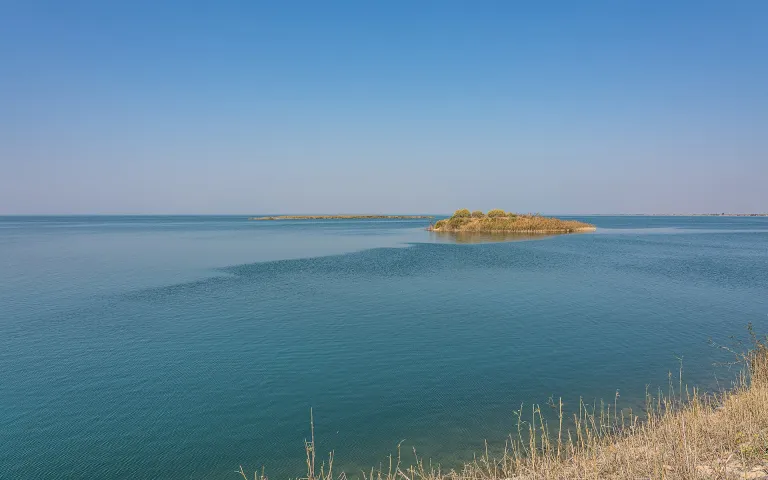 Keenjhar (Kinjhar) LakePakistan's largest freshwater lake and a main source of Karachi's drinking water.Indus DeltaMangrove creeks, fishing settlements and the meeting of river and sea.
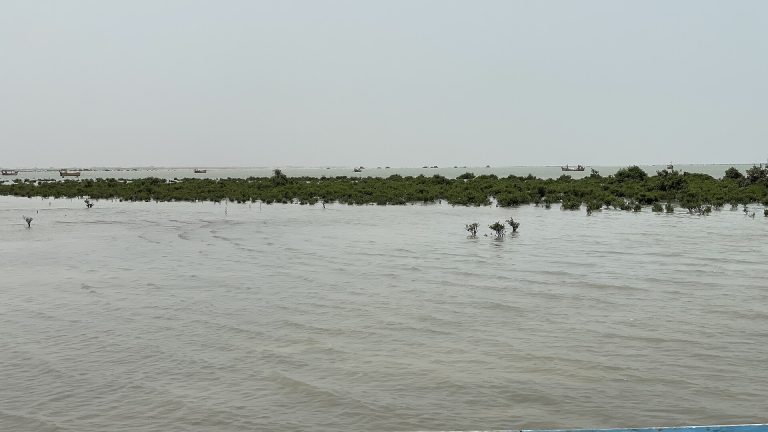 Miani Hor and SonmianiA bay and estuary with mangroves on the Balochistan coast.
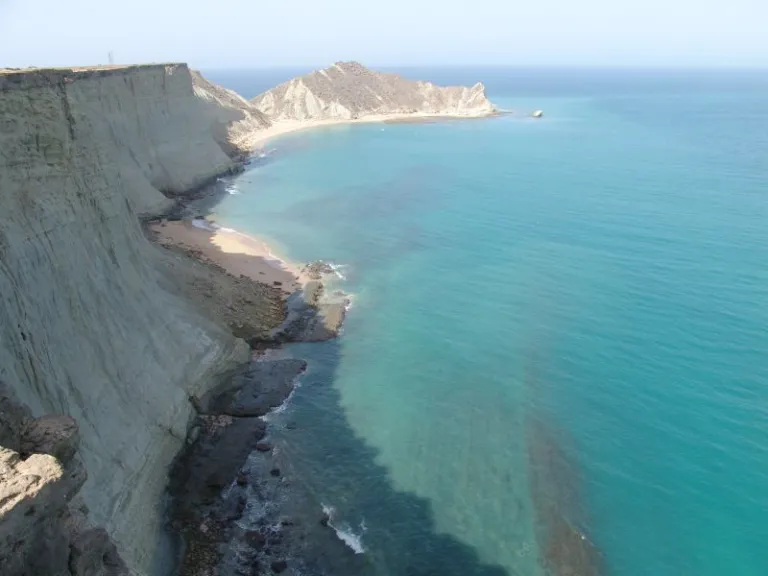 Astola IslandAn uninhabited island known for turtle nesting.
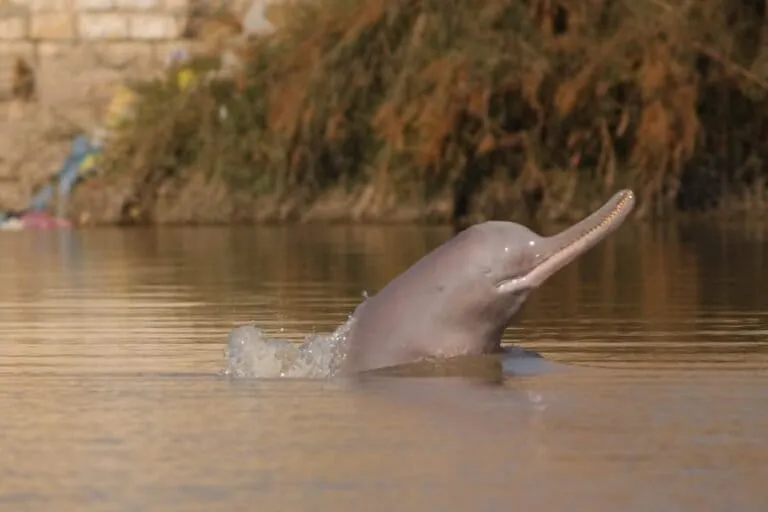 Indus Dolphin ReserveThe 170 km stretch of the Indus that protects the Indus river dolphin.
Pressures on Pakistan's Wetlands
The Sindh Wildlife Department's winter bird counts show how dependent these sites are on water. In the 2024-25 season the department counted 545,258 migratory waterbirds at 30 major sites, compared with 639,122 the previous year, a fall of 14.68 per cent, in surveys covering about 40 per cent of Sindh's wetland area. Officials and conservationists quoted by Arab News linked the decline to drying water bodies, lower rainfall and water shortages. The Pakistani part of the Rann of Kutch was reported as the worst affected. The largest count that season was at Nareri Lagoon in Badin, with 155,068 birds.
Other pressures include pollution and salinity in lagoons, as the Ramsar record notes for Nurri Lagoon, fishing and development around coastal sites, and the effects of irrigation management on river habitats. Pakistan's wetlands are an example of nature that depends on engineering and policy decisions made far upstream.
Visiting Wetlands Responsibly
- Visit in the cool season for waterbirds, and keep your distance from roosting flocks; flushing birds wastes energy they need for migration.
- Take rubbish out; plastic and fishing line are lethal to birds, turtles and fish.
- Keep noise, drones and vehicles away from nesting, roosting and feeding areas.
- Respect local fishing communities and ask before photographing people or boats.
- Check access rules; some coastal and border wetlands need permission or are not open to visitors.
- Never buy wild birds, eggs or nets from fishers or dealers.


Frequently Asked Questions
How many Ramsar sites does Pakistan have?
19, covering about 1.34 million hectares, according to the Ramsar annotated summary and Arab News (April 2025).
What is the largest Ramsar site in Pakistan?
The Pakistani portion of the Rann of Kutch (Runn of Kutch in the Ramsar record) is the largest at 566,375 hectares, followed by the Indus Delta at 472,800 hectares.
Is a Ramsar site a national park?
No. Ramsar status recognises international importance and commits the state to wise use. Legal protection and visitor access vary by site.
Which Ramsar sites are best for birdwatching?
Sindh's Haleji, Keenjhar, Nurri and the Indus Delta are well-known waterbird sites, but conditions vary with water levels and season. Always check local access.
Where is the Indus Dolphin Reserve?
It is a 170 km stretch of the Indus in Sindh, designated on 10 May 2001, covering 125,000 hectares.
Keep Exploring
Related places and stories on DailyLife.pk
Haleji LakeHaleji Lake near Thatta: Ramsar wetland and bird sanctuary, winter waterbirds, how it was madeKeenjhar LakeVisit Keenjhar Lake near Thatta: Ramsar wetland, winter birds, Noori Jam Tamachi shrine, boating, STDC resortIndus Delta and Keti BandarIndus Delta and Keti Bandar, Sindh: Ramsar wetland, mangrove forests, creeks, fishing communitiesMiani Hor and Sonmiani BayMiani Hor and Sonmiani guide: the Ramsar mangrove lagoon, birds, fishing communities, Sonmiani's seaport history, beachesAstola IslandAstola Island guide: Pakistan's first Marine Protected Area off Pasni, wildlife, boat access, camping without facilitiesBirds of PakistanBirds of Pakistan: the chukar (national bird), pheasants, raptors, houbara, cranes and waterbirds, top birding wetlandsHow we know this
- Type Explainer
- Sources 2
- Reviewed October 2026
- Disputed points None
2 sources
- Ramsar Sites annotated summary: Pakistan, Ramsar Sites Information Service
- Sindh Wildlife Department reports nearly 15% drop in migratory birds amid drying wetlands (12 April 2025), Arab News Pakistan
Photo credits (7)
- Halaji Lake.jpg, Iqran Rasheed, CC BY-SA 4.0, via Wikimedia Commons
- PK Keenjhar Lake near Thatta asv2020-02 img1.jpg, A.Savin, FAL, via Wikimedia Commons
- Sonmiani Bay.jpg, Crosji, CC BY-SA 4.0, via Wikimedia Commons
- Astola Island.jpg, wetlandsofpakistan, CC BY-SA 2.0, via Wikimedia Commons
- Indus river Dolphin , The National Aquatic Animal of Pakistan.jpg, Shiana1, CC0, via Wikimedia Commons
- Indus River Skardu Pakistan.jpg, Akhtar Bashir Nigyaal, CC BY-SA 4.0, via Wikimedia Commons
- Indus river Sukkur barrage sunset.jpg, Ghulamrasoolshar, CC BY-SA 4.0, via Wikimedia Commons
