
Wildlife
The Himalayan Brown Bear of Deosai
A rare, pale bear of Pakistan's high plateaus: where it lives, how many remain according to recent studies, and why tourist litter has become a conservation issue.
- Ursus arctos isabellinus
- Critically endangered in Pakistan (national assessment)
- Deosai, Gilgit-Baltistan
- Prefers 3,500 to 4,500 m
Himalayan brown bear
About the Himalayan Brown Bear
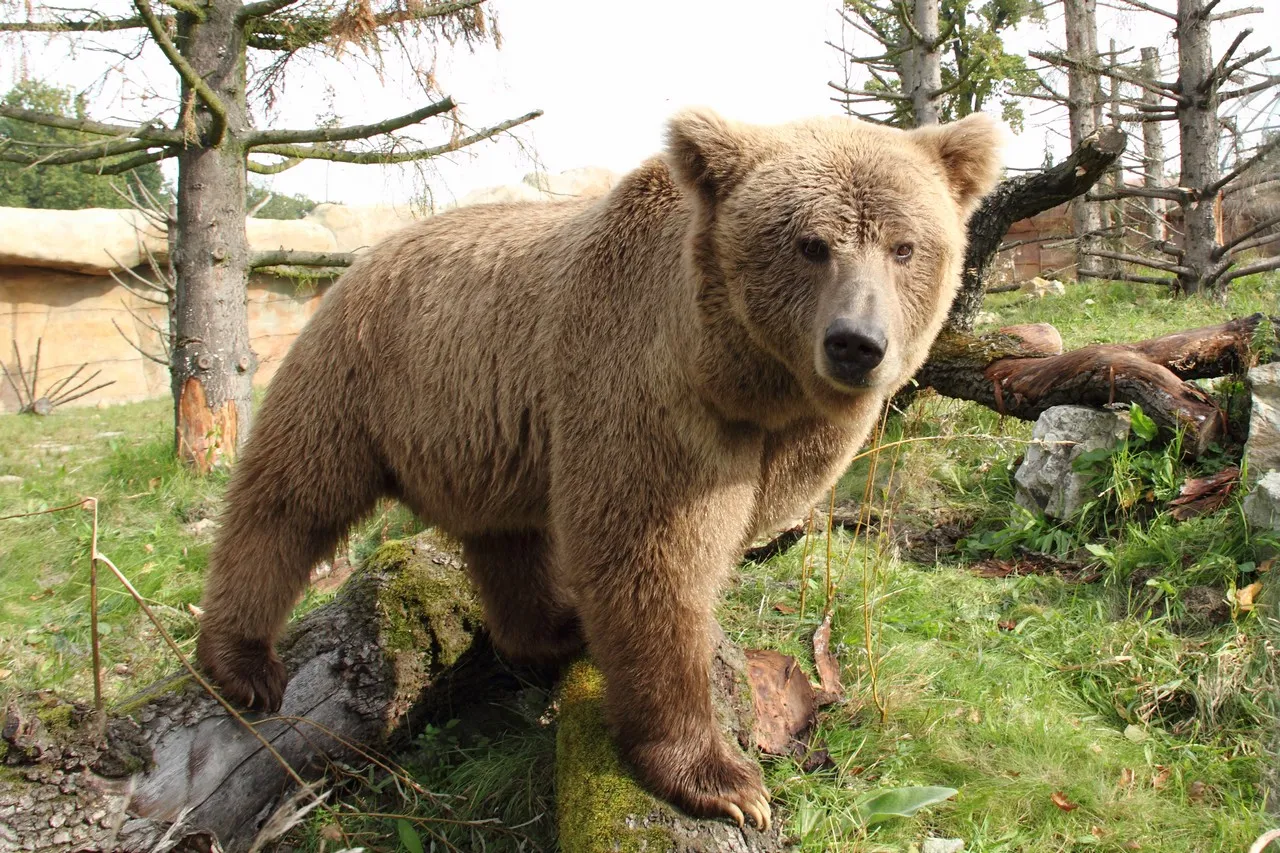
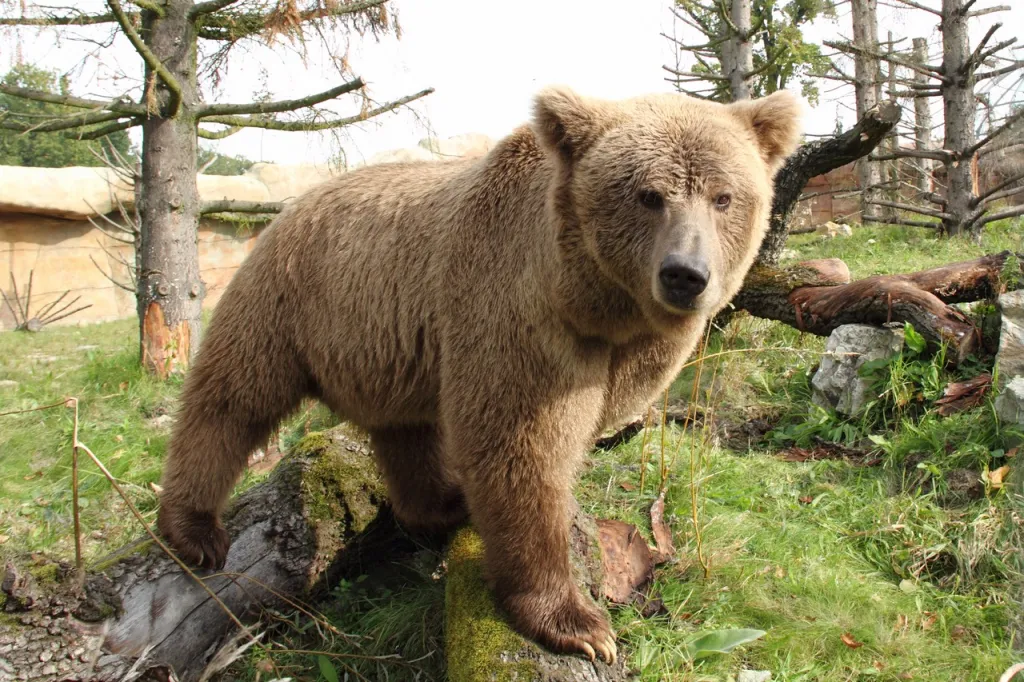
The Himalayan brown bear (Ursus arctos isabellinus) is a pale, sandy-coated subspecies of the brown bear that lives on high plateaus and in alpine valleys of the western Himalaya and Karakoram. In Pakistan its stronghold is Deosai National Park, a plateau east of Skardu that was declared a national park in 1993 chiefly to protect the bear and its habitat, according to the Gilgit-Baltistan Forest, Wildlife and Environment Department. The park covers 358,400 hectares.
Brown bears as a species are widespread across the Northern Hemisphere, but the Himalayan population in Pakistan is small and isolated. A 2025 study in Frontiers in Ecology and Evolution (Fida and colleagues) notes that the bear is listed as critically endangered in Pakistan, citing a national assessment by Sheikh and Molur (2005). That is a national assessment of a small regional population, not the global status of brown bears.
A large share of the bear's diet consists of plant material, according to the same study. The bear moves to higher plateaus in summer and to valleys in winter, where it hibernates. The Dawn newspaper reported in 2019 that snow covers the Deosai plateau for almost eight months of the year.
A bear that depends on a plateau buried in snow for most of the year has little room for error.
How Many Bears?
| Area | Estimate | Source |
|---|---|---|
| Deosai National Park | 58 to 77 bears | Abbas et al., 2022, cited by Fida et al., 2025; about 66 reported in a 2022 survey in Express Tribune, 2026 |
| Northern Pakistan | 150 to 200 bears across roughly 150,000 km² | Nawaz, 2007 and Haq and Rahatullah, 2012, as cited by Fida et al., 2025 |
Counts are estimates and methods differ; Dawn reported in 2019 that a survey almost 30 years earlier counted 17 bears and a recent survey 76. Treat all figures as approximate.
Habitat and Seasons
Species distribution modelling in the 2025 study estimated about 1,125 square kilometres of suitable habitat, around 73 per cent of it inside Deosai National Park. Elevation was the strongest predictor: bears preferred 3,500 to 4,500 metres, with highest presence probability between about 3,750 and 4,250 metres. Distance from rivers, park boundaries and livestock grazing also mattered. The researchers found that about 27 per cent of the bear's potential movement pathways fall outside protected-area boundaries, which is why the surrounding valleys matter.
The park's season is short. Deosai is snowbound for much of the year and is usually visited in summer, when wildflowers cover the plains. See the Deosai National Park page for access and seasonal details.
Threats and Conflict
The 2025 study lists an expanding human population, overgrazing, poaching, unsustainable resource use, poorly managed tourism, and illegal trade in bear fat and pelts among the threats. Roads are described as a major cause of bear deaths in comparable regions. In 2019 Dawn reported tension between villagers of Sadpara, who said bears killed livestock and that they might be forced to kill them, and park officials, who said bear droppings showed only plants and voles and that wolves or snow leopards were more likely predators. Villagers also said promised benefits from the park had not arrived, while officials spoke of a memorandum on sharing entry fees and the recruitment of local watchers.
Tourism has created a newer problem. Express Tribune reported in 2026 that a 2022 survey counted 12 campsites, 66 tents and 173 people inside Deosai, along with several thousand livestock linked to camps. A photographer quoted by the paper said plastic bag fragments were found in bear droppings and urine; the report says this is not conclusive and needs scientific study. A previous diet study had reported plastic, packaging and other waste in droppings. Tourist waste draws bears to food remains, and the paper argues that regulating, not removing, tourism is the answer.
Visiting Deosai Without Harming Bears
- Carry out every item of rubbish, especially plastic bags and food packaging.
- Never feed bears or leave food accessible; keep food sealed and away from tents.
- Camp only in areas permitted by the park authorities and keep camps small and tidy.
- Keep vehicles on established tracks; off-road driving damages the plateau.
- If you see a bear, stay far away, never approach for a photograph, and do not follow it.
- Confirm current entry arrangements with the Gilgit-Baltistan Forest, Wildlife and Environment Department.
Frequently Asked Questions
Where can I see Himalayan brown bears in Pakistan?
Mainly in Deosai National Park, though sightings are not guaranteed and bears are shy. Lucky visitors see them at a distance in summer.
How many brown bears are there in Deosai?
A recent estimate cited in a 2025 study is 58 to 77 bears for the park; an Express Tribune report of a 2022 survey gave about 66. Treat these as approximate.
Do the bears hibernate?
Yes, the 2025 study says bears move to valleys in winter where they hibernate, but it does not give exact dates.
Why is litter a bear problem?
Food waste attracts bears to camps, and reports of plastic in bear droppings have raised concern, although researchers say more study is needed.
Is the bear endangered?
Brown bears as a species are widespread, but the Himalayan population in Pakistan is listed as critically endangered in a national assessment cited in a 2025 study.
Keep Exploring
Related places and stories on DailyLife.pk
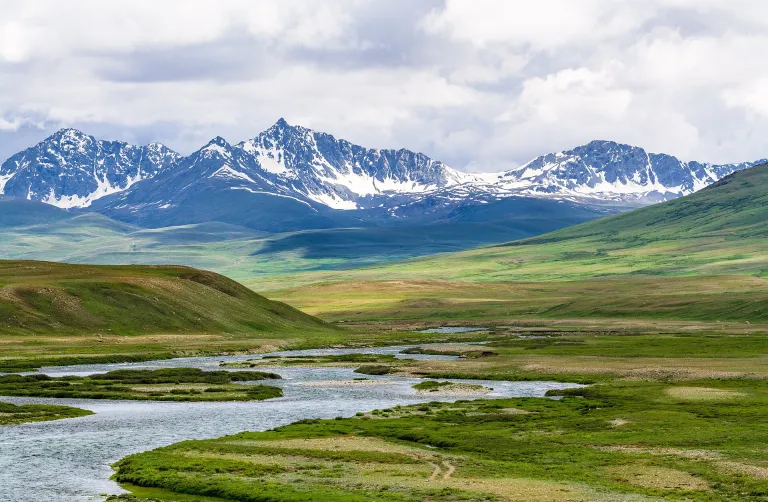 Deosai National ParkDeosai National Park guide: Himalayan brown bears, Sheosar Lake, Bara Pani, routes from Skardu and Astore
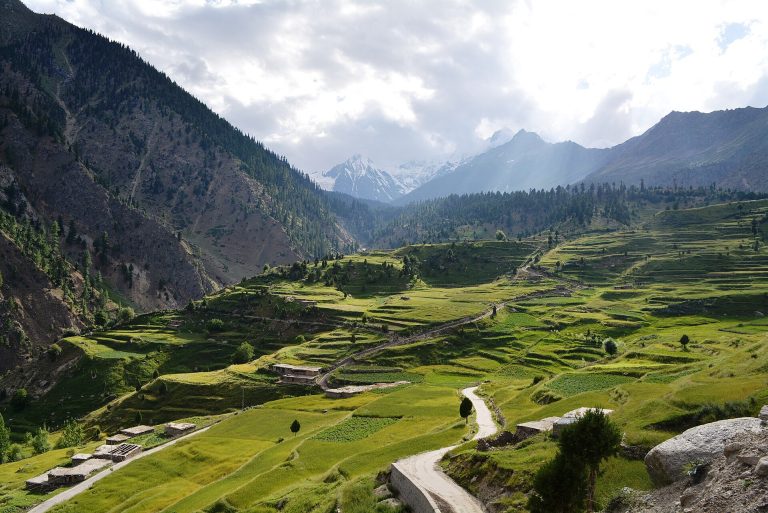 Astore Valley and Rama MeadowsAstore Valley and Rama Meadows guide: Rama Lake, forests, Nanga Parbat views, Rupal side
 Skardu ValleySkardu Valley guide: Shangrila and Upper Kachura lakes, Shigar Fort, Katpana cold desert, Manthokha waterfall, Satpara
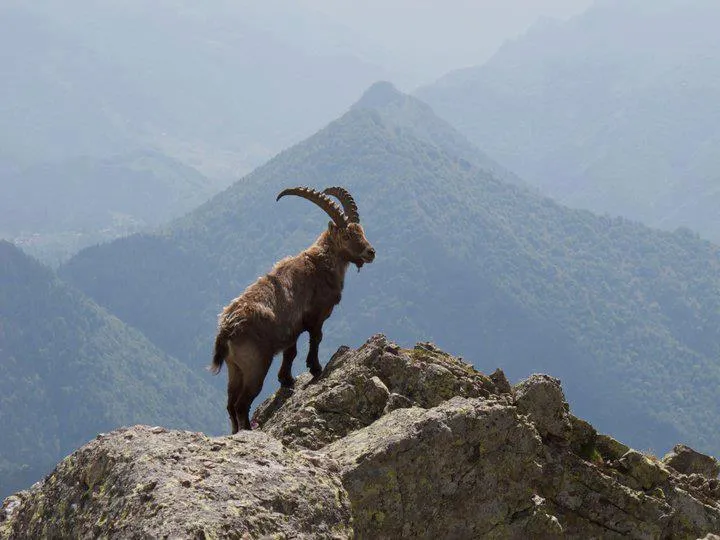
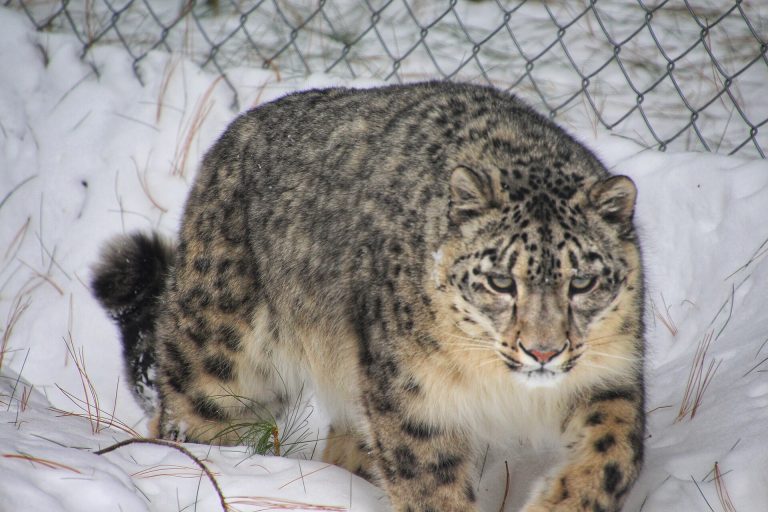 Wildlife of PakistanPakistan's wildlife: markhor (national animal), snow leopard, Indus river dolphin, Himalayan brown bear, ibex
 National Parks of PakistanGuide to Pakistan's national parks: Central Karakoram, Deosai, Khunjerab, Hingol, Margalla Hills, Lal Suhanra and moreSnow Leopard in PakistanSnow leopards in Pakistan: range in the Karakoram, Hindu Kush and Himalaya, IUCN Vulnerable status (2017)
How we know this
- Type Explainer
- Sources 4 (1 official/academic)
- Reviewed October 2026
- Disputed points None
4 sources
- Species distribution modelling and landscape connectivity for the critically endangered Himalayan brown bear in Deosai National Park, Pakistan (Fida et al., Frontiers in Ecology and Evolution, 2025), Frontiers
- Deosai National Park, Forest, Wildlife & Environment Department, Gilgit-Baltistan
- Rare brown bears face new threat in Deosai, The Express Tribune
- As the brown bear thrives in Deosai, villagers feel threatened, Dawn, 16 December 2019
Photo credits (5)
- Medvěd plavý (Ursus arctos isabellinus).jpg, Zoo Hluboka, CC BY-SA 4.0, via Wikimedia Commons
- The Land of Giants, Deosai.jpg, Qammer Wazir, CC BY-SA 4.0, via Wikimedia Commons
- Astore Rama Valley.jpg, Obaid Hassan Qureshi, CC BY-SA 4.0, via Wikimedia Commons
- Snow Leopard In Naltar Gilgit.jpg, Nazir Baig, CC BY-SA 4.0, via Wikimedia Commons
- Capra sibirica in Gilgit-Baltistan, Pakistan.jpg, Ali irfan, CC BY-SA 4.0, via Wikimedia Commons
