
Travel destination
Manchar Lake: Sindh's Great Shifting Lake and the Boat People
A shallow lake west of the Indus that swells and shrinks with the seasons, home to the Mohana boat-dwelling fishing communities and a once-great stopover for migratory birds.
- Jamshoro and Dadu districts, Sindh
- About 36 to 500 km² depending on season
- Best season October to March
Manchar Lake, Jamshoro and Dadu districts
About Manchar Lake
Manchar (also spelt Manchhar) is a marshy lake on the right bank of the Indus in Jamshoro and Dadu districts, about 18 km from Sehwan. Britannica describes it as a marshy lake whose area swings from roughly 36 sq km at low water to at least 500 sq km at full flood. It is often described as the largest natural freshwater lake in Pakistan, though its size has always depended on what the Indus and the Kirthar hill streams deliver in a given year. In dry spells the lake can all but disappear; in the 2010 and 2022 floods it overflowed its banks.
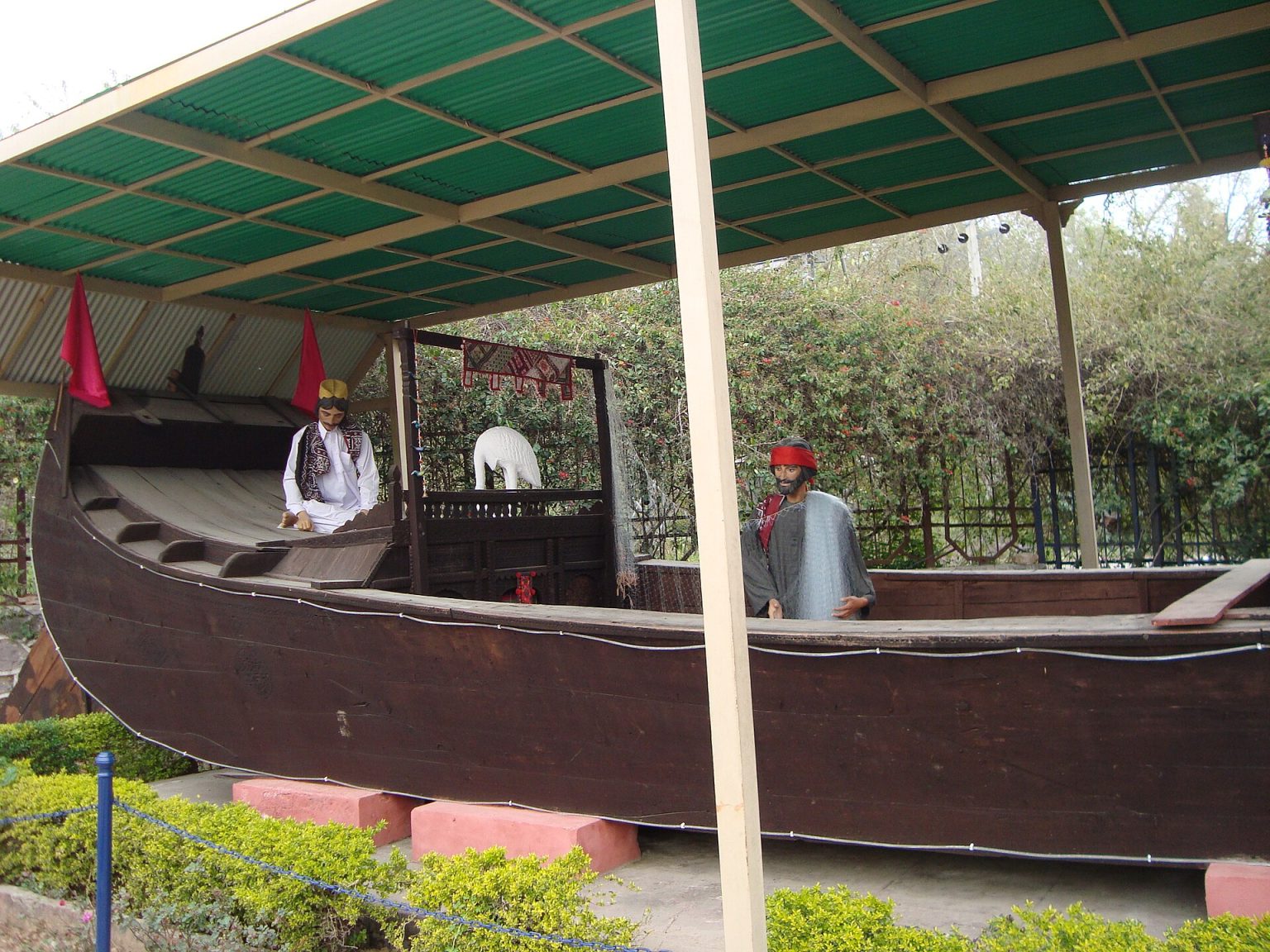
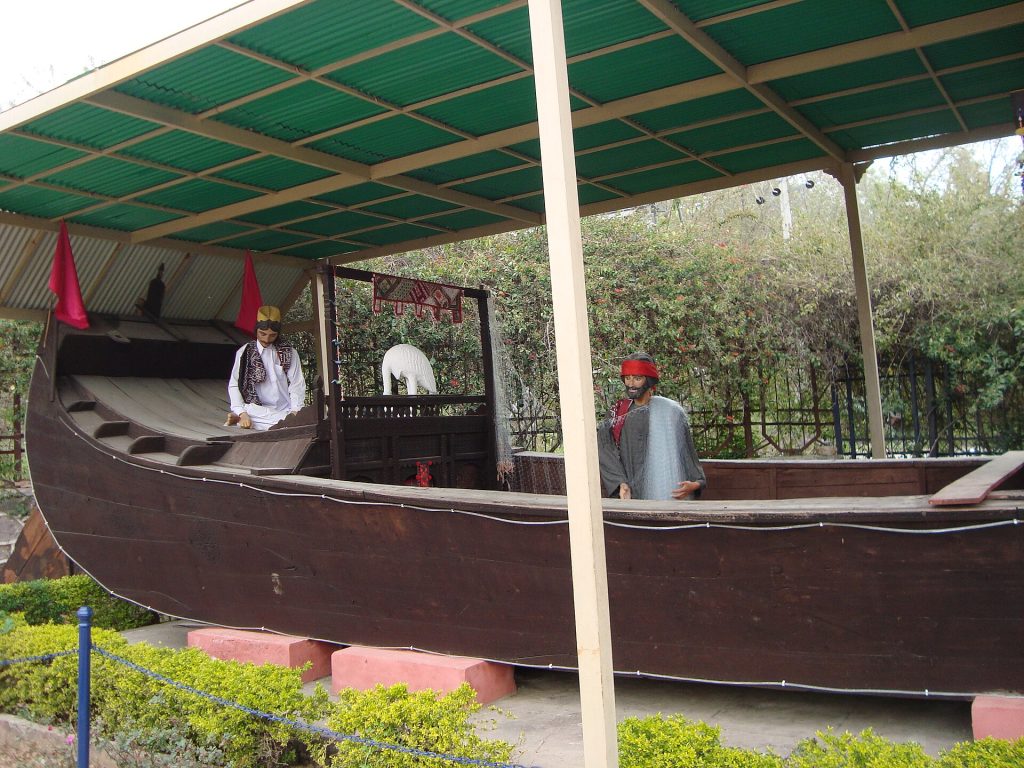
For centuries the lake has supported a way of life that is itself a major reason to visit. The Mohana, sometimes called the 'boat people', have lived on and around Manchar as fisherfolk, and many families have kept their homes on large wooden boats. Fishing is the lake's traditional trade, and the water's rise and fall governs every part of life.
Manchar's recent history is also a story of environmental stress. Drainage from the Main Nara Valley Drain, built in 1921, and later saline agricultural and urban runoff changed the lake's chemistry and affected fish stocks. Several reports describe a lake in decline, and the water that Mohana families depend on is not always clean. A visit here is best approached as a chance to understand how an Indus-plain wetland and the people of the lake are coping, rather than as a pristine nature trip.
Manchar is a lake of moving shores: what is water one year may be a field the next.
Highlights
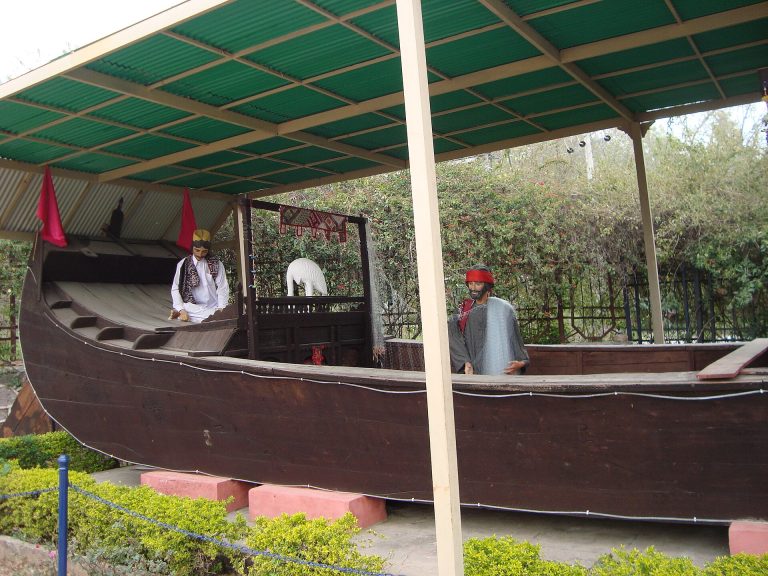 Boat life on the lakeMohana families live on and work from long wooden boats. With permission and a respectful approach, boat trips offer a view of this unusual floating community.
 Sehwan SharifThe shrine of Lal Shahbaz Qalandar is 18 km away and is the usual base for the lake. Combine the two in a single day.
 Harappan-era moundsThe lake basin and its edges hold archaeological sites of the Indus civilisation period, including Ghazi Shah and Wahi Pandhi, which are of interest to specialists rather than casual visitors.
 Kirthar foothillsTo the west the lake is framed by the Kirthar range, whose streams feed it in the rains.
Water, Pollution and Livelihoods
Manchar sits at the end of a long chain of drains and canals. Freshwater arrives from the Indus floodwaters, canals and hill streams; saline and polluted water arrives from the Main Nara Valley Drain and other channels. Water-quality studies cited in the literature have found the lake degraded by sewage and agricultural runoff, and reports describe declining fish stocks. A right-bank outfall drain has been planned to reduce the contamination; check the current state of the project and of the lake before you go.
The lake also shows the human cost of Sindh's floods. In the 2022 floods Manchar overflowed, and engineers breached the lake's embankment to protect Sehwan and nearby towns, which flooded villages elsewhere. For visitors, this means that water levels and access can change quickly after heavy monsoon rains, and the lake's shoreline is not fixed. If you plan a trip in or soon after the monsoon, check local conditions first.
Plan Your Visit
Best Time to Visit
October to March
Cooler months suit boat trips and birdwatching. Summers are extremely hot, and the monsoon can change water levels and roads.
How to Reach
Via Sehwan
The lake is roughly 18 km from Sehwan, which is on the Indus Highway about 130 km north-west of Hyderabad. Most visitors go with a local driver or guide; confirm the best access point in Sehwan.
Where to Stay
Sehwan, Dadu or Hyderabad
Accommodation near the lake is limited. Visitors usually stay in Hyderabad, Jamshoro or Dadu, or visit from Karachi as a long day trip.
Food
Fish and Sindhi fare
Fish is the local speciality. Eat only freshly cooked food, and check with locals about the origin of fish given the lake's water-quality problems.
Respect
Working communities
The boats are homes. Ask before boarding or photographing, avoid intruding on private space, and offer a fair fee for boat hire agreed in advance.
Advisories
Floods and local conditions
Check current advisories and local authority guidance for the Sehwan area, and for flood and water-level conditions. Do not swim in the lake.
Itinerary Ideas
- 1
One day from Hyderabad or Jamshoro
Drive north on the Indus Highway to Sehwan in the morning, visit the shrine of Lal Shahbaz Qalandar, then spend the afternoon on the lake.
- 2
Two days
Day one: Ranikot Fort and Sehwan. Day two: Manchar Lake in early morning light, then a leisurely return via Jamshoro.
- 3
Winter bird morning
Arrive at first light on a cool winter day; bring binoculars and keep distance from flocks.
Visit Responsibly
- Treat boats as homes: ask permission before boarding or taking photographs.
- Agree boat fares in advance and avoid bargaining to the bone; local incomes are modest.
- Do not feed, chase or disturb birds, and keep noise down near the reeds.
- Carry out all plastic and food waste; the lake is already under pollution stress.
- Do not drink lake water or swim in it.
Frequently Asked Questions
How big is Manchar Lake?
Britannica gives about 36 sq km at low water and at least 500 sq km when full. It varies greatly with the seasons and with the Indus floods.
Who are the Mohana?
A fishing community, often called the boat people, who have traditionally lived on and around the lake.
Is the lake polluted?
Studies and news reports describe sewage and saline agricultural drainage entering the lake, which has affected water quality and fish. Do not drink or swim in the water.
Can I visit Manchar in a day from Karachi?
It is a long day; most visitors go from Hyderabad or Jamshoro, or stay a night near Sehwan.
Is it a Ramsar site?
This guide has not confirmed a Ramsar listing for Manchar; check the Ramsar Sites Information Service for the current list.
Keep Exploring
Related places and stories on DailyLife.pk
Shrine of Lal Shahbaz QalandarVisit the shrine of Lal Shahbaz Qalandar in Sehwan Sharif: history, dhamaal, the urs, etiquette Ranikot FortPlan a Ranikot Fort trip: the 'Great Wall of Sindh', Miri and Shergarh, its gatesKirthar National ParkKirthar National Park, Sindh: wildlife (ibex, urial, chinkara, leopard), Karchaat base, permissions, best season
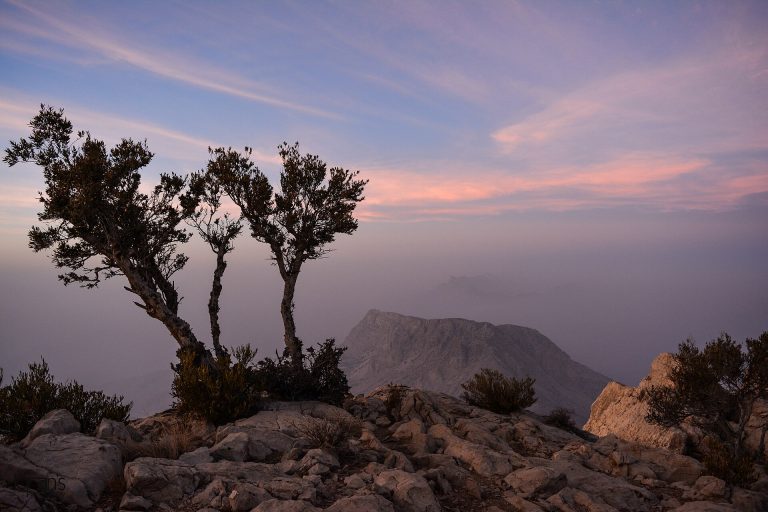 Gorakh HillGorakh Hill guide: Sindh's 'Murree' at about 1,734 m in the Kirthar range, with Benazir PointSehwanSehwan Sharif guide: the shrine of Lal Shahbaz Qalandar, dhamaal and the urs, Kafir Qila
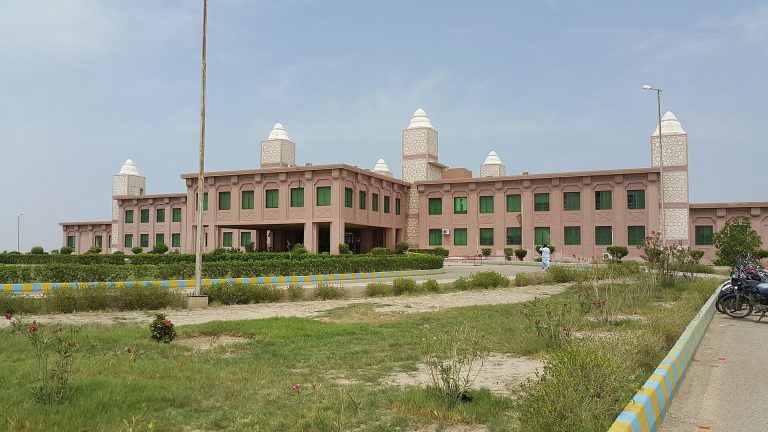 JamshoroJamshoro city guide: University of Sindh, Mehran UET, the Bholari urban area, Ranikot Fort
How we know this
- Type Travel guide
- Sources 2 (1 official/academic)
- Reviewed October 2026
- Disputed points None
Rules and fees change, confirm with the official links below before you act.
2 sources
- Manchhar Lake, Encyclopaedia Britannica
- Manchar Lake, Wikipedia (used to locate primary sources)
Photo credits (4)
- Boat of Manchar Lake Sindh.JPG, Laila Khaan, CC BY-SA 3.0, via Wikimedia Commons
- Shrine Lal Shahbaz Qalandar, Sehwan Shareef, Sindh, Pakistan.jpg, Fassifarooq, CC BY-SA 4.0, via Wikimedia Commons
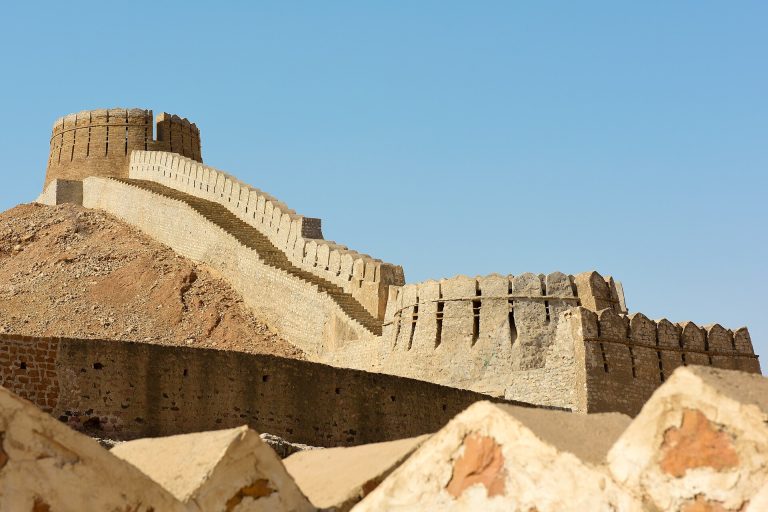
- Ranikot Wall & Fort View.jpg, Adrian Leslie Lobo, CC BY-SA 4.0, via Wikimedia Commons
- Mohenjodaro - view of the stupa mound.JPG, Saqib Qayyum, CC BY-SA 3.0, via Wikimedia Commons
