
Travel destination
Butkara and the Swat Museum: Gandharan Swat
The great Buddhist stupa excavated by Italian archaeologists and the museum in Saidu Sharif that holds the valley's Gandharan sculpture.
- Saidu Sharif, Swat
- Buddhist archaeology
- Stupa c. 2nd century BCE
- Museum reopened 2014
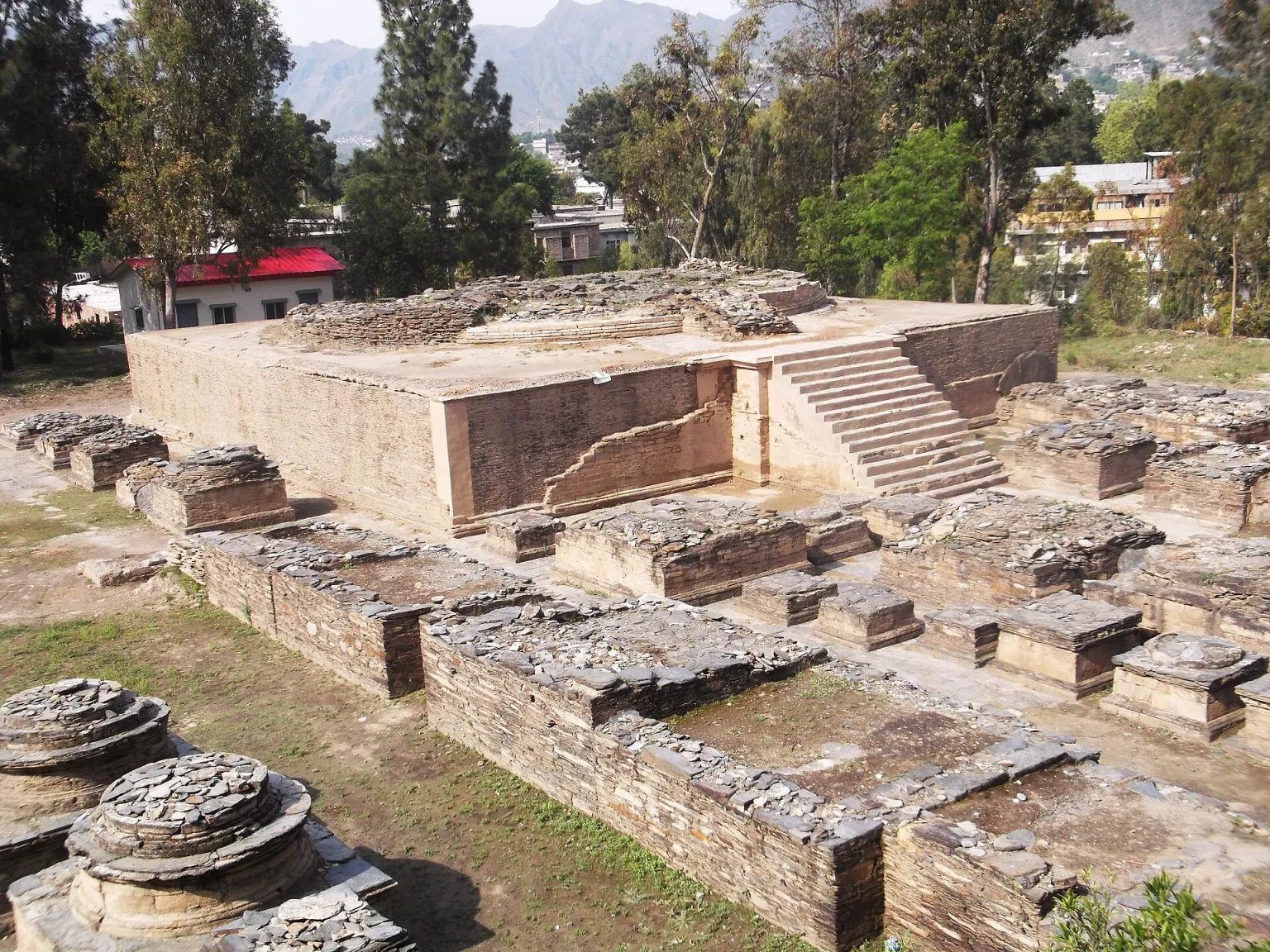
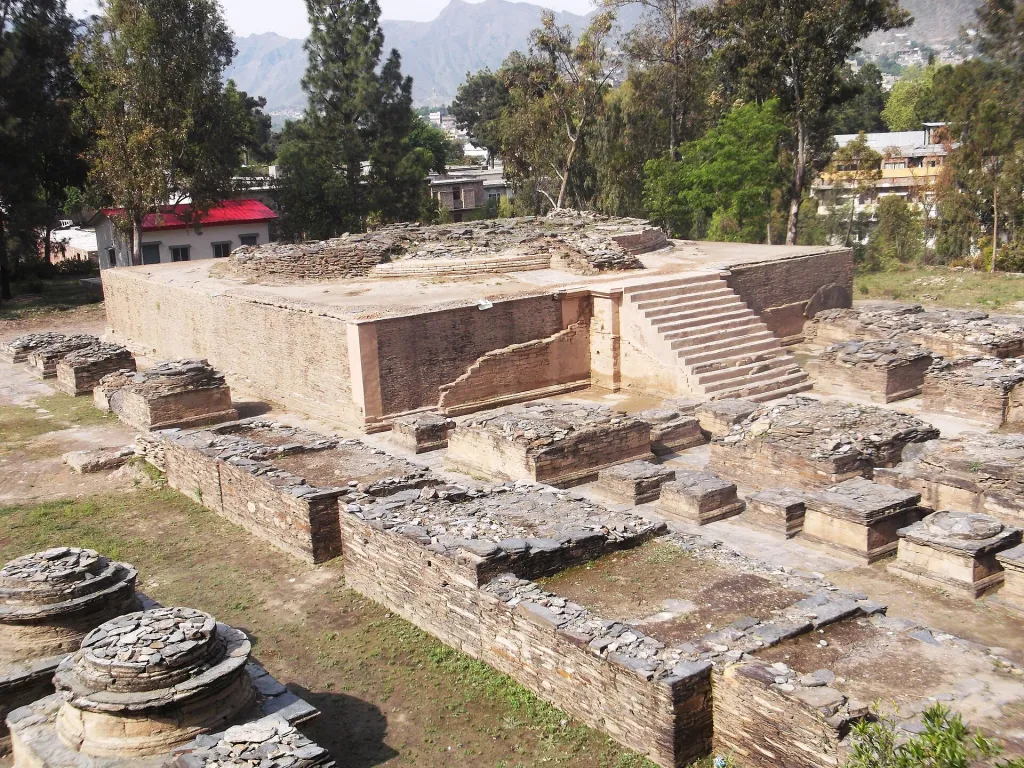
Butkara I stupa, near Mingora
About Butkara Stupa and the Swat Museum
Butkara I is the stupa that archaeologists associate with the ancient Buddhist world of Swat, then known as Uddiyana. It lies just outside Mingora, in Saidu Sharif. Tradition holds it may have been built by the Mauryan emperor Ashoka, but it is generally dated to the second century BCE. It was enlarged five times, each new stupa built over the last, and an Italian mission led by Domenico Faccenna began excavating it in 1956. Finds include Indo-Corinthian capitals, coins from Chandragupta Maurya to Kujula Kadphises, and an early seated Buddha.
The Swat Museum, conceived in 1959 under the Italian Archaeological Mission and the Wali of Swat, holds Gandharan statuettes and friezes showing the life of the Buddha, seals and small reliquaries from Butkara and Odigram, pre-Buddhist artefacts and an ethnographic gallery of carved Swati furniture, jewellery and embroidery. It was badly damaged in the 2005 earthquake, closed in 2007 and its contents moved to Taxila; a bomb exploded nearby in 2008. The 2,700 objects returned in July 2011, and a new earthquake-resistant building opened on 11 December 2014.
Together the two sites are the best short introduction to Swat's Buddhist past. Check opening times and photography rules locally.
Highlights
 Butkara I stupaThe excavated remains of the great stupa, built over five times. Walk the circuit and read the signs.
 Swat Museum galleriesGandharan sculpture, reliquaries and pre-Buddhist artefacts from Swat sites.
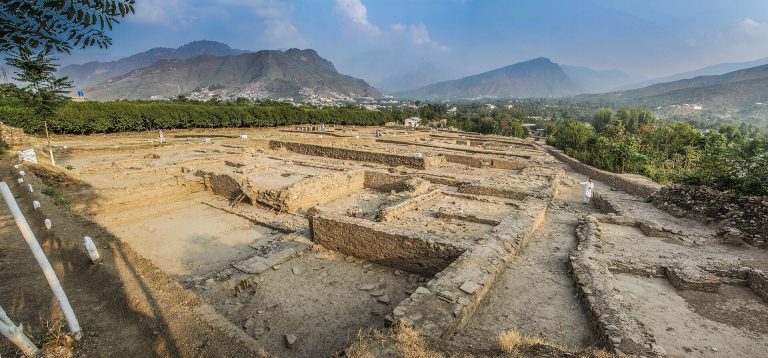 Barikot (Bazira)The ancient city of Bazira, with Hellenistic fortifications, lies nearby.
 GandharaThe wider Gandharan culture of Swat, Taxila and Peshawar.Takht-i-BahiAnother major Buddhist monastery in Khyber Pakhtunkhwa.
Plan Your Visit
Best Time to Visit
October to April; mornings
Summers are hot at lower altitude; mornings are best.
How to Reach
Mingora to Saidu Sharif
The museum and stupa are on the road between Mingora and Saidu Sharif; ride-hail or taxi.
Where to Stay
Mingora or Saidu Sharif
Hotels range from simple to resort-style.
Local Food
Swati dishes
Trout, rice dishes and fresh fruit in Mingora.
Etiquette
Respect the site
Do not climb or sit on stupas; ask before photographing inside the museum.
Practical notes
Confirm hours
Opening hours and fees change; confirm locally.
Before You Go
Fees, permits and road conditions change, confirm these with official sources close to your travel date.
- 1
Check road and weather
Mountain and rural roads can close for snow, landslides, floods or repairs at short notice. Ask your hotel or driver the day before and check Khyber Pakhtunkhwa Culture & Tourism Authority (kptourism.com).
- 2
Confirm permits and entry rules
Rules for Pakistani and foreign visitors differ and can change. Confirm any registration, NOC or checkpoint requirement with the provincial tourism body or Pakistan Tourism Development Corporation (tourism.gov.pk).
- 3
Check fees and local charges
Entry fees, boat or jeep rates and camp charges are set locally and revised from time to time. Confirm on the spot or with the tourism office rather than relying on figures quoted online.
Half a Day in Saidu Sharif
Easy to combine.
- 1
Morning: Butkara stupa
Walk the excavated remains in good light.
- 2
Late morning: Swat Museum
See the Gandharan galleries and ethnographic displays.
- 3
Afternoon: Barikot or Malam Jabba
Continue to Barikot ruins or head up to the ridge.
Travel Responsibly
- Do not climb on ancient structures.
- Never remove stones or fragments.
- Do not buy artefacts offered for sale; export is illegal.
- Support the museum by visiting.
Travel Advisories
Government travel advice for parts of Khyber Pakhtunkhwa varies by district and changes over time, and foreign visitors should read the current guidance of their own government (for example the UK FCDO and US State Department), which can affect travel insurance. Some areas, especially near borders, may need a No Objection Certificate (NOC) or registration. Check current advisories with the Khyber Pakhtunkhwa Culture & Tourism Authority (kptourism.com) and follow local authority guidance; carry your CNIC, or passport and visa.
Frequently Asked Questions
Who excavated Butkara?
An Italian mission led by Domenico Faccenna from 1956.
When did the new museum open?
11 December 2014, after earlier damage and closure.
Is Butkara an Ashokan stupa?
Tradition says it may be, but it is generally dated to the second century BCE.
Keep Exploring
Related places and stories on DailyLife.pk
 Swat ValleyPlan a trip to Swat Valley: Kalam, Mahodand Lake, Malam JabbaTakht-i-BahiVisit Takht-i-Bahi near Mardan: the UNESCO-listed Gandhara monastery, stupa courts, monks' cells, Sahr-i-Bahlol, history, best season
 Malam JabbaMalam Jabba guide: Swat's ski resort and chairlift, the road from Saidu Sharif via Manglor
 MingoraMingora city guide: Saidu Sharif, the Swat Museum, Butkara I, Fizagat and the White Palace, bazaarsBarikotBarikot guide: excavations of ancient Bazira, Alexander's siege, the Indo-Greek city, Amluk Dara and Shingardar stupas
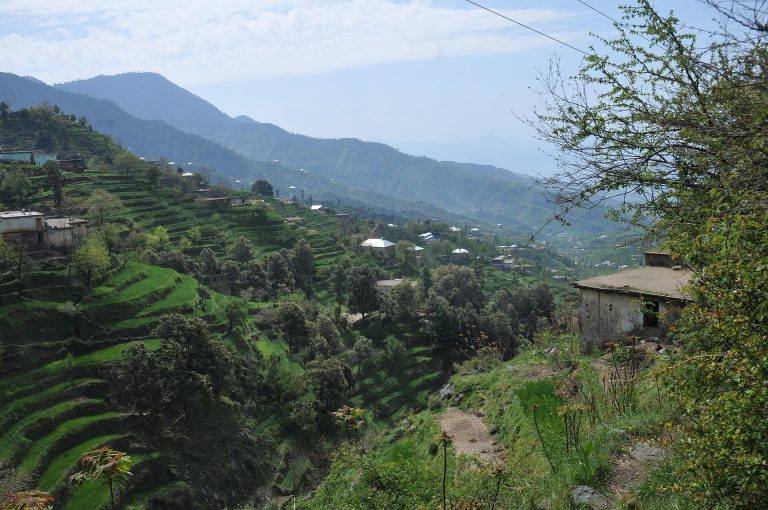 KabalKabal city guide: Swat River villages, nearby Mingora, Butkara and the Swat Museum, Barikot and Kalam
How we know this
- Type Travel guide
- Sources 2
- Reviewed October 2026
- Disputed points None
Rules and fees change, confirm with the official links below before you act.
2 sources
- Butkara Stupa, Wikipedia (used to locate sources)
- Swat Museum, Wikipedia
Photo credits (7)
- Butkara 1 Stupa Swat.jpg, Zainul Abideen, CC BY-SA 4.0, via Wikimedia Commons
- Swat Museum, Swat.jpg, Zohaibpmc, CC BY-SA 4.0, via Wikimedia Commons
- Bazira Panorama 2.jpg, Fazal.Khaliq, CC BY-SA 4.0, via Wikimedia Commons
- Takht-i-Bahi Buddhist Monastery.jpg, Muzamil Hassain Toori, CC BY-SA 4.0, via Wikimedia Commons
- Sunset over the Mingora City, Swat Valley, Pakistan.jpg, Imranrashid26, CC BY-SA 3.0, via Wikimedia Commons
- Malam jabba, Swat, Pakistan.jpg, Usmanghani242, CC BY-SA 4.0, via Wikimedia Commons
- Panoramic shot of SWAT. the place is called KALAM.jpg, Syed ali025, CC BY-SA 4.0, via Wikimedia Commons
