
People
Noor Jehan: Malika-e-Tarannum
Born Allah Wasai in Kasur, she was a child star in Calcutta, a leading actress of 1940s cinema and, after 1947, the defining voice of Pakistani film music for more than three decades.
- 1926–2000
- Queen of Melody
- Actress and director
Noor Jehan was born Allah Wasai on 21 September 1926 in Kasur, Punjab, into a family of musicians. She began performing as a child, starting her career in Calcutta at about the age of nine, and by the 1940s was one of the leading singer-actresses of the subcontinent's film industry, with hits such as Khandaan (1942), Zeenat (1945) and Anmol Ghadi (1946).
After Partition she moved to Pakistan. In 1951 she co-directed Chan Wey with Shaukat Hussain Rizvi, becoming Pakistan's first woman film director. Over the following decades she became above all a playback singer: for more than thirty years her voice was the sound of Pakistani cinema, and she earned the title Malika-e-Tarannum, 'Queen of Melody'.
Her patriotic songs during the 1965 war made her a national symbol. After years of heart and kidney illness she died in Karachi on 23 December 2000 and was buried there.
Life at a Glance
21 September 1926
Born in Kasur
Born Allah Wasai at Kasur, Punjab, into a family of musicians.
c. 1935
Child star
Begins her career in Calcutta at about nine years old.
1939–1946
Film star
Appears in films including Gul Bakawli (1939), Khandaan (1942), Zeenat (1945) and Anmol Ghadi (1946).
1947
To Pakistan
Moves to Pakistan after Partition.
1951
Director
Co-directs and stars in Chan Wey, the first Pakistani film directed by a woman.
1965
The war songs
Her patriotic songs during the war with India bring a special Nigar Award; she receives the Pride of Performance the same year.
1996
Sitara-e-Imtiaz
Awarded the Sitara-e-Imtiaz.
23 December 2000
Death
Dies in Karachi after a long illness; buried in the Gizri graveyard, Karachi.
The Voice of Pakistani Cinema
Noor Jehan's range covered film songs, ghazals, Punjabi folk-influenced numbers and national songs, in Urdu, Punjabi, Sindhi and other languages. Estimates of her output vary widely: Dawn and the state news agency APP have put her recorded songs at about 10,000, an earlier APP report counted about 6,000 film songs, and Gulf News's obituary gave more than 30,000. By APP's account she dominated the film industry for more than 35 years; her last film as an actress, Ghalib, was released in 1961.
Her performance on PTV of 'Dildar Sadqay Lakh Waar Sadqay' was among the images Google chose for its 2017 doodle celebrating her 91st birthday.
Honours
- Pride of Performance (1965; some accounts give 1966)
- Special Nigar Award for her 1965 war songs
- Sitara-e-Imtiaz (1996)
- PTV and film lifetime achievement awards, and a Millennium Award
- Title: Malika-e-Tarannum, 'Queen of Melody'
Legacy
Noor Jehan is regarded as one of the most influential singers in South Asian history. Her 1965 war songs are remembered as part of the national story. Her life also bridged the cinema of undivided India and of Pakistan. See Music of Pakistan and Pakistani cinema.
Frequently Asked Questions
What was Noor Jehan's real name?
Allah Wasai. She was born in Kasur on 21 September 1926.
Why is Noor Jehan called Malika-e-Tarannum?
The title means 'Queen of Melody' and reflects her status as the leading playback singer of Pakistani cinema for over three decades.
Was Noor Jehan Pakistan's first female film director?
Yes. She co-directed Chan Wey (1951) with Shaukat Hussain Rizvi.
When did Noor Jehan die?
On 23 December 2000 in Karachi, where she is buried.
Keep Exploring
Related places and stories on DailyLife.pk
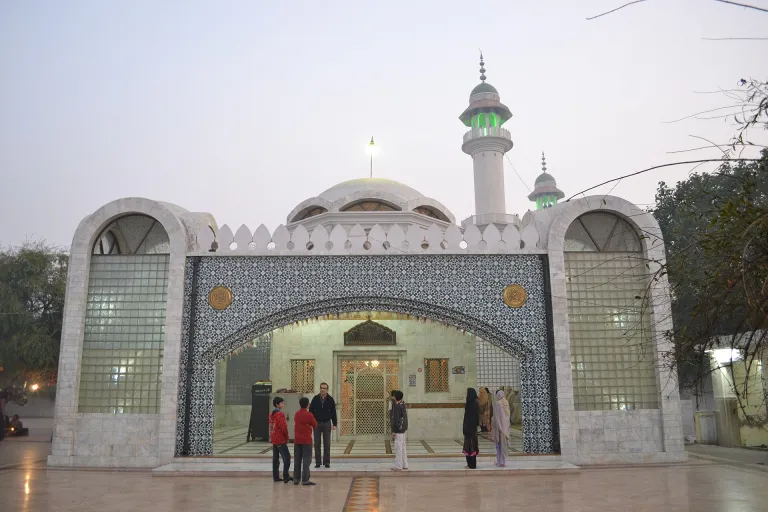 KasurKasur city guide: Bulleh Shah's shrine, Ganda Singh Wala border ceremony, Changa Manga forest, Kasuri falooda
 KarachiKarachi travel guide: Mazar-e-Quaid, Mohatta Palace, Clifton, Burns Road, bazaars, neighbourhoods, Green Line BRT
 LahoreLahore travel guide: Badshahi Mosque, Lahore Fort, Shalimar Gardens, the Walled City, food streets, neighbourhoods, metro
 Music of PakistanExplore Pakistani music: qawwali and Nusrat Fateh Ali Khan, the Sabri Brothers, classical gharanas, Sindhi
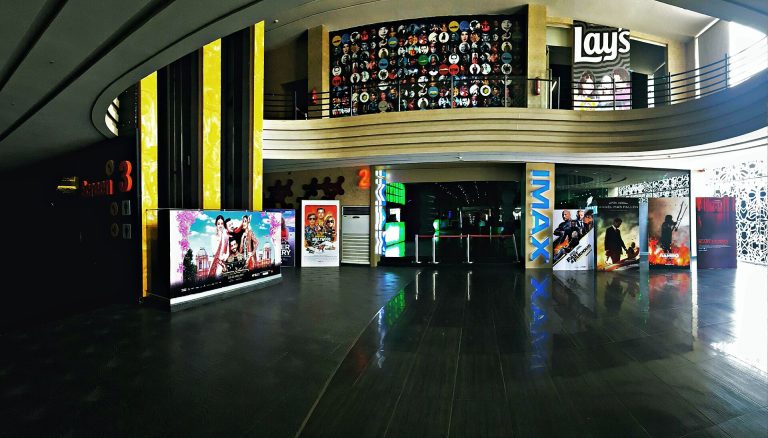 Pakistani CinemaThe history of Pakistani cinema: Lollywood's golden age, its decline, the revival since 2007
How we know this
- Type Biography
- Sources 5
- Reviewed October 2026
- Disputed points None
5 sources
- Google honours Madam Noor Jehan's 91st birthday with a doodle, Dawn Images
- Malika-e-Tarannum Noor Jehan remembered, Associated Press of Pakistan
- December 23, 2000: Pakistani legend singer Noor Jehan dies, Gulf News
- Noor Jehan remembered on 19th death anniversary, Associated Press of Pakistan
- Noor Jehan, Wikipedia (used to locate primary sources)
