
People
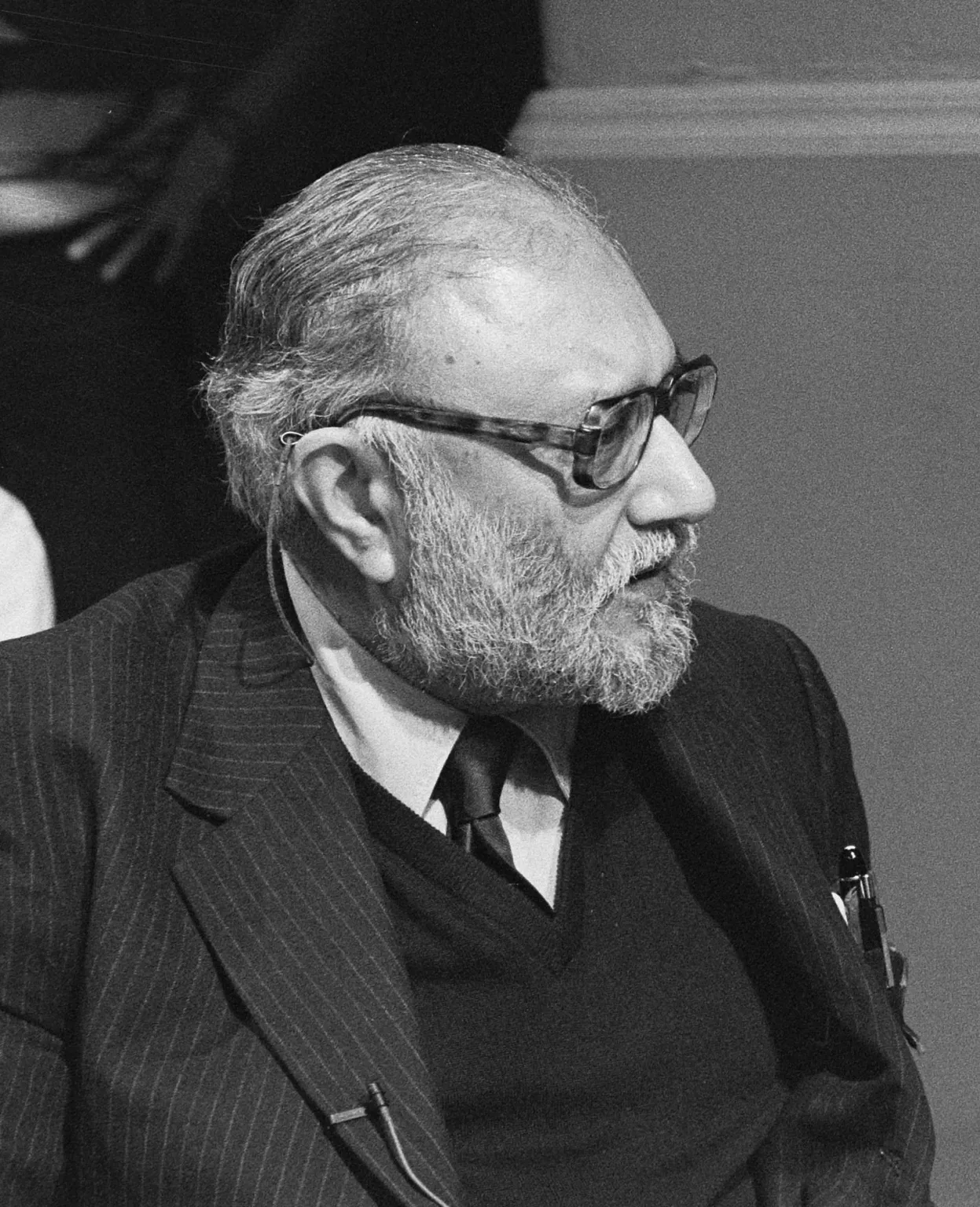
Abdus Salam: Pakistan's First Nobel Laureate
A physicist from Jhang who shared the 1979 Nobel Prize for the unification of the weak and electromagnetic forces, advised Pakistan's government on science for over a decade and founded the ICTP in Trieste for scientists from developing countries.
- 1926–1996
- Nobel Prize in Physics 1979
- Born in Jhang
About Abdus Salam
Abdus Salam was born in Jhang, Punjab, in 1926 and became one of the leading theoretical physicists of the twentieth century. After record-breaking results in Punjab and a master's degree from Government College, Lahore, he won a scholarship to Cambridge, where he took a double first in mathematics and physics and a doctorate in quantum field theory.
In 1979 he shared the Nobel Prize in Physics with Sheldon Glashow and Steven Weinberg 'for their contributions to the theory of the unified weak and electromagnetic interaction between elementary particles', the electroweak theory that is a cornerstone of the Standard Model. Britannica notes that he was the first Pakistani and the first Muslim scientist to win a Nobel Prize.
Salam combined research at Imperial College London with a lifelong mission to build science in developing countries. He served as chief scientific adviser to Pakistan's president from 1961 to 1974 and founded the International Centre for Theoretical Physics (ICTP) in Trieste. A member of the Ahmadiyya community, he left Pakistan in protest in 1974 after a constitutional amendment declared Ahmadis non-Muslim.
Life at a Glance
29 January 1926
Born in Jhang
Born in Jhang (Jhang Maghiana), Punjab, British India.
1946
MA in Lahore
Completes an MA in mathematics at Government College, Lahore, and wins a scholarship to St John's College, Cambridge.
1949–1951
Cambridge
Graduates with a double first in mathematics and physics, receives the Smith's Prize (1950) and completes a PhD in theoretical physics.
1951–1954
Back in Lahore
Teaches mathematics at Government College, Lahore, and heads the mathematics department of Punjab University from 1952, before returning to a lectureship at Cambridge.
1957
Imperial College
Becomes Professor of Theoretical Physics at Imperial College London.
1961
Adviser and SUPARCO
Becomes chief scientific adviser to the President of Pakistan (to 1974) and founding director of the Space and Upper Atmosphere Research Commission (SUPARCO).
5 October 1964
ICTP opens
The International Centre for Theoretical Physics, which he proposed in 1960, holds its inaugural meeting in Trieste; he leads it for decades.
1974
Leaves Pakistan in protest
Resigns his government role after Parliament passes the Second Amendment declaring Ahmadis non-Muslim.
1979
Nobel Prize
Shares the Nobel Prize in Physics; Pakistan awards him the Nishan-e-Imtiaz.
21 November 1996
Death in Oxford
Dies in Oxford aged 70 after a long illness; buried at Rabwah (Chenab Nagar), Punjab.
Science and Scientific Institutions
Salam's Nobel-winning work showed that two of nature's four fundamental forces, electromagnetism and the weak nuclear force, are aspects of a single 'electroweak' interaction, and predicted the weak neutral current.
In Pakistan he helped found SUPARCO in 1961, served on the Pakistan Atomic Energy Commission and the national Science Commission, and under his leadership Pakistan's first research reactor, PARR-I, went critical in 1965. Internationally, his greatest institutional legacy is the ICTP in Trieste, founded with Paolo Budinich under the International Atomic Energy Agency. Its purpose was to give physicists from developing countries a place to work, train and stay connected with world science.
Selected Honours
Nobel Prize in Physics
1979
Shared with Sheldon Glashow and Steven Weinberg for the electroweak theory.
Atoms for Peace Award
1968
For his work promoting the peaceful uses of nuclear science.
Nishan-e-Imtiaz
1979
One of Pakistan's highest civil awards, conferred in the year of the Nobel Prize.
Copley Medal
1990
The Royal Society's oldest award for scientific achievement.
Faith, Recognition and Controversy
Salam's place in Pakistan has long been entangled with the status of the Ahmadiyya community. He left the country's service in 1974 over the Second Amendment, and after his burial at Rabwah the word 'Muslim' in the epitaph 'First Muslim Nobel Laureate' was obscured on a local magistrate's order and later removed. For many years his achievements received little official celebration; supporters of his legacy argue that this neglect was a national loss, while his religious identity remains a sensitive subject in Pakistani public debate.
Legacy
The ICTP in Trieste, now named after him, continues its mission of supporting scientists from developing countries. In Pakistan, Prime Minister Nawaz Sharif approved renaming the physics centre at Quaid-i-Azam University as the Professor Abdus Salam Center for Physics in December 2016. He is remembered in Jhang and among Pakistani scientists as proof that world-class science could come from a small Punjabi town.
In Pakistan’s History
Events on DailyLife.pk where Abdus Salam played a part.
- 15 October 1979 (announcement)
Abdus Salam Wins the Nobel Prize
On 15 October 1979 the Royal Swedish Academy of Sciences awarded the Nobel Prize in Physics to Abdus Salam, Sheldon Glashow and Steven Weinberg for the theory unifying the weak and electromagnetic forces. Salam, born in Jhang, was the first Pakistani Nobel laureate.
Frequently Asked Questions
Who was Pakistan's first Nobel laureate?
Abdus Salam, who shared the 1979 Nobel Prize in Physics.
What did Abdus Salam win the Nobel Prize for?
For contributions to the theory of the unified weak and electromagnetic interaction between elementary particles, shared with Sheldon Glashow and Steven Weinberg.
What is the ICTP?
The International Centre for Theoretical Physics in Trieste, Italy, which Salam proposed in 1960 and which opened in 1964 to support physicists from developing countries. It now bears his name.
Where is Abdus Salam buried?
At Rabwah (Chenab Nagar) in Punjab, in the Ahmadiyya cemetery, beside his parents.
Keep Exploring
Related places and stories on DailyLife.pk
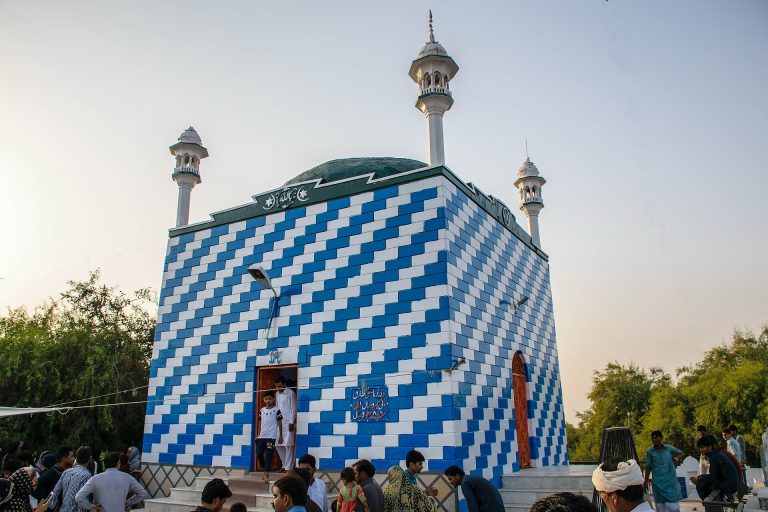 JhangJhang city guide: Heer's tomb, the shrine of Sultan Bahu, the Chenab and Trimmu
 LahoreLahore travel guide: Badshahi Mosque, Lahore Fort, Shalimar Gardens, the Walled City, food streets, neighbourhoods, metro
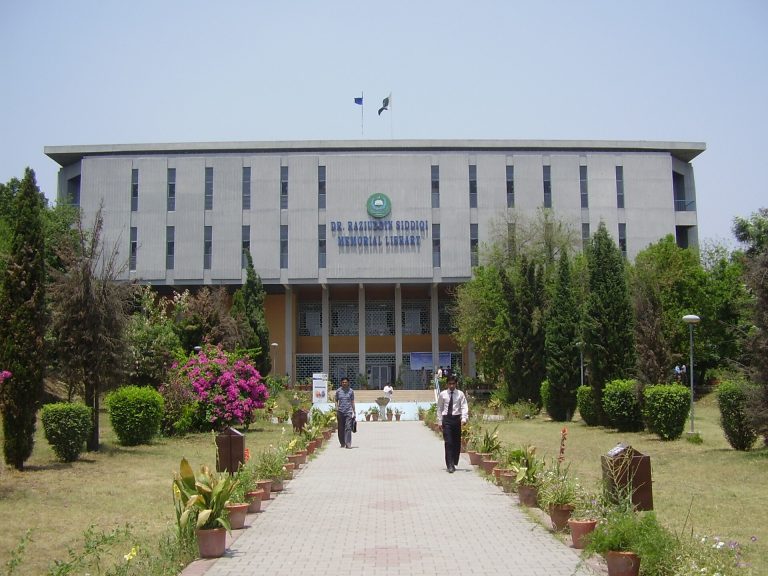 Quaid-i-Azam UniversityQuaid-i-Azam University Islamabad: founded 1967, faculties and research institutes, admissions, fees, scholarships
 Famous PakistanisNotable Pakistanis by field: Abdus Salam, Faiz, Manto, Bano Qudsia, Nusrat Fateh Ali Khan, Noor Jehan
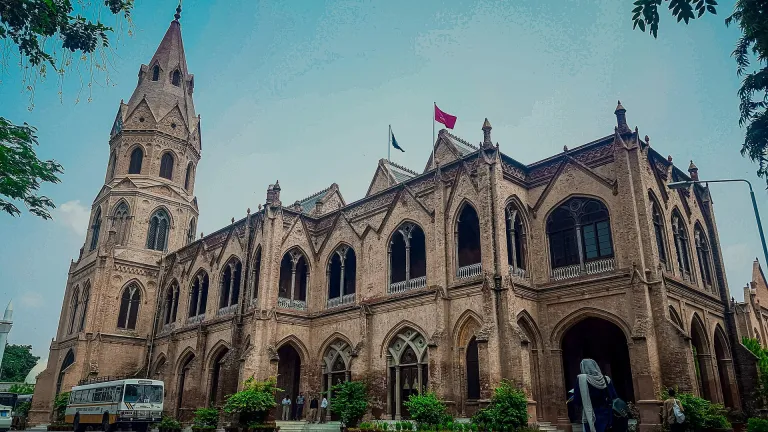 Government College University, LahoreGCU Lahore profile: founded 1864, university since 2002, faculties, admissions, fees, financial aid
How we know this
- Type Biography
- Sources 5 (3 official/academic)
- Reviewed October 2026
- Disputed points Yes, see the debates
5 sources
- Abdus Salam – Facts, NobelPrize.org
- Abdus Salam – Biographical, NobelPrize.org
- The birth of ICTP, International Centre for Theoretical Physics
- Abdus Salam, Wikipedia (used to locate primary sources)
- Abdus Salam | Biography, Encyclopaedia Britannica
Photo credits (1)
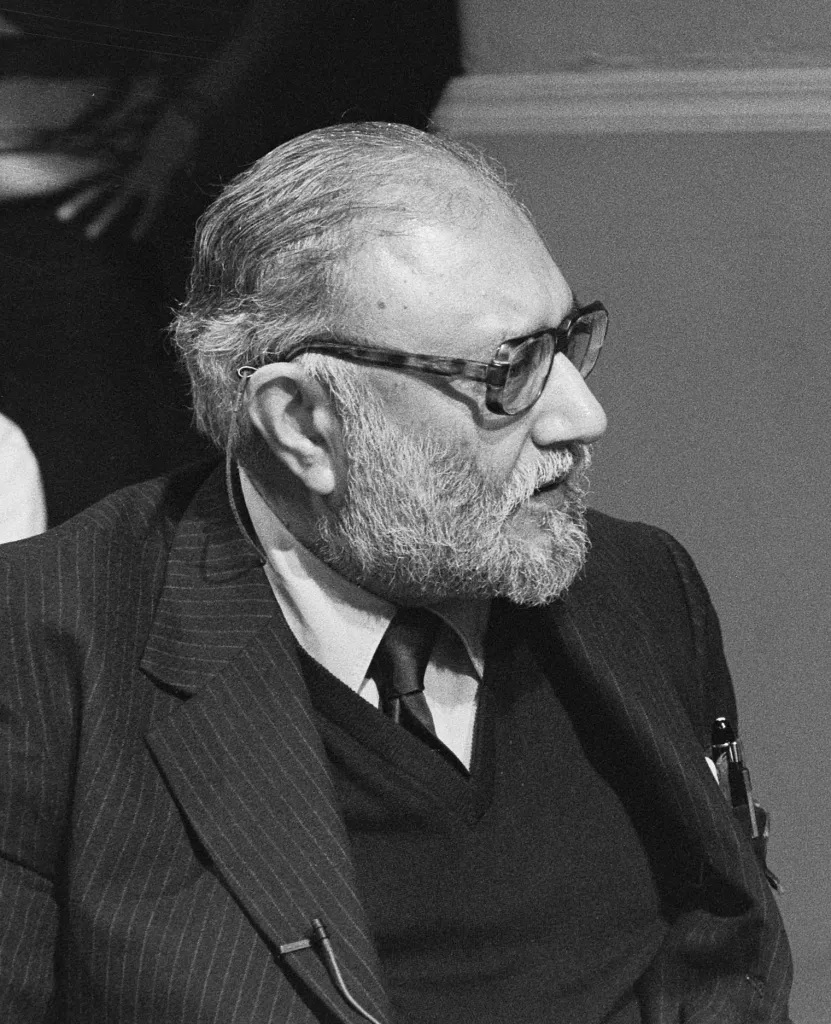
- Abdus Salam 1987.jpg, Molendijk, Bart / Anefo, CC BY-SA 3.0 nl, via Wikimedia Commons
