
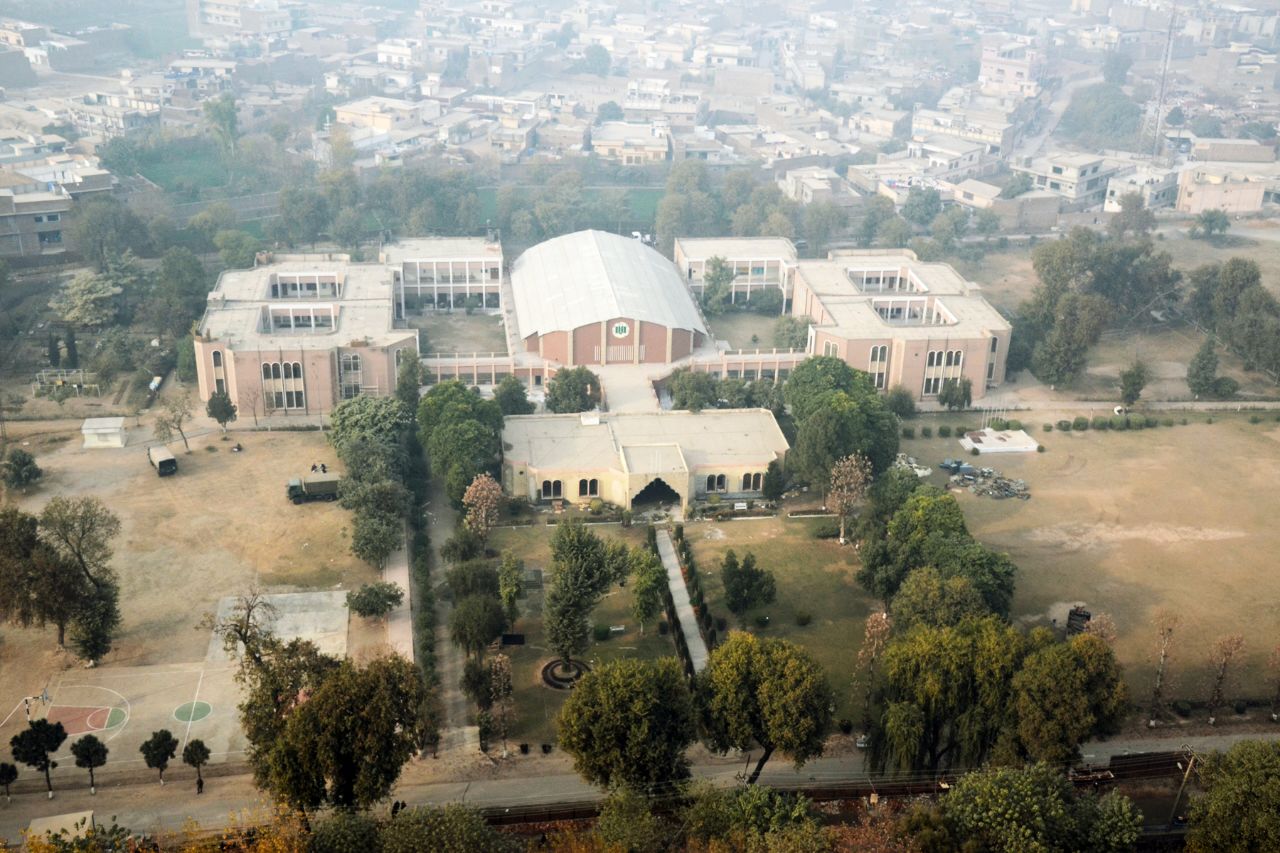
History · Event
16 December 2014: The Army Public School Attack
The killing of schoolchildren and teachers in Peshawar became a national turning point, remembered every 16 December and followed by a sweeping counter-terrorism plan.
- 16 December 2014
- Peshawar
- In memory of the victims
Peshawar, Khyber Pakhtunkhwa
- When
- 16 December 2014
- Where
- Peshawar, Khyber Pakhtunkhwa
- Key people
- Nawaz Sharif
- Certainty
- Well established
What Happened
On the morning of 16 December 2014 six Taliban militants entered the army-run Army Public School in Peshawar. Over several hours they killed students and staff before security forces ended the siege; all the attackers were killed. Authorities attributed the attack to the Tehrik-i-Taliban Pakistan (TTP).
About 147 people died, around 132 of them children, according to figures reported by Dawn and others (some early counts gave 145). Many more were wounded. It was one of the deadliest terrorist attacks in Pakistan's history, and the loss of so many young lives caused grief across the country and abroad.
The attack became a turning point in Pakistan's response to militancy. Within days the government lifted a moratorium on executions in terrorism cases, and on 24 December 2014 the political leadership approved a 20-point National Action Plan.
Background
Pakistan had suffered years of militant violence, with attacks on civilians, security forces and public institutions across the country. Before the attack, a confidential letter from the National Counter Terrorism Authority dated 28 August 2014 had warned of a TTP threat against army-run institutions, including the Army Public School, a warning later examined by a judicial commission.
Timeline
28 August 2014
Threat alert
NACTA warns provincial and federal authorities of a possible TTP attack on army-run schools.
16 December 2014
The attack
Gunmen attack the Army Public School in Peshawar; about 147 people are killed.
17 December 2014
Moratorium lifted
Prime Minister Nawaz Sharif lifts the moratorium on the death penalty in terrorism cases.
24 December 2014
National Action Plan
The 20-point National Action Plan is approved and announced by the Prime Minister in a televised address.
6 January 2015
21st Amendment
Parliament passes the 21st Amendment and Army Act changes allowing military courts to try terrorism cases for two years.
12 October 2018
Judicial commission
On the Supreme Court's order, the Peshawar High Court forms a one-member commission under Justice Mohammad Ibrahim to inquire into the attack.
9 July 2020
Inquiry report
The commission's report, based on statements from 132 witnesses including officials, injured students and parents, is submitted to the Chief Justice.
The National Action Plan
Key points of the 20-point plan approved on 24 December 2014 (paraphrased from NACTA).
- Carry out death sentences of those convicted in terrorism cases.
- Set up special trial courts under military supervision for two years.
- Prevent militant outfits and armed gangs from operating, and stop banned groups re-emerging under new names.
- Strengthen and activate the National Counter Terrorism Authority (NACTA) and raise a dedicated counter-terrorism force.
- Act against hate speech, extremist literature and the glorification of terrorism in the media.
- Choke terrorist financing and dismantle terrorist communication networks, including online.
- Register and regulate religious seminaries; act against religious persecution and sectarian terrorism.
- Reform FATA administratively and developmentally and support the return of displaced people.
- Continue operations in Karachi, Punjab and Balochistan, with political reconciliation in Balochistan.
- Formulate a policy on Afghan refugees and reform the criminal justice system.
Consequences
- Political parties and the military agreed a common counter-terrorism framework in the National Action Plan.
- Military courts were created for terrorism cases by the 21st Amendment (January 2015), initially for two years; some parties refused to vote, and critics called the move a 'soft coup'.
- Executions resumed; by mid-January 2015 the government reported 14 convicted terrorists had been hanged.
- School security was tightened nationwide, with higher walls, CCTV and guards; the Khyber Pakhtunkhwa police acted on thousands of cases of non-compliance.
- 16 December is marked each year in memory of the victims.
How We Know
Information comes from official statements by the government and military, reporting by Pakistani and international media, the National Counter Terrorism Authority's published National Action Plan, parliamentary records of the 21st Amendment, and the judicial commission's inquiry, whose report was submitted to the Supreme Court in July 2020. Monitoring by groups such as the Center for Research and Security Studies has tracked implementation of the Action Plan. Casualty counts in early reports varied slightly (145–147); 147 is the figure most widely cited.
Debates
Accountability. Parents of the victims have asked for responsibility to be fixed on officials who failed to act on threat warnings; the Khyber Pakhtunkhwa government and police told the courts they had passed the alert to the school.
The response. The National Action Plan was presented as a rare national consensus against terrorism, backed by the government, opposition and military. Critics, including the parties that refused to vote for the 21st Amendment, argued that military courts bypassed the ordinary justice system, and later reviews, such as Gulf News's on the fourth anniversary, said implementation of other parts of the plan had been slow and political will weak.
Before and After
Where this moment sits in Pakistan’s story.
Before
- 26 July 2014
All-Pakistani K2 summit team
Wikipedia records that six Pakistani climbers summited K2 on the 'K2 60 Years Later' expedition, the first all-Pakistani team to do so.
- 10 December 2014
Nobel Peace Prize
Receives the Nobel Peace Prize in Oslo, shared with Kailash Satyarthi.
Frequently Asked Questions
When was the Army Public School attack?
On 16 December 2014, in Peshawar.
How many people died in the APS attack?
About 147 people, around 132 of them children, according to widely cited figures; some early reports gave 145.
What is the National Action Plan?
A 20-point counter-terrorism plan approved on 24 December 2014 in response to the attack, covering executions in terrorism cases, special courts, action against militant groups and financing, madrassa regulation and criminal justice reform.
What was the 21st Amendment?
A constitutional amendment passed on 6 January 2015 that, with changes to the Army Act, allowed military courts to try terrorism suspects for two years.
Was there an inquiry into the attack?
Yes. A judicial commission headed by Justice Mohammad Ibrahim of the Peshawar High Court, formed in 2018 on the Supreme Court's order, submitted its report in July 2020.
Keep Exploring
Related places and stories on DailyLife.pk
 PeshawarPeshawar city guide: Qissa Khwani Bazaar, Mahabat Khan Mosque, Sethi House, Peshawar Museum, Pashtun food
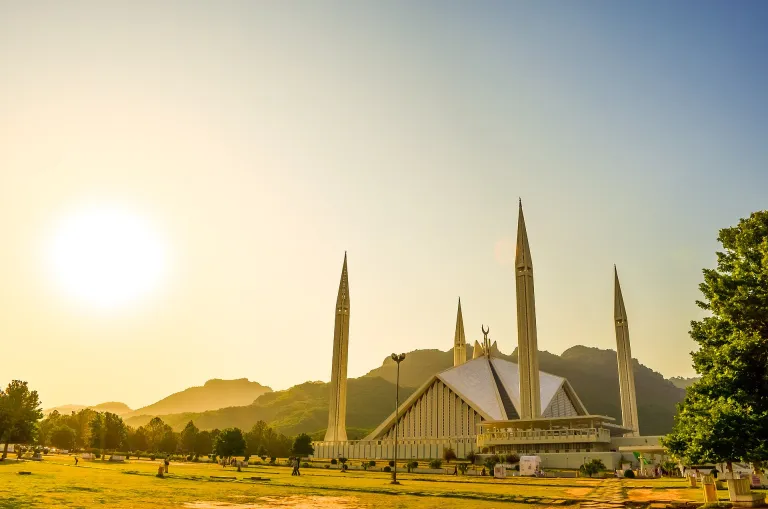 History of Pakistan since 1947Pakistan's history since 1947: Jinnah and Liaquat, constitutions of 1956, 1962 and 1973, the wars
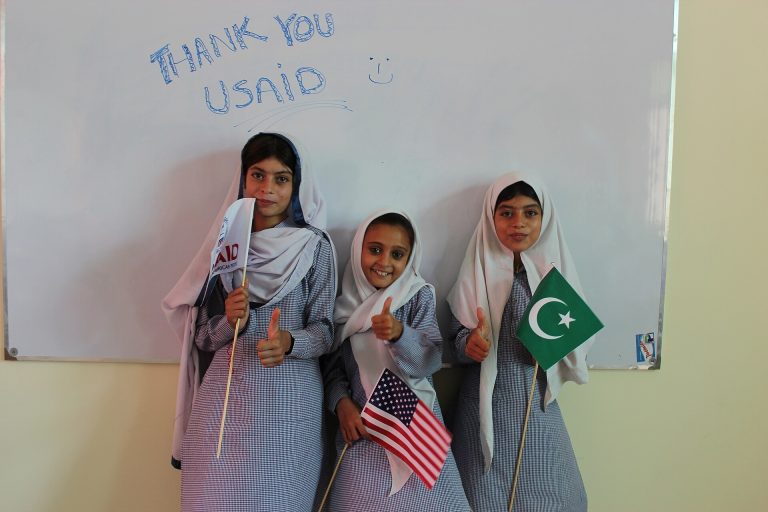 The School System in PakistanHow schooling works in Pakistan: stages from early years to Class 12, public
How we know this
- Type Historical record
- Sources 5 (2 official/academic)
- Reviewed October 2026
- Disputed points Yes, see the debates
5 sources
- National Action Plan, 2014, National Counter Terrorism Authority (NACTA)
- Pakistan's counter-terror response: one month on, Center for Research and Security Studies (CRSS)
- APS judicial commission report submitted to CJP (13 July 2020), Dawn
- Lessons learnt from 2014 Peshawar school attack that killed 147 people, Gulf News
- Constitutional history and amendments, National Assembly of Pakistan
Photo credits (1)
- Army Public School.jpg, Obaid Raza, CC BY-SA 4.0, via Wikimedia Commons
