
People
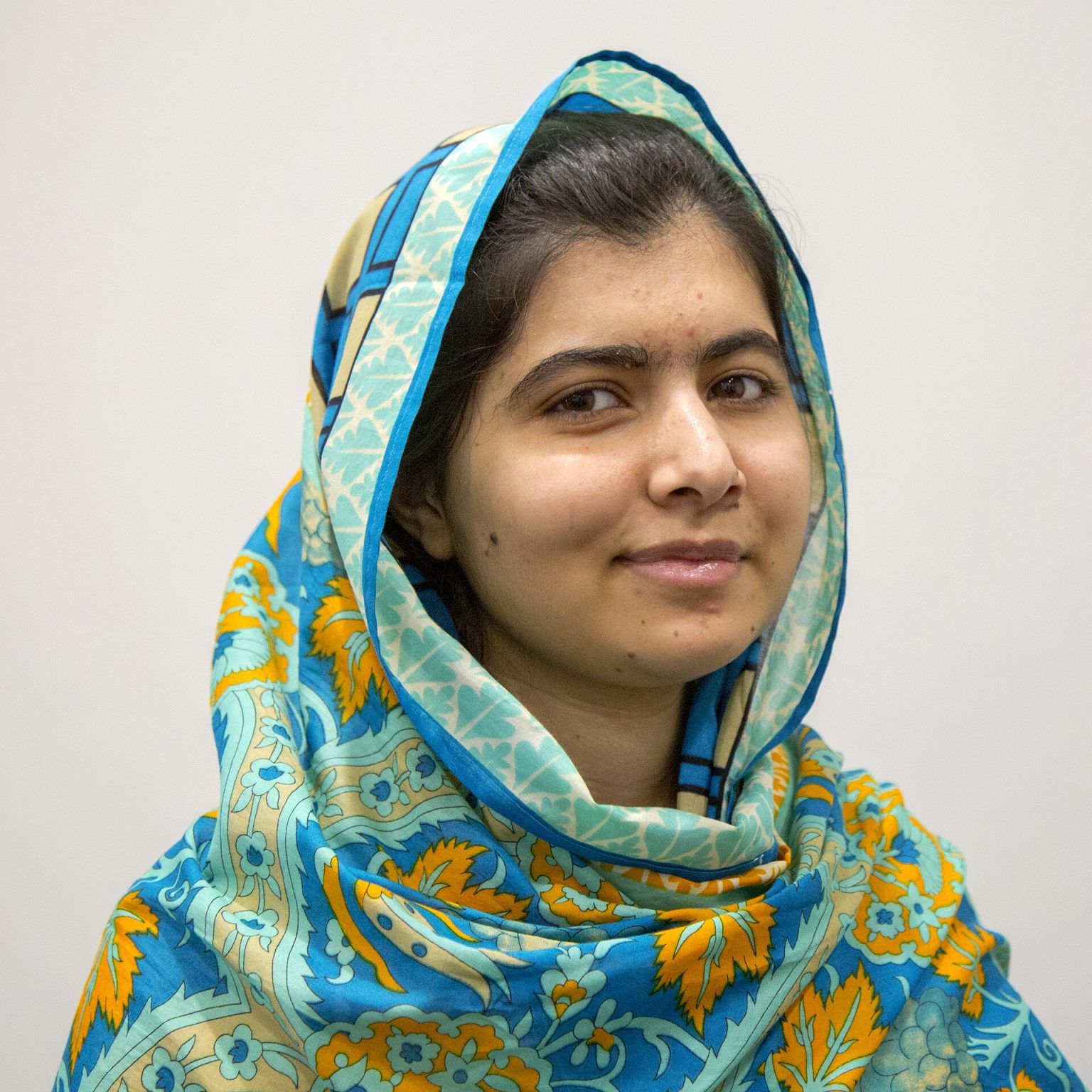
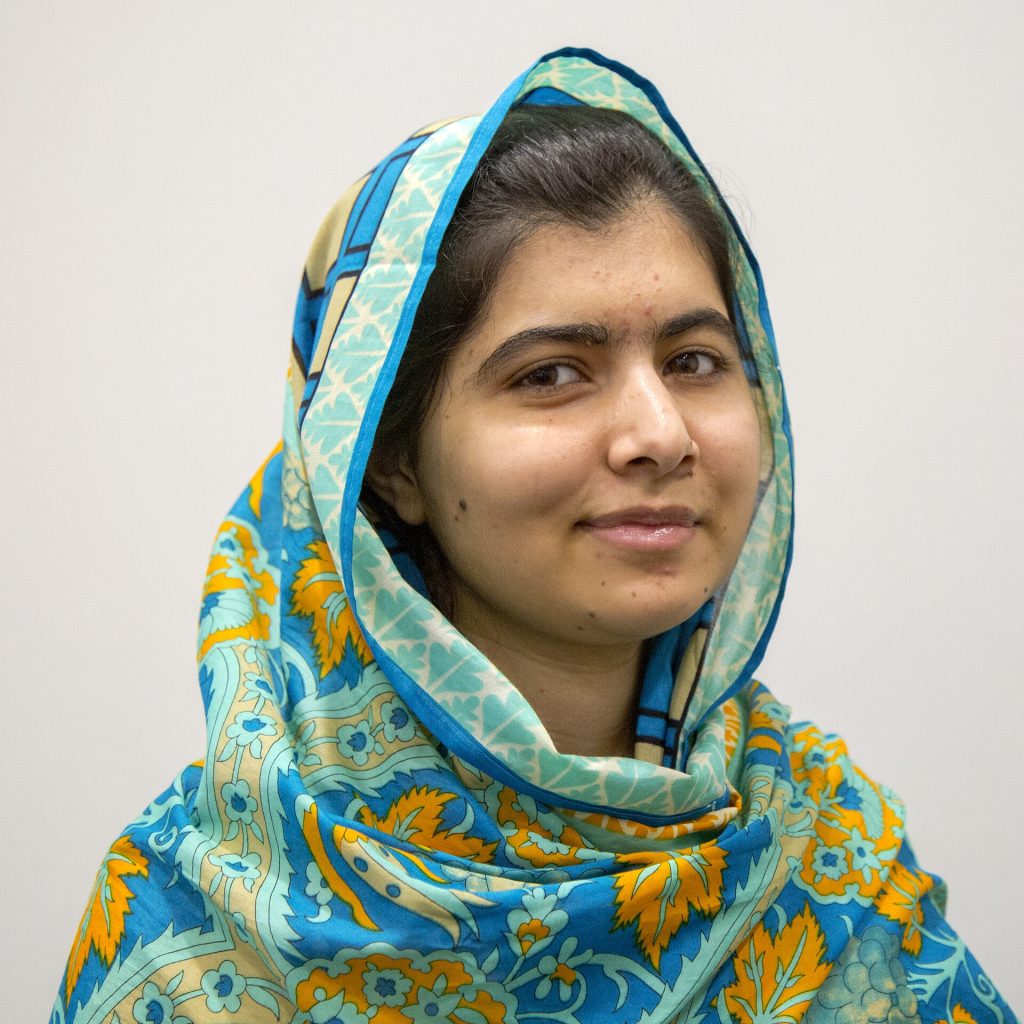
Malala Yousafzai: Campaigner for Girls' Education
A schoolgirl from Mingora in Swat who wrote about life under the Taliban, survived being shot in 2012 and became the youngest Nobel laureate, campaigning for every girl's right to education.
- Born in Mingora, Swat
- Nobel Peace Prize 2014
- Girls' education
About Malala Yousafzai
Malala Yousafzai was born in Mingora, the main town of the Swat valley, in 1997. Her father ran a school there. When the Pakistani Taliban took control of much of Swat in 2008, girls' schools were destroyed and girls were barred from classes. In early 2009, aged eleven, she wrote an anonymous diary about life under their rule for BBC Urdu under the pen name 'Gul Makai'.
On 9 October 2012 a Taliban gunman shot her on her school bus. She was flown to Birmingham in England for treatment, recovered and continued her campaign from there. On her sixteenth birthday, 12 July 2013, she addressed the United Nations in New York, calling for education for every child.
In 2014 she shared the Nobel Peace Prize with India's Kailash Satyarthi 'for their struggle against the suppression of children and young people and for the right of all children to education', becoming the youngest laureate and the first Pakistani to receive the Peace Prize. She co-founded the Malala Fund, which supports girls' education, and graduated from the University of Oxford in 2020.
Public Life at a Glance
12 July 1997
Born in Mingora
Born in Mingora, Swat, in today's Khyber Pakhtunkhwa.
January–March 2009
The Gul Makai diary
Writes an anonymous diary for BBC Urdu about girls' education under Taliban rule in Swat.
2011
National Youth Peace Prize
Receives Pakistan's National Youth Peace Prize and is nominated for the International Children's Peace Prize.
9 October 2012
Attack
Shot by a Taliban gunman on her school bus in Swat; flown to the Queen Elizabeth Hospital, Birmingham, on 15 October.
12 July 2013
UN address
Speaks at the United Nations in New York on her sixteenth birthday.
October 2013
Book and Sakharov Prize
Publishes I Am Malala and receives the European Parliament's Sakharov Prize for Freedom of Thought.
10 December 2014
Nobel Peace Prize
Receives the Nobel Peace Prize in Oslo, shared with Kailash Satyarthi.
29 March 2018
First return to Pakistan
Returns to Pakistan for the first time since the attack, meeting the prime minister and visiting Mingora.
2020
Oxford graduate
Graduates in Philosophy, Politics and Economics from the University of Oxford.
Campaigning for Girls' Education
Malala's public work centres on one demand: that every girl should be able to go to school. Through the Malala Fund, co-founded with her father, she supports education campaigners and programmes in countries where girls are most often kept out of school. She dedicated her Nobel prize money to the fund, beginning with building schools in Pakistan, including in Swat and Shangla.
Her books include the memoir I Am Malala (2013), We Are Displaced, and the children's book Malala's Magic Pencil. The 2015 documentary He Named Me Malala brought her story to a wider audience.
In Her Words
“Education is one of the blessings of life, and one of its necessities.”
, Malala Yousafzai, Nobel Lecture, Oslo, 10 December 2014
Reception in Pakistan
Malala is widely honoured in Pakistan and abroad, but opinion at home has not been uniform. Some conservative and religious commentators have portrayed her as a Western-backed figure, and in 2015 the All Pakistan Private Schools Federation banned her memoir from its member schools; conspiracy theories about the 2012 attack circulated in parts of the media. Her supporters see such reactions as part of the same hostility to girls' education she campaigns against.
Significance
Malala is the youngest person ever to receive a Nobel Prize and one of two Pakistani Nobel laureates, alongside the physicist Abdus Salam. Her story drew global attention to the closing of girls' schools in Swat and to the wider gap in girls' education. See the school system in Pakistan for context on education in the country, and Mingora for her home town.
Frequently Asked Questions
When did Malala Yousafzai win the Nobel Peace Prize?
In 2014, at the age of 17, shared with Kailash Satyarthi. She is the youngest Nobel laureate.
Where is Malala from?
Mingora, the main town of the Swat valley in Khyber Pakhtunkhwa, where she was born on 12 July 1997.
What was the Gul Makai diary?
An anonymous diary Malala wrote for BBC Urdu in early 2009 about life and schooling under Taliban rule in Swat.
What is the Malala Fund?
A charity she co-founded with her father to support girls' education. She dedicated her Nobel prize money to it, beginning with schools in Pakistan.
Keep Exploring
Related places and stories on DailyLife.pk
 Swat ValleyPlan a trip to Swat Valley: Kalam, Mahodand Lake, Malam Jabba
 MingoraMingora city guide: Saidu Sharif, the Swat Museum, Butkara I, Fizagat and the White Palace, bazaars
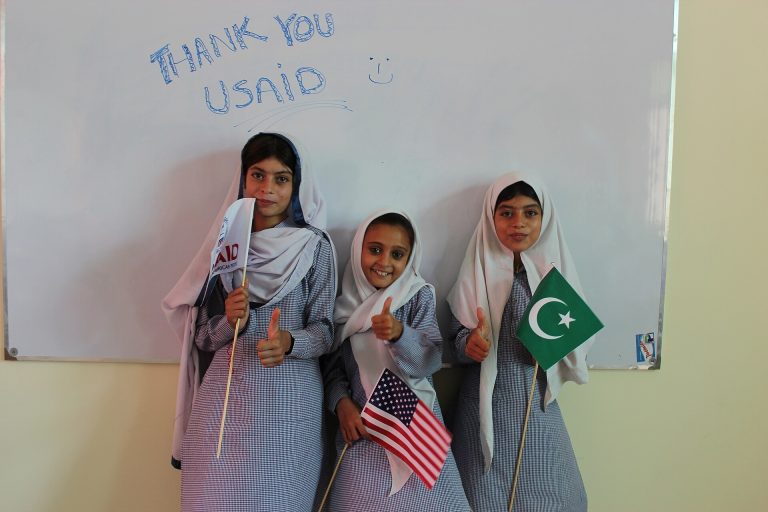 The School System in PakistanHow schooling works in Pakistan: stages from early years to Class 12, public
 Famous PakistanisNotable Pakistanis by field: Abdus Salam, Faiz, Manto, Bano Qudsia, Nusrat Fateh Ali Khan, Noor Jehan
How we know this
- Type Biography
- Sources 5 (4 official/academic)
- Reviewed October 2026
- Disputed points None
5 sources
- Malala Yousafzai – Facts, NobelPrize.org
- Malala Yousafzai – Biographical, NobelPrize.org
- Malala Yousafzai – Nobel Lecture, NobelPrize.org
- Malala Yousafzai | Biography, Encyclopaedia Britannica
- Malala Yousafzai, Wikipedia (used to locate primary sources)
Photo credits (1)
- Malala Yousafzai 2015.jpg, DFID - UK Department for International Development, CC BY 2.0, via Wikimedia Commons
