
History · Biography
Quaid-e-Azam Muhammad Ali Jinnah: Founder of Pakistan
A Karachi-born barrister who became the leader of the All-India Muslim League, led the campaign for Pakistan and served as its first Governor-General until his death in 1948.
- 1876–1948
- Born and buried in Karachi
- Barrister of Lincoln's Inn
- First Governor-General of Pakistan
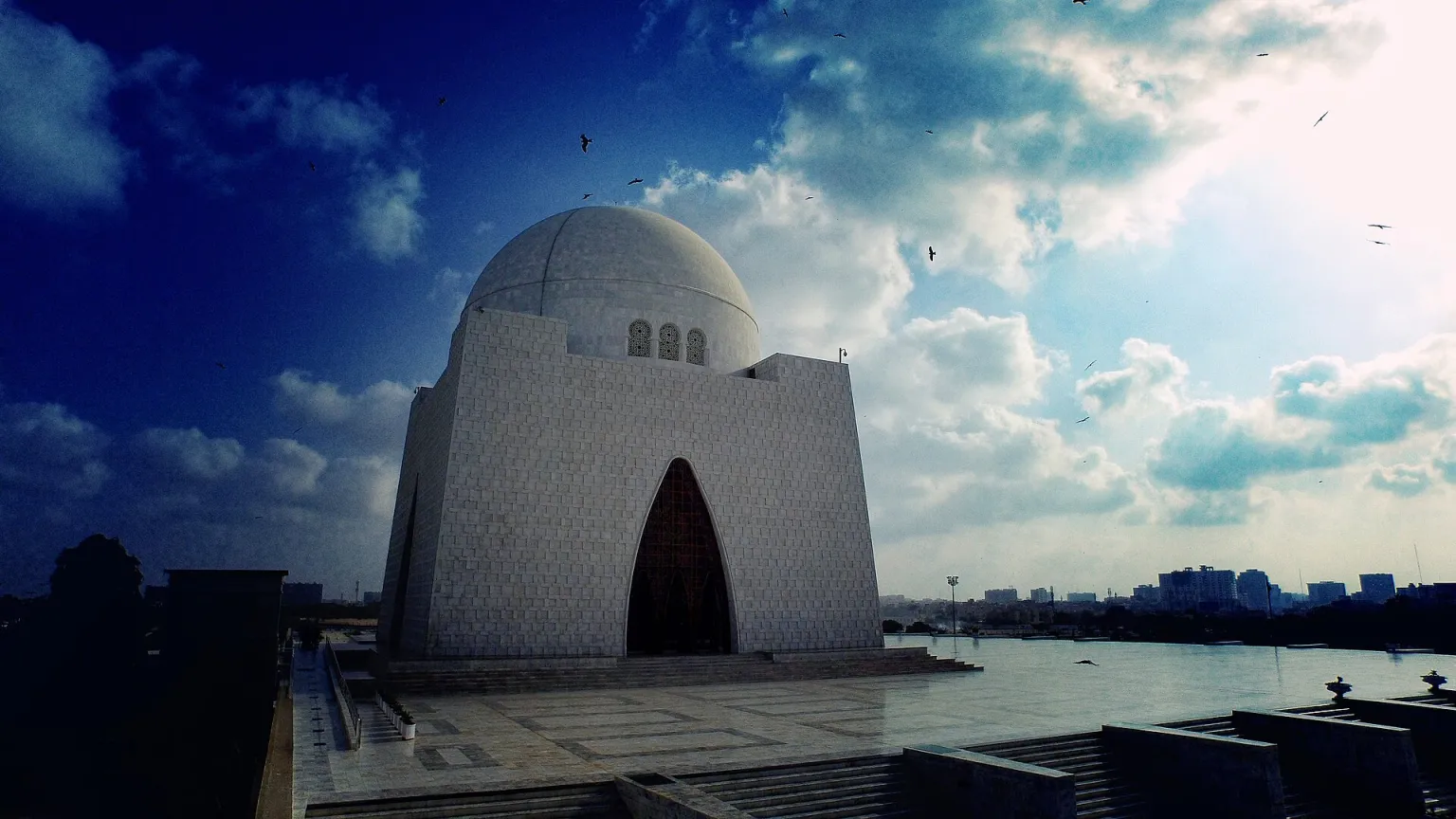
Mazar-e-Quaid, Karachi
About the Quaid-e-Azam
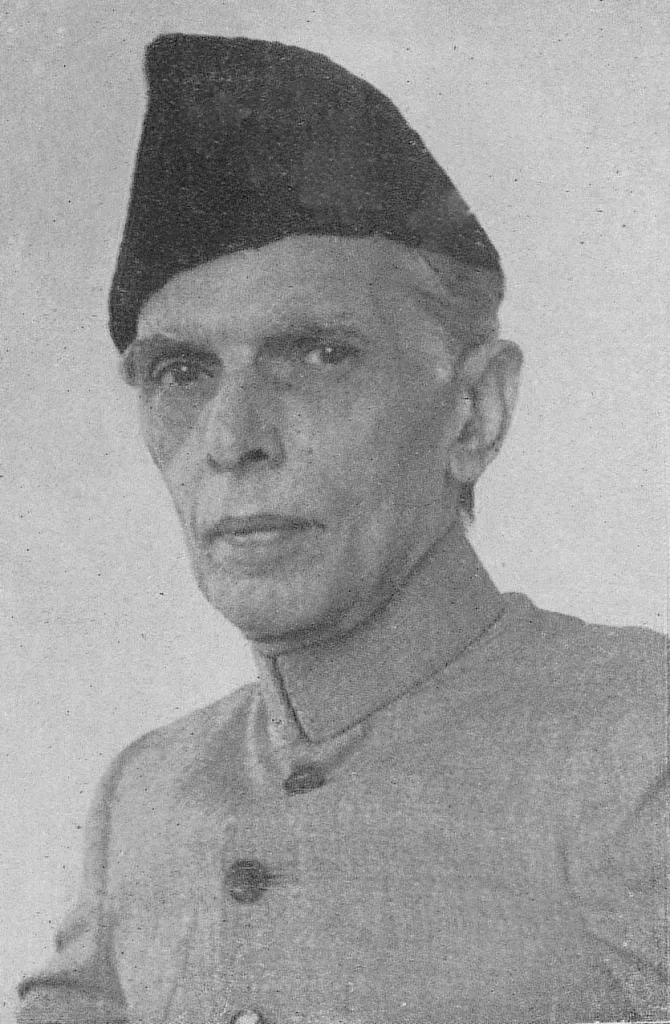
Muhammad Ali Jinnah is honoured in Pakistan as the Quaid-e-Azam, the ‘Great Leader’, and as the founder of the state. Born in Karachi in 1876, he trained as a barrister in London and became one of the most successful lawyers in Bombay before entering politics.
For much of his early career Jinnah worked for cooperation between the Indian National Congress and the All-India Muslim League, and he was once celebrated as an advocate of Hindu–Muslim unity. From the late 1920s he grew convinced that Muslims needed firm constitutional guarantees, and in the 1930s he rebuilt the Muslim League into a mass party. Under his leadership the League adopted the Lahore Resolution in March 1940, which became the basis of the demand for Pakistan.
When Pakistan came into being on 14 August 1947, Jinnah became its first Governor-General. Already gravely ill, he died in Karachi on 11 September 1948, barely thirteen months later. His birthday, 25 December, is a public holiday, and his mausoleum, Mazar-e-Quaid, is the best-known landmark in Karachi.
Life at a Glance
25 December 1876
Birth in Karachi
Born in Wazir Mansion in Kharadar, the old merchant quarter of Karachi. He goes to school at the Sind Madrassa and the Mission School.
1892–1896
London and Lincoln's Inn
Leaves for England at 16; admitted to Lincoln's Inn on 5 June 1893 and called to the Bar in 1896, the year he formally changes his name from Jinnahbhai to Jinnah.
1906
Into politics
Attends the Calcutta session of the Indian National Congress as private secretary to its president, and builds a leading legal practice in Bombay.
1913
Joins the Muslim League
Joins the All-India Muslim League in March while remaining in Congress, working for joint Hindu–Muslim constitutional demands such as the Lucknow Pact.
1928–1929
The Fourteen Points
After the National Convention of December 1928 he parts ways with Congress, and in 1929 sets out his Fourteen Points for safeguarding Muslim rights.
1934
Leader of the League
Returns from a long stay in England, reorganises the Muslim League and is elected its permanent president.
March 1940
The Lahore Resolution
At the League's annual session in Lahore, the demand for independent Muslim-majority states, soon called Pakistan, is formally adopted.
14 August 1947
Pakistan is born
Pakistan becomes independent with Jinnah as its first Governor-General.
July–September 1948
Ziarat and the final weeks
Ill with tuberculosis and advanced lung cancer, he spends the summer at the Residency in Ziarat, moves to Quetta on 13 August and is flown to Karachi on 11 September, where he dies that night.
Karachi, London and Bombay
Jinnah was born in a three-storey house, Wazir Mansion, in Kharadar, close to Karachi's harbour. After schooling at the Sind Madrassa and the Mission School, the teenage Jinnah left for England in 1892, aged 16, and chose to study law.
Records at Lincoln's Inn show his admission on 5 June 1893 and his call papers in the Easter term of 1896. Those years in London, reading law, watching debates and following the careers of Indian politicians in Britain, shaped his lifelong belief in constitutional methods, parliamentary procedure and the rule of law.
Back in India he settled in Bombay, where he built one of the city's leading legal practices. That reputation as an advocate gave him unusual standing when he moved into politics.
From Ambassador of Unity to Leader of the Muslim League
Jinnah entered public life through the Indian National Congress and joined the All-India Muslim League in 1913, for a time belonging to both. He helped bring the two parties together behind a common scheme of reforms in the Lucknow Pact, and for years he was admired as a champion of Hindu–Muslim unity.
The partnership did not last. Jinnah disliked mass civil disobedience, and he broke with Congress after the National Convention of December 1928 rejected Muslim demands. In 1929 he set out his Fourteen Points, a federal constitution, protection for Muslim representation and provincial autonomy among them, and he took part in the Round Table Conferences in London on India's future.
After several years in England, Jinnah returned to lead the Muslim League in 1934. He turned a party of notables into a national movement, and in March 1940 the League's session in Lahore adopted the resolution calling for independent states in the Muslim-majority areas of the north-west and east. Seven years of negotiations followed, through the Second World War and the British cabinet mission of 1946, until the partition plan of 3 June 1947. For the full story see The Pakistan Movement and The Partition of 1947.
Governor-General and Final Year
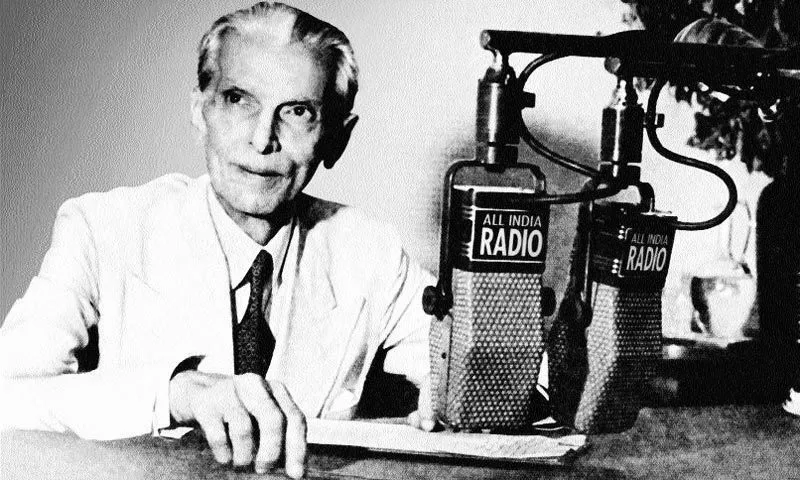
On 14 August 1947 Jinnah became Pakistan's first Governor-General. The new state faced an immense refugee crisis, a war over Kashmir, empty treasuries and government offices that had to be built from nothing in Karachi, the first capital. In his speeches Jinnah returned again and again to unity, discipline and the equal citizenship of all Pakistanis.
He was by then seriously ill, a fact kept largely private. In July 1948 he went to the cool hill town of Ziarat in Balochistan to rest; there doctors confirmed tuberculosis and advanced lung cancer. He was moved to Quetta on 13 August and flown back to Karachi on 11 September 1948, where he died that night, aged 71. He was buried in Karachi, and his sister Fatima Jinnah, who had cared for him and stood beside him in public life, was later buried in the same complex.
Places to Visit Linked to Jinnah
Three sites that trace his life from birth to burial.
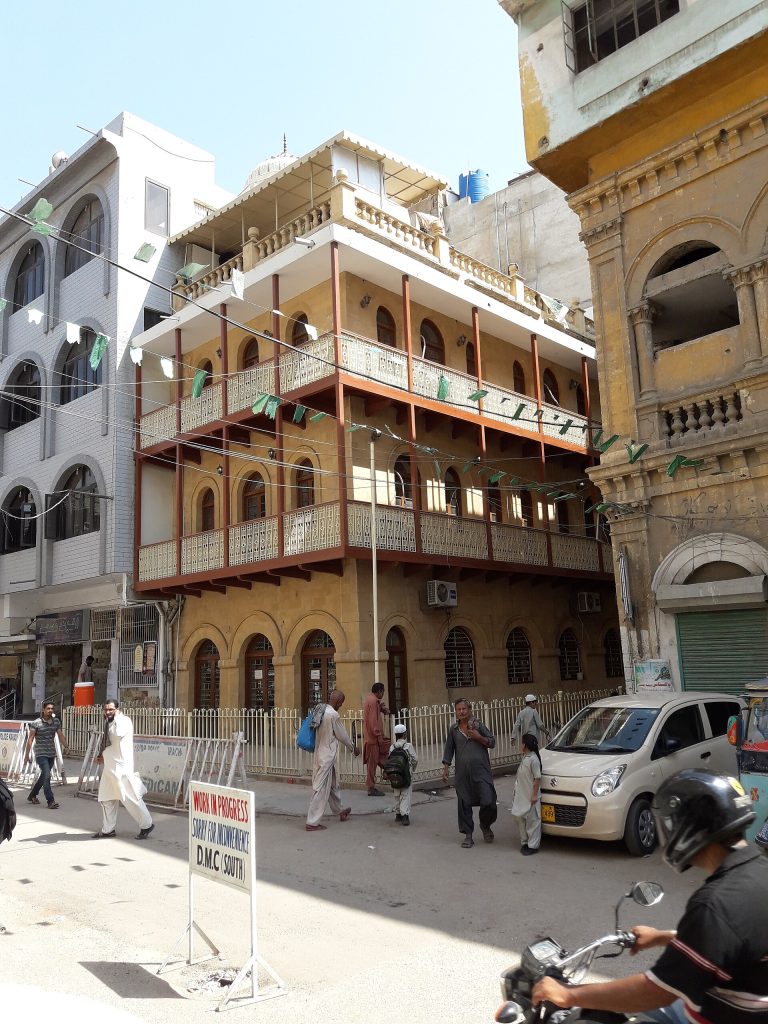 Wazir Mansion, KarachiJinnah's birthplace, a protected monument and museum: a public reading room on the ground floor, his furniture and belongings on the first, and a library on the second.
 Quaid-e-Azam Residency, ZiaratA two-storey wooden house built by the British in 1892 where Jinnah spent his last summer. Gutted in a militant attack on 15 June 2013, it was rebuilt and reopened on 14 August 2014 as a museum.
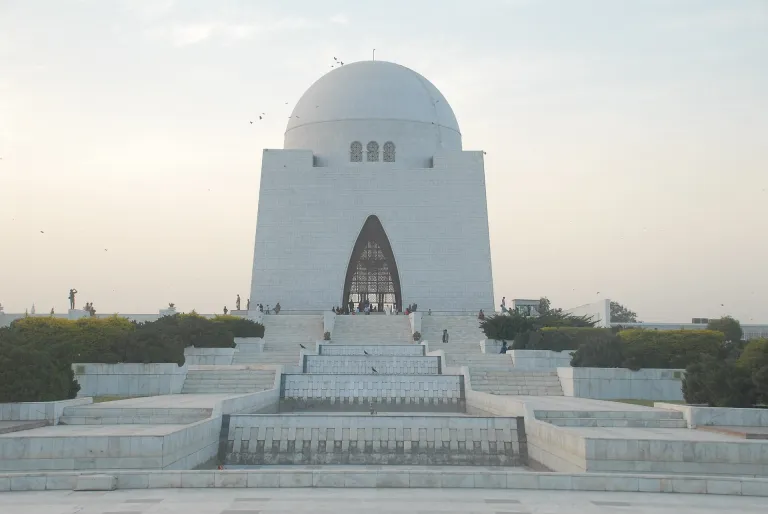 Mazar-e-Quaid, KarachiThe white marble mausoleum designed by Yahya Merchant. Its foundation stone was laid on 31 July 1960 and it was inaugurated on 18 January 1971; Fatima Jinnah and Liaquat Ali Khan are also buried in the complex.
Visiting Tips
National days at the Mazar
23 Mar · 14 Aug · 11 Sep · 25 Dec
Official ceremonies are held at Mazar-e-Quaid on Pakistan Day, Independence Day, Jinnah's death anniversary and his birthday. Expect crowds and security arrangements.
Dress and conduct
Modest and quiet
The mausoleum is a place of national mourning: dress modestly, keep voices low and follow the guards' instructions about photography.
Combine the sites
Kharadar and Jinnah Road
Wazir Mansion is in the old city near the port; Mazar-e-Quaid is a short drive up M.A. Jinnah Road. Ziarat is a separate trip from Quetta.
Check before you go
Opening times vary
Opening hours and access, especially at Ziarat, can change. Check with the site management or local authorities and follow current advisories.
Legacy
Jinnah's portrait appears on Pakistan's banknotes, and countless roads, airports and institutions bear his name. Pakistanis continue to debate what kind of state he intended, a question argued from his speeches by historians and politicians of every outlook. What is not disputed is that, without his leadership between 1934 and 1947, Pakistan would probably not have come into being when and as it did.

Frequently Asked Questions
Why is Jinnah called Quaid-e-Azam?
Quaid-e-Azam means ‘Great Leader’. The title was given to him by supporters during the Pakistan Movement and is used officially in Pakistan.
Where was Muhammad Ali Jinnah born?
At Wazir Mansion in Kharadar, Karachi, on 25 December 1876, the date officially recognised in Pakistan, although Britannica notes some uncertainty about it. The house is now a protected monument and museum.
Was Jinnah a lawyer?
Yes. He was admitted to Lincoln's Inn in London in 1893 and called to the Bar in 1896, then built a leading practice in Bombay.
How and when did Jinnah die?
He died in Karachi on 11 September 1948, aged 71, after suffering from tuberculosis and lung cancer. He had spent the summer in Ziarat and Quetta and was flown to Karachi on the day he died.
Where is Jinnah buried?
At Mazar-e-Quaid, the national mausoleum in Karachi, inaugurated in 1971. His sister Fatima Jinnah and Pakistan's first prime minister, Liaquat Ali Khan, are also buried in the complex.
Keep Exploring
Related places and stories on DailyLife.pk
 ZiaratZiarat travel guide: Quaid-e-Azam Residency, the UNESCO juniper forest biosphere reserve, Prospect Point, tangis, best season
 KarachiKarachi travel guide: Mazar-e-Quaid, Mohatta Palace, Clifton, Burns Road, bazaars, neighbourhoods, Green Line BRT
 QuettaQuetta city guide: Hanna Lake, Urak Valley, bazaars, sajji and dry fruit
 LahoreLahore travel guide: Badshahi Mosque, Lahore Fort, Shalimar Gardens, the Walled City, food streets, neighbourhoods, metro
 The Pakistan MovementThe Pakistan Movement explained: Sir Syed and Aligarh, the Muslim League (1906), Iqbal's 1930 address
 The Partition of 1947The 1947 Partition of British India: the 3 June Plan, the Radcliffe Line
How we know this
- Type Historical & cultural research
- Sources 8 (2 official/academic)
- Reviewed October 2026
- Disputed points None
8 sources
- Mohammed Ali Jinnah, Encyclopaedia Britannica
- Jinnah archive material, The Honourable Society of Lincoln's Inn
- Muhammad Ali Jinnah [1876–1948], Iqbal Academy Pakistan
- Wazir Mansion (Quaid-e-Azam Birth Place), Karachi, Culture, Tourism, Antiquities & Archives Department, Government of Sindh
- Summer home where Pakistani founder spent final days lives on as monument to his memory, Arab News Pakistan
- Partition of British India (education resource), The National Archives (UK)
- Quaid-e-Azam Residency (used to locate sources), Wikipedia
- Mazar-e-Quaid (used to locate sources), Wikipedia
Photo credits (8)
- Mazar-e-Quaid Karachi.jpg, Furqanlw, CC BY-SA 4.0, via Wikimedia Commons
- Mausoleum of the Quaid-e-Azam Muhammad Ali Jinnah medium View.JPG, MunawarAhmed7, CC BY-SA 4.0, via Wikimedia Commons
- Jinnah1945a.jpg, Photographer not known, Public domain, via Wikimedia Commons
- Jinnah announces the creation of Pakistan over All India Radio.jpg, Unknown authorUnknown author, Public domain, via Wikimedia Commons
- Quaid e Azam Residency Ziarat.jpg, Hamzaniazii, CC BY-SA 4.0, via Wikimedia Commons
- Wazir Mansion, Kharadar 05.jpg, Ghazala Shah, CC BY-SA 4.0, via Wikimedia Commons
- Minar-e-Pakistan with waving national flags.JPG, Susmanhamza, CC BY-SA 3.0, via Wikimedia Commons
- Allama Iqbal.jpg, Iqbal Academy Pakistan, Public domain, via Wikimedia Commons
