
Ingredients & Spices · The complete guide
Lamb Kidneys (Gurday): BuyTrim and Cook Them Well
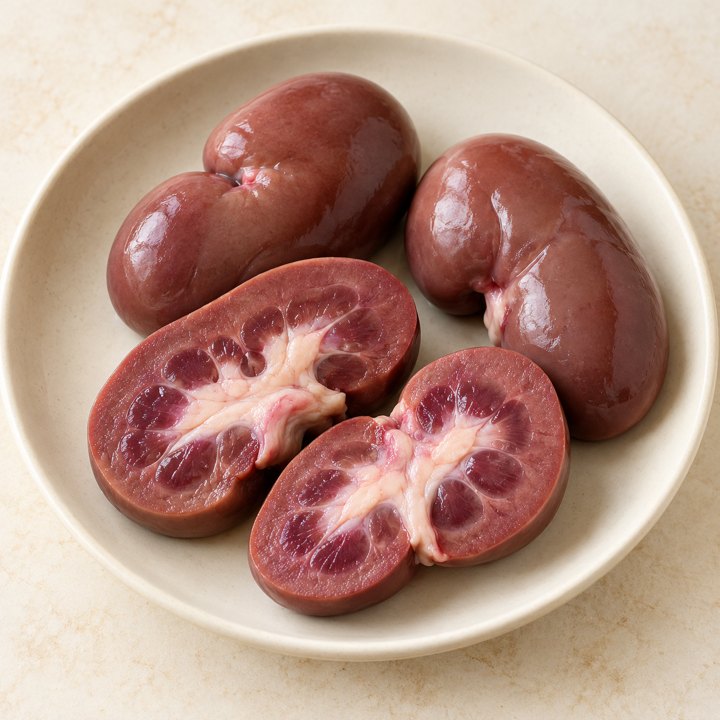
Lamb kidneys, called gurday, are compact organs with a firm outer surface and a stronger savoury character than ordinary lamb pieces.
Know what gurday will bring to the meal
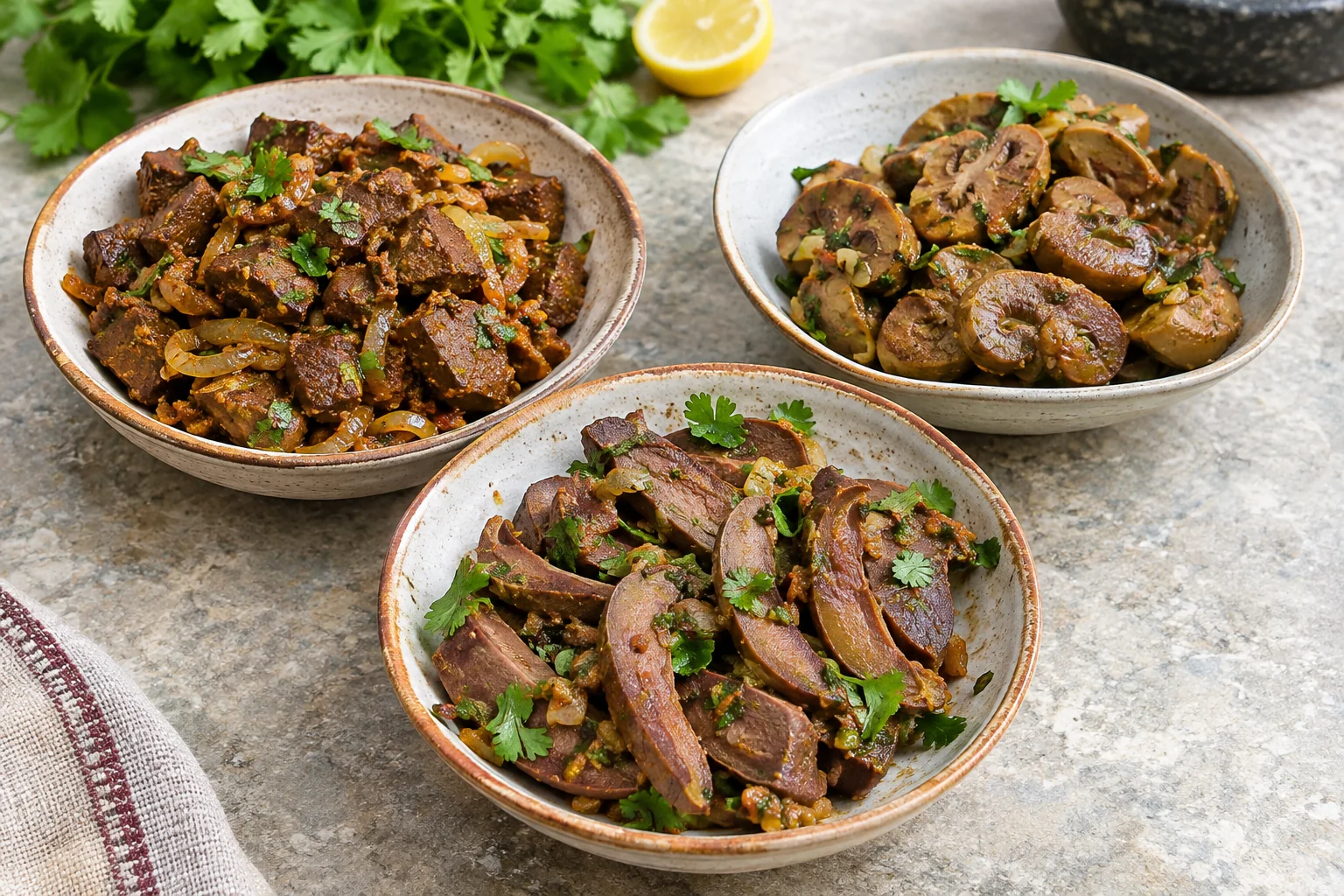
Lamb kidneys, called gurday, are compact organs with a firm outer surface and a stronger savoury character than ordinary lamb pieces. They suit a small gurday masala, a carefully cooked mixed kaleji-gurday preparation or a sliced dish with onions and green chilli. Their small size does not mean they can be treated casually: the tough central tissue needs attention and the centre of every piece must be safely cooked.
Kidneys are a useful option when the family enjoys their flavour and a reliable chilled seller is available. They are a poor fit when the meal needs a mild taste, when the cook has no time to trim them or when a guest has been told to limit high-purine foods. They do not have to be part of a healthy diet. Choose the ingredient because it works for the dish and the eater, rather than because eating an organ is claimed to strengthen the corresponding human organ.
Buy a manageable quantity with a clear cold chain
Ask whether the kidneys are lamb, goat or a larger animal; size and the central structure influence how they are cut. Request a separate chilled package and ask whether the outer membrane, attached fat and central white tissue have been removed. A lower price before trimming may not be a better value after the unwanted material is discarded. Buy for a planned number of servings instead of taking a large mixed organ bag because it is available.
Choose clean food-grade product from a seller who stores it cold and can explain its origin and preparation. Do not rely on a shiny surface, red colour or an absence of smell as a safety certificate. Reject product with clearly spoiled odour or questionable handling, and do not attempt to cover the problem with spices. Bring it home in a cool bag and put it in a covered container low in the refrigerator, where leakage cannot reach ready-to-eat food. Shop for herbs and vegetables first so raw kidneys have less travel time.
Preparation and cooking: match the exact part
Open each kidney lengthways on a raw-meat board. Lift or cut away the tough white central core and any attached tubes or excess fat, taking care with the knife. Remove the thin outer membrane if present. Trimmed halves or evenly sized pieces are easier to cook evenly than whole kidneys of mixed sizes. If you are unfamiliar with the task, ask the butcher to demonstrate or supply them already prepared; that is more useful than guessing around the central tissue.
Some recipes soak kidneys to soften the flavour. Treat this as optional recipe preparation, not decontamination: use a covered refrigerator container and discard the liquid. Long soaking at room temperature is unsafe, and vinegar, salt or milk does not reset the storage clock. There is no reason to spray the ingredient around the sink. Keep raw juices contained, clean tools after trimming and prepare salad and garnishes on a separate clean board. A strong flavour can be normal; a distinctly spoiled smell is a reason to reject the food.
Cook the onion, ginger, garlic and spice base first, according to the chosen recipe, so the kidneys do not spend unnecessary time waiting in the pan for raw onions to soften. Add evenly cut kidneys in a manageable batch. Stir and turn so the heat reaches all sides, adjusting the flame if the sauce catches. A recipe designed for kidneys is more reliable for texture than simply adding them at the start of a long lamb curry.
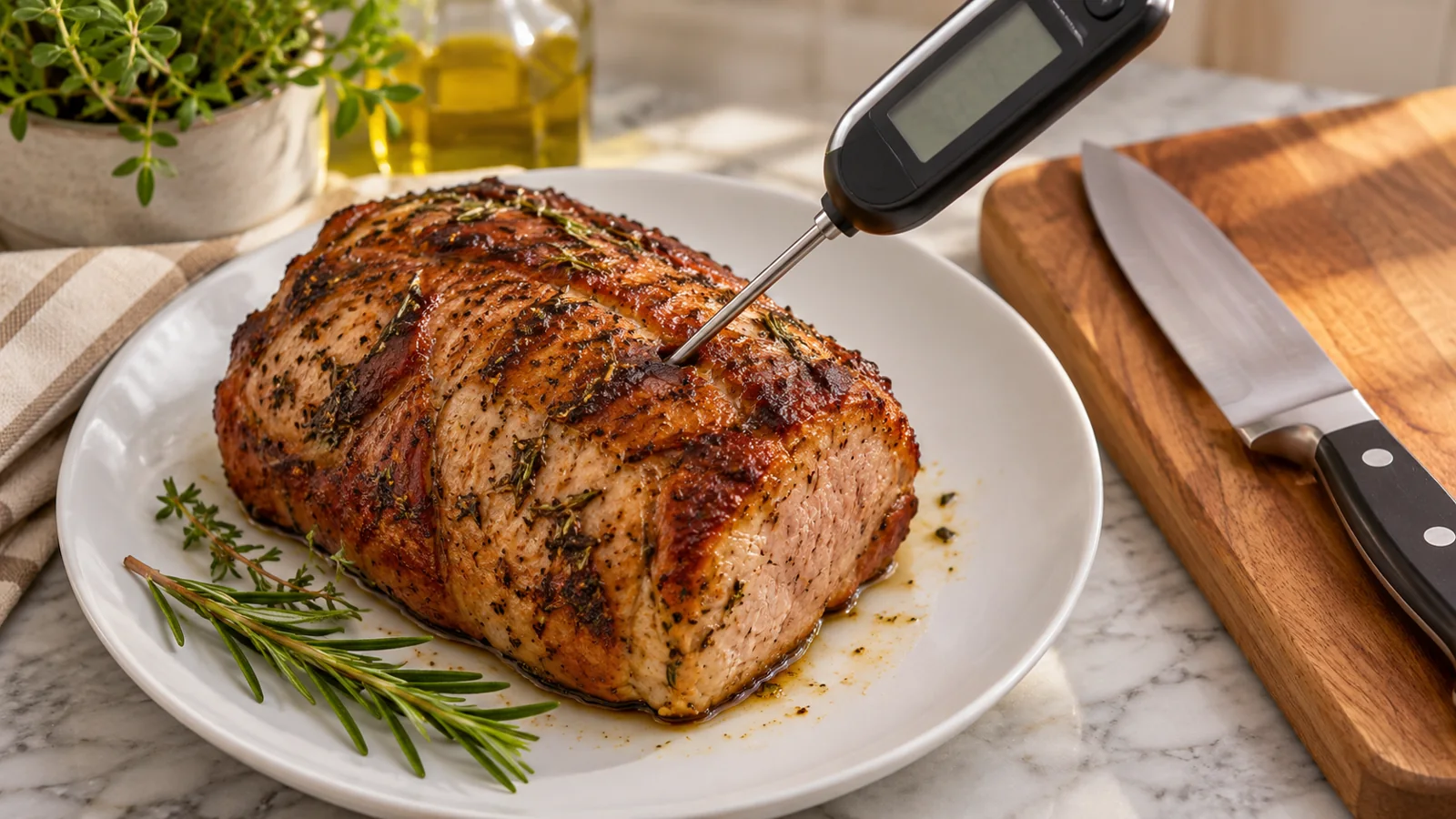
Check the centre of a thick piece with a suitable thin-probe thermometer. USDA's organ-meat advice for red meats, including lamb, is 160°F (71.1°C), commonly rounded to 71°C. See the USDA organ-meat temperature guidance. The surface browning and the absence of visible raw juices are not adequate measurements. If liver and kidneys share a finished dish, cook them in stages suited to each, or separately before combining; the fact they were sold together supplies no universal frying time. Extended cooking can make kidneys rubbery, so aim for safe even cooking and stop unnecessary additional heat once that goal is met.
A kidney recipe should describe what is meant by a trimmed piece. If it assumes a whole kidney while your supplier has supplied small diced pieces, the schedule may not give the same texture. Ask for a size suitable for the method, and keep notes on the cut rather than treating every cooking time as an ingredient property.
Understand benefits without making kidney-health claims
Kidneys contribute protein and B vitamins; their nutrient concentration is one reason a small amount can be useful in a varied menu. USDA discussion of edible variety meats notes the nutritional differences between organs. A kidney dish is not nutritionally interchangeable with liver: do not borrow liver's vitamin A claims or assume that every organ has the same balance of nutrients. Nor does the name mean eating kidneys cleanses, repairs or supports a diseased kidney in any special way.
For gout, organ meats are a relevant high-purine category: discuss their place with the treating team. Chronic kidney disease requires an individual eating plan because protein, phosphorus, potassium, sodium and fluid needs can differ by stage and treatment. NIDDK kidney-disease nutrition advice is explicit that there is no single plan for everyone. If a clinician has already prescribed restrictions, use those rather than a generic serving rule from a food article. Added oil and ghee, salt and the size of the finished helping still matter even when the organ itself contains useful nutrients.
Alternatives when this part does not suit the meal

For a milder dish, trimmed boneless lamb or goat can replace the idea of a gurday masala, but use a recipe suited to the muscle cut. Heart is firmer and needs different trimming; liver is softer and has its own retinol limits. When organs are restricted for a medical reason, another organ may not solve the problem. A pulse dish, egg preparation or other protein food can supply meal variety without claiming to duplicate kidney flavour.
Serve sensibly, chill promptly and plan a second use

A small gurday dish can sit alongside roti, vegetables and daal rather than becoming the whole meal. Let diners choose: the flavour is distinctive and not everyone enjoys it. A large oily masala is not made low in fat by removing a little visible kidney fat, and extra salt in achar or stock powder counts toward the same meal. Use herbs, lemon and spices for flavour without automatically adding more salt at every stage.
Raw kidneys have a short refrigerator window: use or freeze within 1–2 days at 4°C or below, following stricter label instructions. Divide cooked leftovers into shallow portions and refrigerate promptly, within two hours or one hour when the air is above 32°C. Safely chilled cooked food generally keeps 3–4 days and should be reheated to 74°C. USDA leftover handling and FDA cold-storage guidance explain the practical rules. Do not taste a doubtful portion to test it. Compare liver and heart before planning a mixed dish, and use the recipe collection with the shared storage guide.
For a mixed organ meal, give each component its own preparation bowl and identify the clean serving plate in advance. Cook the onions and spices before adding delicate pieces. Holding raw kidneys beside the stove while another dish finishes adds warm exposure without improving flavour; leave them refrigerated until the next stage is ready.
Plan the purchase, portions and table
Plan the complete meal before deciding how much to buy. Account for trimming and bone separately from edible food, and consider whether leftovers can be cooled and stored within the available refrigerator space. A smaller well-prepared batch can be easier to serve promptly than a large pot held while guests arrive. Keep salad, chutney and bread preparation separate from raw work, then bring clean serving tools to the table. Let the distinctive texture of the ingredient guide how it is cut and served.
Choose a recipe for this ingredient and form
Read the complete recipe before shopping and match its animal, exact part and raw or pre-cooked form. Prepared usable weight is more useful than the untrimmed package weight. A recipe title does not replace the buying and safety checks in this guide. Follow the appropriate species and ingredient endpoint, then assess the eating texture separately. These existing recipe and pantry links can help select a method:
Names and forms: specify the actual ingredient
Gurday means kidneys in this context. Whole, halved, trimmed and diced kidneys are different preparation forms. Check whether membrane and the tough central tissue have been removed. A mixed kaleji-gurday order contains two organs whose preparation, texture and nutritional cautions should remain separately understood.
Frequently Asked Questions
Does eating kidney improve human kidney health?
Kidneys provide protein and B vitamins but eating them does not cleanse or repair human kidneys. People with gout or kidney disease should follow their own clinical diet advice.
How should lamb kidneys be trimmed before cooking?
Remove the membrane where present and cut away the tough central white tissue. Any optional flavour soak must stay refrigerated and does not make raw kidneys safe without cooking.
How should I store the raw ingredient and cooked leftovers?
Keep the identified raw ingredient chilled and follow the supplier's stricter instructions. Raw organs generally need using or freezing within 1–2 days at 4°C or below. Cool cooked food in shallow portions within two hours, or one hour above 32°C; safely chilled cooked leftovers generally keep 3–4 days. Reheat thoroughly to 74°C.
Keep Exploring
Related places and stories on DailyLife.pk

How we know this
- Type Explainer
- Sources 7 (5 official/academic)
- Reviewed November 2026
- Disputed points None
7 sources
- USDA AMS: institutional meat purchase specifications
- FAO: livestock domestication and diversity
- OECD–FAO: meat production and trade context
- FoodSafety.gov: safe minimum internal temperatures
- FoodSafety.gov: cold food storage chart
- USDA FSIS: lamb from farm to table
- USDA FSIS: safe temperatures for beef and organ meats
