
Ingredients & Spices · The complete guide
Lamb and Dumba Fat: BuyingCooking, Benefits and Storage
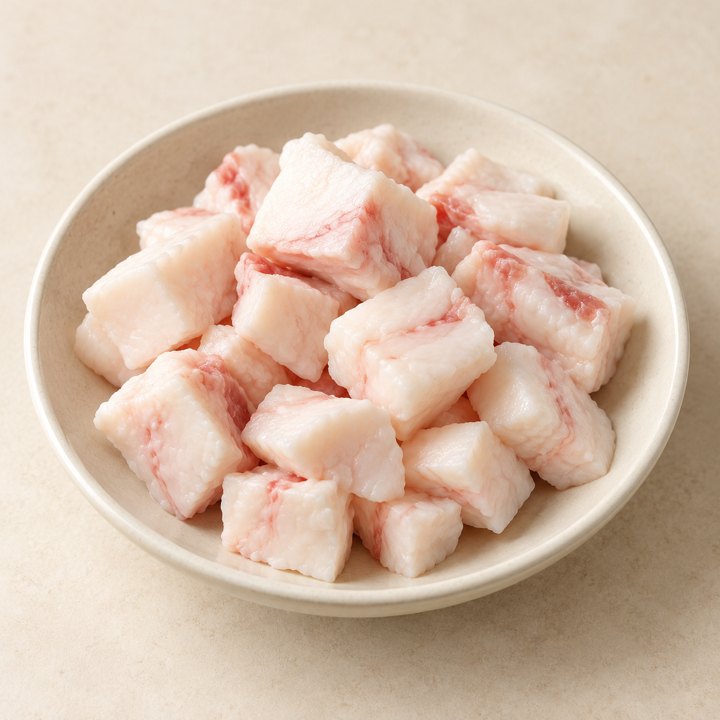
Lamb fat is an ingredient used for flavour, lubrication and browning. Dumba tail fat is a distinct fat deposit from fat-tailed sheep; suet around the kidneys and ordinary exterior trimming are different sources with different textures.
Identify the cut and its best uses
Lamb fat is an ingredient used for flavour, lubrication and browning. Dumba tail fat is a distinct fat deposit from fat-tailed sheep; suet around the kidneys and ordinary exterior trimming are different sources with different textures. Ask what is being sold rather than treating every white piece as the same product. Fat can be useful in namkeen gosht, a measured kebab mixture or a traditional dish, but it is not a substitute for lean meat’s protein.
Order, trim and prepare the right meat

Ask for tail fat, kidney fat or ordinary trimming explicitly and confirm whether it is fresh, chilled and suitable for the recipe. Request it separately from the meat so you can control the amount and compare the weight honestly. Avoid buying an unspecified mixed bag because it is cheap if you do not know how you will use it. Clean protected handling and a reliable cold chain matter here as they do for meat. Colour alone cannot prove safety or origin.
Select protected chilled stock and take it home directly, using an insulated bag and cold packs where needed. Ask whether the price is before or after trimming and whether substitutions are permitted on a delivery order. A clean counter matters, but it does not prove a complete cold chain. Smell and colour cannot establish safety, and spices cannot rescue meat with an uncertain handling history. For Eid distribution or a large meal, arrange refrigerator space and transport before collecting the order.
Keep fat cold so it is easier to trim and cut into small even pieces. Remove obvious meat scraps or tough tissue according to the recipe and use a stable board. If using a mincer, follow hygienic handling and keep the mixture chilled. Set out a dry pan and a heatproof container before rendering. Water meeting very hot fat can spit dangerously, so keep utensils dry and add any recipe liquid deliberately at the appropriate stage.
Wash hands before and after raw-meat handling and clean the board, knife and worktop before preparing ready-to-eat food. Use separate utensils for raw and cooked batches. Keep marinating meat refrigerated: salt, yogurt, lemon and spices do not replace chilling. The FoodSafety.gov four-step guidance recommends cleaning, separating, cooking and chilling as complementary controls.
Cook for the texture this cut needs
For small-scale rendering, place evenly cut fat in a heavy pan over gentle heat and allow it to melt gradually, stirring as needed. Some tested methods begin with a small measured quantity of water to prevent early scorching; follow the chosen method rather than adding water to hot rendered fat suddenly. Avoid smoking the fat. The aim is a clean flavour, not a burnt crust. Strain carefully into a clean heatproof container and handle it as hot cooking fat.
In namkeen gosht or karahi, begin with the quantity in the recipe and reduce additional oil if the meat itself is fatty. For kebabs, distribute the selected fat through chilled mince instead of adding a large lump that melts out unevenly. A large piece stirred into finished gravy will not instantly disperse. Taste and texture preferences vary, so use a small test batch when trying tail fat for the first time. Record the amount that gives the result you want.
The FAO guide to cuts and cooking methods explains why tender muscles suit dry heat while connective-tissue-rich cuts need moist cooking. Use time estimates to plan the meal and observation to adjust the cooking; neither a dramatic flame nor extra oil substitutes for matching the method to the cut.
Benefits, fat and realistic portions

Fat is primarily a culinary ingredient and concentrated energy source; it does not offer the same protein, iron and B12 contribution as a serving of lean muscle. Lamb and dumba fat contain saturated fat, and routinely adding large amounts can work against a balanced meal. Use a deliberate measured amount, choose leaner meat where suitable and share the plate with vegetables, pulses and grains. There is no established reason to describe tail fat as a treatment for weakness, joint problems or immunity.
The NHS meat guidance recommends leaner choices, trimming visible fat and avoiding unnecessary added fat. The important variables are the cut, trimming, portion and cooking method; goat and sheep cannot be ranked universally by healthfulness from their names alone. Tail fat is best judged by its role in the recipe and the amount used, rather than by claims of special healing properties.
If you eat red meat, World Cancer Research Fund’s cancer-prevention recommendation is about 350–500 g cooked red meat per week, with little, if any, processed meat. This is a population cancer-prevention recommendation, not a Pakistani nutrient allowance or a reason to reach a minimum meat intake. Include all red meats when considering the week.
Choose a replacement by muscle and method
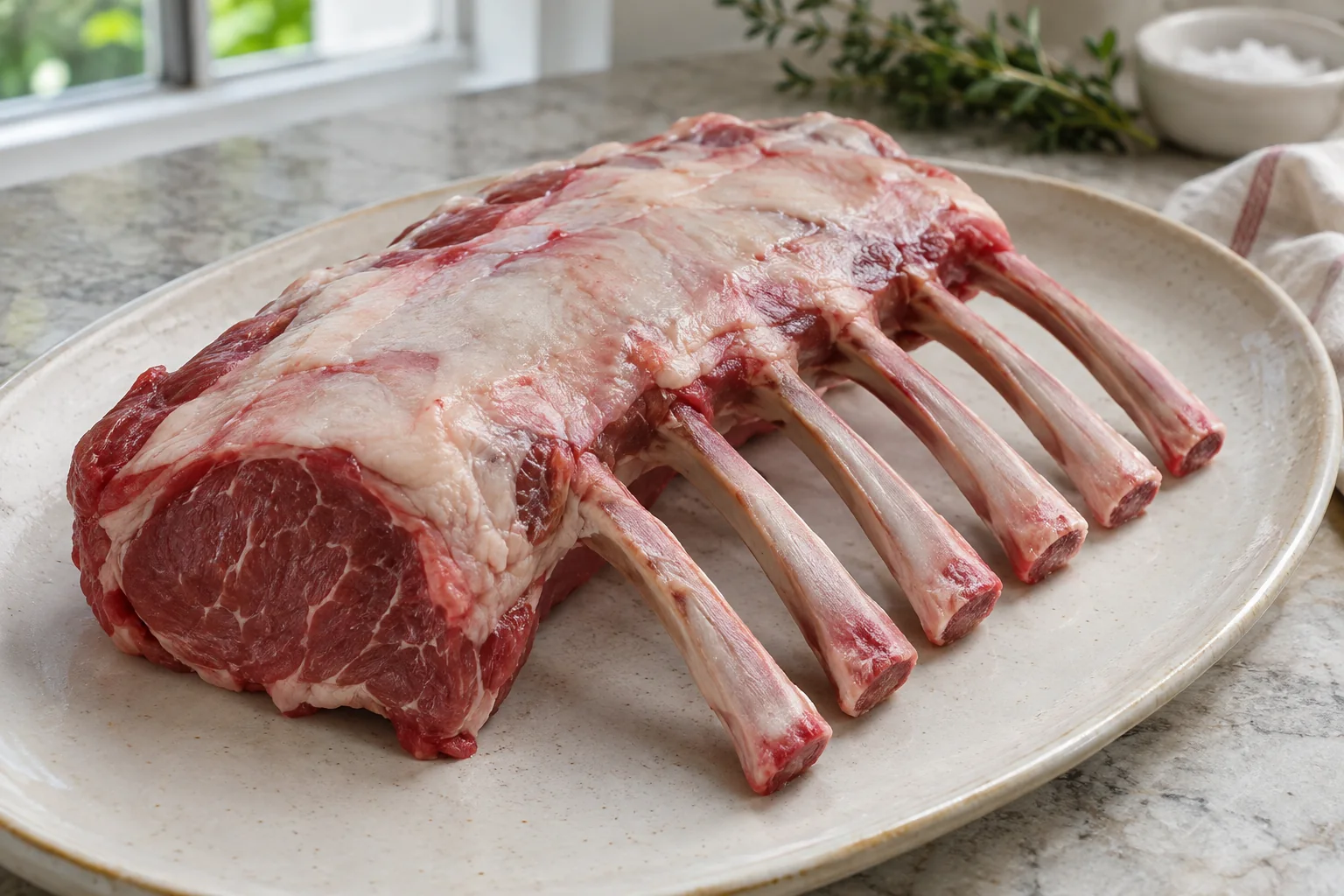
Neutral oil can lubricate a curry without sheep flavour, while ghee introduces a dairy character. In a kebab, solid chopped fat melts differently from liquid oil, so a direct swap may alter binding and texture. Use a reformulated reliable recipe or test a small cooked portion. Replacing one fat with another does not make unlimited amounts advisable; quantity and the whole dish still matter.
Measure safety and protect the cold chain
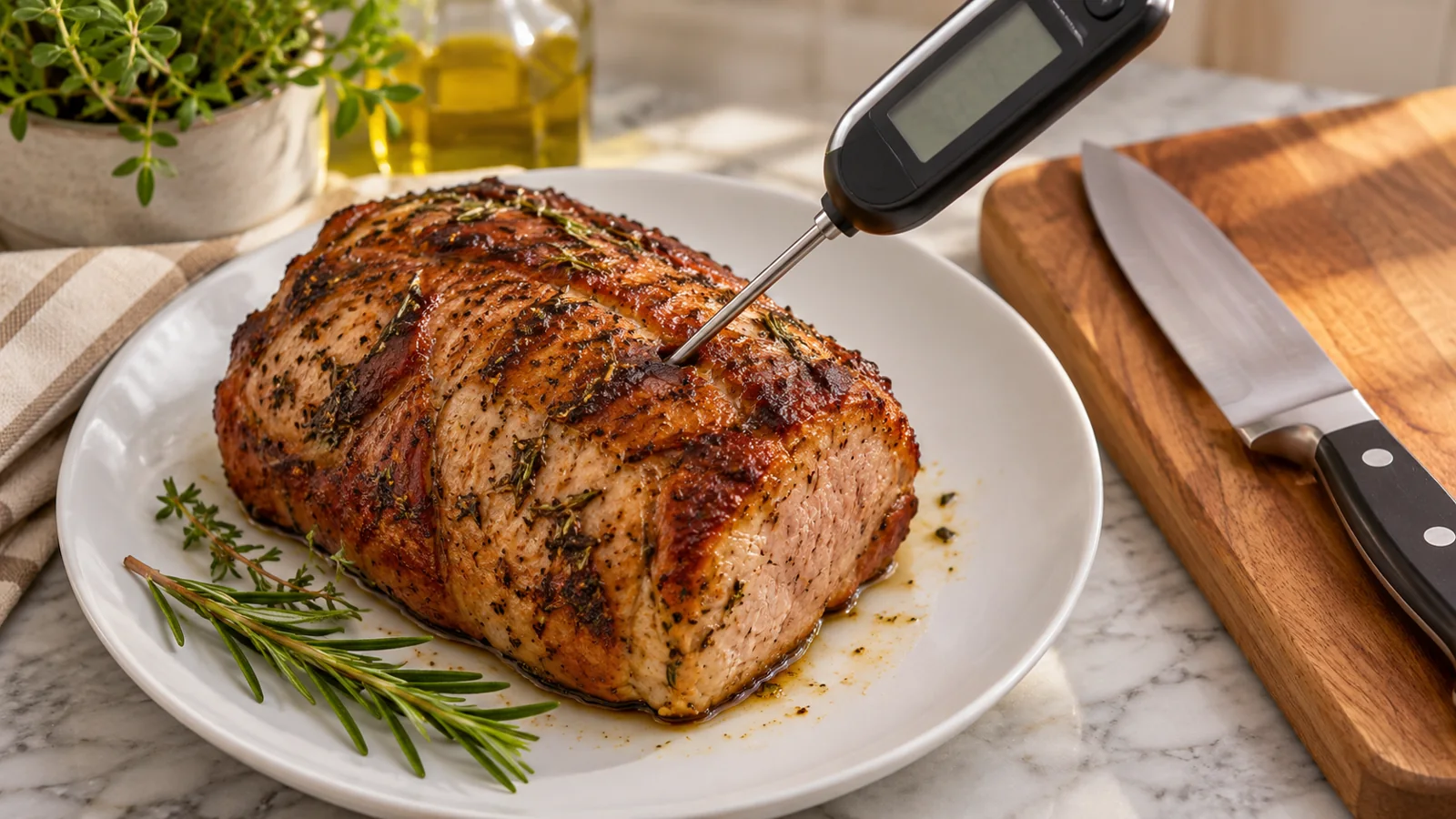
Raw fat can carry meat tissue and contamination from handling. Render it using a reliable method and prevent raw scraps from contaminating the finished fat. If it is mixed into mince, the entire ground-meat mixture must reach 71°C. Treat meat-containing rendered fat as perishable rather than assuming it can sit indefinitely on a warm kitchen shelf. These endpoints are from FoodSafety.gov’s safe minimum temperature chart. Colour, clear juices and a browned crust are unreliable substitutes for a thermometer. Reheat cooked leftovers to 74°C throughout. Keep the probe clean between checks on raw and cooked food.
Keep fresh raw fat covered at 4°C or below and use it promptly; freeze recipe-sized portions if you will not use it soon. Its remaining meat tissue and handling history make a universal room-temperature shelf-life claim inappropriate. Chill homemade rendered fat and use clean dry utensils. See the FoodSafety.gov cold-storage chart for the distinction between whole cuts and mince. Store raw packs in a leakproof container on the lowest shelf, away from cooked food. A freezer should be at −18°C or below.
Thaw in the refrigerator in a tray that catches drips. For quicker thawing, use a sealed bag in cold water changed every 30 minutes, or the microwave, and cook immediately afterwards. Never thaw on a warm counter. Refrigerate cooked meat in shallow portions within two hours, or within one hour when the surroundings are above 32°C; use within three to four days. Do not leave a large pot or whole roast out overnight to cool. These are FoodSafety.gov chilling principles, particularly useful in hot weather and during Eid.
Solve texture problems and serve usefully
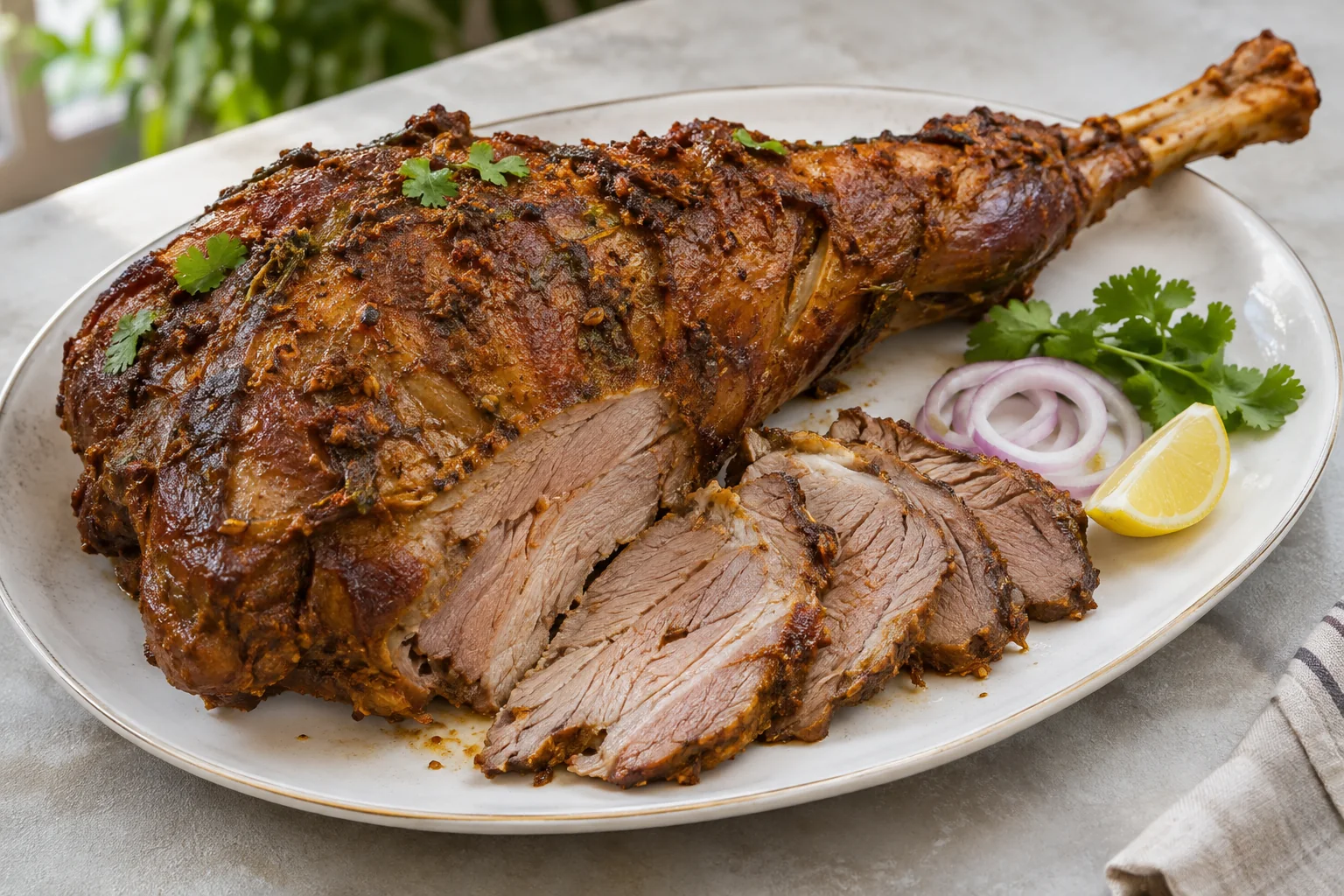
A waxy or overly greasy mouthfeel can improve by reducing the quantity and serving the dish hot. It does not mean the meat requires more chilli or salt. Scorched rendered fat carries a bitter flavour that spices cannot reliably hide; avoid overheating in the first place. Liquid fat remains energy-dense even when it looks clear. Skimming a chilled stew removes some fat, but does not make a fatty recipe equivalent to a lean one. For a lighter dish, reduce fat at the buying and cooking stages.
For a practical comparison, cook the same recipe with a smaller measured quantity of fat and judge the texture before adding more. A spoonful added at the start can distribute differently from an equal amount poured over the finished dish. Keep notes on the meat, fat, oil and serving temperature so the next attempt is repeatable. There is no need to make a dish extremely greasy to preserve its traditional flavour.
Choose a recipe that matches the cut

Choose a reliable recipe whose named cut and preparation match the meat you have. Weigh the prepared meat after any stated boning or trimming stage, because raw purchased weight and ready-to-cook weight are different. Keep the recipe’s own liquid and equipment guidance, then use tenderness and temperature checks to adapt to the actual batch.
When a recipe offers a substitute, compare the source muscle, bone, fat and desired texture before changing the main ingredient. Do not carry a quick-cooking schedule into a long-braising cut merely because both are called mutton.
Make recipe names and butcher orders precise
Names such as mutton, boti, chaamp and raan describe trade usage or preparation and do not provide a full specification. For this guide, order lamb and dumba fat and state the animal, source cut and intended dish. Keep those details on the freezer label. When using a mixed pack, identify the different pieces before choosing a cooking method.
A photograph can show a raw cut or one prepared result, but it cannot certify the contents of a shop order. Ask the butcher to show the selected meat before cutting and confirm any substitutions. Use the meat guide index and household buying and handling guide when planning another cut.
Frequently Asked Questions
Can I replace chopped lamb fat in a kebab with liquid oil?
A direct swap can change texture because solid chopped fat disperses and melts differently from liquid oil. Use a recipe designed for the substitute or test a small fully cooked portion. Do not add large quantities of oil merely because a lean kebab feels dry.
What should I check before buying lamb fat for these recipes?
Identify tail fat, kidney fat or general trimming, and ask for a fresh chilled food ingredient from a reliable seller. Buy it separately so the amount is clear. Reject an uncertain handling history; appearance and spices cannot establish that raw fat is safe.
What is a practical substitute for lamb fat?
Neutral oil can suit a curry, while ghee brings a dairy flavour. Neither automatically duplicates solid lamb fat in a grilled kebab mixture. Adjust the recipe and test a cooked portion, keeping the total added fat moderate regardless of the replacement.
Keep Exploring
Related places and stories on DailyLife.pk
How we know this
- Type Explainer
- Sources 6 (3 official/academic)
- Reviewed November 2026
- Disputed points None
