
Ingredients & Spices · The complete guide
Oil or ghee
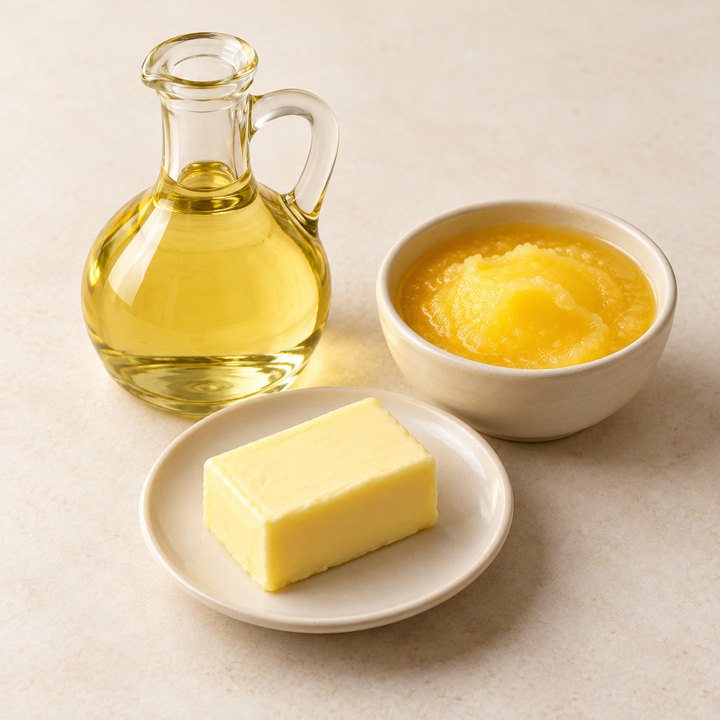
Oil or ghee is an explicit choice between cooking fats, rather than a single ingredient. Neutral vegetable oil and dairy ghee both lubricate and carry flavours but differ in aroma, fat composition and behaviour when cool.
What it is and what to ask for
Oil or ghee is an explicit choice between cooking fats, rather than a single ingredient. Neutral vegetable oil and dairy ghee both lubricate and carry flavours but differ in aroma, fat composition and behaviour when cool.
Confirm whether a product labelled ghee is dairy ghee or vegetable ghee. For an oil option, identify the actual oil and whether it suits the heating method.
History, production and the Pakistan context
The alternatives come from separate histories: oilseed processing and milk-fat clarification. Pakistani recipes offer both because households balance flavour, cost and availability.
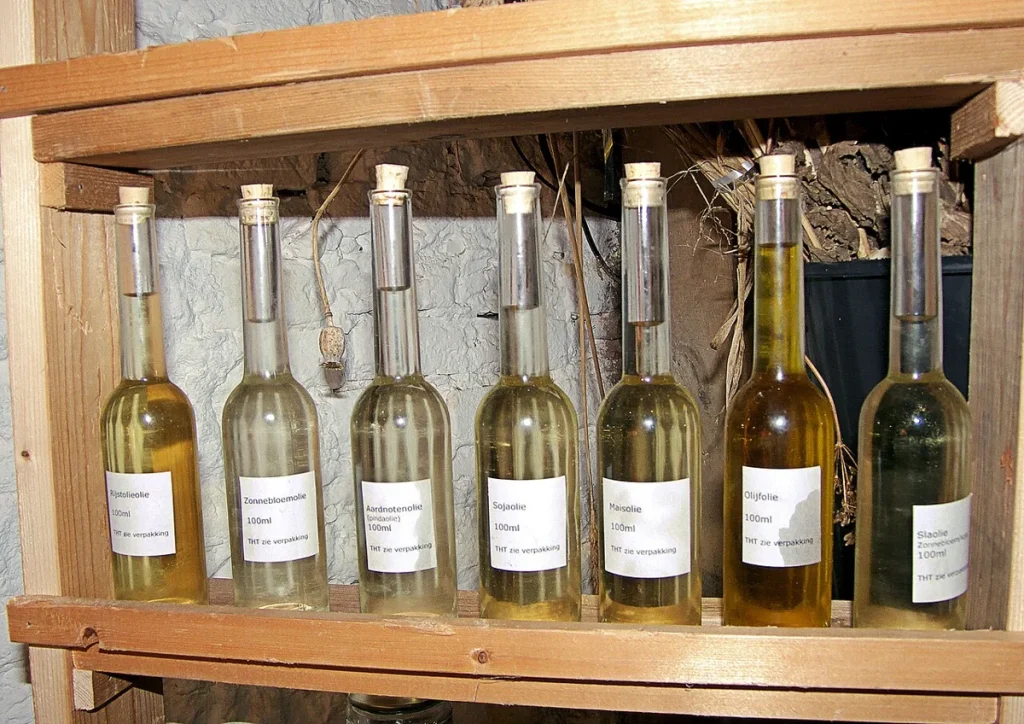
Pakistan manufactures and imports edible oils and produces dairy ghee. International supply may involve oilseeds from one region and dairy fat from another, so a combined origin claim would be misleading.
How to use it successfully
For paratha, a small measured quantity of ghee gives characteristic aroma, while oil stays more fluid as the bread cools. In tadka, choose the flavour deliberately rather than assuming every oil is neutral.
Changing the fat can alter the texture of leftovers. Ghee may firm as a paratha cools, while a liquid oil can leave it more flexible; the choice depends on serving conditions as well as taste. Measure both in a comparable way rather than treating a heaped spoon of solid fat as equal to a small measured spoon of oil.
Nutrition, benefits and limits
Dairy ghee is rich in saturated fat; many neutral oils supply more unsaturated fat. Neither option is calorie-free, and a milk allergy makes the ghee choice materially different.
Choosing a replacement
Butter can work for a low-heat finish but adds water and browning milk solids. A strongly aromatic oil can dominate a dish that expects neutral oil or ghee.
When changing a cooking fat, compare flavour, water content, solidity and the method of heating. Preserve the recipe’s functional balance rather than only the apparent spoonful size. A substitute should meet the household’s actual dietary requirement, and its own food-grade and storage instructions remain relevant even when the quantity is small.
Safe handling and storage
Identify the actual fat before applying a storage rule. Butter, clarified dairy ghee, raw lamb trimmings and rendered animal fat differ in water content and processing. Follow the producer’s directions, keep utensils clean and dry, and do not store a homemade fat indefinitely at room temperature simply because a commercial sealed product permits cupboard storage.
Solid and liquid fats measure differently and may behave differently after a cooked dish cools. Butter contains water and milk solids, while clarified fat is more concentrated; rendered meat fat brings a distinct savoury aroma. Use the recipe’s specified form and amount, and avoid overheating until the fat smokes. Rendering improves usability but is not a way to rescue rancid or badly handled raw material.
Fat contributes tenderness, flavour delivery and richness, but it is not a substantial protein serving. Consider saturated fat and the overall meal when choosing portions. Dairy-derived fats remain relevant to milk allergy even when lactose is low. A fat described as natural, desi or traditional is not automatically lower in energy or suitable for every dietary requirement. Keep flavours and nutritional claims separate when comparing dairy ghee, vegetable oils and animal fats.
Planning, portions and serving
The choice can be made by the dish's purpose: ghee may be especially noticeable in a plain roti or finishing tadka, while a neutral oil lets a strongly spiced curry remain less dairy-forward. Cost and dietary preferences can also matter. Keep the total amount measured in either case. If cooking for a milk-allergic guest, use a verified suitable oil and clean utensils rather than assuming clarified dairy fat is acceptable.
Recipes and pantry links
Use oil or ghee according to the form specified in the linked recipe: raw versus cooked, bone-in versus boneless, sweetened versus plain, and the stated cut or processing style all affect the result. The ingredient discussion above explains which differences matter most here. Read the complete recipe before shopping, then measure the prepared usable quantity rather than assuming every package has the same yield.
- Aloo Paratha
- Cheese Paratha
- Khichdi
- Daal Chawal
- Nihari
- Seekh Kebab
- Bun Kebab
- Daal Moong
- Kachori Nashta
- Malpura
- Mooli Paratha
- Moong Masoor Mix
- Maghaz Nihari
For related ingredient names, local terminology and flavour pairings, browse the Pakistani ingredients and spices pantry guide.
Names and forms used in our recipes
View the recipe names covered by this guide
- butter or oil
- ghee or cooking oil
- ghee or neutral cooking oil
- ghee or neutral oil
- ghee or neutral oil for tawa
- ghee or neutral oil in dough
- ghee or vegetable oil
- melted ghee or butter
- neutral cooking oil or ghee
- neutral oil or ghee
- neutral oil or ghee for optional finishing
- oil or ghee
- oil or ghee available for shallow-frying
Frequently Asked Questions
Can I choose solely by the same spoonful size?
Measure consistently. A heaped spoon of solid ghee is not necessarily equal to a measured spoon of oil, and the fats differ in aroma and saturated-fat content as well as firmness when cool.
What should I check before buying oil or ghee for these recipes?
Confirm whether a product labelled ghee is dairy ghee or vegetable ghee. For an oil option, identify the actual oil and whether it suits the heating method. Match the stated plain or flavoured form and read the storage directions before opening the pack.
What is a practical substitute for oil or ghee?
Butter can work for a low-heat finish but adds water and browning milk solids. A strongly aromatic oil can dominate a dish that expects neutral oil or ghee. Make a small test where binding, melting or a delicate final texture is central, and adjust the recipe rather than treating different ingredients as identical.
Keep Exploring
Related places and stories on DailyLife.pk

How we know this
- Type Explainer
- Sources 6 (2 official/academic)
- Reviewed November 2026
- Disputed points None
6 sources
Photo credits (1)
- Vegetable oils, plantaardige oliën.jpg, Rasbak, CC BY-SA 3.0, via Wikimedia Commons
