
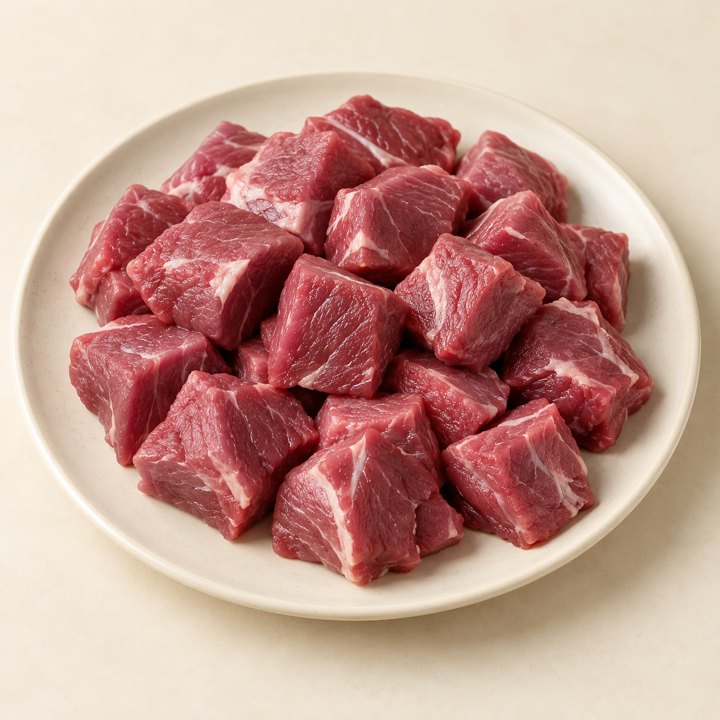
Ingredients & Spices · The complete guide
Boneless Goat: BuyingCooking, Benefits and Storage
Boneless goat describes removal of the bones, not a single tender cut. A tray can contain leg muscles, shoulder, neck trimmings or a mixture.
Identify the cut and its best uses
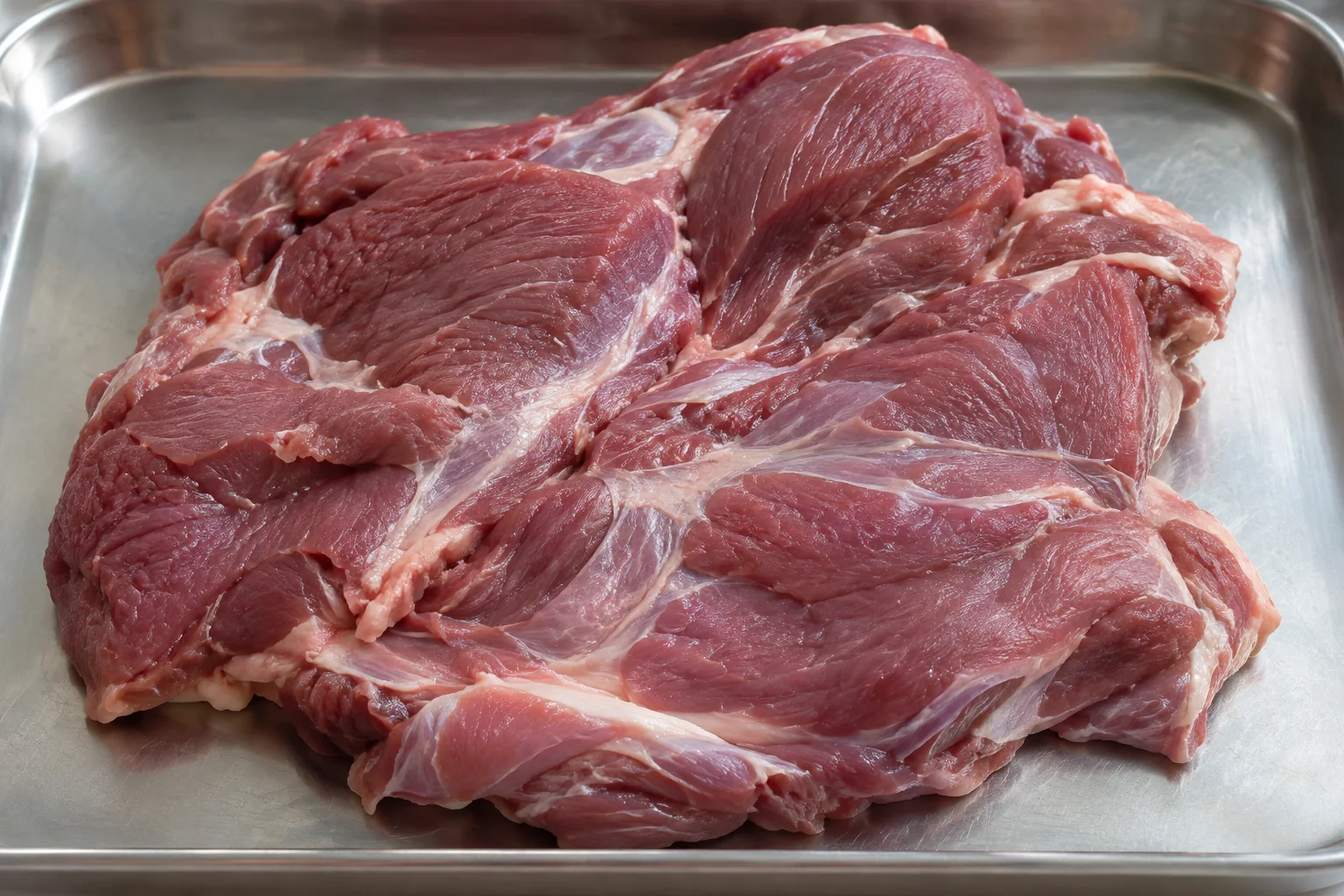
Boneless goat describes removal of the bones, not a single tender cut. A tray can contain leg muscles, shoulder, neck trimmings or a mixture. That distinction explains why one batch makes good quick boti while another stays firm after the same treatment. Its practical benefit is easy portioning and eating without bones; its limitation is that the label can hide very different cooking needs and trim levels.
Order, trim and prepare the right meat
Ask “Boneless kis hissay ka hai?” and specify goat rather than relying on the word mutton. For a long curry, boneless shoulder can be a sensible choice. For quick skewers, ask for a suitable tender muscle, with tough membrane removed, and buy a small trial amount if the source is unfamiliar. Request even cubes and clarify whether added fat, hard gristle or scraps are included in the weighed amount. Selected whole muscles are easier to assess than an anonymous mixed tray.
Select protected chilled stock and take it home directly, using an insulated bag and cold packs where needed. Ask whether the price is before or after trimming and whether substitutions are permitted on a delivery order. A clean counter matters, but it does not prove a complete cold chain. Smell and colour cannot establish safety, and spices cannot rescue meat with an uncertain handling history. For Eid distribution or a large meal, arrange refrigerator space and transport before collecting the order.
Separate obviously different muscles when possible. Trim thick silver membrane and hard gristle because these do not turn into a pleasant quick-cooked bite. Cut across the grain into even pieces appropriate to the recipe, then pat dry if searing. Large cubes take longer to heat through; tiny cubes can dry before their connective tissue has softened. Keep the prepared meat chilled, including while it is in yogurt or spices. Acidic ingredients and papaya are not a way to make contaminated meat safe.
Wash hands before and after raw-meat handling and clean the board, knife and worktop before preparing ready-to-eat food. Use separate utensils for raw and cooked batches. Keep marinating meat refrigerated: salt, yogurt, lemon and spices do not replace chilling. The FoodSafety.gov four-step guidance recommends cleaning, separating, cooking and chilling as complementary controls.
Cook for the texture this cut needs
For curry, treat shoulder-derived boti like shoulder: develop the aromatic base, add liquid and cook covered gently until the fibres yield. Finish the sauce after the meat is tender. For suitable tender boti, thread evenly sized pieces on skewers without packing them so tightly that the centres heat unevenly. Preheat the grill and use a gentler zone to finish thick pieces once they are browned. Turn with clean tongs and keep the cooked batch on a clean platter, away from the raw marinade.
Yogurt carries flavour and helps a marinade cling, while lemon provides acidity. Neither guarantees that a tough working muscle will behave like tender loin. Use raw papaya or a commercial enzyme only in a tested recipe with its specified amount and refrigeration time: too much can create a pasty exterior while the centre stays firm. Cook a sample piece before committing an entire unfamiliar batch to quick barbecue. If it is unsuitable, switch to a moist dish while the uncooked meat is still safely chilled.
The FAO guide to cuts and cooking methods explains why tender muscles suit dry heat while connective-tissue-rich cuts need moist cooking. Use time estimates to plan the meal and observation to adjust the cooking; neither a dramatic flame nor extra oil substitutes for matching the method to the cut.
Benefits, fat and realistic portions
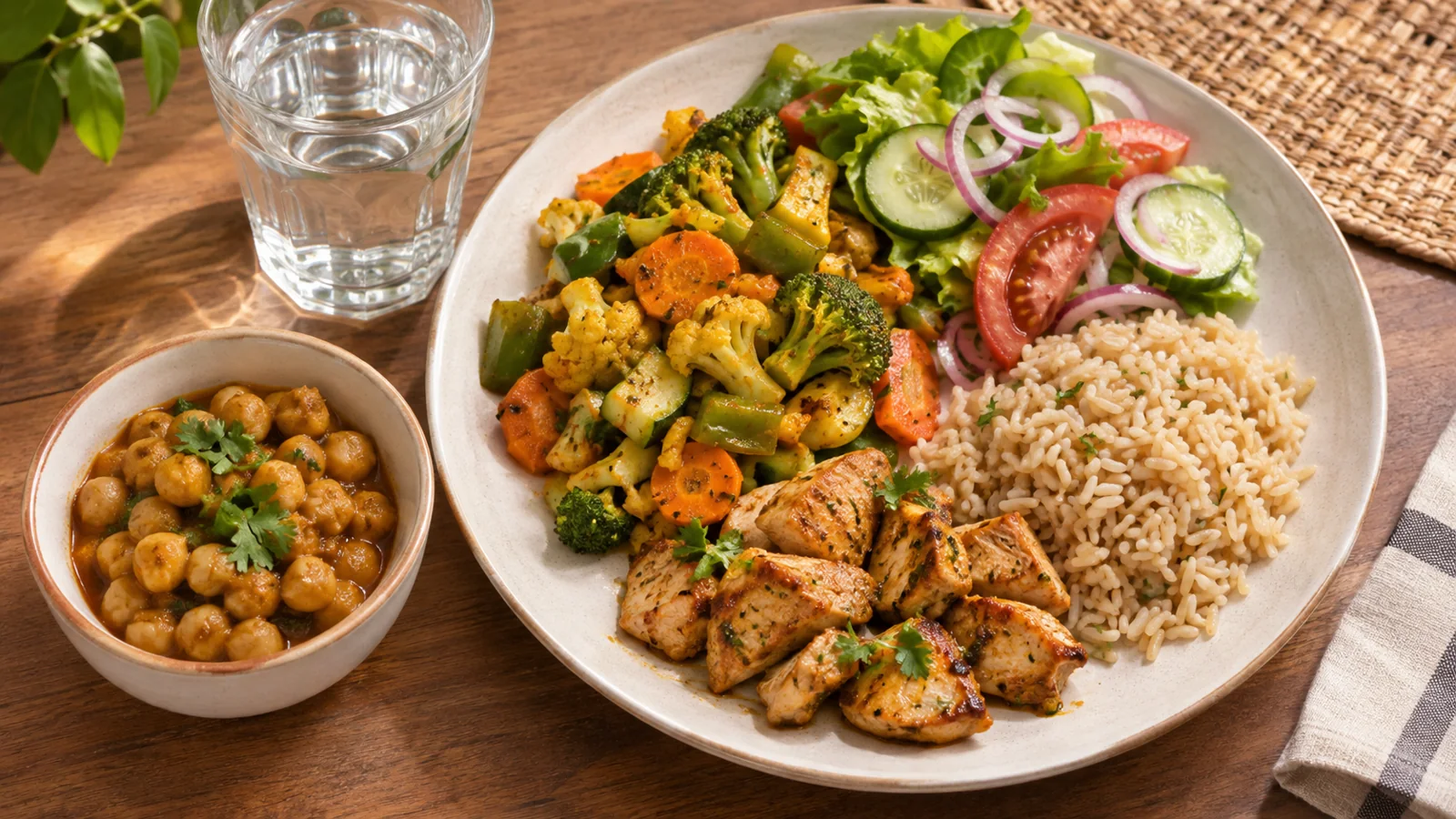
The lean meat supplies protein, iron, zinc and vitamin B12. These are useful nutrients, but this cut is not a treatment for anaemia, weakness or any other condition. The NHS explains meat’s nutritional contribution alongside the need to limit fatty and processed meat. Fat content depends on the particular muscle, trimming and added oil; choosing goat rather than lamb does not guarantee a lower-fat finished dish. Use a moderate serving with vegetables, pulses and grains, and judge the whole meal rather than treating one meat as a cure or a universal healthier choice.
If you eat red meat, World Cancer Research Fund’s cancer-prevention recommendation is about 350–500 g cooked red meat per week, with little, if any, processed meat. This is a population cancer-prevention recommendation, not a Pakistani nutrient allowance or a reason to reach a minimum meat intake. Include all red meats when considering the week.
Choose a replacement by muscle and method
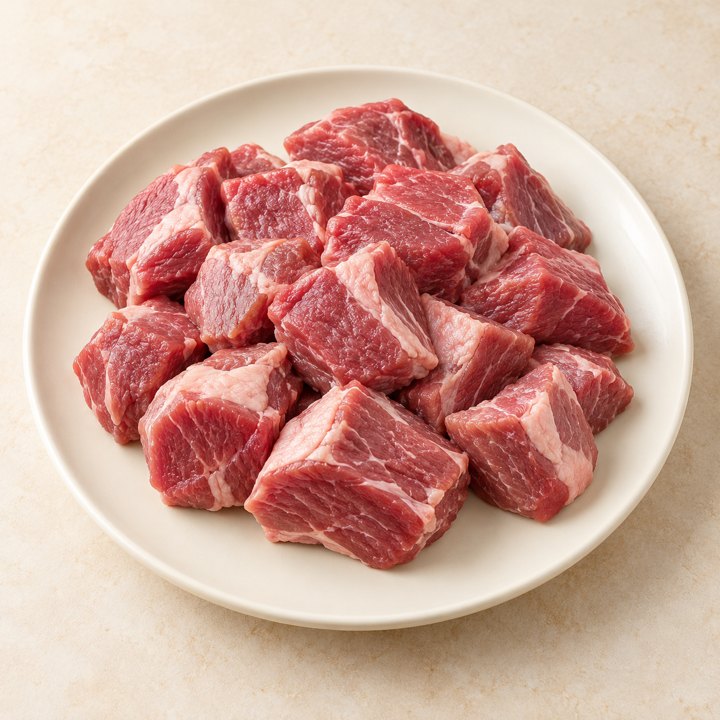
Boneless lamb shoulder can replace goat shoulder cubes in a long curry; selected lamb leg may suit a boti recipe after a fully cooked test. Beef chuck can work in a slow stew but changes flavour and may need a different cooking time. Thin pasanda needs a muscle that can actually be sliced and flattened. Choose the substitute’s cut and preparation before adapting the animal.
Measure safety and protect the cold chain
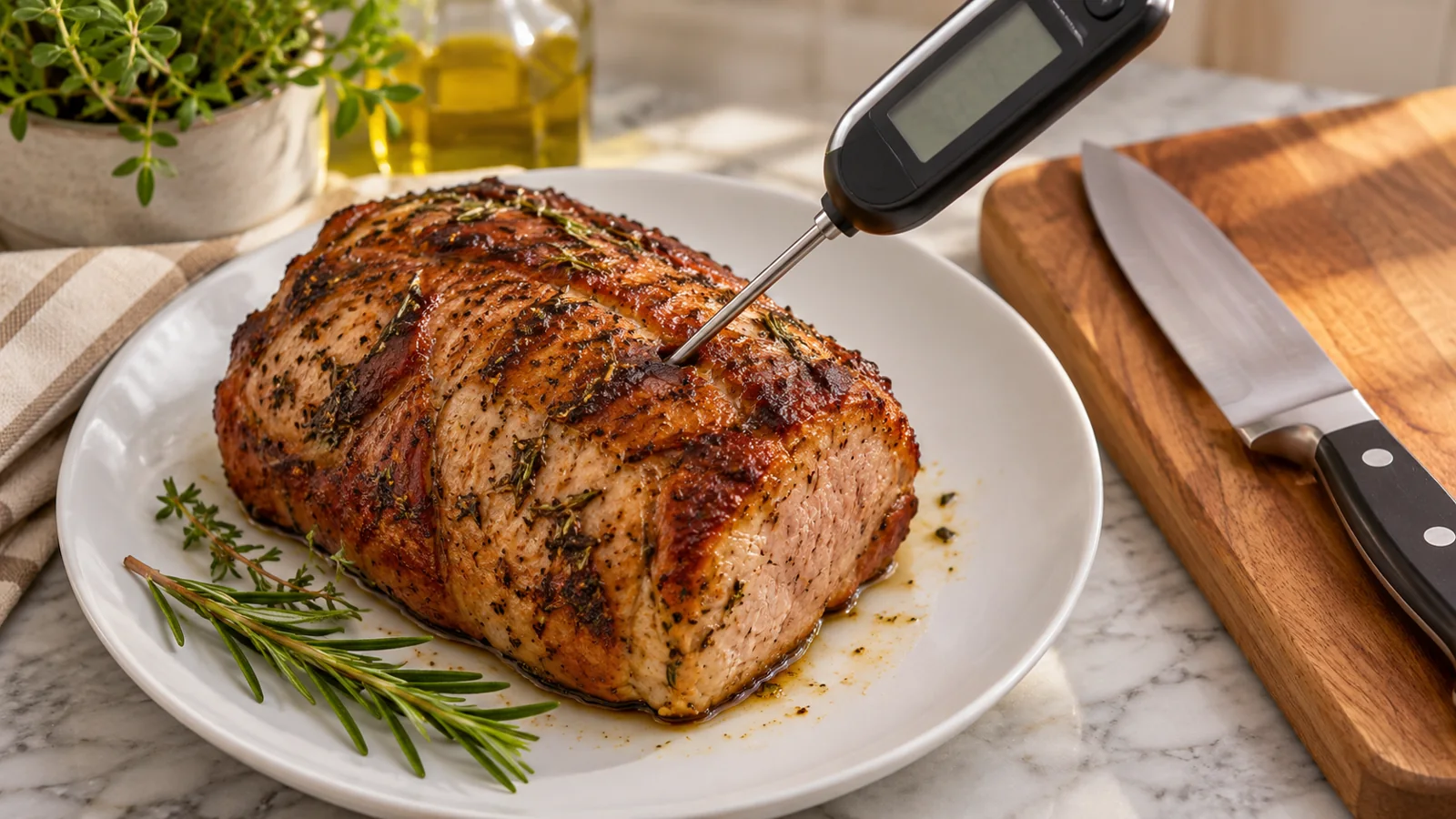
For whole-muscle goat or lamb steaks, chops and roasts, the published minimum is 63°C followed by at least a three-minute rest. Ground meat needs 71°C. Put the probe into the thickest meat, away from bone and large fat pockets; check more than one location on an irregular joint. A shoulder or shank may need much longer cooking to become tender even after it is safe. These endpoints are from FoodSafety.gov’s safe minimum temperature chart. Colour, clear juices and a browned crust are unreliable substitutes for a thermometer. Reheat cooked leftovers to 74°C throughout. Keep the probe clean between checks on raw and cooked food.
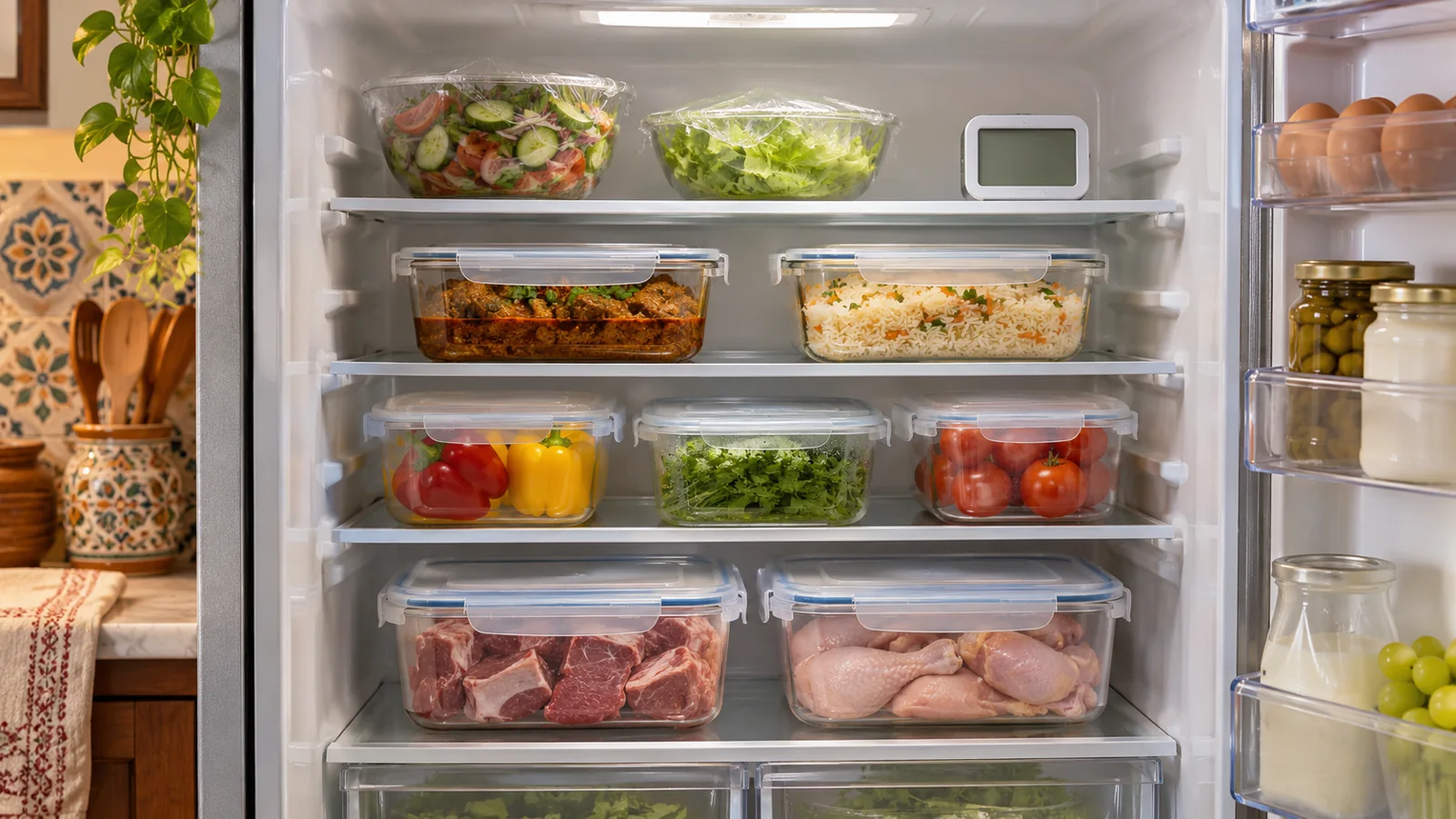
For freshly cut curry pieces, aim to cook or freeze promptly, preferably within one to two days as a cautious household plan; follow an earlier package use-by date. Intact lamb steaks, chops and roasts have a published three-to-five-day refrigerator window under proper chilling. The storage history still matters. See the FoodSafety.gov cold-storage chart for the distinction between whole cuts and mince. Store raw packs in a leakproof container on the lowest shelf, away from cooked food. A freezer should be at −18°C or below.
Thaw in the refrigerator in a tray that catches drips. For quicker thawing, use a sealed bag in cold water changed every 30 minutes, or the microwave, and cook immediately afterwards. Never thaw on a warm counter. Refrigerate cooked meat in shallow portions within two hours, or within one hour when the surroundings are above 32°C; use within three to four days. Do not leave a large pot or whole roast out overnight to cool. These are FoodSafety.gov chilling principles, particularly useful in hot weather and during Eid.
Solve texture problems and serve usefully
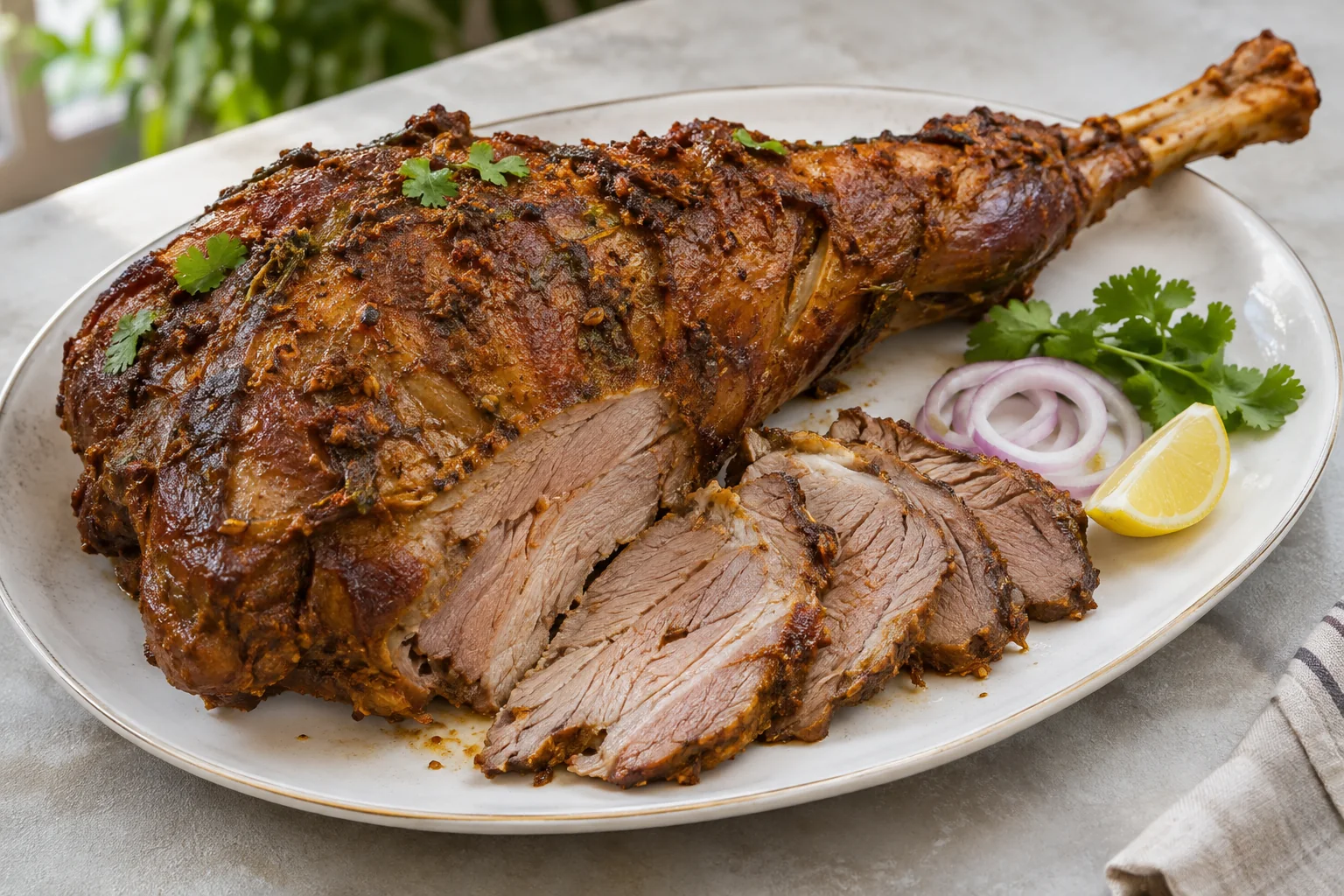
If a quick-cooked cube is chewy, identify whether it is membrane, under-softened connective tissue or an overcooked lean muscle. The first needs better trimming; the second suits a covered simmer; the third is best sliced thinly into sauce. Do not keep aggressively frying the whole batch without knowing which problem you have. If the pan releases water, cook smaller batches or reduce the liquid later rather than continually adding oil to force instant browning.
Boneless goat is useful in boti, keema made from selected meat, qorma and rice dishes. Reserve quick cooking for a cut that suits it. A lack of bones makes the purchased weight easier to portion, but does not make a large portion nutritionally necessary. A well-trimmed small serving with vegetables or pulses can be more useful than a meat-heavy plate. Label the source muscle when freezing, so a later cook does not mistake curry pieces for quick-grilling meat.
Choose a recipe that matches the cut

Choose a reliable recipe whose named cut and preparation match the meat you have. Weigh the prepared meat after any stated boning or trimming stage, because raw purchased weight and ready-to-cook weight are different. Keep the recipe’s own liquid and equipment guidance, then use tenderness and temperature checks to adapt to the actual batch.
When a recipe offers a substitute, compare the source muscle, bone, fat and desired texture before changing the main ingredient. Do not carry a quick-cooking schedule into a long-braising cut merely because both are called mutton.
Make recipe names and butcher orders precise
Names such as mutton, boti, chaamp and raan describe trade usage or preparation and do not provide a full specification. For this guide, order boneless goat and state the animal, source cut and intended dish. Keep those details on the freezer label. When using a mixed pack, identify the different pieces before choosing a cooking method.
A photograph can show a raw cut or one prepared result, but it cannot certify the contents of a shop order. Ask the butcher to show the selected meat before cutting and confirm any substitutions. Use the meat guide index and household buying and handling guide when planning another cut.
Frequently Asked Questions
Does mutton always mean goat?
No. In Pakistan mutton can mean goat, while international labels commonly use it for mature sheep. Ask specifically for bakray ka gosht and then the source cut. Neither the trade name nor the colour proves what is in an unidentified mixed pack.
What should I check before buying boneless goat for these recipes?
Confirm the animal, source muscle, trimming and even piece size. For quick boti, request a suitable tender muscle; for a long curry, shoulder can be useful. Boneless does not guarantee tenderness or freedom from hard membrane, gristle or excessive fat.
What is a practical substitute for boneless goat?
Use a comparable lamb cut for the same method, such as shoulder for a long curry. Beef chuck is another slow-stew option but changes flavour and timing. A quick skewer recipe needs a suitable tender replacement and a cooked test rather than any available boneless cubes.
Keep Exploring
Related places and stories on DailyLife.pk
How we know this
- Type Explainer
- Sources 6 (4 official/academic)
- Reviewed November 2026
- Disputed points None
