
Ingredients & Spices · The complete guide
Maize flour (Makai ka atta)
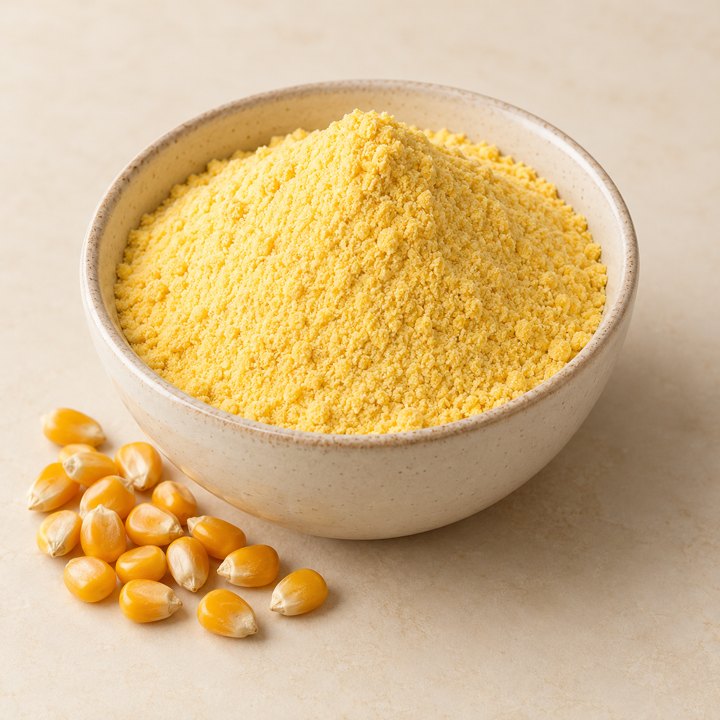
Makai ka atta is ground maize used in makki ki roti and as a component of some chapli kebab mixtures. It can be fine flour or a slightly coarser meal, so grind matters.
What it is and what to buy
Makai ka atta is ground maize used in makki ki roti and as a component of some chapli kebab mixtures. It can be fine flour or a slightly coarser meal, so grind matters. It is usually yellow or cream and retains more kernel material than white cornstarch. Ordinary maize flour is not nixtamalised masa harina, which has undergone alkaline processing and develops a different dough behaviour. Check the packet rather than choosing by the English word cornflour alone.
Maize, makai or makki in Urdu and Punjabi usage, is Zea mays, a cereal grass. The whole kernel contains bran, germ and a starchy endosperm. Grinding the kernel produces maize meal or flour, while wet processing separates a much purer starch. This explains a common shopping error: the fine white product sold as cornflour in Pakistan usually means cornstarch, whereas makai ka atta means ground maize. They cannot be exchanged indiscriminately in roti or soup.
Origins and food history
Kew places maize domestication in Mexico roughly 9,000 years ago, from the wild grass teosinte. Indigenous American communities developed an exceptionally diverse crop long before it spread overseas. Maize reached South Asia through later global exchange and became established in local farming and cooking. No single discoverer is documented. Its importance in a traditional Punjabi winter meal reflects cultural adoption, not a South Asian botanical origin.
Reference: Kew: maize.
Growing regions, trade and Pakistan
The United States, China, Brazil, Argentina, India and Pakistan all produce maize. Trade includes whole feed and food grain, meal, starch, oil and many industrial products. Pakistan has domestic maize production and processors, but the stated origin of a retail starch or flour still needs checking if it matters to the buyer. Food-grade processing, particle size, moisture and whether the germ has been removed are more useful cooking specifications than a broad country reputation.
Reference: USDA: Pakistan production.
How to prepare and cook it
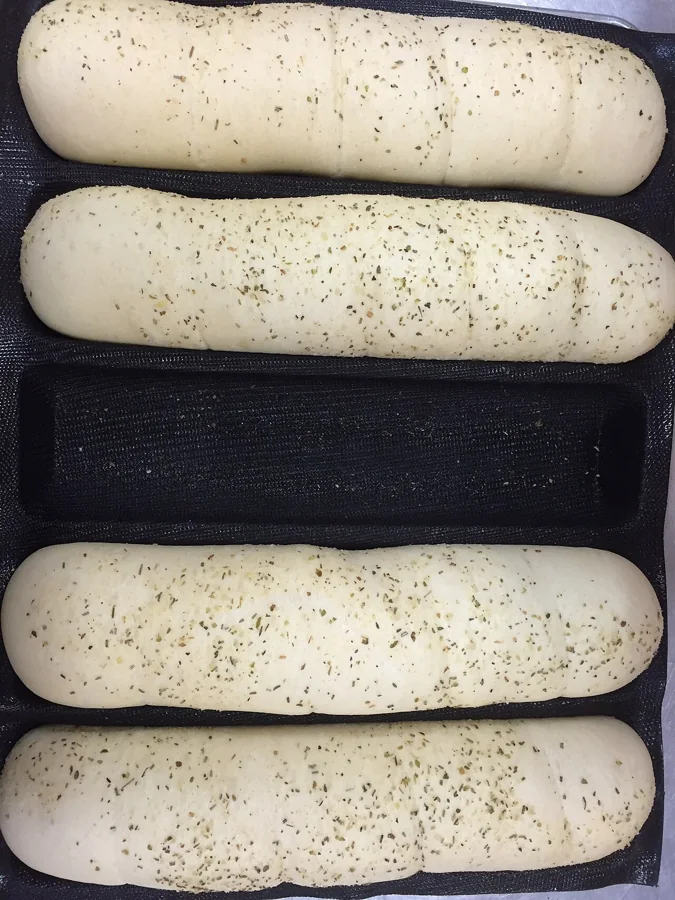
For roti, use the flour and water temperature specified by the recipe, then allow enough hydration for the meal to bind. Because it has no wheat gluten network, shaping often relies on patting, a sheet of plastic or parchment, and careful transfer to the tawa. Large dry cracks suggest insufficient hydration or coarse meal rather than a need for aggressive kneading. In chapli kebab, use the prescribed amount as a textural ingredient; too much dries the patty and masks the meat. Cook fully and serve roti promptly for the best pliability.
Put this form of the ingredient to work in Sarson Ka Saag Makki Ki Roti; Chapli Kebab; Chicken Chapli Kebab. The method in each recipe determines whether it should be raw, soaked, ground, freshly cooked or chilled before it enters the dish.
Nutrition, benefits and their limits
Maize flour supplies carbohydrate and, depending on extraction, fibre, fat and some protein. Isolated cornstarch is mostly starch and supplies little fibre or protein by comparison. Yellow maize pigments and wholegrain composition do not make every maize-based snack nutritionally equivalent. Neither ordinary maize flour nor starch contains wheat gluten naturally, but shared mills and prepared mixtures may introduce it. A meal built around maize benefits from pulses, vegetables and other protein foods.
Allergies, disadvantages and safe handling
Maize allergy is possible even though maize is not among every jurisdiction’s headline allergen lists. People with coeliac disease should choose products suitable for a gluten-free diet. Ordinary flour and starch should be cooked as directed rather than tasted raw in batter. Whole maize can be affected by storage moulds and associated toxins; use reputable suppliers and reject damp or musty goods. Refined starch should not be promoted as a high-fibre wholegrain merely because it comes from a cereal.
Practical substitutions
A finer cornmeal can work if hydration and resting are adjusted. Masa harina produces a different dough and flavour. Wheat atta improves elasticity when intentionally blended, but changes both traditional texture and gluten suitability. Cornstarch cannot replace whole maize flour in makki ki roti.
Keeping it fresh
Protect maize products from dampness and insects in tightly sealed containers. Flour that retains the germ can become rancid faster than degermed meal or purified starch, so buy manageable quantities and consider refrigeration. Use a clean dry spoon and avoid opening the container directly above a steaming pot. Discard products with a stale oily smell, mould or persistent damp clumps. Label homemade mixtures clearly so a white starch is not mistaken for flour during a later cooking session.
For related ingredients and shopping terms, see the Pakistani ingredients and spices pantry guide.
Names and forms used in our recipes
View the recipe names covered by this guide
- fine maize flour
- fine maize flour / makki ka atta
- maize flour (makai ka atta)
- maize flour / fine cornmeal
- makki ka atta (fine maize flour)
Frequently Asked Questions
Is makai atta the same as white cornflour?
In Pakistani shopping language, white cornflour normally means isolated cornstarch. Makai atta is ground maize and behaves differently.
Why does maize roti break?
It lacks wheat’s gluten network. Fineness, hydration, water temperature and gentle shaping are more useful than prolonged kneading.
Keep Exploring
Related places and stories on DailyLife.pk

How we know this
- Type Explainer
- Sources 5 (3 official/academic)
- Reviewed November 2026
- Disputed points None
5 sources
Photo credits (1)
- Bread Dough.jpg, Krish Dulal, CC BY-SA 4.0, via Wikimedia Commons
