
Ingredients & Spices · The complete guide
Beef Mince and Keema: BuyingCooking and Storage
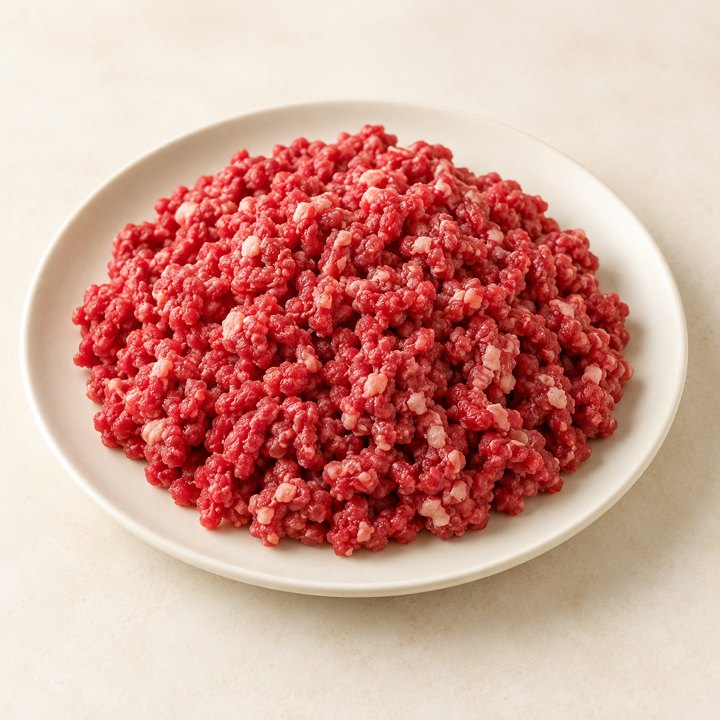
Beef mince or keema is meat that has been ground, not a single anatomical cut. Its behaviour depends on the muscles, amount of added fat, grind texture and handling.
Keema describes a grind, so specify the meat
Beef mince or keema is meat that has been ground, not a single anatomical cut. Its behaviour depends on the muscles, amount of added fat, grind texture and handling. Ask for cattle beef explicitly if that is your preference, and clarify whether a broad beef listing includes water buffalo or a mixture. Colour cannot reliably identify the species or prove freshness.
Choose the meat before grinding when possible and use a clean chilled supplier. Ask how much fat will be added and whether the final weight includes it. Coarse mince may suit a particular kebab, while another recipe needs a finer texture. Buying a named composition gives you a better starting point than asking for the darkest or leanest-looking packet.
Buy for the recipe and keep preparation chilled
For a saucy everyday keema, ask for a selected clean piece and a fat level suited to the recipe. For seekh or chapli kebabs, follow a tested formulation rather than assuming the leanest possible mix will bind well. Excess water from onion, poor mixing and warm fat can also affect texture. Do not add fat blindly when the real problem is wet ingredients or insufficient chilling.
Ask whether mince is prepared to order or has been displayed, whether other species use the same grinder, and how it is kept cold. Pack it in a leakproof bag away from ready-to-eat foods. Collect it last and go directly home with an insulated bag. A very large discounted bag is useful only if you can portion and chill or freeze it promptly.
At home, organise spices and vegetables before taking meat from the refrigerator. Work in small batches, keep the remainder cold, and refrigerate shaped kebabs until cooking. Do not leave the whole mixture out while making many trays. Keep raw tasting spoons and bowls away from cooked food; taste seasoning through a small fully cooked sample instead.
Cook mince and kebabs to the right target
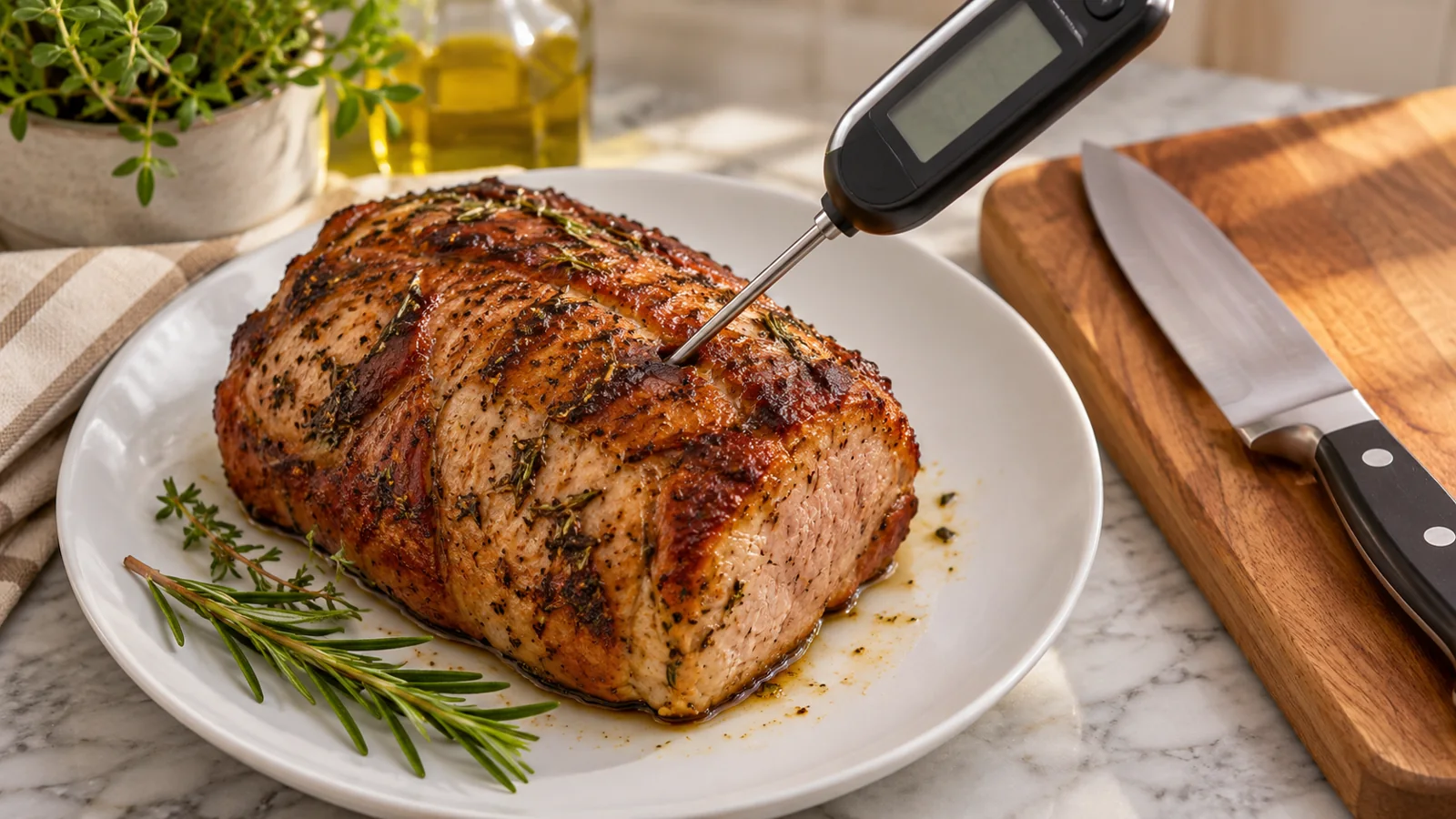
USDA specifies 71°C for ground cattle beef and mixtures such as meatloaf. Grinding distributes material through the mixture, so the intact-steak rule is not appropriate. Check with a food thermometer in several places, especially thick kebabs or dense clumps. A browned outside, pink centre or clear-looking juice is not a dependable safety test. USDA beef guidance.
For loose keema, heat the pan appropriately and cook in manageable quantities. Break up clumps so the meat cooks evenly. If the recipe calls for browning, avoid adding unnecessary water early and give released liquid time to evaporate. Add onion, tomato, peas or other ingredients in the recipe’s intended order and finish the whole mixture thoroughly.
For kebabs, make even portions and keep thickness consistent. Heat a clean grill or pan, allow space and use a gentler finishing zone if the surface is colouring too fast. Insert the probe from the side into the thickest centre when needed. Check more than one kebab rather than assuming every item on the grill has followed the same temperature path.
Put cooked food onto a clean plate with clean utensils. Keep a serving batch hot or chill it promptly; do not mix newly cooked kebabs onto a platter that held raw mince. If the recipe contains poultry or another ingredient with a higher required temperature, follow the requirement for that complete mixture.
Watery keema often comes from crowding the pan, adding too much liquid or including wet vegetables before the intended browning stage. Use smaller batches and reduce in a controlled way. A hard boil can dry the meat while you wait for a deep pool to disappear. Start with the quantity of liquid in a tested recipe and adjust cautiously.
A dry, crumbly kebab may be too lean for that recipe, too loosely mixed or overcooked. One that falls off a skewer may be warm, excessively wet or poorly shaped. Follow the formulation, drain onion if directed, chill the mixture and form even pieces. Test-cook one portion before shaping the whole batch so you can correct texture without tasting raw mince.
An enzyme tenderiser is rarely the first fix for mince texture and cannot repair poor cold handling. Chilli, vinegar, yoghurt and spices do not make spoiled meat safe. If the mince has an uncertain warm history, discard or reject it rather than using a longer cook as a rescue.
Nutrients, fat and the processed-meat distinction
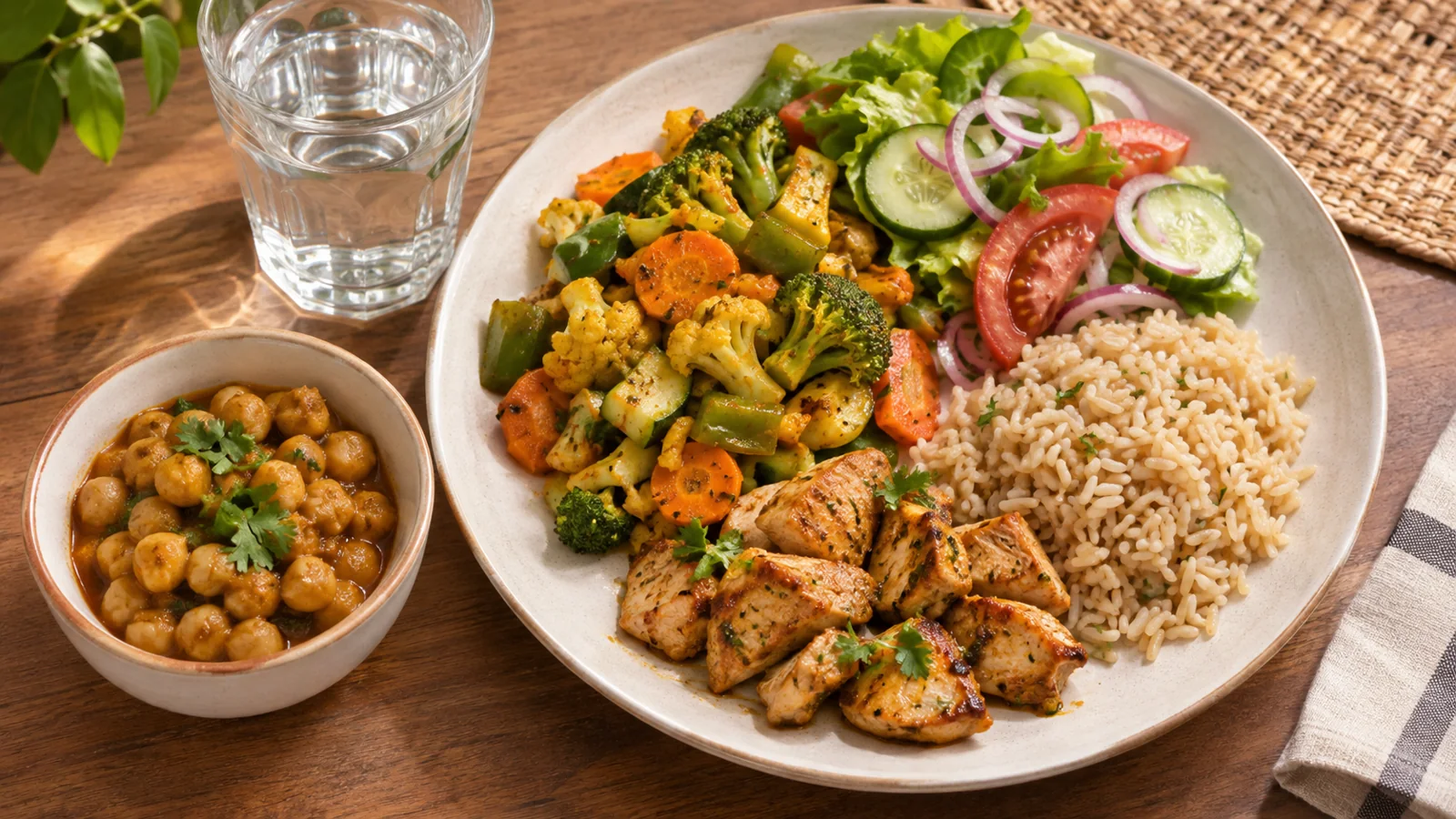
Beef muscle meat can contribute protein, iron, zinc and vitamin B12. Its value is as part of a varied meal: add vegetables, pulses or whole grains, and choose the amount of added oil deliberately. Fat content depends on the actual cut, trimming and recipe; a species name or a dark red colour cannot establish that a portion is lean. A dish with a large layer of ghee is different from a modest serving of trimmed meat. World Cancer Research Fund describes both these nutrients and the limits of red meat.
All mammalian muscle meat counts as red meat, so cattle, buffalo, camel, goat and lamb share the same weekly allowance. WCRF recommends that people who eat red meat limit it to about 350–500 g cooked weight per week and eat little, if any, processed meat. This is an international cancer-prevention recommendation, not a Pakistani recommended daily allowance or an individual treatment plan. Plain fresh mince is not automatically processed meat; curing, smoking and preservation change the category. Meat is optional in a balanced diet, and extra servings are not a treatment for tiredness, anaemia or any other illness.
Plain raw mince is not automatically processed meat simply because it has passed through a grinder. Cured, smoked, preserved or some sausage products are different. Check the ingredients and preparation rather than judging from shape alone. The fat level of keema and the oil in its gravy affect the finished dish: lean meat does not make a large amount of added ghee disappear.
Protein, iron and vitamin B12 are reasons meat can contribute to a varied diet, not reasons to promise that kebabs treat weakness or illness. A vegetable-rich keema can make a measured amount of meat go further, while lentils or other pulses can add variety on other days.
Substitute the mixture thoughtfully
A different red-meat mince changes flavour and fat, and may need recipe adjustments. Poultry mince requires its own higher safety target. Lentils or vegetables can extend a saucy dish, but replacing meat in a kebab needs a tested recipe for binding and cooking.
Use short storage deadlines and plan leftovers
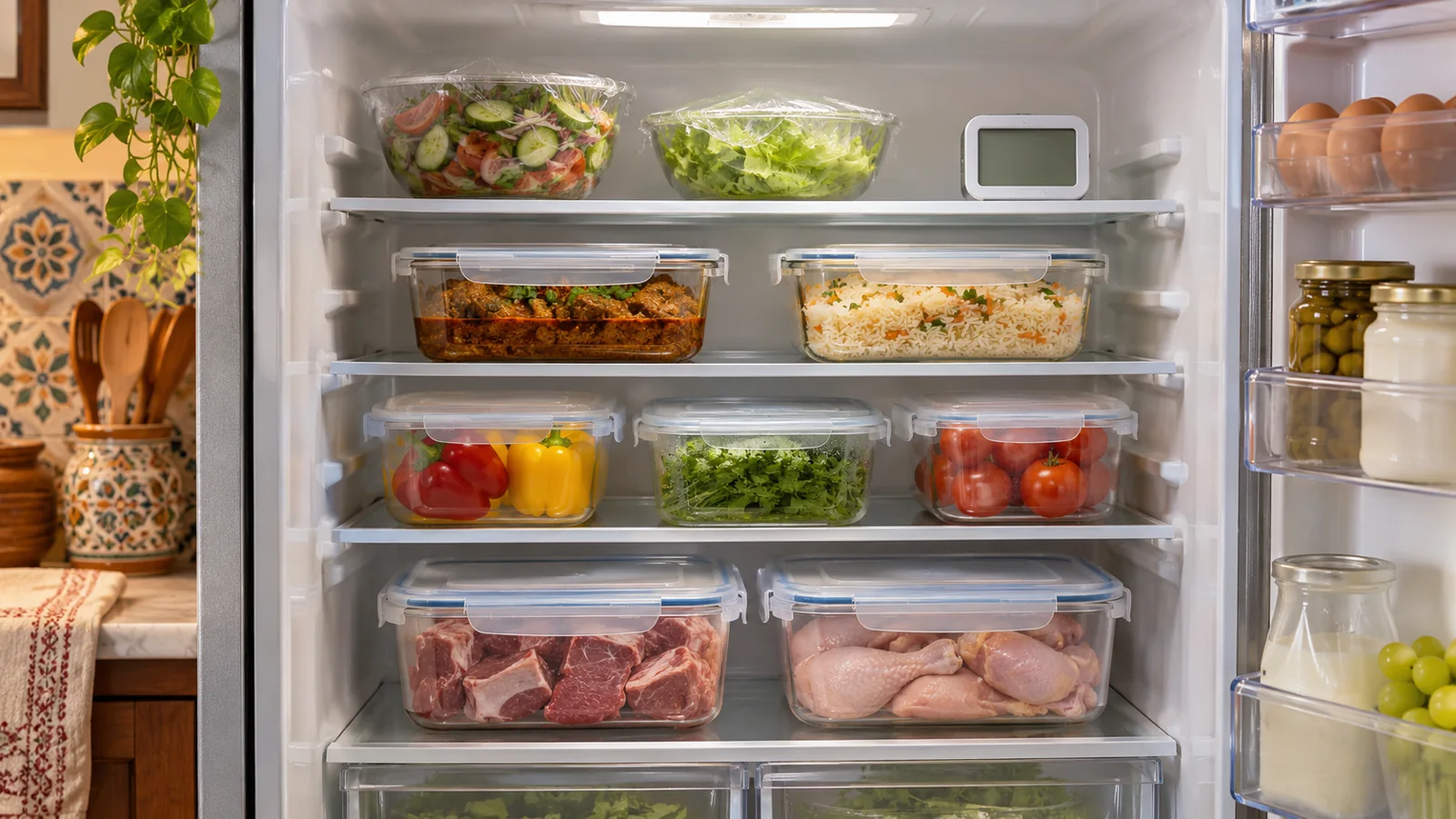
Under a reliable cold chain at 4°C or below, USDA advises using or freezing raw ground meat within 1–2 days; cooked meat generally keeps 3–4 days refrigerated. Follow an earlier use-by date or stricter label, and do not apply those maximum windows to mince bought warm. FoodSafety.gov cold-storage chart.
Freeze promptly in flat meal-sized packs at −18°C or below, labelled with species, composition and date. Thaw on a tray in the refrigerator. If thawed in cold water in a sealed bag or in a microwave, cook immediately. Do not thaw mince on the counter. Divide cooked keema into shallow containers and refrigerate promptly instead of leaving a large pot out overnight.
Refrigerate perishables within two hours, or one hour above 32°C, and wash hands, utensils and surfaces after raw handling. Do not wash raw mince. FDA safe handling advice. Read the keema and kebab guide, buying and storage guide and recipe collection for the rest of your meal plan.
Reheat leftovers to 74°C throughout, as specified by FoodSafety.gov.
Plan portions and serving
Decide how many cooked meat portions the order should provide and how they fit the week’s red-meat total. Prepare vegetables and side dishes before raw-meat work. Portion leftovers deliberately and chill them promptly for a later meal rather than repeatedly warming a whole pot.
Recipes and useful next steps
Use the recipe collection after identifying the cut and quantity. Read the whole method before shopping, including equipment, required chilling and how the final dish is served. A recipe name alone does not identify the meat in an unlabelled packet.
Names and preparation formats
Keema and mince describe ground meat; fine and coarse describe grind texture. Beef is not a guaranteed single-species label in every listing. Confirm cattle meat, any mixture, added fat and whether the product is plain or preserved.
Related recipe: Chapli Kebab.
Related recipe: Keema Naan.
Related recipe: Seekh Kebab.
Related recipe: Keema Karela.
Related recipe: Keema Paratha.
Frequently Asked Questions
Is fresh keema automatically processed meat?
No. Grinding plain fresh meat does not automatically make it processed meat. Curing, smoking and other preservation processes change the category, so check ingredients and preparation.
Can I use the steak temperature for beef mince?
No. Ground cattle beef needs 71°C according to USDA. Check several thick centres or places with a food thermometer; surface browning or colour inside cannot reliably certify safety.
How soon should I use raw mince?
Under a reliable cold chain at 4°C or below, use or freeze raw mince within 1–2 days, following an earlier use-by date or stricter label. Do not apply that maximum to meat with an uncertain warm history. Thaw in the refrigerator and keep raw mince separate from ready-to-eat food.
Keep Exploring
Related places and stories on DailyLife.pk

How we know this
- Type Explainer
- Sources 6 (4 official/academic)
- Reviewed November 2026
- Disputed points None
