
Ingredients & Spices · The complete guide
Carrot (Gajar)
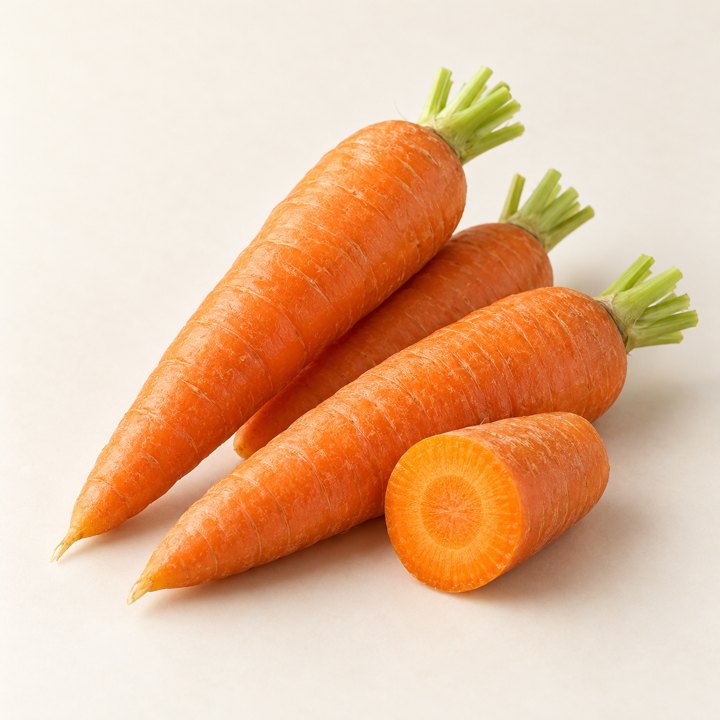
Carrot is Daucus carota subsp. sativus, the cultivated storage root called gajar.
What is carrot? Names, flavour and types
Carrot is Daucus carota subsp. sativus, the cultivated storage root called gajar. Its eating character is sweet, crisp and aromatic; long cooking makes it soft and sweeter tasting.
The main forms to recognise are red South Asian carrots, orange carrots, purple, yellow and white cultivars. Choose the form and ripeness specified by the recipe.
Origins, cultivation and the Pakistan market
Early domesticated carrots were purple and yellow in Central and western Asia; widespread orange types resulted from later selection. The relevant botanical or crop background is documented in USDA ARS — Carrot facts and domestication history.
Growing conditions and producing countries: A cool-season root crop; China, Uzbekistan, Russia and the United States cultivate carrots. Red winter gajar is especially familiar for halwa; orange types suit mixed vegetables and salads. Storage roots and tubers can move through wholesale markets for longer than delicate leaves, but curing, ventilation and damage still affect keeping quality. Fresh produce and processed frozen or canned products belong to different trade channels and should be compared by edible weight.

How to prepare, cook and substitute it
Grate red carrots for halwa, cut uniform fine dice for fried rice, and make longer batons for Kabuli pulao. Match the cut to the time available
Both can be used, but a red South Asian winter carrot often gives the familiar colour, fragrance and softer texture associated with local halwa. Orange carrots can be firmer and may need a different reduction time. Taste their natural sweetness before fixing the sugar quantity. Grate consistently so the strands soften together, and reduce excess moisture before the mixture becomes thick enough to catch. For fried rice, the goal changes: a small clean dice is more useful than a long halwa-style grate.
Cut pieces to a similar thickness rather than judging only their length. This is particularly useful when a curry also contains meat or another vegetable: the slowest-cooking component determines when everything goes into the pan. Test the centre with a knife or fork instead of relying on a fixed time that ignores size and variety. If cooked pieces are needed for a filling, let steam escape before mashing. Extra water carried into dough or batter can produce a heavy, sticky result instead of a cleanly shaped filling.
A useful starting substitute is parsnip for roasted texture, pumpkin for a soft sweet purée, with different flavour. Adjust the recipe for the replacement’s texture and moisture.
Buying and storing it well
Look for firm roots without soft shoulders; cracks can trap dirt and should be cleaned carefully. Buy an amount that can be used while its texture is still suitable for the intended dish. Trim away ordinary damaged portions where appropriate, but reject a product showing active decay or an abnormal smell rather than hiding it in a strongly spiced preparation.
For storage, remove tops; refrigerate roots in a bag to prevent drying. Keep prepared portions separate from unwashed produce and raw animal foods. Use a clean covered container for cut or cooked food, and label frozen portions so the oldest batch is used first. The condition at purchase, kitchen temperature and packaging all affect keeping quality; a fixed number of days is not a guarantee of safety.
Nutrition, benefits and practical cautions
The nutritional contribution is orange types supply beta-carotene; all types provide fibre, with pigments varying by colour. USDA FoodData Central distinguishes raw, cooked, dried and processed forms. Recipe totals must also account for added oil, cream, sugar or syrup.
Juice lacks much of the whole root's fibre; excessive carotene can temporarily yellow skin. Its role in a balanced meal depends on portion size and preparation. Whole foods and concentrated supplements are different products and should not be treated as interchangeable.
Recipes using carrot
Use the linked recipes to match preparation to the finished dish. Check whether the ingredient quantity means whole purchased weight, peeled edible weight, drained weight or a cooked portion before shopping. This is especially helpful when a recipe needs a thick filling or a carefully balanced drink.
- Spring Rolls
- Gajar Ka Halwa
- Chicken Fried Rice
- Egg Fried Rice
- Kabuli Pulao
- Mixed Vegetables
- Sai Bhaji
- Sindhi Kadhi
- Vegetable Biryani
- Vegetable Kofta
- Vegetable Jalfrezi
- Vegetable Pulao
For related Urdu names, pantry ingredients and cooking combinations, see the Pakistani ingredients and spices guide.
Names and forms used in our recipes
View the recipe names covered by this guide
- carrot
- carrot, small dice
- carrot, thick slices
- carrots
- carrots, 1 cm cubes
- carrots, diced 1.5 cm
- carrots, peeled and julienned
- carrots, small cubes
- finely diced carrot
- finely grated carrot
- peeled carrot, small cubes
- small-diced carrot
Frequently Asked Questions
Are red or orange carrots better for gajar ka halwa?
Both can be used, but a red South Asian winter carrot often gives the familiar colour, fragrance and softer texture associated with local halwa. Orange carrots can be firmer and may need a different reduction time. Taste their natural sweetness before fixing the sugar quantity. Grate consistently so the strands soften together, and reduce excess moisture before the mixture becomes thick enough to catch. For fried rice, the goal changes: a small clean dice is more useful than a long halwa-style grate.
How should I store carrot?
Remove tops; refrigerate roots in a bag to prevent drying.
What should I consider before serving carrot?
Juice lacks much of the whole root's fibre; excessive carotene can temporarily yellow skin.
Keep Exploring
Related places and stories on DailyLife.pk

How we know this
- Type Explainer
- Sources 4 (3 official/academic)
- Reviewed November 2026
- Disputed points None
4 sources
Photo credits (1)
- I-11 Sabze Mande, Islamabad.jpg, Pakieditor, CC BY-SA 4.0, via Wikimedia Commons
