
Ingredients & Spices · The complete guide
Eggs
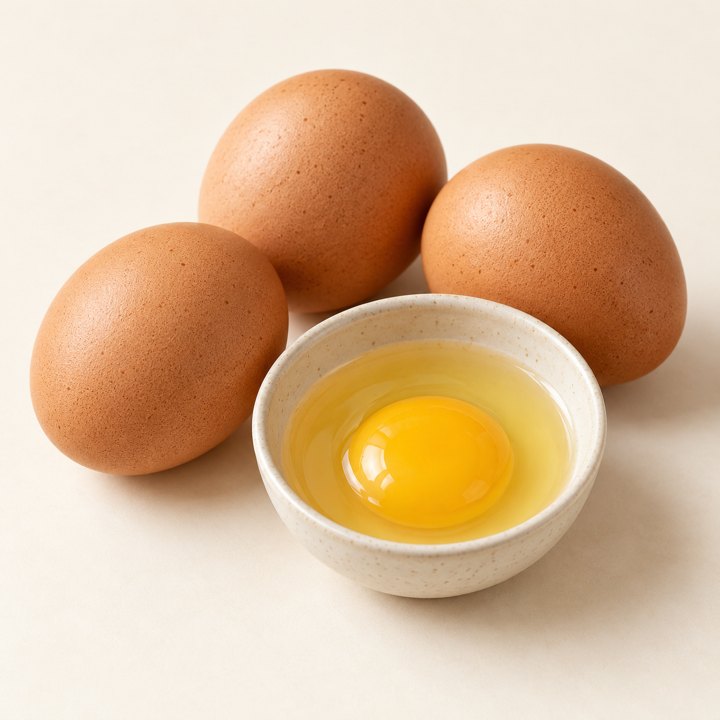
Unless specified otherwise, eggs here means hen eggs, called anday. Size, freshness, shell integrity and pasteurisation status affect how they work in a recipe.
What it is and what to ask for
Unless specified otherwise, eggs here means hen eggs, called anday. Size, freshness, shell integrity and pasteurisation status affect how they work in a recipe.
Buy clean, uncracked shells and maintain appropriate cold storage. Crack each egg into a separate bowl before combining when a broken shell or bad egg would spoil a large batch.
History, production and the Pakistan context
Egg eating predates domesticated poultry; keeping chickens made the supply more predictable. Commercial grading and refrigeration are comparatively recent developments, not the discovery of eggs as food.
Pakistan, China, India and the United States produce hen eggs. Shell colour reflects breed and does not by itself establish better nutrition or a safer farming system.
How to use it successfully
For omelettes, beat only until combined and control the pan heat so the base does not burn before the top sets. In baking, use the size specified because egg contributes water, protein and emulsifying fat as well as structure.
An egg's functional role changes by recipe. Beaten whites trap air, yolks emulsify fats, and whole eggs set to hold a custard or cake together. Substitution should start with that job rather than with a universal replacement chart. For a savoury omelette, vegetables add variety and fibre that eggs themselves do not supply.
Nutrition, benefits and limits
Eggs provide protein, choline and B12. They contain no fibre, and egg allergy requires avoidance even when eggs are baked, boiled or mixed with flour unless specialist advice says otherwise.
Choosing a replacement
Commercial egg replacers can support selected baking functions but usually do not substitute for an omelette. Flax mixtures bind certain bakes without reproducing every property of egg.
When changing the cut, compare tenderness, fat, bone content and whether the meat will be chopped or kept whole. Preserve the recipe’s cooking logic rather than only its ingredient weight. A replacement can be successful without tasting identical, but its own safe cooking guidance must still be followed.
Safe handling and storage
Buy clean uncracked eggs and keep them refrigerated in their carton, away from raw-meat leaks. Crack eggs with clean hands and utensils, then wash after handling shells or raw contents. Do not assume an intact clean-looking shell guarantees that the egg is free of Salmonella; the handling and cooking steps still matter.
FDA advises cooking ordinary shell eggs until white and yolk are firm and egg dishes to 71°C/160°F. A dish containing poultry may require the higher poultry endpoint. Use pasteurised eggs or egg products for recipes served raw or lightly cooked, including some sauces, desserts and drinks, rather than relying on lemon juice or sugar to control pathogens.
Hard-cooked eggs, peeled or in the shell, should be refrigerated and used within one week under FDA guidance. Other prepared egg dishes have their own storage limits. Cool and refrigerate promptly, especially in a hot kitchen, and discard food with unsafe time or temperature history rather than trying to rescue it by reheating. Egg allergy remains relevant even when yolk or white has been separated.
Planning, portions and serving
Egg size is particularly relevant in baking: three small eggs can supply noticeably less liquid and structure than three large ones. Use the specified size or a weight where the formula gives one. For an omelette, chop fillings small and cook watery vegetables appropriately before adding them, so the eggs do not need prolonged heat to evaporate vegetable liquid. An egg dish can be balanced with wholegrain bread and vegetables rather than additional processed meat alone.
Recipes and pantry links
Use eggs according to the form specified in the linked recipe: raw versus cooked, bone-in versus boneless, sweetened versus plain, and the stated cut or processing style all affect the result. The ingredient discussion above explains which differences matter most here. Read the complete recipe before shopping, then measure the prepared usable quantity rather than assuming every package has the same yield.
- Chicken Chapli Kebab
- Bun Kebab
- Chapli Kebab
- Anda Bhurji
- Anda Paratha
- Chicken Jalfrezi
- Chicken Shami Kebab
- Gulab Jamun
- Chicken Corn Soup
For related ingredient names, local terminology and flavour pairings, browse the Pakistani ingredients and spices pantry guide.
Names and forms used in our recipes
View the recipe names covered by this guide
- beaten egg
- beaten egg, for binding
- egg
- egg, beaten
- eggs
- large egg
- large eggs
- large eggs, without shells
- whole egg
Frequently Asked Questions
Are brown eggs more nutritious than white eggs?
Shell colour mainly reflects the hen breed and is not a dependable nutrition or safety ranking. Egg size, freshness, handling and the birds’ diet matter more than choosing a shell colour.
What should I check before buying eggs for these recipes?
Buy clean, uncracked shells and maintain appropriate cold storage. Crack each egg into a separate bowl before combining when a broken shell or bad egg would spoil a large batch. Keep the recipe’s cut and prepared weight in mind, because changing them affects cooking and serving yield.
What is a practical substitute for eggs?
Commercial egg replacers can support selected baking functions but usually do not substitute for an omelette. Flax mixtures bind certain bakes without reproducing every property of egg. Make a small test where binding, melting or a delicate final texture is central, and adjust the recipe rather than treating different ingredients as identical.
Keep Exploring
Related places and stories on DailyLife.pk

How we know this
- Type Explainer
- Sources 4 (3 official/academic)
- Reviewed November 2026
- Disputed points None
