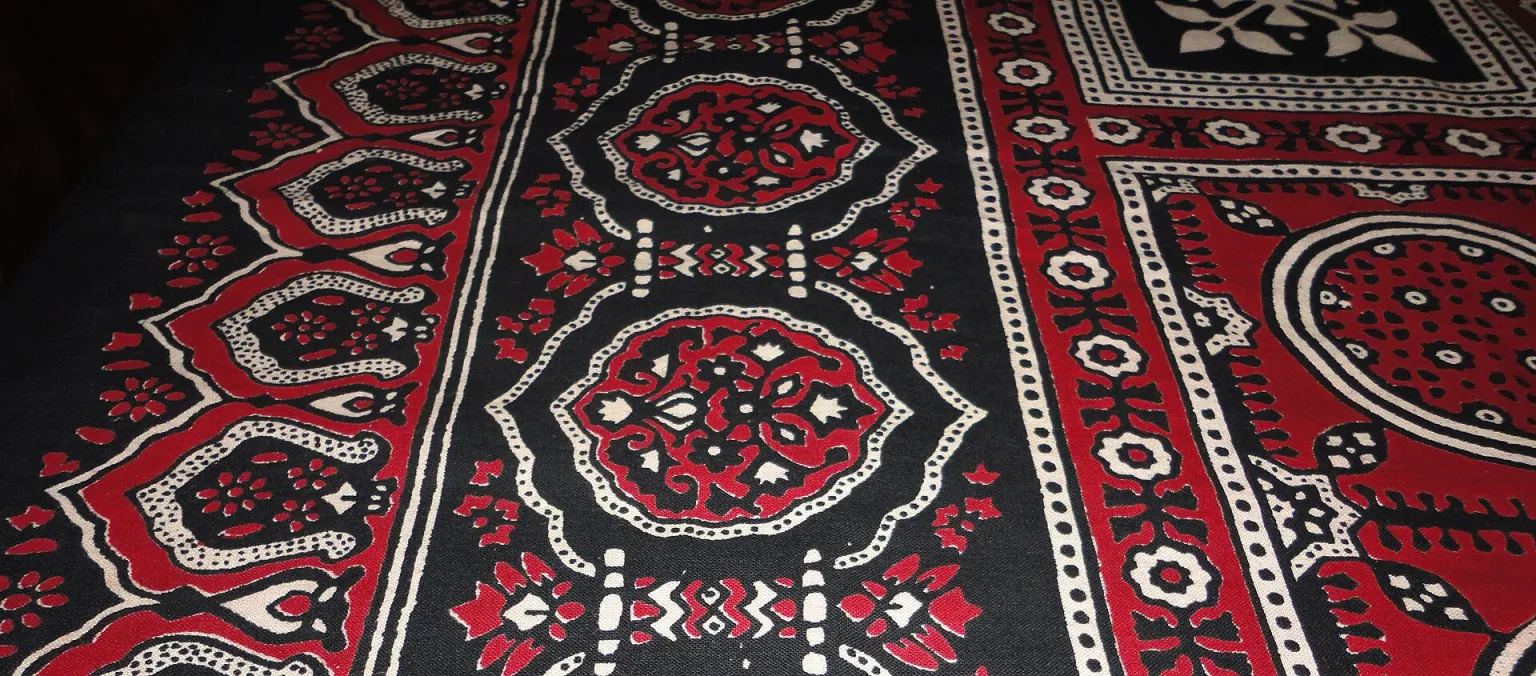
Block-printed ajrak in indigo and crimson

Culture

Textiles of Pakistan: ClothColour and Craft

Block-printed ajrak, patchwork rilli, hand-spun khaddar, phulkari, Balochi needlework, woollen patti from the north and the lawn mills of Faisalabad: a guide to the cloth Pakistan makes and wears.

  • Printing, weaving, embroidery and quilting
  • Faisalabad: the country's textile capital
  • Buy direct from makers where you can

Block-printed ajrak, Sindh

About 60%Of Pakistan's textile exports linked to FaisalabadFaisalabad Chamber of Commerce and Industry, via APP, 2019
3,000–4,000Handlooms reported in Islampur, SwatDawn, 2011
1974Lok Virsa founded in IslamabadLok Virsa
Indigo & madderThe classic dyes of hand-printed ajrakNatural blue and red

A Country Written in Cloth

Few things say as much about a Pakistani region as its cloth. A deep indigo-and-crimson ajrak over the shoulders marks someone as Sindhi; a woollen pakol and a coarse patti waistcoat point to the northern mountains; a densely stitched bodice with mirror-work suggests Balochistan or the Thar. In Punjab, grandmothers' phulkari shawls and khes bedcovers are handed down as heirlooms, while the power looms of Faisalabad turn out the printed lawn that half the country wears each summer.

Pakistan grows cotton across the Indus plains, and textiles are by far its largest manufacturing industry. Yet alongside the mills, a huge amount of cloth is still made by hand: printed with carved wooden blocks in Sindh, woven on pit looms in Swat and Kamalia, quilted and embroidered by women at home across the country. Much of that work is done for dowries and family use, and much is sold through middlemen, which means the people who make the finest pieces are often the least visible.

This guide introduces the major traditions region by region, explains how to tell hand work from imitation, and suggests how to buy in a way that supports the makers. For how these fabrics are worn day to day, see Traditional Dress; for pottery, woodwork and other crafts, see Handicrafts.

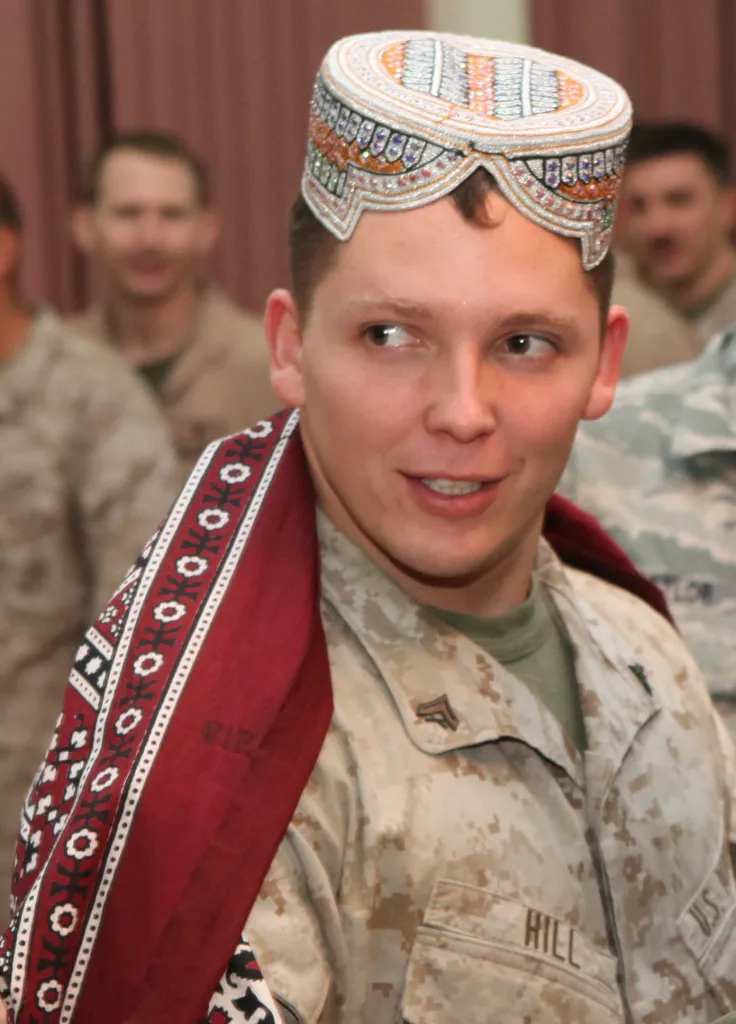
A man wearing a Sindhi ajrak shawl
An ajrak worn as a shawl, the most recognisable textile of Sindh

Major Textile Traditions

From the deserts of Sindh to the valleys of the Hindu Kush.

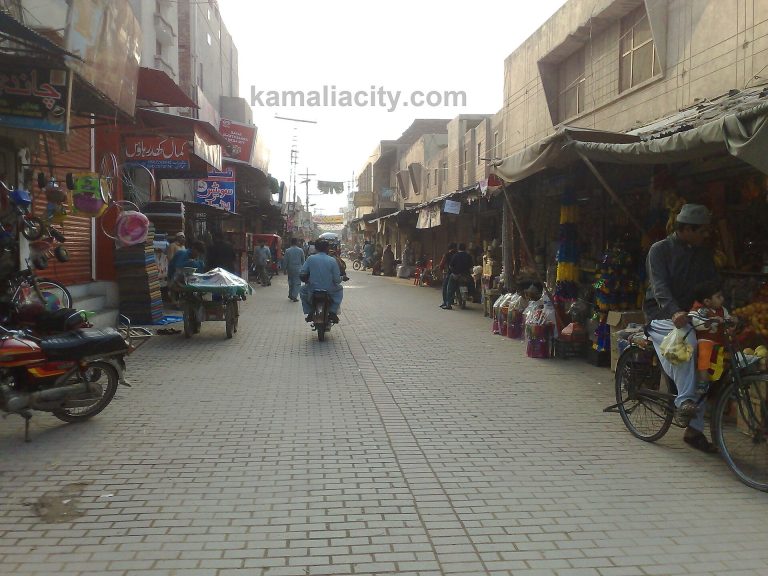
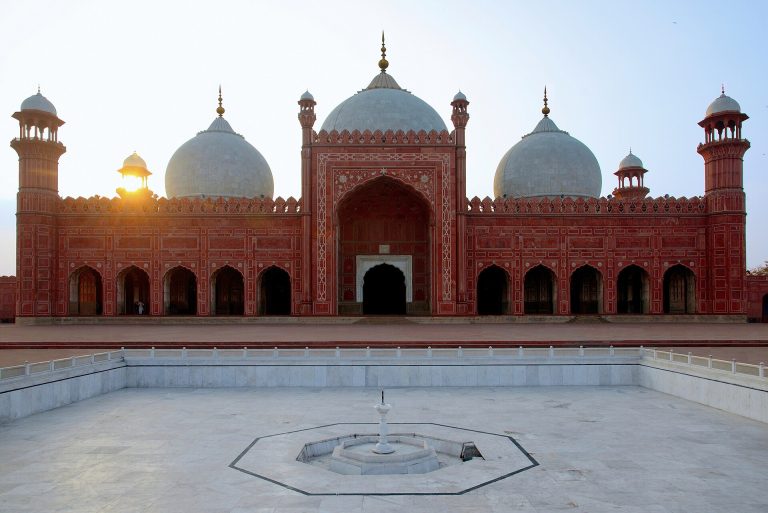
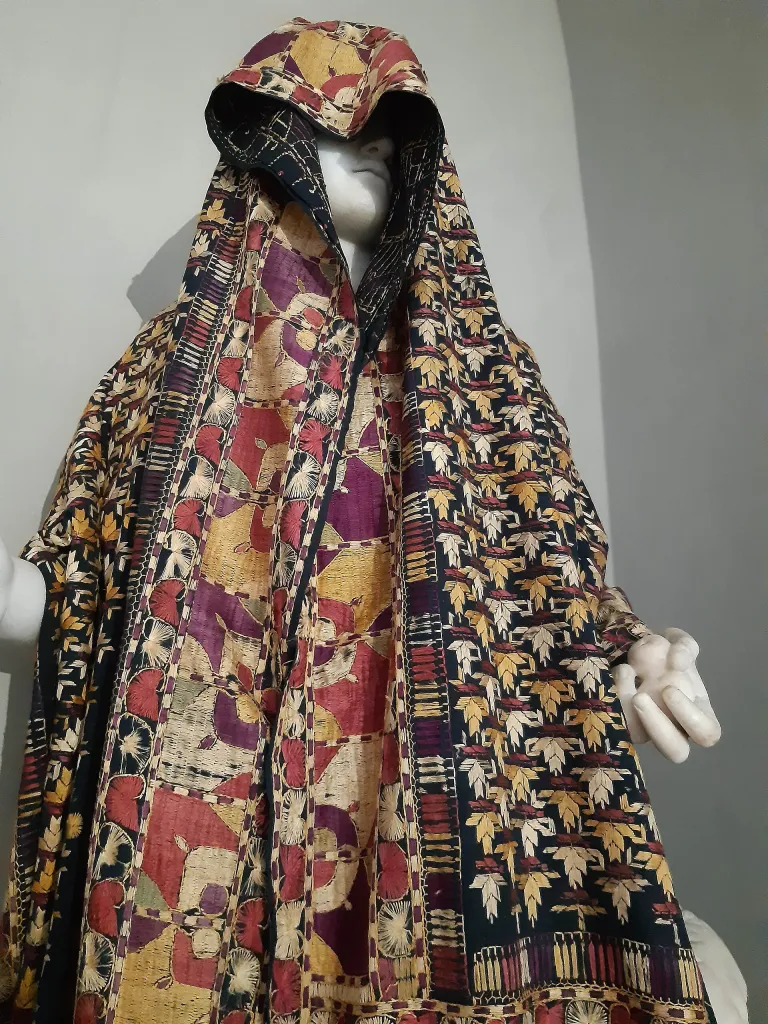
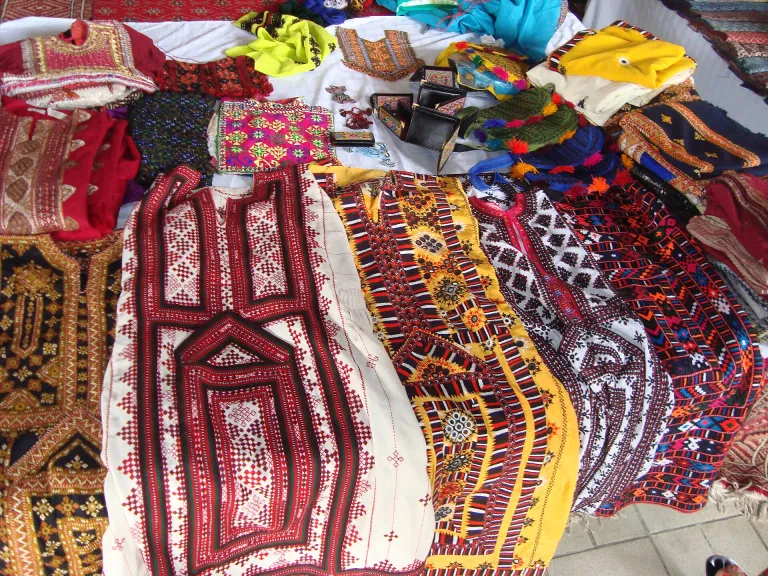
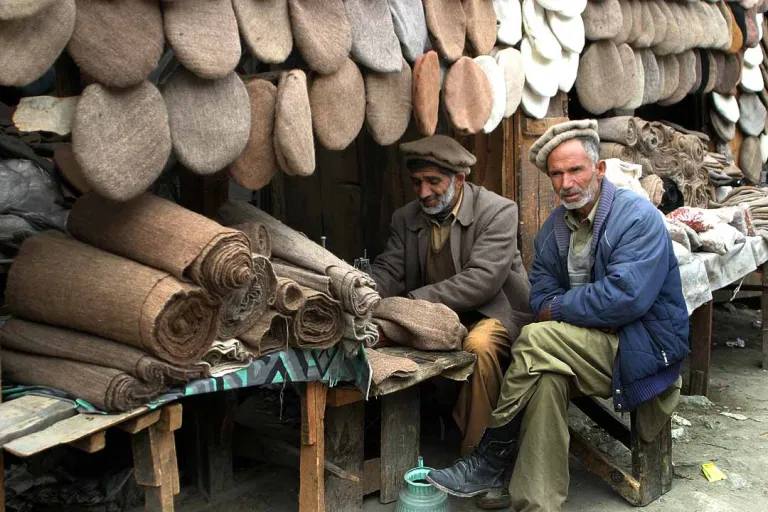
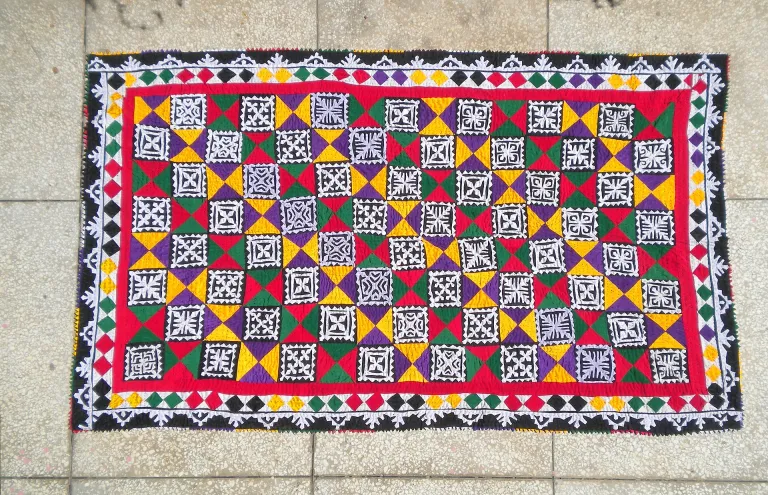
Ajrak cloth with indigo and crimson geometric block printsAjrakSindhCotton printed with carved wooden blocks and resist pastes, then dyed in indigo and madder red. Worn as a shawl, turban or wrap and given to honour guests.Block printingA colourful hand-stitched rilli quilt with appliqué patterns from SindhRilliSindh, Cholistan and eastern BalochistanQuilts pieced, appliquéd or embroidered by women, in bold red, black, white, yellow and green. Used as bedcovers, floor spreads and dowry gifts.QuiltingShops and shoppers in Iqbal Bazaar, KamaliaKhaddarPunjabHand-spun, handwoven cotton with a soft, slightly uneven texture. Kamalia in Punjab is known for its handloom cloth; in shops today the word also covers heavier mill-made winter cotton.HandloomThe red sandstone Badshahi Mosque with white marble domes and tall minarets, LahoreKhesPunjabA thick woven cotton sheet or blanket, usually in checks, stripes or geometric patterns, used on charpais and beds and often woven in pairs for a dowry.WeavingA bagh phulkari densely embroidered in golden silk flossPhulkari and baghWestern Punjab and Hazara"Flower work": silk-floss darning stitched from the back of khaddar by counting threads. Pieces covered completely in stitching are called baghs, or gardens.EmbroiderySindhi Culture Day celebrations with ajrak and embroidered topis in HyderabadSindhi embroiderySindhMirror-work (shisha), chain stitch and satin stitch on caps, bodices and wall hangings, especially among the communities of Thar, Badin and Umerkot.EmbroideryMirror-workBalochi dresses with dense, colourful hand embroideryBalochi needleworkBalochistanDense geometric embroidery on the front panel, cuffs and pocket of women's dresses. A fine dress can take months to stitch.EmbroideryPanoramic view of Kalam in the upper Swat valley, with forested slopes and mountainsSwati wool and embroiderySwat, Khyber PakhtunkhwaIslampur village near Saidu Sharif weaves shawls and pattu cloth on hand and power looms, and Swat is known for geometric silk embroidery in triangles and squares.WoolEmbroideryCraftsmen making woollen pakol caps in northern PakistanChitrali pattiChitralThick handwoven woollen cloth used for long choghas, waistcoats and the rolled pakol cap. Most is sold in Chitral's bazaars.Wool

Sindh: Ajrak, Rilli and Mirror-work

How ajrak is made

An ajrak passes through many stages over several days: washing, mordanting, printing with resist pastes, dyeing in indigo, printing again, dyeing in madder, then washing and sun-drying. Each colour needs its own set of carved blocks, which must line up exactly. Centres include Matiari, Hala, Bhit Shah and Hyderabad.

The craft faces competition from cheap screen-printed and digitally printed copies. Karachi block-makers have told reporters that fewer young people are taking up the trade. Each December, Sindhi Culture Day fills streets and campuses with ajraks and embroidered Sindhi caps.

Explore
Block-printed ajrak in indigo and crimson

Rilli and embroidery

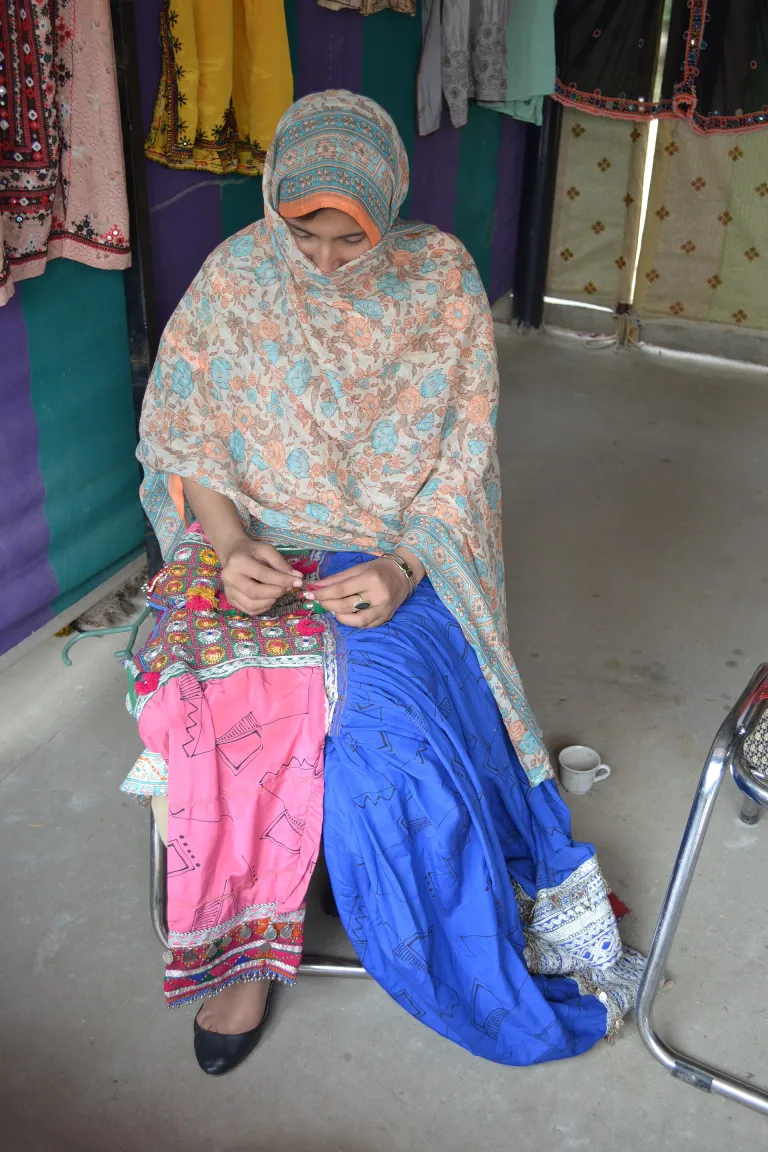
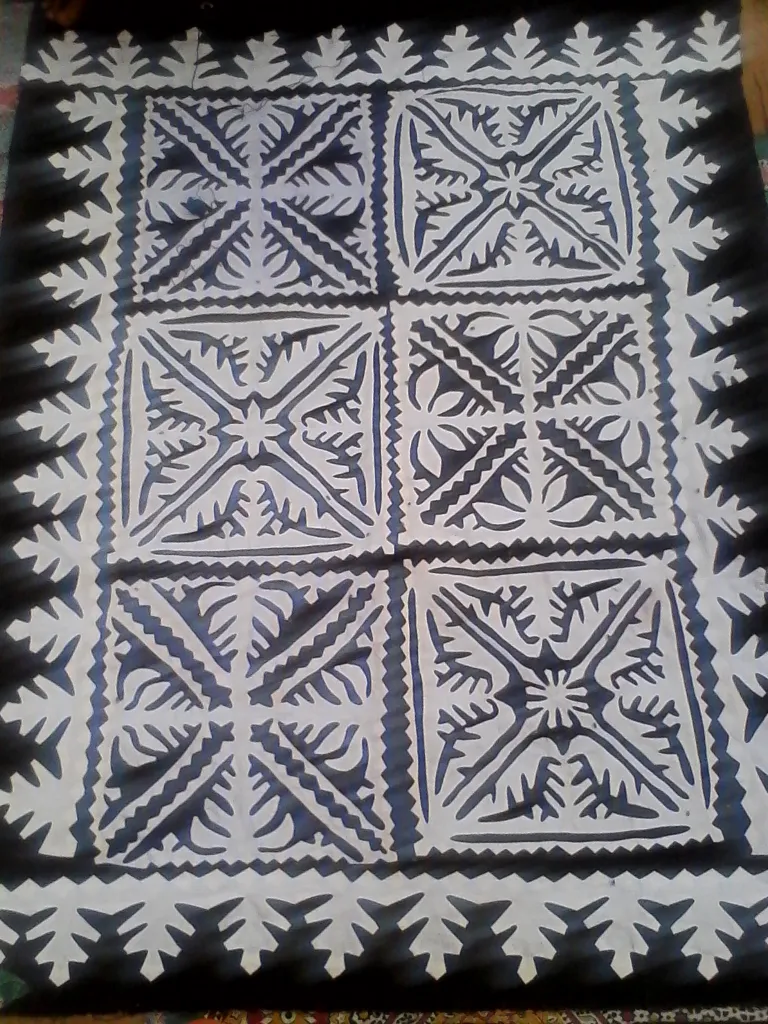
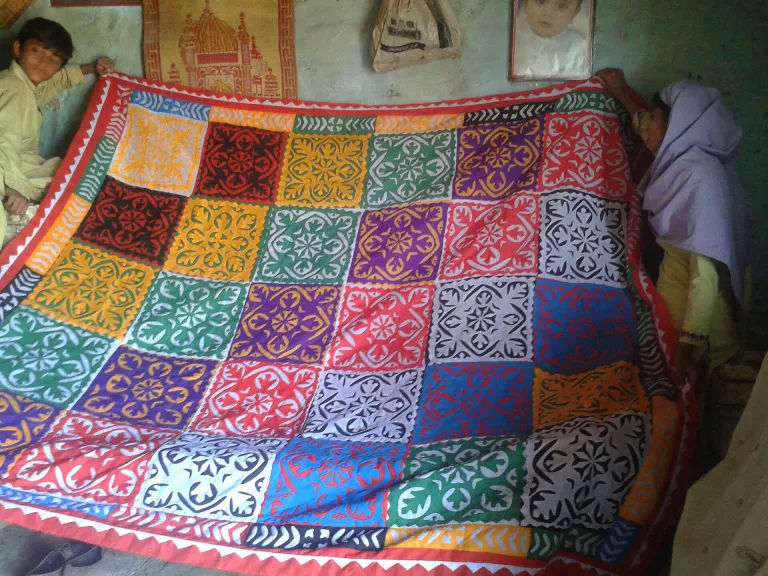
Rillis come in three broad types: patchwork from scraps, appliqué with cut-out shapes, and embroidered. Women often make them together and use up leftover cloth, so every quilt is different. Typical motifs are stepped triangles, diamonds and rosettes.

In the Thar and lower Sindh, women embroider caps, bodices and dowry pieces with tiny mirrors held in place by buttonhole stitch. Look at the edges of the mirrors. Hand-stitched ones sit in a slightly uneven ring of thread, while machine copies are glued or held by a perfect zigzag.

Explore
Patchwork rilli quilt in red, black and white

Punjab: Phulkari, Khes and Multani Work

Phulkari belongs to both halves of the old Punjab. In Pakistan it is associated with the western districts, the Potohar plateau and Hazara. The traditional method is darning stitch in untwisted silk floss, often golden-yellow, white or magenta, worked on a dark red or rust khaddar ground. The embroiderer counts the threads from the back of the cloth instead of tracing a pattern. A bagh is covered so completely that the base cloth hardly shows. Antique pieces are prized by collectors and museums. New phulkari is often machine-made or done in quicker stitches, which is fine as long as it is sold honestly.

Khes weaving produced the thick cotton sheets found on every village charpai. Double-cloth techniques give some khes a reversible pattern. Khaddar, the hand-spun cotton beneath many traditional embroideries, is still woven in small workshops in towns such as Kamalia. During the independence movements of the early 20th century, homespun cloth also carried a political meaning.

In Multan and the Saraiki belt, the old city bazaars sell embroidered khussa slippers decorated with gold thread and mirrors, along with embroidered shawls and kurtas. Southern Punjab's Cholistan shares the rilli and mirror-work traditions of neighbouring Sindh.

A bagh phulkari embroidered in golden silk floss
A bagh phulkari, so densely embroidered that the base cloth disappears

Balochistan and the North

Balochi and Brahui embroidery

Balochi women's dresses are known for very fine geometric embroidery packed onto the chest panel, sleeves and a long front pocket. The stitches are tiny and the colour combinations bold, and some styles add mirrors or silk tassels. A dress may take months of evening work, and many women stitch for their own families instead of selling.

Look for embroidered dresses and panels in Quetta's bazaars and in Makran towns such as Turbat. Kohistan, further north, has its own beaded and embroidered wedding dresses (jumlo), some of which are now in museum collections abroad.

Explore
A Balochi dress with intricate hand embroidery on the bodice and sleeves

Wool of Swat, Chitral and Gilgit-Baltistan

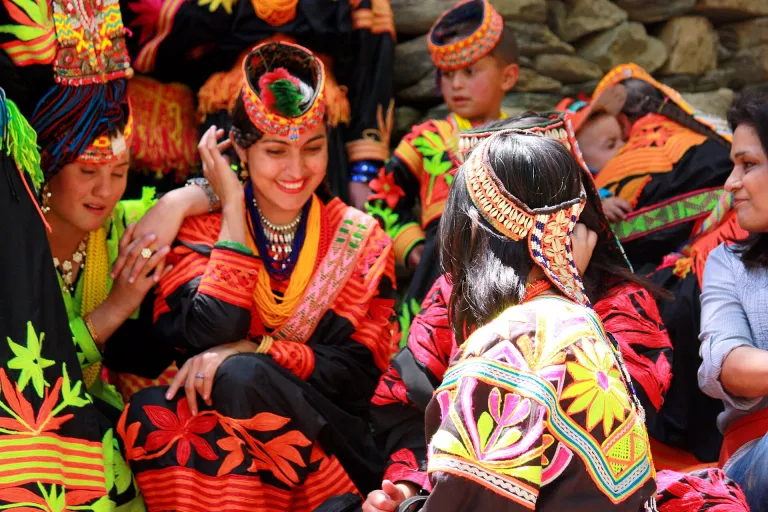
In the mountains, wool rules. Islampur, near Saidu Sharif in Swat, is a village of weavers. Dawn reported 3,000–4,000 handlooms there in 2011, with women spinning yarn on the charkha. Swati shawls and pattu cloth for waistcoats and caps are sold across Pakistan. Chitral and Gilgit-Baltistan weave their own patti, a dense woollen cloth for choghas and pakols. In the Kalash valleys, women's black dresses are trimmed with bright embroidered bands.

Explore
Kalash women in black embroidered dresses and cowrie-shell headdresses

Kashmiri Shawls in Azad Jammu and Kashmir

Kashmir's shawl tradition is one of the most celebrated in the world. It is famous for fine wool and for embroidery so dense that the cloth seems painted. The tradition belongs to the whole of the historic Kashmir region, which remains a disputed territory. In Azad Jammu and Kashmir, administered by Pakistan, embroidered shawls, stoles and wall hangings are sold in the bazaars of Muzaffarabad, alongside walnut-wood carving and papier-mâché.

Most shawls you will see are fine wool or wool blends, embroidered by hand or machine in paisley (kairi) and floral designs. True pashmina, from the soft undercoat of high-altitude goats, is expensive and widely imitated, and a low price is a warning sign. Ask what the shawl is made of. Look at the back of the embroidery, where hand work shows small knots and slight irregularities. A shop that explains its sources is usually more reliable than one that just insists everything is "pure".

Lawn, Cotton and the Mills of Faisalabad

Cotton has been grown and woven in the Indus region since ancient times; spun cotton fragments are among the finds from the Indus civilisation. Today cotton fields stretch across central and southern Punjab and Sindh, and the textile chain runs all the way from ginning to finished garments and home textiles.

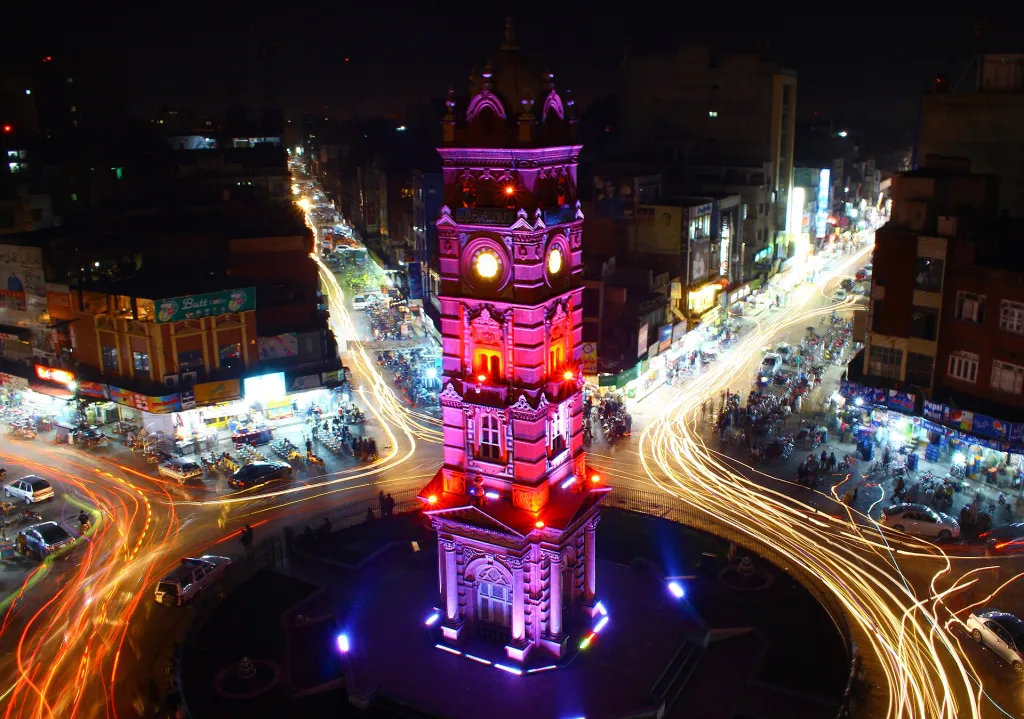
Faisalabad, built as the colonial canal town of Lyallpur, is the centre of this industry and is often called the Manchester of Pakistan. In 2019 the president of the Faisalabad Chamber of Commerce and Industry said the city accounts for about 60% of the country's textile exports. Its yarn and cloth markets around the Clock Tower sell bolts of lawn, cotton and denim.

Lawn, a fine, light cotton, is the national summer fabric. Every spring Pakistani fashion houses release new printed lawn collections, usually sold as unstitched three-piece suits (shirt, trousers and dupatta) that customers take to their own tailor. Lawn launches are now one of the biggest events in the Pakistani retail calendar. Many designs borrow ajrak, phulkari, truck-art and Mughal motifs, which brings old patterns to new buyers, even when the printing is digital.

The Clock Tower at the centre of Faisalabad's eight bazaars
Faisalabad's Clock Tower, at the hub of the city's eight bazaars

How to Recognise Handmade

  • Block prints: look for tiny breaks, overlaps and colour variations where blocks meet. A perfectly even repeat with crisp edges usually means screen or digital printing.
  • Ajrak: genuine hand-dyed pieces show the colour on both sides of the cloth and have a slightly earthy smell when new; prints that are bright on one side only are surface-printed.
  • Embroidery: turn it over. Hand stitching has knots, thread changes and slight unevenness, while machine embroidery has a uniform backing and identical stitches.
  • Mirror-work: hand-set mirrors sit inside a ring of buttonhole stitches. Glued or plastic 'mirrors' are imitations.
  • Handloom cloth: the weave and the edges are slightly irregular, and the texture varies a little across the width.
  • Wool and pashmina: be sceptical of very low prices. Ask the seller to explain the fibre, and buy from shops that will put it in writing.
  • Old pieces: antique textiles may be protected cultural property, so check export rules before buying anything described as old.

Where to Buy

Hyderabad, Hala and Bhit Shah

Sindh

Ajrak, rillis, Sindhi caps and mirror-work. Hala is also known for striped susi handloom cloth.

Multan and Bahawalpur

Southern Punjab

Embroidered khussas, shawls and Cholistani textiles in the old city bazaars.

Lahore and Faisalabad

Punjab

Fabric bazaars for lawn and cotton, and boutiques and craft shops that sell phulkari and khes.

Mingora and Chitral

Khyber Pakhtunkhwa

Swati shawls, pattu and patti cloth, pakols and embroidered pieces, often straight from the weavers.

Quetta

Balochistan

Balochi and Brahui embroidered dresses and panels, carpets and rugs.

Lok Virsa

Islamabad

The national folk-heritage institute's museum and festivals bring artisans from every province together.

Engaging Respectfully with Makers

Buy close to the source. Cooperatives, NGO outlets, craft fairs and workshops let more of the price reach the person who did the work. Bargaining is normal in bazaars, but remember that a rilli or an embroidered dress may represent months of labour.

Ask before you photograph. Much embroidery is done by women at home, and many will not want to be photographed. Ask first, and accept a no. Photographing the work itself is usually welcome.

Credit the craft. If you use a traditional motif in your own design or post, name where it comes from and, ideally, who made it.

Frequently Asked Questions

What is ajrak and where does it come from?

Ajrak is a cotton cloth block-printed with resist pastes and dyed mainly in indigo and madder red, traditionally made in Sindh at centres such as Matiari, Hala, Bhit Shah and Hyderabad. It is worn as a shawl or turban and is a symbol of Sindhi identity and hospitality.

What is the difference between khaddar and lawn?

Khaddar is traditionally hand-spun, handwoven cotton with a coarse, uneven texture; in shops the word is also used for heavier winter cotton. Lawn is a fine, lightweight cotton used for summer clothes and printed in huge numbers by Pakistani mills and fashion brands.

Is phulkari a Pakistani craft?

Yes. Phulkari developed across the historic Punjab, which was divided in 1947, so it is part of the heritage of both Pakistani and Indian Punjab. On the Pakistani side it is associated with western Punjab, the Potohar region and Hazara.

How can I tell if a shawl is real pashmina?

It is hard to be sure without testing. Real pashmina is expensive, very soft and light, and widely imitated. Be wary of low prices, ask the seller exactly what the fibre is, and buy from established shops that will state the content on the receipt.

Where is the best place to buy handmade textiles in Pakistan?

As close to the maker as possible: Sindh's craft towns for ajrak and rilli, Swat and Chitral for wool, Quetta for Balochi embroidery, and Lok Virsa events or reputable craft cooperatives in the big cities for a range from every region.

How we know this

  • Type Historical & cultural research
  • Sources 9
  • Reviewed October 2026
  • Disputed points None
9 sources
  1. Industrialization gaining momentum in Faisalabad owing to government policies, Associated Press of Pakistan
  2. Swat: Weaving back past glory, Dawn
  3. Reinventing tradition (Pakistani craft motifs: ajrak, rilli, Swati embroidery), Dawn
  4. Fading block prints: the craft's end looms nigh, The Express Tribune
  5. History of Lok Virsa, Lok Virsa, National Institute of Folk and Traditional Heritage
  6. Swat Museum (ethnographic collection of local embroidery), Directorate of Archaeology & Museums, Khyber Pakhtunkhwa
  7. Ajrak, Wikipedia (used to locate sources)
  8. Phulkari, Wikipedia (used to locate sources)
  9. Sindhi Cultural Day, Wikipedia (used to locate sources)
Photo credits (16)
Suggest a correction

Stay updated

Stay Connected with DailyLife.pk

Get new travel guides, recipes and stories from across Pakistan, no spam, unsubscribe any time.

Your Pakistan journey starts here

From majestic mountains to vibrant cities, rich cuisine to timeless traditions — discover the real Pakistan with DailyLife.pk.