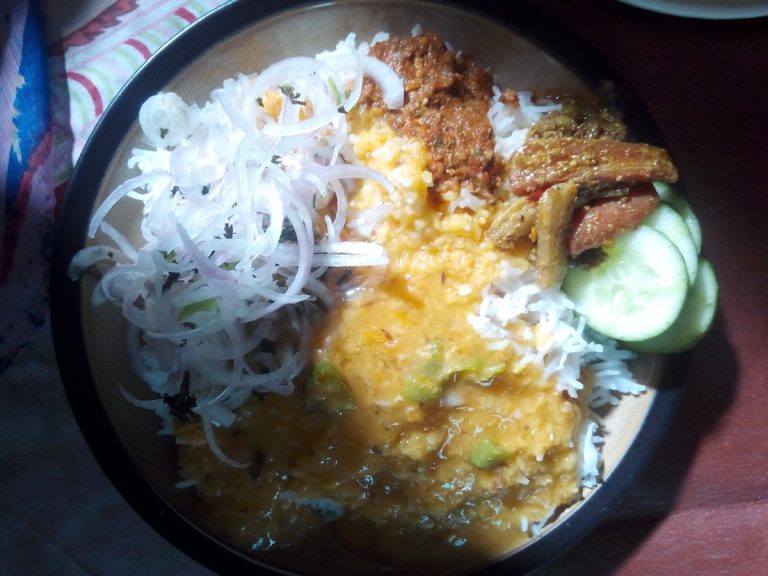
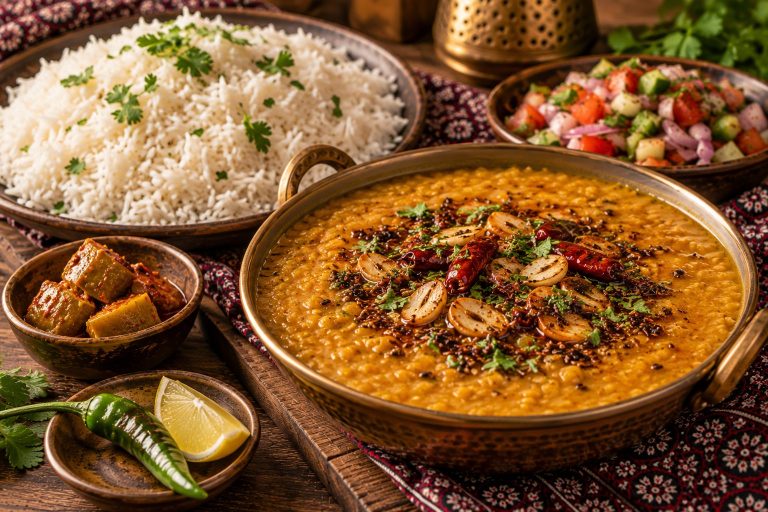
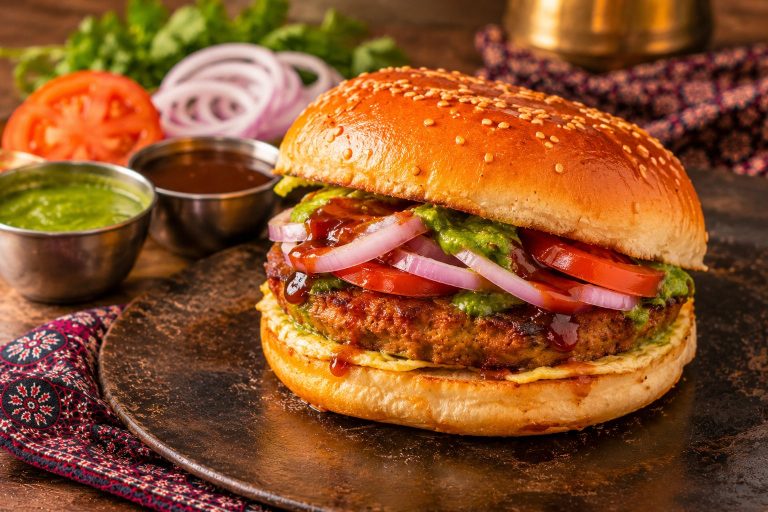
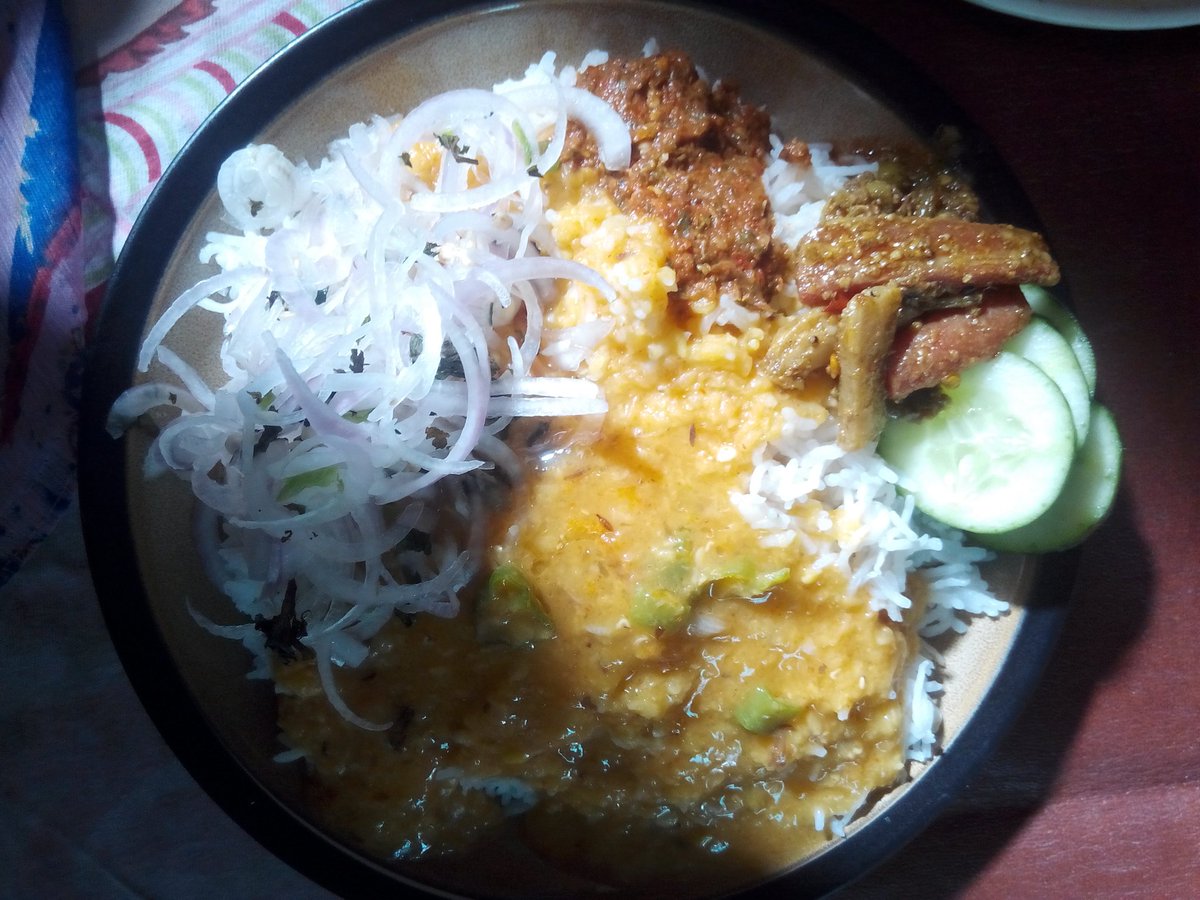
A plate of daal chawal: yellow lentil curry served over white rice, Pakistan

Cooking guide

Daal and Beans: The Everyday Pot

Masoor, moong, chana and mash daal, plus lobia, rajma and chickpeas: which need soaking, pot or pressure cooker, and how to finish them with a sizzling tarka.

  • Split lentils: no soaking needed
  • Whole beans: soak about 8 hours
  • Finish with a tarka

Pakistan

5–10 minSimmer time for split red lentils (masoor)USA Pulses
8–24 hoursOvernight soak for chickpeasUSA Pulses
30+ minVigorous boil for soaked kidney beans, in fresh waterU.S. FDA

Pakistan's Pulses

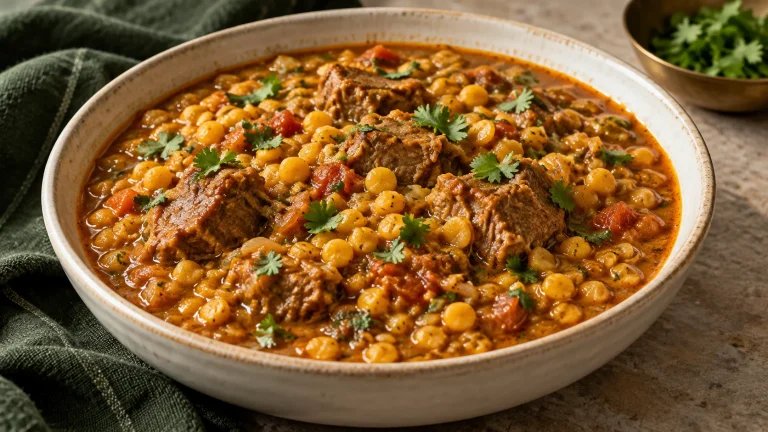
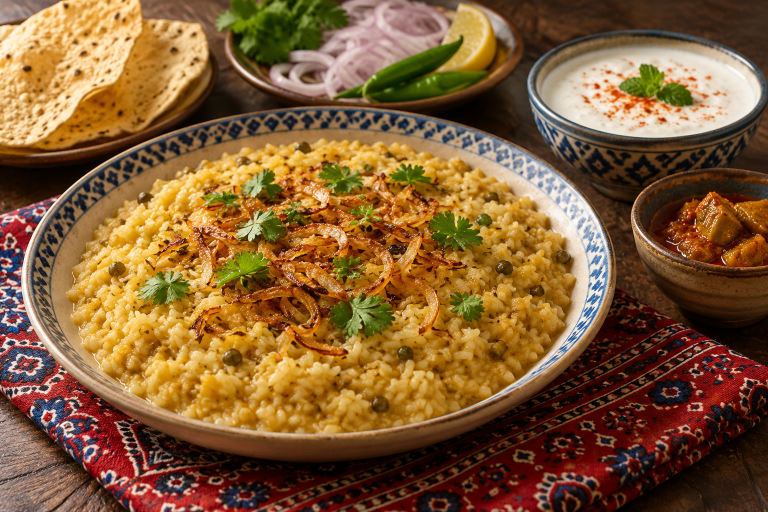
A pot of daal is the most ordinary and most comforting food in Pakistan: on the dhaba table with roti, poured over rice as daal chawal, cooked with meat as daal gosht, or thickened with rice as khichdi. Pakistani kitchens use a small family of split lentils and peas (daal usually means the split, often husked, form) and a few whole beans and peas such as chickpeas, black-eyed peas (lobia) and red kidney beans (rajma).

The cooking is simple, but the pulses behave very differently. Split red lentils collapse into a purée in minutes. Chana daal and mash daal hold their shape and need longer. Whole beans need soaking and, in the case of kidney beans, thorough boiling to be safe. Almost all of them are finished the same way, with a tarka (also called baghar or tadka): spices and onion or garlic sizzled in hot ghee or oil and poured over the pot at the last moment.

Cooking times always vary: older pulses, hard water and high altitude (Colorado State University Extension notes that cooking time increases with elevation) can all slow things down. Use the times below as a guide and taste.

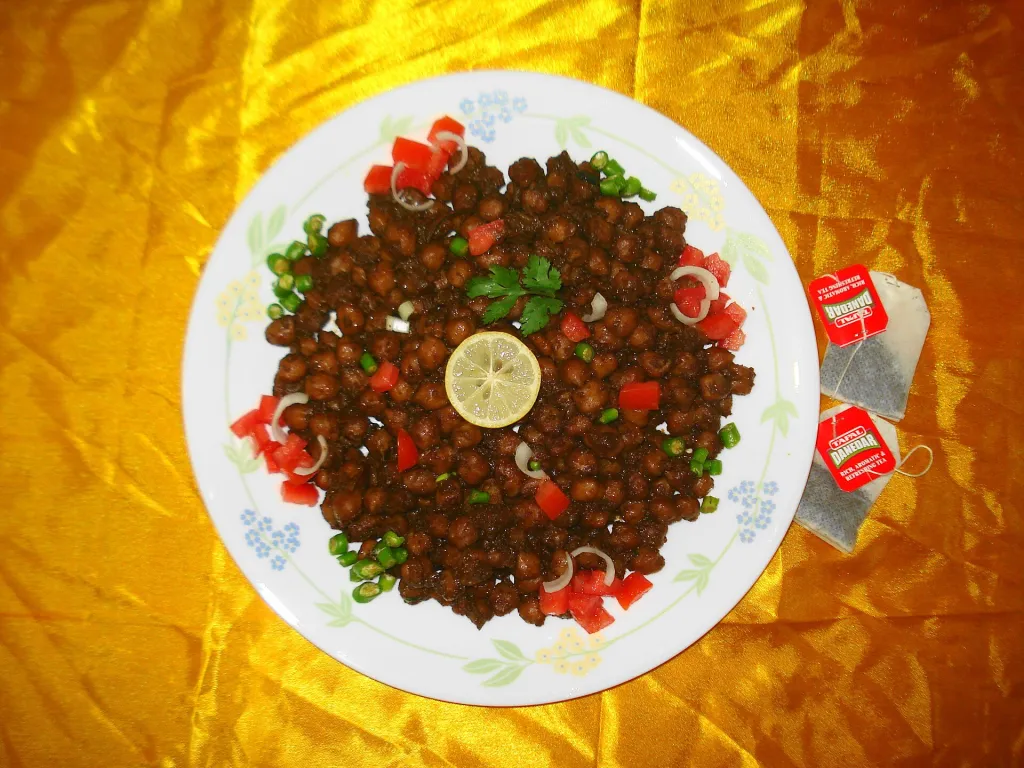
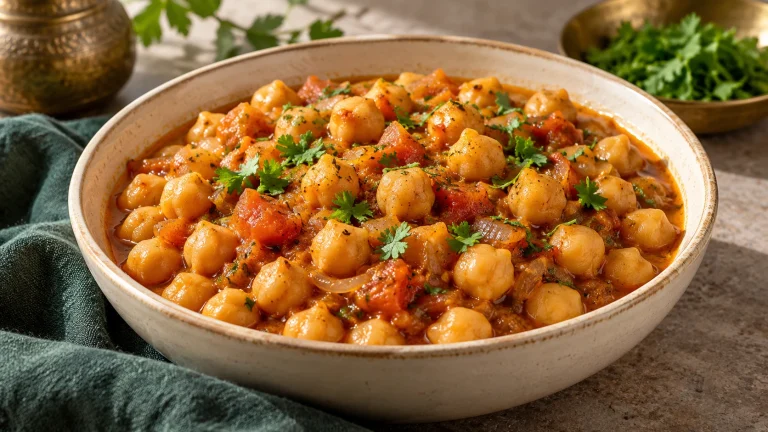
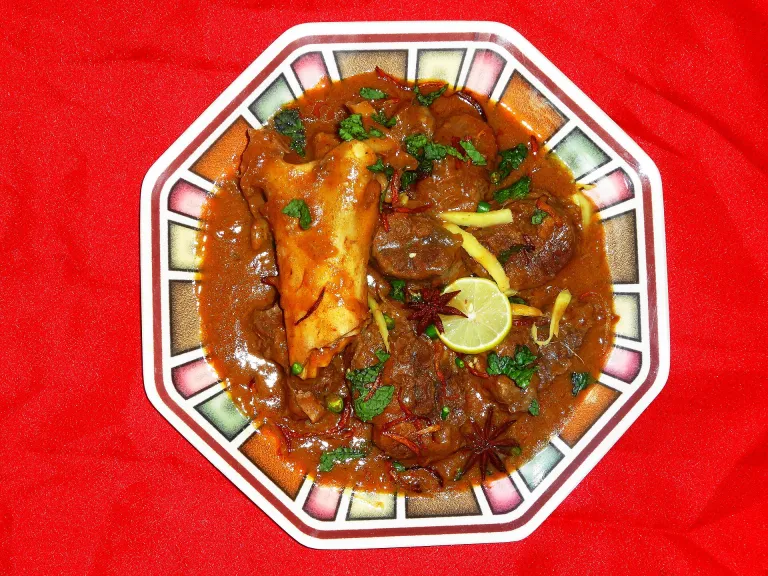
Pindi chana, dark spiced chickpeas
Chickpeas, whole or split as chana daal, are among the most widely cooked pulses in Pakistan.

Soaking and Cooking Guide

PulseUrdu nameSoak?In a pot (rough guide)Texture to aim for
Split red lentilsMasoor daal (dhuli)No; rinse wellAbout 10–20 minutes (split red lentils can soften in 5–10)Soft, collapsing, creamy
Whole brown lentilsSabut masoorOptional, 30 min–2 hoursAbout 30–45 minutesTender but whole
Split yellow mungMoong daal (dhuli)Optional, 15–30 minAbout 20–30 minutesSoft, grains just holding
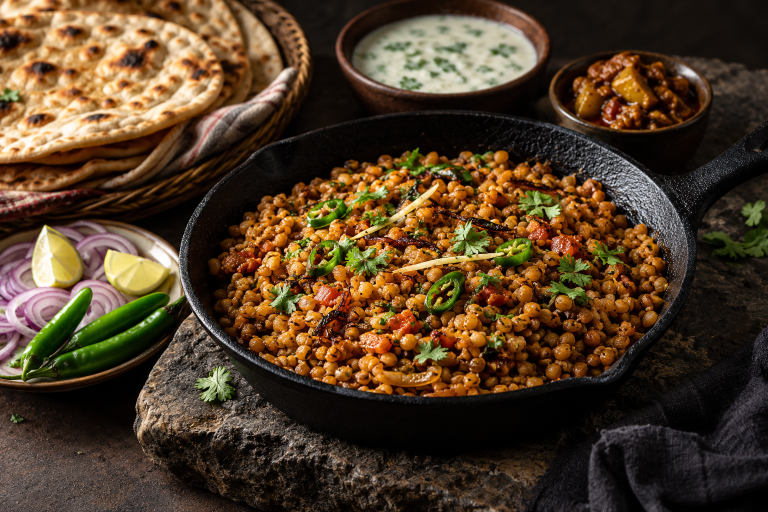
Split chickpeasChana daalRecommended, 1–2 hours or moreAbout 45–75 minutesTender, holding shape
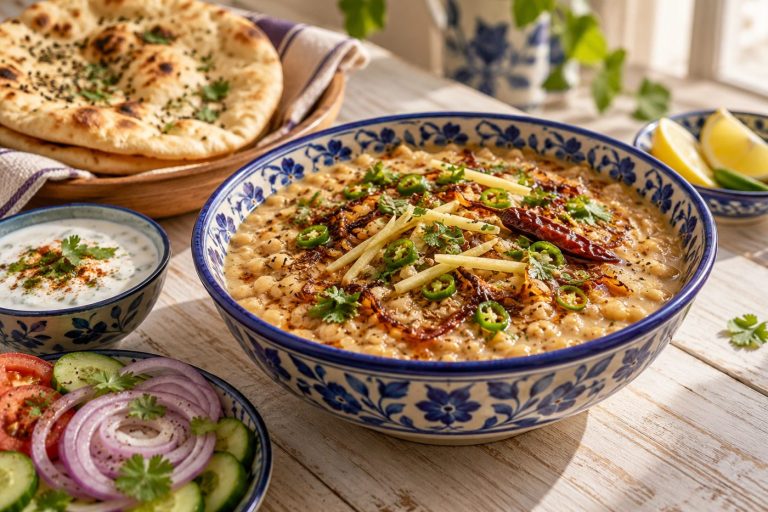
Split black gramMash daal (dhuli)Recommended, 1–2 hoursAbout 30–45 minutes; watch it, it turns stickySeparate grains for mash fry; creamy for daal
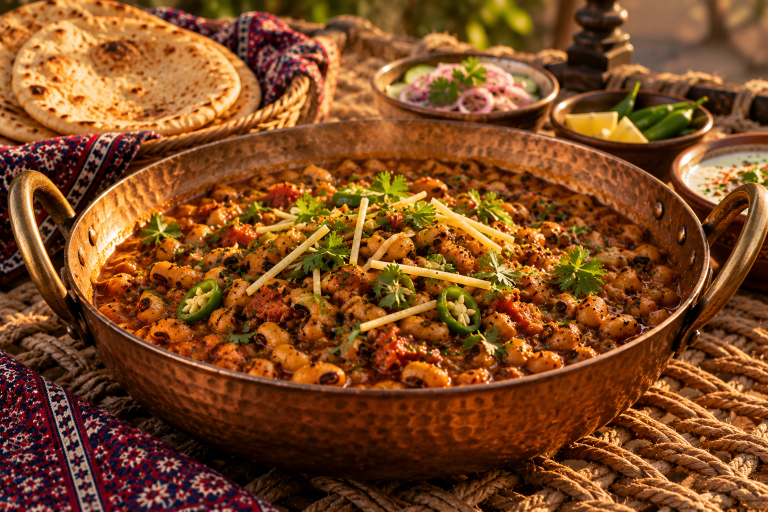
Black-eyed peasLobiaOptional; they cook without soakingAbout 45–60 minutes unsoakedTender, skins intact
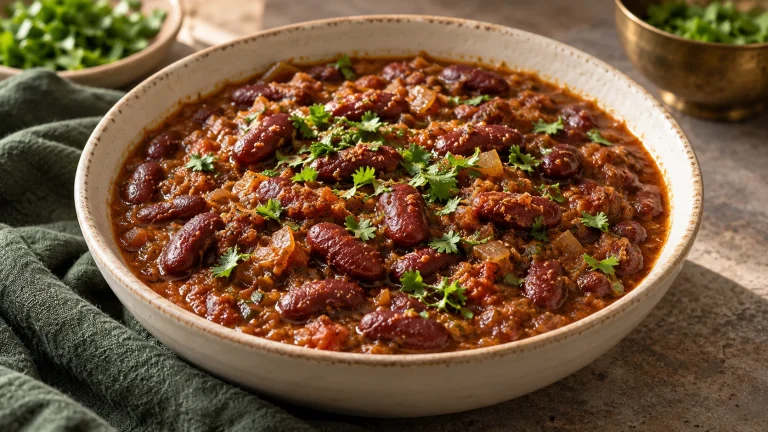
Red kidney beansRajmaYes, at least 5 hours (FDA); overnight is commonBoil hard at least 30 minutes, then simmer about 1–2 hours until fully softCompletely soft right through
White chickpeasKabuli / safed chanaYes, 8–24 hoursAbout 1½–2 hoursCreamy inside, skins intact
Black chickpeasKala chanaYes, overnightOften 1½ hours or more; slower than white chanaFirm-tender, nutty

Times are general ranges compiled from USA Pulses and Colorado State University Extension guidance and common Pakistani practice; they vary with age of pulses, water hardness, altitude and pot. Always taste.

Kidney beans must be fully cooked. Raw and undercooked red kidney beans contain a natural lectin, phytohaemagglutinin, that can cause severe stomach upset. The U.S. Food and Drug Administration advises soaking the beans for at least 5 hours, discarding the water, and boiling them in fresh water for at least 30 minutes. Do not cook dried rajma from raw in a slow cooker, which may not get hot enough; boil them first. Tinned kidney beans are already cooked.

Pot or Pressure Cooker?

In a pot

Best for masoor and moong, which cook quickly anyway, and for any daal where you want to control the texture. Bring to the boil with turmeric and salt, skim off the foam, then simmer partly covered, stirring now and then and adding hot water as it thickens. A wooden ghotni or whisk helps mash masoor smooth.

In a pressure cooker

Saves a lot of time for chana daal, mash, rajma and chickpeas. Pulses foam, so fill the cooker no more than half full (the limit Presto and other manufacturers set for dry beans and grains), and let the pressure release naturally. Split peas and other very foamy foods can clog the vent; follow your cooker's manual. See our pressure cooking guide for timings.

How to Make a Tarka

  1. 1

    Get the daal ready first

    The tarka should go on at the last moment, onto a hot, finished pot of daal, so have everything prepared.

  2. 2

    Heat ghee or oil

    Use a small pan (a tarka pan or a frying pan). Two to four tablespoons is typical for a family pot.

  3. 3

    Add whole spices

    Cumin seeds go in first and should sizzle and darken slightly within seconds. Dried red chillies and curry leaves (in some Karachi and Sindhi kitchens) follow.

  4. 4

    Add garlic or onion

    Sliced garlic for masoor and moong, thinly sliced onion for chana and mash. Fry until golden, not dark.

  5. 5

    Pour and cover

    Pour the sizzling tarka over the daal and cover the pot straight away for a minute to trap the aroma. Stand back: hot fat on liquid spits.

Daal and Bean Troubleshooting

ProblemLikely causeFix
Beans still hard after hoursOld beans, hard water, not soaked, acidic ingredients added too earlyKeep simmering or pressure-cook; add tomatoes and tamarind once beans are soft.
Daal too thinToo much waterSimmer uncovered, or mash some of the lentils to thicken.
Daal too thickIt thickens as it standsStir in hot (not cold) water to loosen it before serving.
Bland daalUnder-salted or no tarkaSeason properly and finish with a good tarka; a squeeze of lemon helps.
Bitter tarkaGarlic or cumin burntThrow it out and make a new one; it takes two minutes.
Mash daal glueyOvercooked or stirred hardCook gently and stop as soon as the grains are tender.
Pressure cooker spitting frothOverfilled, or vent blocked by foamFill no more than half, skim foam before closing, and let pressure release naturally.

Frequently Asked Questions

Do I need to soak lentils?

Split lentils such as masoor and moong do not need soaking; just rinse them. Chana and mash daal cook faster and more evenly after an hour or two. Whole beans and chickpeas should be soaked, usually overnight.

Is it safe to eat undercooked rajma?

No. Raw or undercooked kidney beans contain a lectin that can cause severe gastric upset. The FDA advises soaking for at least 5 hours, discarding the water and boiling in fresh water for at least 30 minutes.

What is the difference between tarka, tadka and baghar?

They are names for the same thing: spices and aromatics fried in hot fat and poured over a dish to finish it. 'Baghar' is common in Urdu-speaking homes, 'tarka' in Punjab.

Why add salt or tomato late to beans?

Acidic ingredients like tomato, tamarind and lemon can keep beans firm, so many cooks add them once the beans are soft. Salt is less of a problem; Colorado State University Extension notes that salting soaking water can even help beans cook evenly.

Can I freeze cooked daal?

Yes. Cool it quickly, freeze in portions and reheat until piping hot, adding water as it thickens. See our storage guide for recommended times.

How we know this

  • Type Explainer
  • Sources 5 (3 official/academic)
  • Reviewed October 2026
  • Disputed points None
5 sources
  1. How to make pulses, USA Dry Pea & Lentil Council (USA Pulses)
  2. Cooking dry beans, Colorado State University Extension
  3. Natural Toxins in Food (phytohaemagglutinin in kidney beans), U.S. Food and Drug Administration
  4. Pressure cooker instructions and recipe book (fill limits, foods not to pressure cook, timetables), National Presto Industries
  5. Leftovers and Food Safety, USDA Food Safety and Inspection Service
Photo credits (5)
  • C8-DPPxXsAEeCOy.jpg, Maryum Siddiqui, CC BY-SA 4.0, via Wikimedia Commons
  • Pindi Chana.JPG, Miansari66, CC0, via Wikimedia Commons
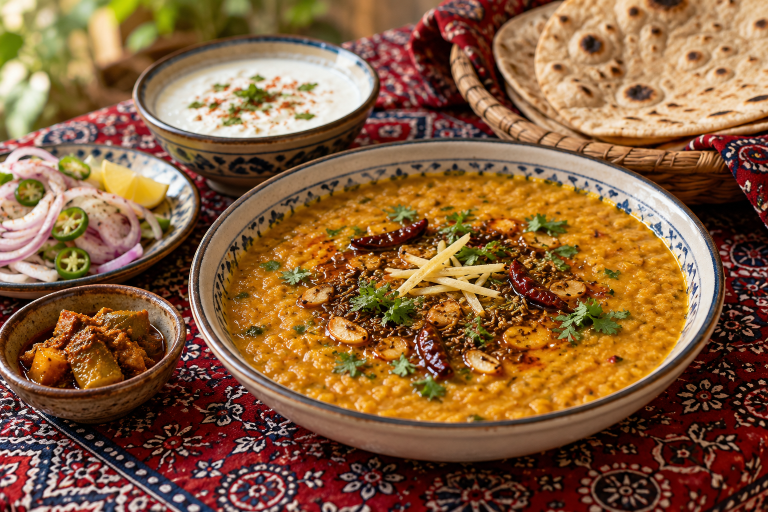
  • Daal Moong (illustration), DailyLife.pk, Illustrative image
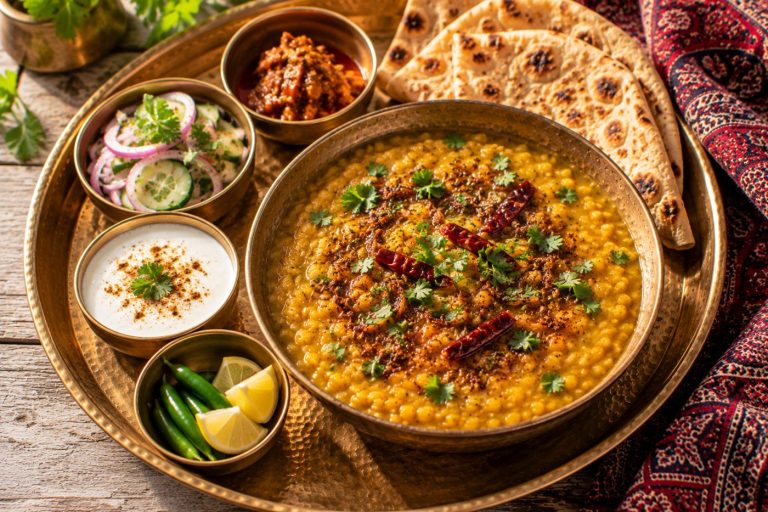
  • Chana Daal (illustration), DailyLife.pk, Illustrative image
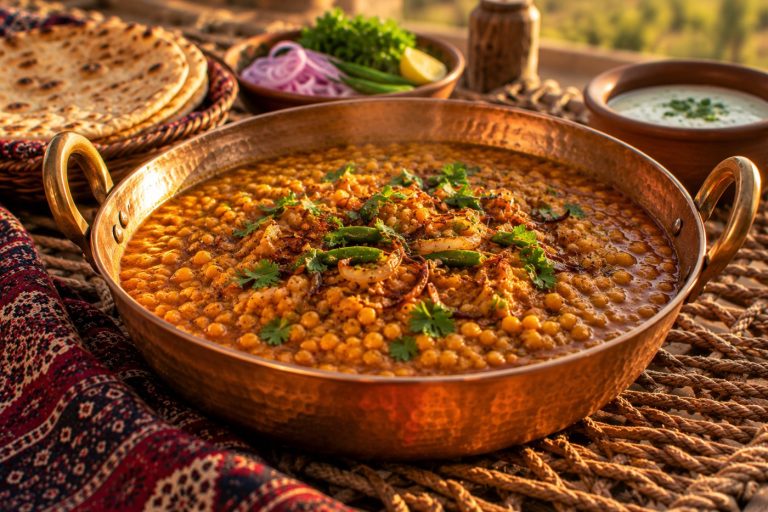
  • Daal Mash (illustration), DailyLife.pk, Illustrative image
Suggest a correction

Stay updated

Stay Connected with DailyLife.pk

Get new travel guides, recipes and stories from across Pakistan, no spam, unsubscribe any time.

Your Pakistan journey starts here

From majestic mountains to vibrant cities, rich cuisine to timeless traditions — discover the real Pakistan with DailyLife.pk.