
City guide
Jacobabad: Frontier Town on the Edge of the Heat
A planned 19th-century frontier town in northern Sindh, named after its founder John Jacob, now a rice-country market city famous for some of the most extreme heat on Earth.
- Northern Sindh, near Balochistan
- Railway junction
- Among the world's hottest cities
- Best season: December–February
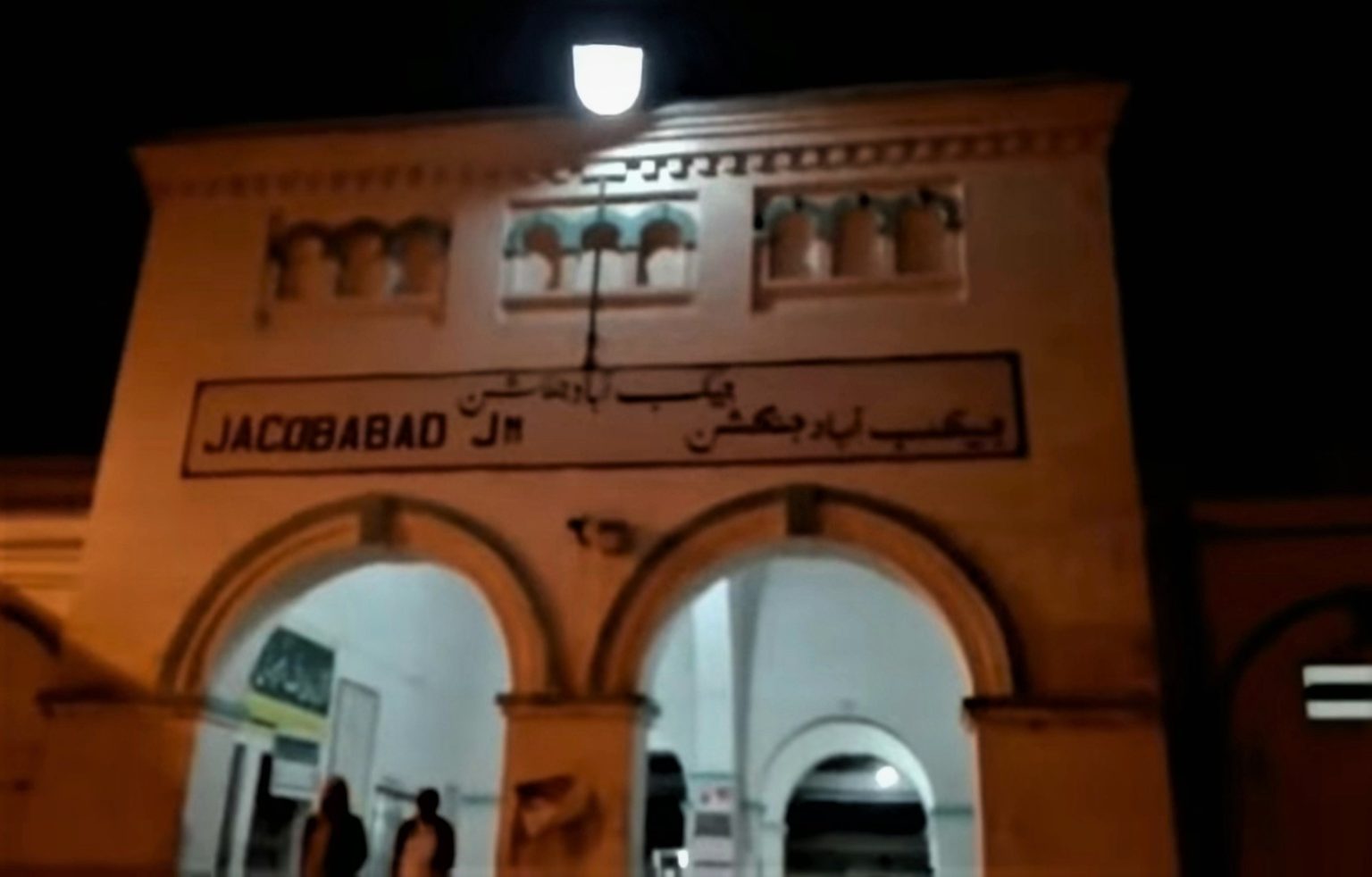
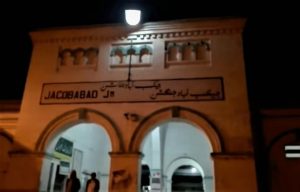
Jacobabad Junction railway station, Sindh
Jacobabad at a Glance
About Jacobabad
Jacobabad stands in the far north of Sindh, close to the border with Balochistan, on the old routes that lead from the Indus plain towards the Bolan Pass and Quetta. In 1847 John Jacob, the district's first deputy commissioner, laid out a new town on the site of the village of Khangarh. It took his name, and it became a municipality in 1875.
The 2023 Census counted 219,315 people in Jacobabad city and 1,174,097 in Jacobabad District. The town sits at a junction of railway lines and main roads, and its grain markets and mills serve a wide rice- and grain-growing hinterland. Traditional manufactures include cotton carpets, lacquered wooden toys and lamps, and embroidery.
Jacobabad is best known today for its heat. It recorded 51 °C on 14 May 2022, and it is one of very few places on Earth where a wet-bulb temperature of 35 °C, the threshold beyond which the body can no longer cool itself by sweating, has been recorded. Heatwaves, water shortages and power cuts make summer extremely hard for residents, and the 2022 floods displaced much of the district's population.
The city's colonial layout survives in its broad streets, parks and the Victoria clock tower of 1887. Jacob himself is buried here, and the town still keeps monuments to him, including a memorial to his horse.
Jacobabad was laid out as a frontier post; today its frontier is the limit of what the human body can bear.
Things to See
A compact colonial-era core around the clock tower and the railway.
 Victoria clock towerBuilt in 1887, the clock tower is the centrepiece of the planned town and a landmark for finding your way through the bazaars.
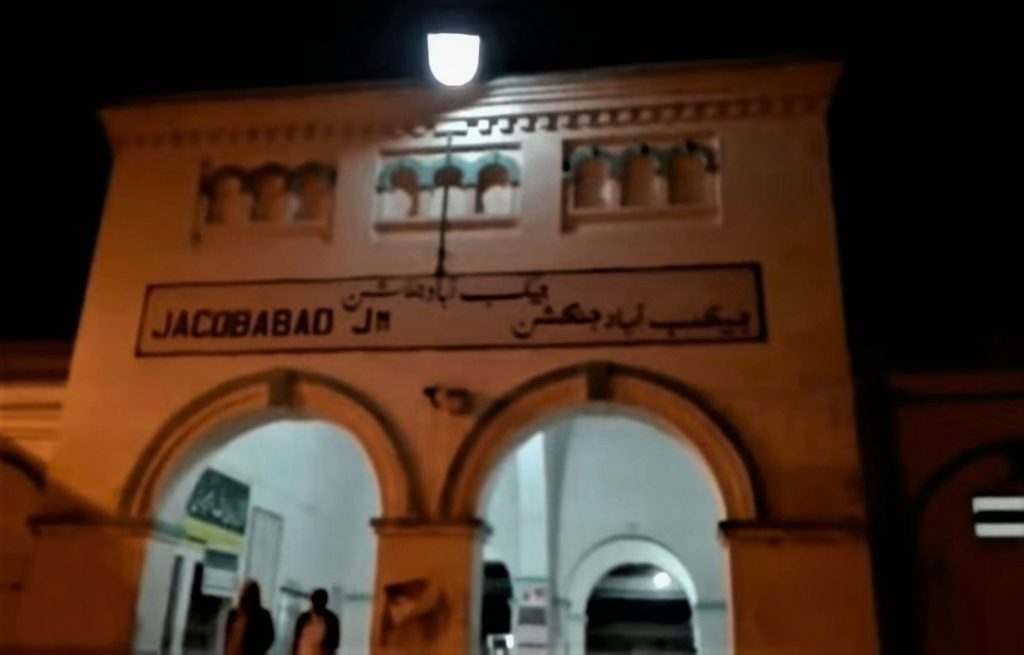
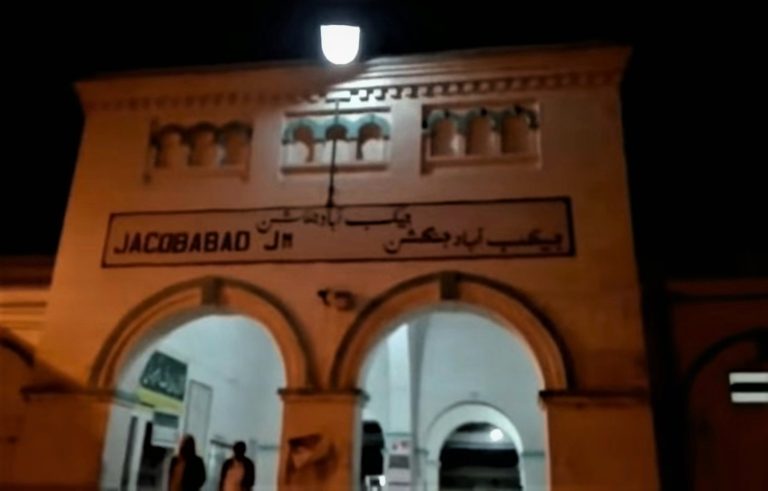 Jacobabad JunctionThe railway station reflects the town's role as a junction between the Indus plain and the routes into Balochistan.
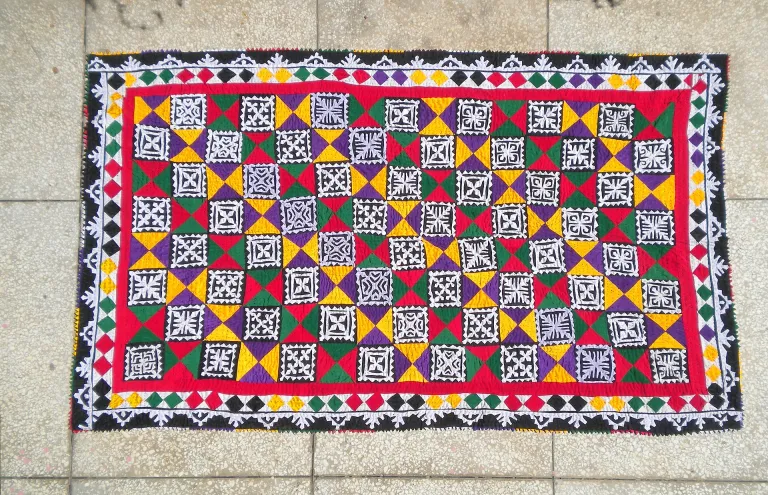 CraftsLook for embroidery, lacquered woodwork and cotton rugs, crafts long associated with the town.
Living with Extreme Heat
Most places never come close to this combination of heat and humidity. In summer 2022 temperatures in Jacobabad stayed above 38 °C for 51 consecutive days, and hospitals reported dozens of heatstroke admissions a day. Brick-kiln workers and farm labourers, who have little choice but to work outdoors, are especially exposed. Climate projections for the city point to a longer warm season and many more very hot days.
A Short History
1847
A new town
John Jacob lays out Jacobabad on the site of Khangarh village.
1875
Municipality
Jacobabad is incorporated as a municipality.
1887
Clock tower
The Victoria clock tower is built in the centre of town.
2021
Unliveable heat
Amnesty International describes Jacobabad's heat as unliveable for humans.
2022
Heat and flood
The city records 51 °C on 14 May; later that year floods damage or destroy more than 156,000 homes in the district.
Getting There and Around
By air
Via Sukkur
The nearest regular commercial flights are usually at Sukkur; continue by road.
By rail
Jacobabad Junction
Rail lines link the city with Sukkur and with routes towards Balochistan. Check current services with Pakistan Railways.
By road
From Sukkur, Shikarpur or Larkana
Main roads connect Jacobabad with Shikarpur, Sukkur and Larkana, and north-west towards Balochistan.
Around town
Rickshaws
Auto-rickshaws and qingqis are the usual way to get around.
Plan Your Visit
Best time to visit
December to February
Only the winter months are comfortable for sightseeing.
Heat warning
Avoid May–August
Summer heat here is dangerous. If travel is unavoidable, stay indoors in the afternoon, drink water constantly and know the signs of heatstroke.
Where to stay
Limited options
Accommodation is basic; many travellers base themselves in Sukkur.
Safety
Check before you go
Check current advisories and local authority guidance, particularly for road travel towards Balochistan and through rural areas.


Frequently Asked Questions
Why is it called Jacobabad?
It is named after John Jacob, the British officer and first deputy commissioner of the district, who laid out the town in 1847 on the site of the village of Khangarh.
Is Jacobabad the hottest city in the world?
It is among the hottest. It recorded 51 °C on 14 May 2022 and is one of very few places where a wet-bulb temperature of 35 °C has been recorded.
What is the population of Jacobabad?
The 2023 Census counted 219,315 people in Jacobabad city and 1,174,097 in Jacobabad District (Pakistan Bureau of Statistics).
When should I visit Jacobabad?
December to February. Summer heat is extreme and can be life-threatening.
Keep Exploring
Related places and stories on DailyLife.pk
 Mohenjo-daroPlan a visit to Mohenjo-daro, Sindh: the Great Bath, citadel stupa, lower town and museum
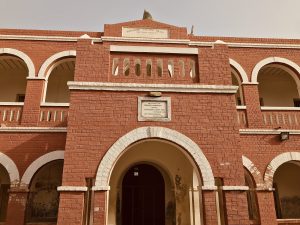
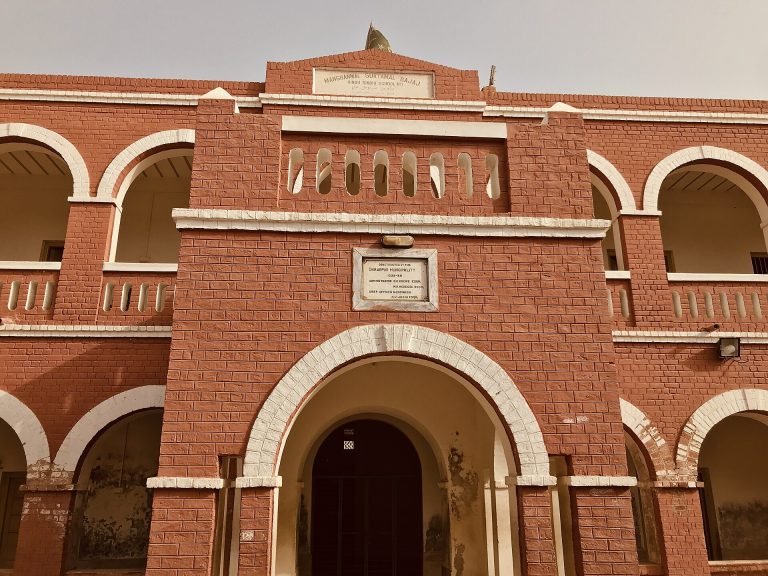 ShikarpurShikarpur city guide: the covered Dhak Bazaar, carved wooden havelis, merchant history, Shikarpuri pickles
 SukkurSukkur city guide: Sukkur Barrage, Lansdowne Bridge, Sadh Belo, Masum Shah minaret, Rohri, Indus dolphinsLarkanaLarkana city guide: Mohenjo-daro, Garhi Khuda Bakhsh, Drigh Lake, guavas and Sindhi food, history
 QuettaQuetta city guide: Hanna Lake, Urak Valley, bazaars, sajji and dry fruit
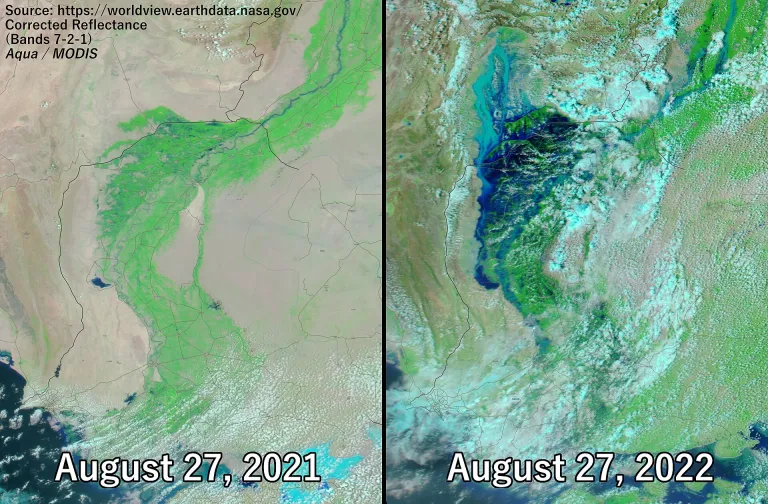 Climate of PakistanPakistan's climate explained: seasons, monsoon, regional weather, record heat at Turbat
How we know this
- Type Place guide
- Sources 4 (2 official/academic)
- Reviewed October 2026
- Disputed points None
4 sources
- Census 2023 – Sindh: urban localities by population size (Table 2), Pakistan Bureau of Statistics
- Pakistan: Administrative Division – Sindh districts (Census 2017 and 2023), City Population (Thomas Brinkhoff), citing Pakistan Bureau of Statistics
- Jacobabad, Encyclopaedia Britannica
- We've Defied Jacobabad, The Friday Times
Photo credits (6)
- Jacobabad Junction railway station.jpg, ماني, CC BY-SA 4.0, via Wikimedia Commons
- Ralli is Sindhi-Pakistani quilt.jpg, Khalid Mahmood, CC BY-SA 3.0, via Wikimedia Commons
- Lahore High Court Building.jpg, MariyamAftab, CC BY-SA 4.0, via Wikimedia Commons
- Manghanmal Surtmal Bajaj Hindu Sindhi School No.1, Shikarpur, Sindh.jpg, مھتاب احمد سنڌي, CC BY-SA 4.0, via Wikimedia Commons
- Aerial View of Sukkur Lansdowne Bridge and Sukkur Rohri.jpg, Mhtoori, CC BY-SA 4.0, via Wikimedia Commons
- Mohenjodaro - view of the stupa mound.JPG, Saqib Qayyum, CC BY-SA 3.0, via Wikimedia Commons
