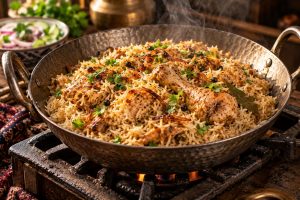
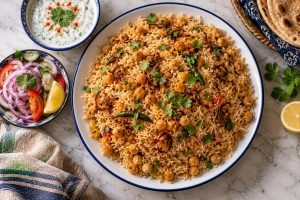
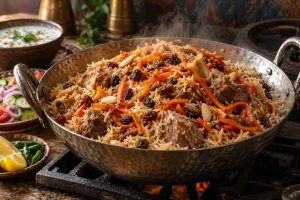
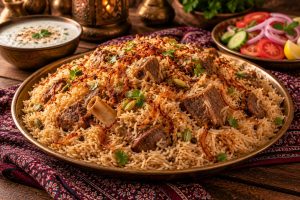
Vegetable Pulao
سبزی پلاؤ
Stovetop, heavy lidded pan
A Pakistani-style one-pot vegetable pulao with fluffy rice and small, evenly cooked pieces of cauliflower, carrots, peas, beans and potato. This version is gently spiced rather than biryani-like.

Excludes 30 min soaking, 10 min resting. One tablespoon = 15 ml; one teaspoon = 5 ml.
About Vegetable Pulao
A Pakistani-style one-pot vegetable pulao with fluffy rice and small, evenly cooked pieces of cauliflower, carrots, peas, beans and potato. This version is gently spiced rather than biryani-like.
Personally cooked and tested by Zohair Fakhar for DailyLife.pk. Cooking times can vary with your stove, cookware and batch size; follow the texture and doneness cues in the method.
Make it work for your kitchen
Also known as Veg Pulao, Sabzi Pulao, Mixed Vegetable Pilau.
Original quantities serve 4. Cooking times, pan size and frying-oil depth do not scale, cook in extra batches instead.
Before you start
Before you start
Organise before cooking Rinse and soak rice 30 minutes; drain. Wash, trim and cut vegetables to sizes that account for tenderness. Keep carrot and potato together, cauliflower and beans together, capsicum separate. Prepare masala before heating. Off While rice soaks
Set up the equipment
Have the following tools ready before starting: Heavy, tight-lidded pot with thick base; Measuring jug and kitchen scale; Sieve and broad fork; Small frying pan for separate garnish if applicable.
Clean workspaceMeasure the ingredients
Measure the ingredient quantities for your selected servings before applying heat. Keep separately listed groups, such as dough, filling, sauce or garnish, in separate containers; keep any optional additions separate.
Use the ingredient list aboveCheck allergens and substitutions
Check ingredient labels and any substitutions against these notes: Contains no major regulated allergens if using oil instead of ghee; ghee is milk-derived and must be declared when selected.
Before cooking
Step-by-step cooking method
1 Soak rice and cut vegetables
Soak aged basmati rice, dry basmati in cold water for 30 minutes.
2 Soak rice and cut vegetables (continued)
Dice peeled potato, 1.5 cm cubes potato and peeled carrot, small cubes carrot small, trim green beans, chopped beans, and cut cauliflower florets cauliflower into bite-sized florets. Keep green peas, frozen peas and optional green capsicum capsicum ready.
3 Brown onions and spices
Heat neutral oil oil in a heavy pot. Add onion, thinly sliced onion; cook about 8–10 minutes on medium until golden. Add cumin seeds cumin, cinnamon stick cinnamon and whole cloves cloves for 30 seconds.
4 Cook the tomato masala
Add ginger-garlic paste ginger-garlic paste and fry 30 seconds. Add tomato, chopped tomato, ground turmeric turmeric, ground coriander coriander and optional green chilli, slit chilli; stir 3–5 minutes until the raw tomato smell fades.
5 Soften the sturdy vegetables
Add peeled potato, 1.5 cm cubes potato and peeled carrot, small cubes carrot; stir 3 minutes. Add green beans, chopped beans and cauliflower florets cauliflower, then green peas, frozen peas. Cook another 2–3 minutes, stirring gently. They should be coated but not fully cooked.
6 Add water and basmati
Pour in hot water for rice and vegetables hot water and add fine salt salt; bring to a strong simmer. Add drained rice and level gently. Cook uncovered about 6–9 minutes until liquid is at the surface. Check that potato pieces are beginning to soften.
7 Finish with gentle steam
Sprinkle optional green capsicum capsicum over the top. Cover and steam on the lowest heat 12–15 minutes, adjusting if the rice is not yet cooked; avoid scraping and stirring.
8 Rest and check
Turn off heat and leave covered 10 minutes. Fluff carefully and test a potato cube, carrot and central rice grain; all should be tender, never crunchy or wet and collapsed.
Chef’s tips
- Vegetable sizes matter more than absolute cook time.
- Use a broad pot to avoid crushing soft vegetables while fluffing.
- A small squeeze of lemon at serving is optional and is excluded from nutrition.
Common mistakes & quick fixes
- Potato remains hard
- Cut smaller or partly cook before the rice is added.
- Cauliflower disintegrates
- Cut slightly larger florets, reduce pre-cooking and avoid stirring after steaming begins.
- Rice too wet
- Account for the liquid contributed by tomatoes and vegetables, and adjust future batches.
Variations & serving ideas
Variation: Swap green beans for seasonal beans of similar size; note cooking differences.
Variation: Omit capsicum for a softer, onion-forward flavour.
Variation: Keep vegetables and water proportioned for the pot rather than scaling water mechanically.
Perfect result check
| Check | Rice remains distinct and fluffy |
|---|---|
| Check | Potato and carrot are fork tender |
| Check | Cauliflower and peas remain recognizable |
Storage & reheating
| Cooling | Cool promptly in shallow containers, ideally within one hour; refrigerate at 0–5°C. | |
|---|---|---|
| Fridge | Within 24 hours | Keep quickly cooled rice refrigerated and use within 24 hours. Reheat only once until steaming hot throughout and serve immediately. |
| Freezer | Cool quickly and freeze promptly in small portions if keeping longer. Defrost in the refrigerator, then reheat once until steaming hot throughout and eat immediately. |
Know when to change the heat
| Stage | Heat | What to look for |
|---|---|---|
| Open simmer | Medium-high, uncovered | Keep water bubbling moderately until it nearly reaches rice level. |
| Low dum | Very low, tightly covered | Steam tightly covered on lowest heat; avoid scorching the base. |
Helpful answers before you cook
Can I skip soaking the rice?
The quantities and timing here assume a 30-minute soak; without it, the water and cooking time need testing.
How do I keep the vegetables from turning mushy?
Cut potato and carrot small and even, use bite-sized cauliflower florets and handle the mixture gently. Follow the staggered additions rather than cooking all vegetables fully before adding rice. Add optional capsicum near the covered steaming stage and fluff with a broad fork after resting.
Why is the rice wet after steaming?
Water absorption varies with the rice, soaking, vegetable moisture and lid. Let surface liquid reduce during the open-simmer stage before covering. Keep the final heat low, allow the covered rest and avoid stirring repeatedly. For a larger quantity, use suitably sized cookware or separate batches.
How do I adjust the rice water for 8 portions?
The serving selector scales the ingredients, but evaporation and pot capacity do not change in the same ratio. Use the same rice and soak, allow enough headroom and follow the liquid and grain cues. Two separate original-size batches are easier to control than an overfilled pot.