
Travel planning
Pakistan for Women Travellers: Practical, Respectful Advice
What to wear, how to use women's and family spaces, getting around safely, travelling solo, and which helplines to save, practical advice for women visiting Pakistan, drawn from official guidance and everyday local norms.
- Loose, long clothing and a dupatta
- Police 15 · Human rights helpline 1099
- Use women's and family sections
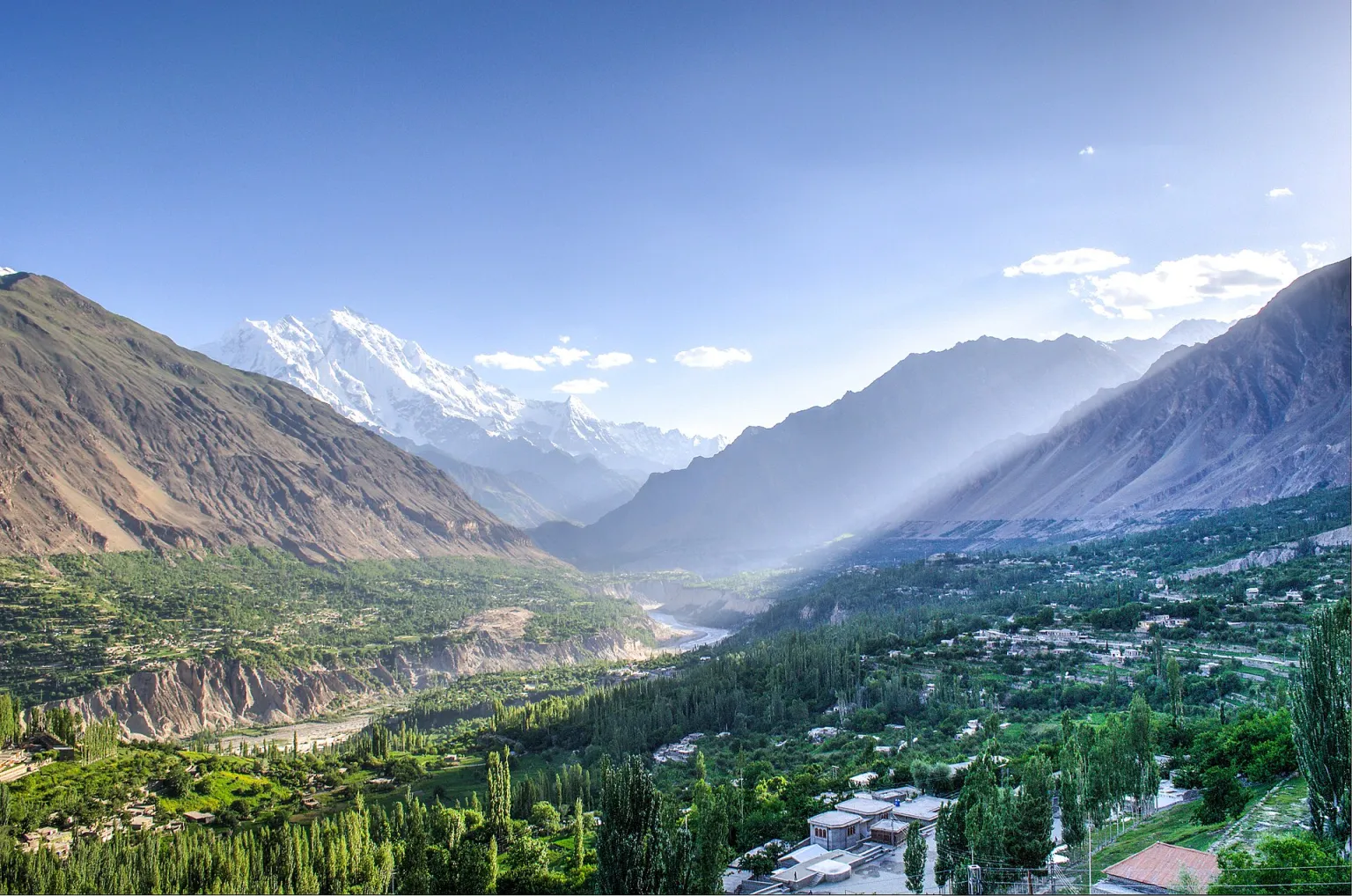
Hunza Valley, Gilgit-Baltistan
Travelling in Pakistan as a woman
Women travel all over Pakistan, solo, with friends, with family and on organised tours, and many describe the hospitality as the highlight of their trip. Foreign women often find themselves welcomed into family and women's spaces that male travellers never see: kitchens, courtyards, wedding preparations and long conversations over tea.
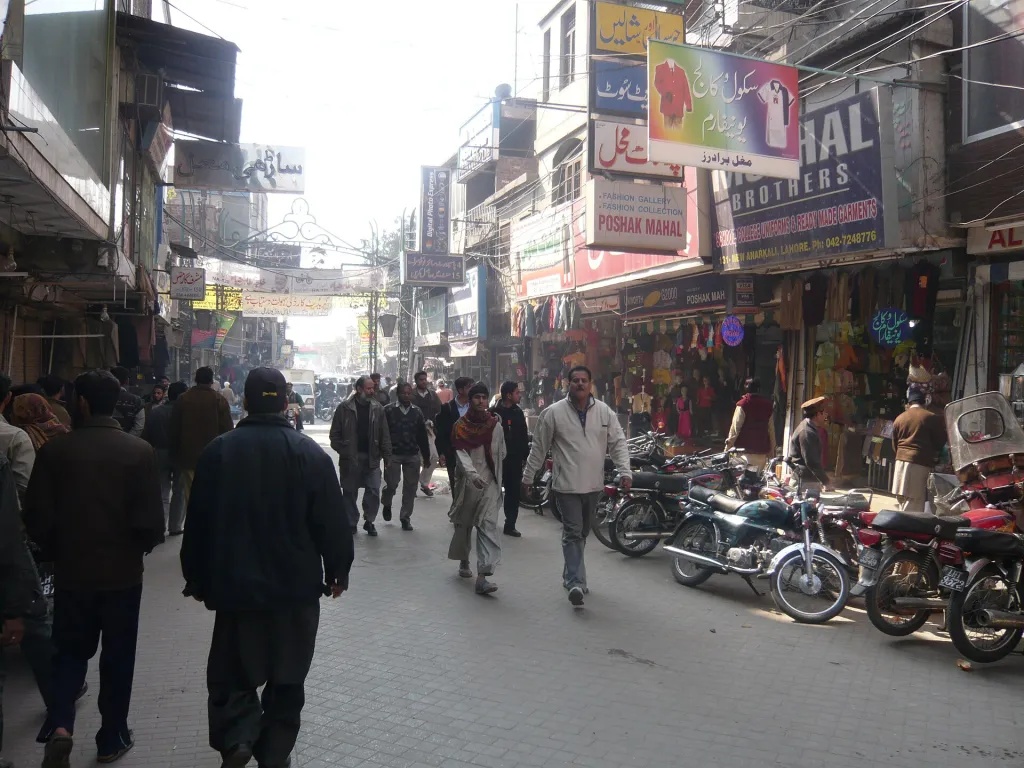
It also pays to be prepared. Pakistan is a conservative society where public space is dominated by men, and staring, unwanted comments and occasional harassment do happen, particularly in crowded bazaars and on public transport. The Government of Canada warns that women travelling alone may face harassment and verbal abuse, and advises avoiding travelling alone, especially at night. None of this should put you off; it is a reason to plan well.
The advice below combines official guidance from the UK, US and Canadian governments with the everyday habits Pakistani women themselves use to move around comfortably.
What to wear
Modest dress is the single most useful thing you can do. The UK government advises women to cover their heads in mosques, holy places and rural areas, and the US advises against tight or revealing clothing.
- Shalwar kameez: loose trousers with a long tunic is comfortable, cheap to buy ready-made or have tailored in any bazaar, and instantly reduces attention.
- Dupatta or scarf: carry one at all times to cover your head at shrines, mosques and in villages, and your chest and shoulders in crowds.
- In the mountains: modest hiking clothes are fine on trails; add a long top and scarf in villages.
- Cities: upmarket areas of Lahore, Islamabad and Karachi are more relaxed, but long sleeves and loose fits remain the safe default.
Getting around safely
- Use ride-hailing apps in cities and check that the car, number plate and driver match the app before getting in; share your trip with a friend.
- The UK advises against hailing taxis on the street; use licensed companies or transport arranged by your hotel.
- For intercity trips, established coach companies and trains are more comfortable than crowded minibuses.
- In the north, hire a driver through a licensed tour operator or a recommended hotel rather than a stranger.
- Avoid travelling after dark outside cities, and plan arrivals in daylight.
- Sit in the back seat of taxis and keep your phone charged, with a power bank and a local SIM.
Travelling solo
Solo women travel successfully in Pakistan, and Gilgit-Baltistan, with its network of family guesthouses and licensed operators, is a common choice for a first solo trip. Solo travel does take more planning than in many countries:
- Choose your base carefully. Stay in well-reviewed hotels or guesthouses, ideally ones recommended by other women.
- Consider a female guide. Female guides are available through some licensed operators in the north and can open doors into women's spaces.
- Join others. Small-group tours, shared jeeps arranged by guesthouses and trekking groups reduce cost and attention.
- Keep your plans to yourself. Be friendly but vague with strangers about where you are staying and whether you are alone; a mention of a husband or group waiting is a common deflection.
- Check in daily with someone at home, and share your live location.

Habits Pakistani women use
- Moving with purpose and avoiding long eye contact with unfamiliar men discourages unwanted conversations.
- A firm, loud reply in public can draw help from bystanders and shopkeepers.
- Holding a bag or a dupatta between yourself and others is common in crowded bazaars and buses.
- Women's sections, family queues and female staff are there to be used, asking for them is normal, not rude.
- Shopping and sightseeing earlier in the day, when markets are busy with families, is generally more comfortable than late evening.
Helplines to save
| Number | Service | Notes |
|---|---|---|
| 15 | Police | Nationwide police emergency; use it for harassment, threats or crime in progress |
| 1122 | Rescue 1122 | Ambulance, fire and rescue in Punjab, Sindh and Khyber Pakhtunkhwa |
| 1099 | Ministry of Human Rights helpline | Legal advice, assistance and referrals, including for women's rights complaints; described as free and nationwide |
| 1043 | Punjab Women Helpline | Run by the Punjab Commission on the Status of Women |
| Your embassy | Consular emergency line | Save it before you travel; embassies can help if your passport is taken or you are in danger |
From the UK FCDO, Associated Press of Pakistan, Geo News and the Punjab Commission on the Status of Women. Other provinces run their own helplines; see our emergency numbers page.
Women of Pakistani heritage. The US State Department highlights cases in which dual-national women have had their passports taken by family members and been pressured into marriage. If you have concerns, keep copies of your documents, tell someone at home your travel dates, and know how to reach your embassy. Women entering on a NICOP or POC may be treated as Pakistani citizens, which can limit consular help.
Health and practicalities
Female doctors
Ask for one
Large hospitals in the cities have female doctors; it is normal to request one.
Supplies
Stock up in cities
Pharmacies and supermarkets in the cities stock sanitary products and toiletries; choice is limited in small towns and mountain valleys.
Toilets
Carry tissues
Clean toilets can be scarce on long road journeys. Carry tissues and hand sanitiser, and use hotels and restaurants where you can.
Ramadan
Be discreet
Avoid eating or drinking in public in daylight hours; women-only spaces and hotels are the easiest places to eat.

Frequently Asked Questions
Is Pakistan safe for women travelling alone?
Many women travel solo in Pakistan, especially in Gilgit-Baltistan, and most report great hospitality. Harassment does occur, and Canada advises women to avoid travelling alone, especially at night. Plan carefully, use women's spaces and reputable transport, and check your government's advice.
Do women have to cover their hair in Pakistan?
Not in general, but carry a scarf. The UK advises women to cover their heads in mosques, holy places and rural areas, and many women cover their hair in conservative areas.
What number should I call if I am harassed?
Call the police on 15 in an emergency. The Ministry of Human Rights helpline 1099 gives advice and referrals, and in Punjab the Women Helpline is 1043.
Are there women-only buses in Pakistan?
Yes. Women-only Pink Bus services run in Lahore, Karachi, Islamabad, Rawalpindi and Multan, and ordinary buses and metro buses reserve seats or sections for women.
Can I hire a female guide?
Some licensed tour operators in the north offer female guides. Ask when booking, as availability is limited.
Keep Exploring
Related places and stories on DailyLife.pk
 Hunza ValleyPlan a Hunza Valley trip: Baltit and Altit forts, Attabad Lake, Passu Cones, Hussaini bridge
 Safety Tips for TravellersPakistan safety tips: current UK, US and Canada advisories, common scams, vaccines, heat and altitude
 Emergency Numbers in PakistanPakistan emergency numbers explained: 15 police, 1122 rescue, 115 Edhi ambulance, 16 fire, 130 motorway police
 Etiquette and Culture for VisitorsPakistan etiquette for visitors: greetings, modest dress, eating with the right hand, mosques and gurdwaras, photography
 Traditional Dress of PakistanPakistani traditional dress explained: shalwar kameez and sherwani, Sindhi ajrak and topi, phulkari, Pashtun pakol
 Where to Stay in PakistanWhere to stay in Pakistan: city hotels, PTDC motels, guesthouses, homestays and heritage hotels
How we know this
- Type Practical guide
- Sources 9 (3 official/academic)
- Reviewed October 2026
- Disputed points None
Rules and fees change, confirm with the official links below before you act.
9 sources
- Travel advice and advisories for Pakistan, Government of Canada
- Pakistan travel advice: Safety and security, UK Foreign, Commonwealth & Development Office
- Pakistan travel advice (summary and warnings), UK Foreign, Commonwealth & Development Office
- Pakistan Travel Advisory, U.S. Department of State
- Pakistan International Travel Information, U.S. Department of State
- Women's rights complaints dominate MoHR Helpline 1099 in September, Associated Press of Pakistan
- This is how you can report domestic violence in Pakistan, Geo News
- Government Helplines, Punjab Commission on the Status of Women
- Civil society urges expansion of Pink Bus Service for women's safe travel, Associated Press of Pakistan
Photo credits (5)
- Hunza Valley HDR.jpg, FaizanAhmad, CC BY-SA 3.0, via Wikimedia Commons
- Autumn color in Hunza Valley.jpg, Ghazi Ghulamraza, CC BY-SA 3.0, via Wikimedia Commons
- Anarkali Pakistan.jpg, TheWazir, CC BY 2.0, via Wikimedia Commons
- View of main entrance of Khaplu Palace.jpg, Muhammad Ashar, CC BY-SA 3.0, via Wikimedia Commons
- Jaffar Express.jpg, Syed.mazahirhaider, CC BY-SA 4.0, via Wikimedia Commons
