
Travel essentials
Pakistan Travel Insurance: Questions to Ask Before You Buy
Check Pakistan travel insurance for routes, trekking height, evacuation, delays and exclusions before paying for a policy or mountain holiday.
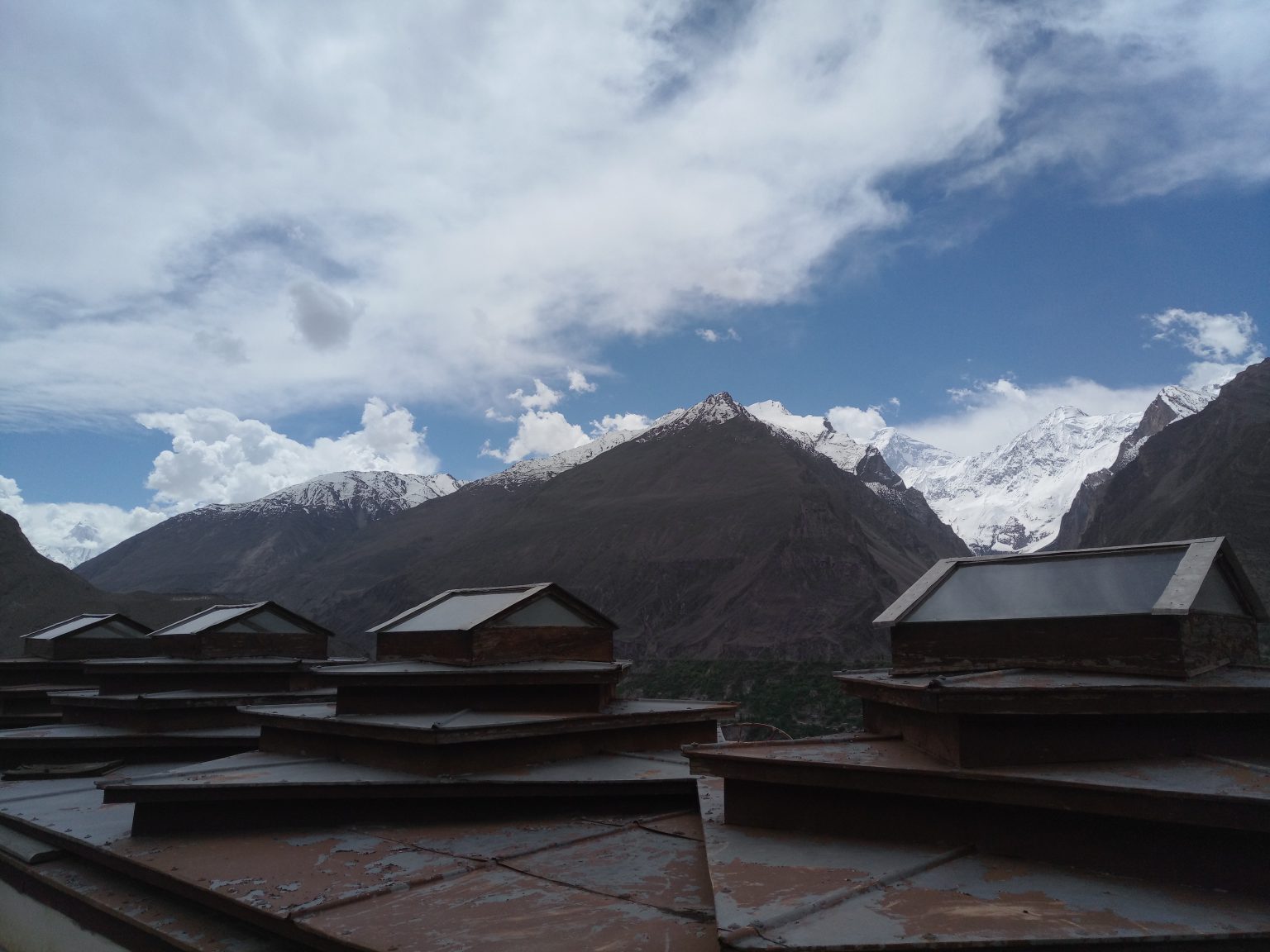
Karimabad in Hunza, photographed in April 2018; illustrative mountain travel image.
Insure the itinerary, not the country name
A policy that lists Pakistan as a destination still needs to match the places and activities on your booking. Write down the route, overnight locations, highest planned altitude and transport choices before asking for a quote. Include optional excursions you might realistically take. A standard holiday policy may answer different questions from one covering trekking or climbing, and an optional jeep excursion is still part of your risk exposure.
Current government advice matters. FCDO states that travelling against its advice could invalidate insurance; other countries' advisories and insurers' definitions may differ. On 31 October 2026, FCDO advice included restrictions affecting several established tourism regions and routes. Check the live map and wording rather than relying on an older tour brochure. Obtain the insurer's written interpretation for your itinerary before paying non-refundable costs.
Describe the activity precisely
Ask whether cover applies to walking on established paths, overnight trekking, glacier travel, mountaineering and climbing, as relevant. An activity label such as adventure tourism does not tell you whether a particular pass crossing is covered. Give the route name, maximum height and whether ropes, guides or technical equipment are involved. Distinguish the highest viewpoint from the altitude where you will sleep.
If a tour company proposes a substitute route after weather disruption, reassess cover before agreeing. Permission for one trek does not automatically include another with a different technical character. Keep the insurer's response with the policy schedule. When speaking by phone, ask for confirmation in writing and check that it addresses the specific activity rather than only confirming that Pakistan appears in the destination list.
Separate treatment, rescue and evacuation
Ask what happens if you become ill in a remote location. Search and rescue, transport to a suitable facility, hospital treatment and repatriation can be separate benefits with separate approval requirements. CDC advises considering medical evacuation insurance for Pakistan. That recommendation is a starting point for questions, not confirmation that a particular policy will deliver a helicopter to every valley.
Ask who decides whether evacuation is medically necessary, how authorisation works when phone service is limited and whether you must pay first. Find out whether the insurer has a working assistance arrangement for your route. A large headline limit is less useful if you do not know whom to contact or which documents the assistance team needs. Discuss any pre-existing condition using the insurer's disclosure process.
Explore the places and guides mentioned
Photographs show the linked places or guide subjects. Open each page for its own visiting and planning information.

Read delay and cancellation wording
Flight disruption can produce several different losses: a cancelled domestic ticket, a missed separately booked international flight, extra hotel nights and unused excursions. Ask which circumstances activate each benefit and which receipts are required. Weather disruption and a change of personal preference are different claims. A policy purchased after a known disruption may treat that event differently from an unforeseen event.
Check whether separate tickets affect missed-connection cover. If your mountain flight and long-haul departure are unrelated bookings, do not assume the insurer treats them as a protected connection. Ask about minimum scheduled connecting time and required buffer nights. A well-designed itinerary can reduce the problem before insurance is needed: flexible accommodation and a spare day may be more useful than the most generous-looking cancellation headline.
Make the emergency file usable
Carry the assistance number, policy number and an offline copy of the terms. Give a trusted companion access to the information if you cannot make the call yourself. Record the process for urgent care, notification and claims. Include the insurer's written activity clarification and any medical disclosure acceptance. Keep a payment method available for expenses that may not be settled directly.
For each claim, preserve the booking confirmation, cancellation notice, receipts and a brief dated record of what happened. Ask operators to explain the cause of disruption in writing when possible. Do not expose unnecessary medical or identity information in public group chats. Share relevant details directly with the insurer and authorised providers. Insurance administration becomes much easier when your evidence is organised as events happen.
Work through a realistic example
Imagine a holiday with three nights in Islamabad, a domestic flight to Skardu, several valley drives and a guided overnight walk. Send that exact outline to the insurer. Ask whether the highest point of the walk is included, whether each driving route is eligible and whether the return flight leaves enough time before the international departure. Then ask how an unexpected extra night would be handled.
Compare policies using those answers rather than the purchase price alone. A cheaper policy can be suitable for a short city visit yet unsuitable for the same traveller's mountain extension. Remove activities you cannot insure appropriately or redesign the route. Recheck when your itinerary changes materially and again before departure, especially if government advice or local restrictions have changed since you booked.
Compare policies with the same scenario
Create a small comparison sheet with the exact itinerary at the top. Under each policy, record the insurer's answer about the route, highest altitude, activity, medical evacuation, separate-ticket connection and excess. Mark an unanswered question as unanswered rather than interpreting silence as cover. Keep the original wording available so you can distinguish your summary from the insurer's actual response.
Then test a specific event: the return flight is cancelled, you need another hotel night and your international ticket is on a separate booking. Ask which part of that situation is addressed and what evidence you would need. Test a second event involving illness on the planned walk. These examples expose gaps that a large benefit limit can hide. If two policies look similar, the assistance process and clarity of the answers may matter more than a small price difference. Finally, confirm the policy start date and the deadline for buying cancellation protection relevant to your booking. A carefully saved quote is useful only if the purchased schedule contains the cover you intended to buy.
Sources and planning updates
Research checked on 31 October 2026. Operator terms, local conditions and individual eligibility can change. The linked sources support the factual points; itinerary examples and comparison methods are editorial planning advice.
Continue planning your trip
Frequently Asked Questions
Does ordinary travel insurance cover K2 base camp?
Do not assume it does. Give the insurer the exact trek, maximum altitude and activities, and obtain written confirmation of cover and exclusions.
Does insurance guarantee helicopter rescue?
No. Ask about benefits, authorisation and practical arrangements; weather, location and operational constraints can affect any rescue.
How we know this
- Type Practical guide
- Sources 3 (1 official/academic)
- Reviewed October 2026
- Disputed points None
Rules and fees change, confirm with the official links below before you act.
3 sources
Photo credits (3)
- Hunza Valley from Rooftop, Gilgit Baltistan Pakistan.jpg, Sohaib Saeed, CC BY-SA 4.0, via Wikimedia Commons
- Baltoro Glacier, Pakistan.jpg, Thsulemani, CC BY-SA 3.0, via Wikimedia Commons
- Ratti Gali-2-01.jpg, ARFayyaz, CC BY-SA 4.0, via Wikimedia Commons
